




Printable Minecraft Coloring Pictures Overview
A ski boot size chart is a handy tool for any skier, young or old, and having a printable guide can make all the difference in ensuring a comfortable and enjoyable experience on the slopes. Whether you're a seasoned pro or a beginner, finding the right ski boot size is crucial for your performance and overall comfort. With various printable options at your fingertips, you can easily access a ski boot sizing guide, ensuring you make an informed choice. These charts and templates offer a simple yet effective way to determine the perfect fit, and they're especially beneficial for those who prefer a more tactile approach to planning their ski adventures. The ski boot size chart is a skier's best friend, providing an easy-to-use reference that can be printed and kept close for quick access. It's a practical tool that caters to all skill levels and ages, making ski boot sizing a breeze for everyone.
Creative Reuse Ideas for Your Ski Boot Size Chart
Get the most out of your printable ski boot size chart by thinking beyond single-use. With a few simple adaptations, you can make this chart work for various scenarios, from group activities to individual reference tools. One clever idea is to print multiple copies, each with a different color-coding system. Assign each child or group member a unique color, and use it to highlight their ski boot size and any relevant notes. This visual cue makes it easy to quickly identify each person's size, especially when working with a large group. For a more permanent solution, consider printing the chart on adhesive paper and sticking it to a durable surface, like a clipboard or a magnetic board. This way, you can easily write and erase notes without worrying about damaging the chart itself.
Print Setup and Customization Tips
Before hitting print, take a moment to review your printer settings and consider any adjustments you might need. If you're using a home printer, check the ink levels and ensure the paper tray is loaded correctly. For best results, use a high-quality printer with good ink coverage and minimal bleed-through. When it comes to paper choice, consider the intended use. If you plan to reuse the chart or display it prominently, opt for thicker cardstock or photo paper for durability and a more polished look. For quick, temporary use, regular copy paper is perfectly fine. You can also experiment with resizing options to fit your needs. Try printing at 85% or choosing an A5 half-letter size for a more compact, portable option.
Troubleshooting Common Print Issues
No matter how carefully you plan, printing can sometimes present challenges. One common issue is ink bleed, especially when using thinner paper. To minimize this, consider adjusting your printer settings to a higher-quality mode or using a slower print speed. If you're dealing with cramped writing space, especially when adding notes, try printing at a slightly larger scale or choosing a layout with more generous margins. To avoid cutting off the border or important details, ensure your printer is set up to print with correct margins, especially if you plan to punch holes for binding or hanging. Most printers have a default margin setting, but you can adjust this in your printer settings if needed.
Real-Life Applications: Why This Printable Format Works
The ski boot size chart is a versatile tool that fits seamlessly into various routines and scenarios. For parents and teachers, it's an invaluable reference for ensuring kids have the right-sized ski boots, especially when outfitting a group. It provides a quick, visual way to confirm sizes and avoid costly mistakes. The chart also serves as a handy reminder for beginners, helping them quickly identify their size and feel more confident when selecting gear. For ski shops and rental centers, this chart can be a valuable addition to customer service, providing a quick reference for staff and ensuring customers leave with the perfect fit.
Layout Styles: Minimalist vs. Detailed, Lined vs. Blank
When choosing a layout, consider the level of detail and the intended use. A minimalist, lined chart works well for quick reference and basic size identification. It's simple, easy to read, and perfect for beginners or as a backup reference. For more detailed notes and personalized adjustments, a more comprehensive layout with larger writing spaces and additional fields is ideal. This style accommodates specific fit preferences, foot measurements, and other relevant details. If you're working with kids, a fun, colorful layout with age-appropriate illustrations can make the chart more engaging and help younger users identify their size more easily.
Organizing and Displaying Your Finished Sheets
Once you've printed and used your ski boot size chart, it's important to consider how to store or display it effectively. If you've printed multiple copies for a group, consider binding them together with a simple comb binding or spiral binding. This keeps the pages together and allows for easy reference and reuse. For individual charts, a simple paper clip or a binder clip works well to keep the sheet secure and ready for use. If you've printed on adhesive paper, simply stick it to a clipboard or a magnetic surface for quick access. For long-term storage, consider filing the chart in a labeled folder or binder, especially if you plan to update or reference it over time.
"A simple adjustment, a world of difference - that's the magic of customizing your print settings! If you're keen on more printable adventures, our site has you covered with a range of templates to explore."
Related: How To Remodel Painting Easy
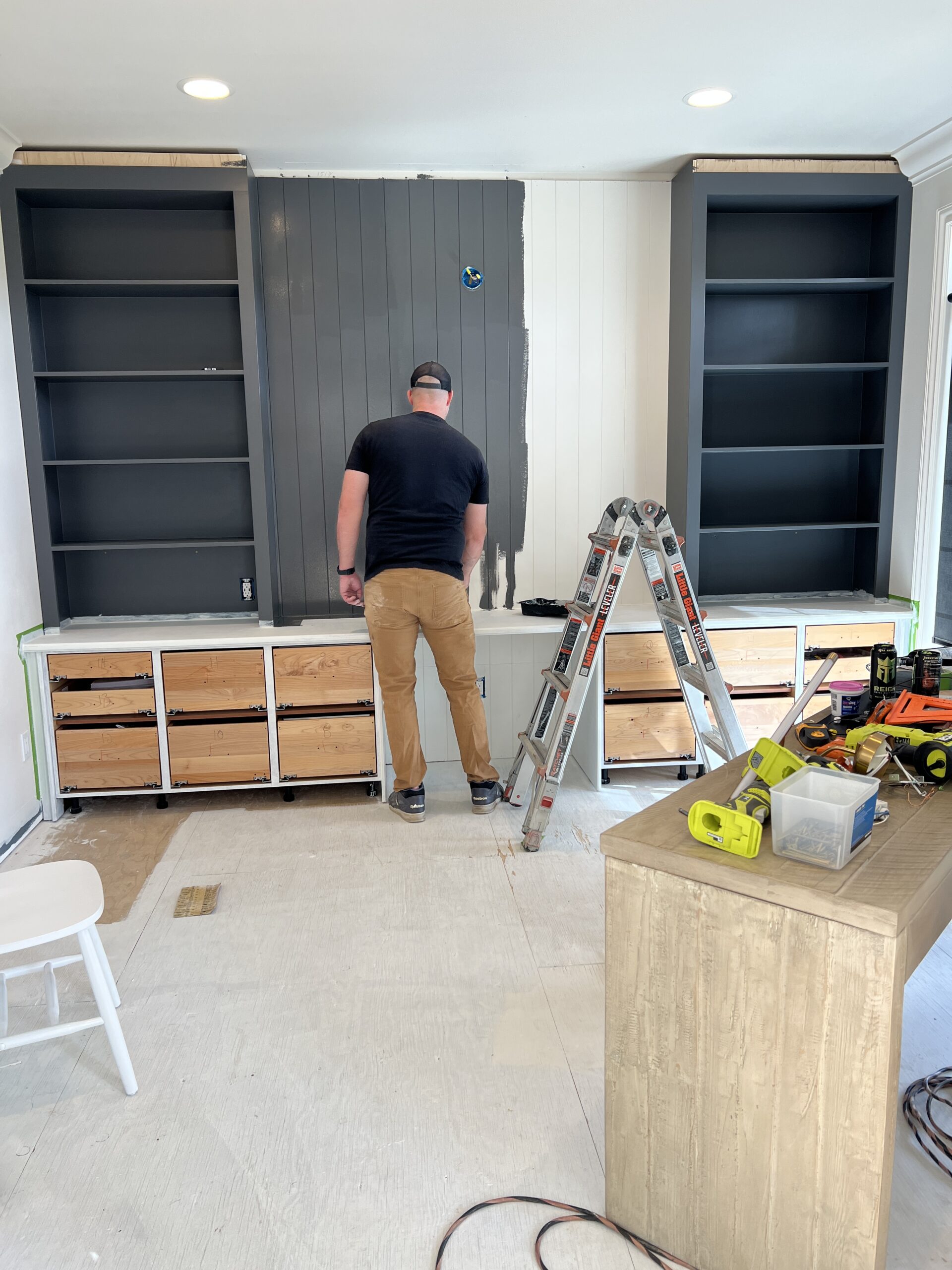
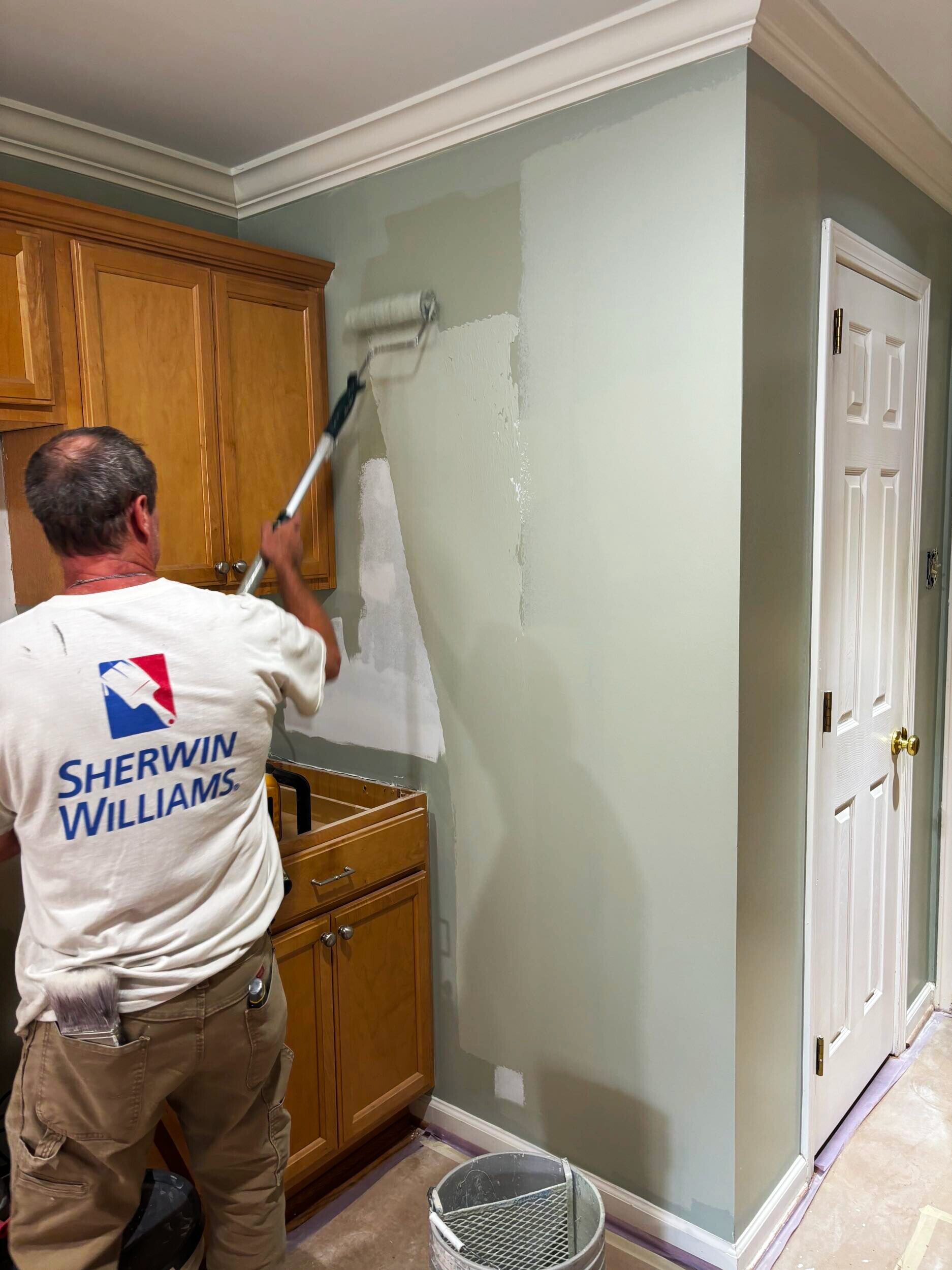
I'm getting ready to tackle a how to remodel painting project and it's a bit daunting. I mean, where do I even start? I've never done this before and I want to make sure I do it right. So, I've been doing some research and I've learned a few things that I think might help others in a similar situation.
Understanding the Process
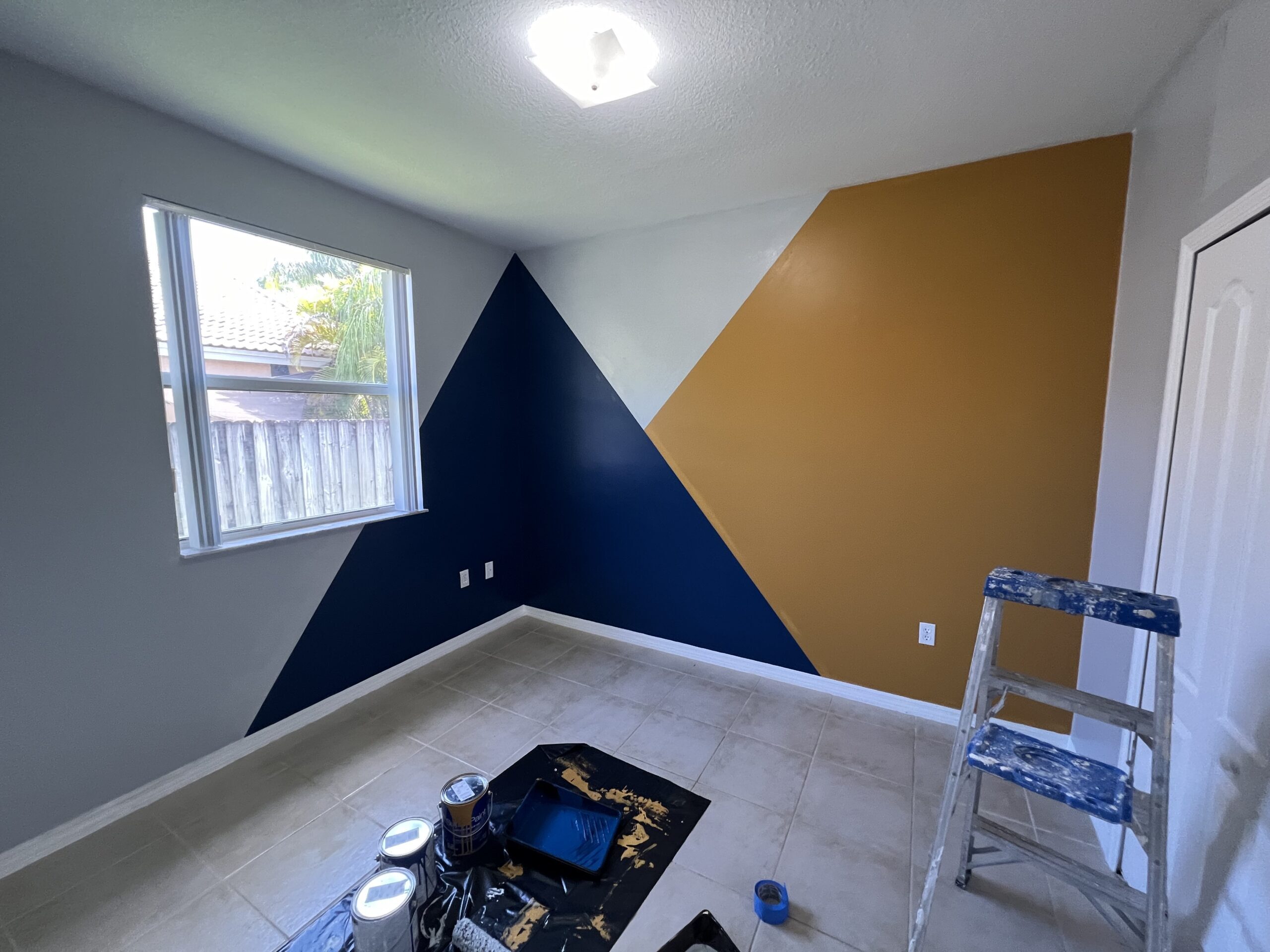
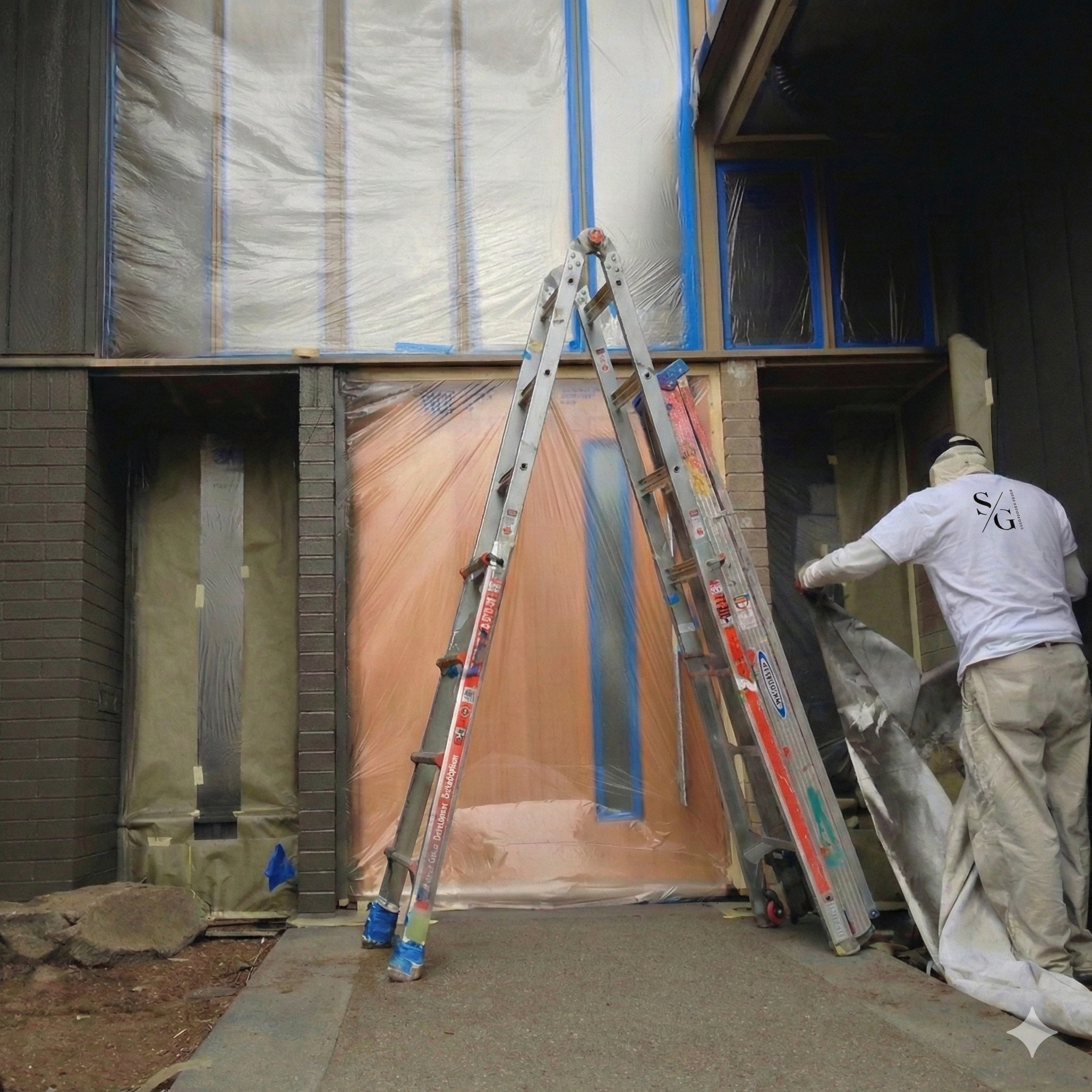
How to remodel painting is a specific type of home remodeling project that involves updating the look and feel of a room or space through a fresh coat of paint. It's a great way to transform a space without a major renovation, and it can be a fun and creative process. But, it's important to know what you're getting into and how to navigate the world of painting contractors and costs.
The first step is to assess the scope of your project. Consider the size of the space, the number of rooms, and the type of paint you want to use. This will impact the overall cost and the time it takes to complete the job. You'll also need to decide if you want to tackle the project yourself or hire a professional.
Hiring a Contractor
If you decide to hire a contractor, there are a few things to keep in mind. First, get multiple quotes. Compare prices, but also consider the quality of the work and the reputation of the company. Check online reviews and ask for references. A good contractor will be transparent about their process and pricing.
When comparing quotes, look for a detailed breakdown of the costs. This should include labor, materials, and any additional services like preparation work or special finishes. Make sure the quotes are for the same scope of work so you can make an apples-to-apples comparison.
Company Names and Reputation
The construction and remodeling industry is full of companies with unique names. A good company name should be memorable, easy to spell and pronounce, and reflect the nature of the business. It's also important to check the availability of the name and secure the relevant domain and local business registrations.
Some example names could be:
- Brushstroke Builders
- Colorful Creations
- Fresh Coat Pros
- Paint Perfect Pros
- Wall Wizards
- The Paint Pros
Construction Jobs and Salaries
The construction industry offers a range of jobs, from general contractors to estimators and project managers. Salaries can vary depending on experience, location, and the size of the company. It's a diverse industry with opportunities for growth and specialization. Many construction companies post job openings on their websites, and there are also dedicated construction job boards online.
Industry Tools and Data
Tools like RSMeans provide valuable data for the construction industry. They offer cost databases and escalation tools that help contractors and estimators calculate and manage project costs. This data is essential for accurate quotes and project planning. It ensures that costs are estimated correctly and that projects are profitable.
Large vs. Small Companies
The construction industry is diverse, with both large and small companies. Large companies often have more resources, allowing them to take on bigger projects and offer a wider range of services. They may also have more specialized staff. Small companies, on the other hand, can offer a more personalized service and may be more flexible in their approach.
Final Thoughts
How to remodel painting is a great way to update your home, and with the right approach, it can be a smooth and satisfying process. Remember to do your research, get multiple quotes, and choose a contractor who suits your needs and budget. It's a fun project that can really transform a space, so enjoy the process and the results!
Related: How to Read the Hampton Tide Chart?
Many people often overlook the importance of a Hampton tide chart and its accuracy, assuming it's just a simple diagram. But this chart is a powerful tool, offering valuable insights into the ever-changing tides of Hampton Bay.
While it may seem straightforward, there's more to it than meets the eye. The Hampton tide chart provides precise tidal data, including times and heights, which can vary depending on the region and specific location. Understanding these charts is key to making the most of your time on the water.
Understanding the Hampton Tide Chart
The hampton tide chart is a valuable tool for anyone interested in predicting and understanding the tides in Hampton Bay. It provides a visual representation of the water levels and tide times, offering a practical guide for various activities and planning. This chart is an essential resource for boaters, fishermen, and anyone enjoying the bay's waters.
Key Measurements Explained
The chart displays two main categories: tide height and time. Tide height is measured relative to mean sea level hampton, often abbreviated as MSL. This measurement indicates how high or low the tide will be at a specific time. The time category shows the exact hours and minutes when these tide heights occur. It's important to note that the measurements are standardized, ensuring consistency across different charts and regions.
Reading the Data Accurately: A Step-by-Step Guide
- Locate the current date and time on the chart. This information is usually displayed along the top or bottom edge.
- Identify the corresponding tide height for that time. The height is typically indicated by a line or curve, with values marked alongside it.
- Note the tide height and its relationship to mean sea level hampton. A positive value indicates a high tide, while a negative value represents a low tide.
- Repeat this process for future times to plan your activities accordingly.
Seasonal Variations and Their Impact
Hampton tide charts may vary slightly depending on the season. Tides are influenced by the gravitational pull of the moon and sun, which can result in different tidal patterns throughout the year. During certain seasons, you might notice higher or lower tide extremes, impacting the bay's water levels and activities. It's crucial to consider these variations when planning activities that depend on specific tide conditions.
Common Mistakes and How to Avoid Them
One common mistake is assuming that the tide chart is an exact representation of real-time conditions. While it provides a reliable prediction, actual tide heights can vary slightly due to weather conditions and other factors. Always check the current conditions before relying solely on the chart. Additionally, ensure you understand the scale and measurements used on the chart to avoid misinterpretation.
Practical Tips for Accurate Results
When using the hampton tide chart, it's beneficial to familiarize yourself with the specific details and formats of your region. Different areas might have unique tidal patterns and measurement standards. Additionally, consider the weather forecast, as strong winds and storms can influence tide heights and times. By staying informed and cross-referencing multiple sources, you can make more accurate predictions and plans.
Well, there you have it! Understanding Hampton's tide chart is a handy skill for anyone planning coastal adventures. Remember, while the basics are universal, exact values can vary slightly, so always double-check your specific context and requirements.
Consider bookmarking this page for a quick reference guide the next time you need it. Happy tide-watching!