









Printable Planner Sheets Overview
A ski boot size chart is a handy tool for any skier, young or old, and having a printable guide can make all the difference in ensuring a comfortable and enjoyable experience on the slopes. Whether you're a seasoned pro or a beginner, finding the right ski boot size is crucial for your performance and overall comfort. With various printable options at your fingertips, you can easily access a ski boot sizing guide, ensuring you make an informed choice. These charts and templates offer a simple yet effective way to determine the perfect fit, and they're especially beneficial for those who prefer a more tactile approach to planning their ski adventures. The ski boot size chart is a skier's best friend, providing an easy-to-use reference that can be printed and kept close for quick access. It's a practical tool that caters to all skill levels and ages, making ski boot sizing a breeze for everyone.
Creative Reuse Ideas for Your Ski Boot Size Chart
Get the most out of your printable ski boot size chart by thinking beyond single-use. With a few simple adaptations, you can make this chart work for various scenarios, from group activities to individual reference tools. One clever idea is to print multiple copies, each with a different color-coding system. Assign each child or group member a unique color, and use it to highlight their ski boot size and any relevant notes. This visual cue makes it easy to quickly identify each person's size, especially when working with a large group. For a more permanent solution, consider printing the chart on adhesive paper and sticking it to a durable surface, like a clipboard or a magnetic board. This way, you can easily write and erase notes without worrying about damaging the chart itself.
Print Setup and Customization Tips
Before hitting print, take a moment to review your printer settings and consider any adjustments you might need. If you're using a home printer, check the ink levels and ensure the paper tray is loaded correctly. For best results, use a high-quality printer with good ink coverage and minimal bleed-through. When it comes to paper choice, consider the intended use. If you plan to reuse the chart or display it prominently, opt for thicker cardstock or photo paper for durability and a more polished look. For quick, temporary use, regular copy paper is perfectly fine. You can also experiment with resizing options to fit your needs. Try printing at 85% or choosing an A5 half-letter size for a more compact, portable option.
Troubleshooting Common Print Issues
No matter how carefully you plan, printing can sometimes present challenges. One common issue is ink bleed, especially when using thinner paper. To minimize this, consider adjusting your printer settings to a higher-quality mode or using a slower print speed. If you're dealing with cramped writing space, especially when adding notes, try printing at a slightly larger scale or choosing a layout with more generous margins. To avoid cutting off the border or important details, ensure your printer is set up to print with correct margins, especially if you plan to punch holes for binding or hanging. Most printers have a default margin setting, but you can adjust this in your printer settings if needed.
Real-Life Applications: Why This Printable Format Works
The ski boot size chart is a versatile tool that fits seamlessly into various routines and scenarios. For parents and teachers, it's an invaluable reference for ensuring kids have the right-sized ski boots, especially when outfitting a group. It provides a quick, visual way to confirm sizes and avoid costly mistakes. The chart also serves as a handy reminder for beginners, helping them quickly identify their size and feel more confident when selecting gear. For ski shops and rental centers, this chart can be a valuable addition to customer service, providing a quick reference for staff and ensuring customers leave with the perfect fit.
Layout Styles: Minimalist vs. Detailed, Lined vs. Blank
When choosing a layout, consider the level of detail and the intended use. A minimalist, lined chart works well for quick reference and basic size identification. It's simple, easy to read, and perfect for beginners or as a backup reference. For more detailed notes and personalized adjustments, a more comprehensive layout with larger writing spaces and additional fields is ideal. This style accommodates specific fit preferences, foot measurements, and other relevant details. If you're working with kids, a fun, colorful layout with age-appropriate illustrations can make the chart more engaging and help younger users identify their size more easily.
Organizing and Displaying Your Finished Sheets
Once you've printed and used your ski boot size chart, it's important to consider how to store or display it effectively. If you've printed multiple copies for a group, consider binding them together with a simple comb binding or spiral binding. This keeps the pages together and allows for easy reference and reuse. For individual charts, a simple paper clip or a binder clip works well to keep the sheet secure and ready for use. If you've printed on adhesive paper, simply stick it to a clipboard or a magnetic surface for quick access. For long-term storage, consider filing the chart in a labeled folder or binder, especially if you plan to update or reference it over time.
"A simple adjustment, a world of difference - that's the magic of customizing your print settings! If you're keen on more printable adventures, our site has you covered with a range of templates to explore."
Related: Uncover Browns Depth Chart Insights
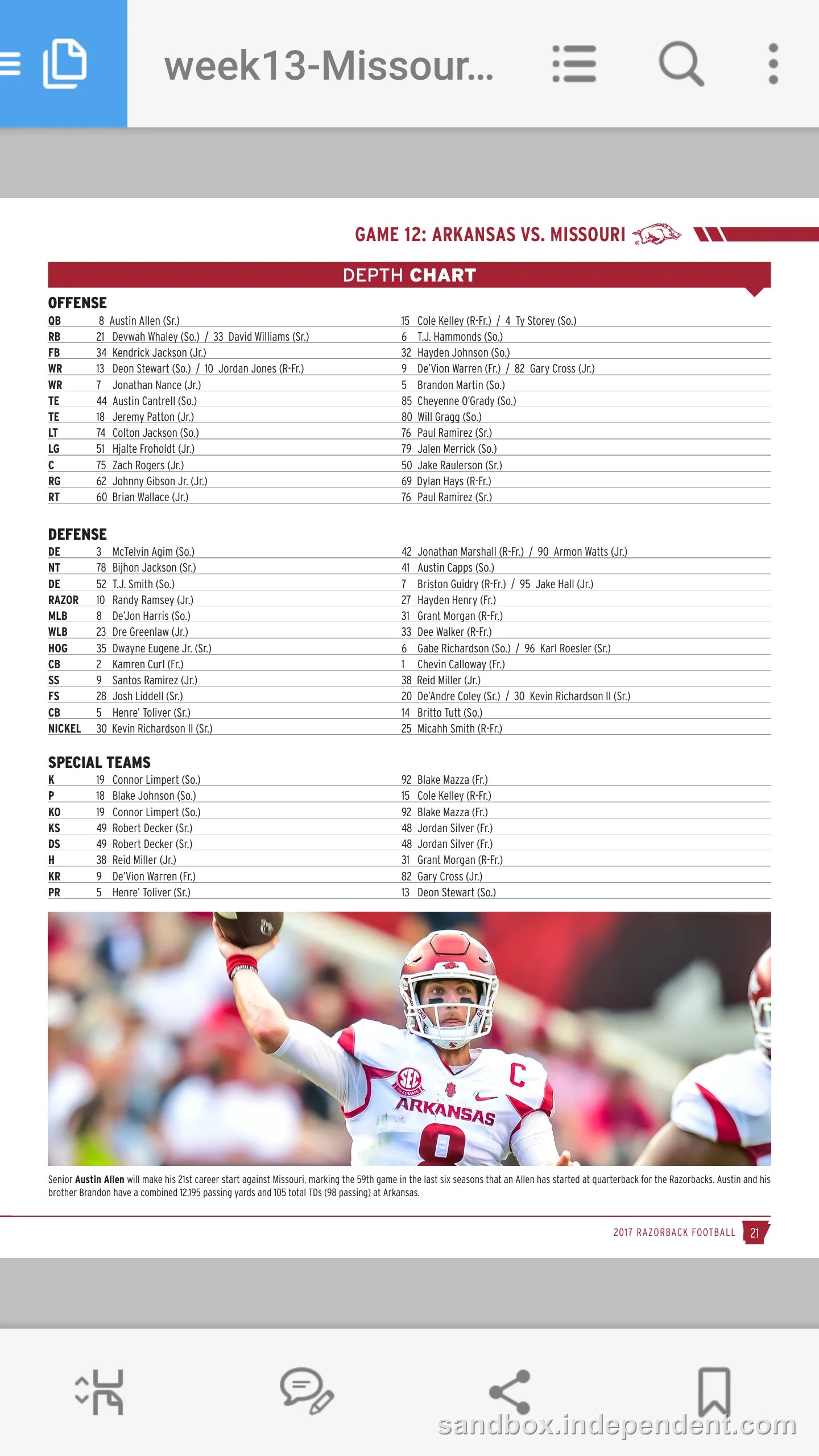
A browns depth chart is a valuable tool for any football enthusiast, offering a concise overview of the Cleveland Browns' team structure. This guide aims to demystify the chart, ensuring you can quickly grasp its purpose and navigate its contents with ease.
The depth chart is a snapshot of the team's player positions, providing a clear hierarchy and an understanding of the Browns' roster. While formats may vary slightly, the core purpose remains the same: to offer a practical reference for fans and analysts alike.
Understanding the Browns Depth Chart: An Overview
The Cleveland Browns depth chart is a valuable tool for fans and analysts, offering a comprehensive view of the team's player positions and their hierarchy. This chart provides an organized representation of the roster, showcasing the depth and talent within each position group. By understanding the depth chart, you can gain insights into the team's strategy, potential starting lineups, and backup options.
Comparing Standard Player Positions and Categories
The depth chart categorizes players based on their primary positions. These positions are typically divided into offense, defense, and special teams. Within each category, you'll find specific roles such as quarterback (QB), running back (RB), wide receiver (WR), defensive end (DE), linebacker (LB), and more. Each position has its own depth chart, indicating the players' rankings and roles within the team.
Reading the Depth Chart: A Step-by-Step Guide
Start by identifying the position group you're interested in. Look for the relevant category on the depth chart, which often uses clear headings or color-coding for easy navigation.
Within each position group, players are typically listed in a hierarchical order. The top player(s) are considered the starters, followed by backups, and so on. Pay attention to the arrangement, as it indicates the team's preferred lineup and depth.
Alongside each player's name, you may find additional information such as their jersey number, height, weight, and sometimes even key statistics. These details provide context and help you recognize individual players and their attributes.
Some depth charts include notes or symbols to indicate injuries, suspensions, or other relevant factors. These indicators can give you a quick glimpse into the team's current situation and potential challenges.
Common Misreadings and How to Avoid Them
One common misconception is assuming that the depth chart represents a rigid, unchanging lineup. In reality, it's a dynamic tool that reflects the team's current status and can change rapidly due to injuries, trades, or performance. Always consider the chart as a snapshot of the team's situation at a specific moment.
Another pitfall is overinterpreting the depth chart's rankings. While it provides a hierarchy, it doesn't always indicate a player's actual performance or potential. The depth chart is a tool for organizing the roster, and players' rankings can change based on various factors, including coaching decisions and individual progress.
Factors Affecting Accuracy and Real-World Use
The accuracy of the Browns depth chart, like any other team's chart, depends on several factors. Firstly, it reflects the team's official roster, which can change frequently during the season due to injuries, trades, or player performance. Thus, it's essential to refer to the most recent depth chart to ensure you have accurate information.
Additionally, the depth chart may not account for all variables. For instance, it might not reflect a player's versatility or ability to play multiple positions. Some players can be listed as backups at one position but may see significant playing time at another, especially in injury-prone positions.
Choosing the Right Format for Specific Needs
The standard depth chart format provides a clear overview of the team's roster. However, for more detailed analysis, you might consider specialized charts or tools. These can include position-specific depth charts, which offer a deeper dive into each role, or statistical charts that provide additional insights based on player performance metrics.
If you're an analyst or fantasy football enthusiast, you might prefer customizable depth charts or spreadsheets that allow you to input and track your own data and projections. These tools can be tailored to your specific needs and preferences, providing a more personalized analysis experience.
Keeping Your Reference Reliable for Next Time
To ensure you have the most up-to-date and accurate information, it's essential to stay informed. Regularly check reliable sources, such as the team's official website or reputable sports media outlets, for the latest depth chart updates. These sources will provide the most current and official information, helping you make informed decisions and analyses.
Additionally, consider setting up notifications or alerts for depth chart changes. Many sports apps and websites offer this feature, allowing you to stay informed about roster moves and depth chart adjustments as they happen. By staying vigilant and proactive, you can ensure your reference materials remain reliable and relevant.
Every depth chart is unique, and while these guidelines offer a solid foundation, your specific context may require some adjustments. The beauty of depth charts is their adaptability, so feel free to tweak and personalize as needed.
Remember, this is a reference tool, so keep it handy for future use. Bookmark this page for a quick refresh whenever you need a reliable guide. It's always good to have these practical resources at your fingertips!
Related: Best Construction Company in San Francisco
I'm moving to San Fran soon and need to find a place to live. I'm not sure if I should rent or buy, but either way, I'll probably need some work done on the property. I've heard good things about best construction company in san francisco, but I want to know more before I make any decisions.
Unpacking "Best Construction Company in San Francisco"
When people talk about the "best construction company" in a place like San Francisco, they're usually referring to a reputable, reliable business that handles a range of building and remodeling projects. It's a big claim, and it can mean different things to different people, but at its core, it's about finding a company that does great work and has a solid reputation.
So, what makes a construction company "the best"? Well, it's a combination of factors. Firstly, they should have a good track record of successful projects, with happy clients who are willing to recommend them. Secondly, they should offer a range of services, from new builds to remodeling and renovations. This versatility is key, as it means they can handle most projects you throw at them. Thirdly, and perhaps most importantly, they should have a team of skilled, experienced professionals who take pride in their work.
Finding and Hiring the Best
So, how do you find this mythical "best construction company"? Well, it's not as simple as just Googling it. You need to do some research and ask around. Check online reviews and ask friends or colleagues for recommendations. Once you've got a few names, it's time to start comparing. Get quotes from a few different companies, and make sure they're detailed and itemized. This will help you understand the costs and what you're paying for.
When comparing quotes, look beyond just the price. Consider the scope of the project, the materials and labor involved, and the company's reputation and experience. It's also worth checking if they're licensed and insured, and whether they offer any guarantees or warranties on their work.
Naming Ideas and Industry Insights
Naming a construction company is an important step, and it can be tricky to get right. You want a name that's memorable, professional, and reflects the nature of your business. Some examples of successful construction company names include:
- BuildRight
- Constructive Solutions
- Hammer & Nail
- Renaissance Builders
- Solid Foundations
- The Building Blocks
Remember, when choosing a name, you'll need to check its availability for domains and local business registration.
The Industry and Its Tools
The construction industry is a complex beast, with a lot of moving parts. One tool often used by professionals is RSMeans, a cost database that provides accurate estimates for construction projects. It's a valuable resource for contractors, helping them price jobs accurately and competitively.
Big vs. Small: The Construction Company Divide
When it comes to construction companies, size often matters. Larger companies tend to have more resources, allowing them to take on bigger projects and offering a wider range of services. They may also have more specialized teams, like dedicated estimators and project managers.
Smaller companies, on the other hand, often provide a more personalized service. They may be more flexible and able to offer quicker turnarounds on projects. It's a trade-off between scale and specialization.
Final Thoughts
So, there you have it, a quick guide to understanding and finding the "best construction company in san francisco". It's a complex topic, but with a bit of research and some careful consideration, you should be able to find a great company to work with. Remember, it's not just about the name or the size, it's about finding a company that aligns with your needs and offers a high standard of work. Good luck with your search!