








Printable Valentine Maze Overview
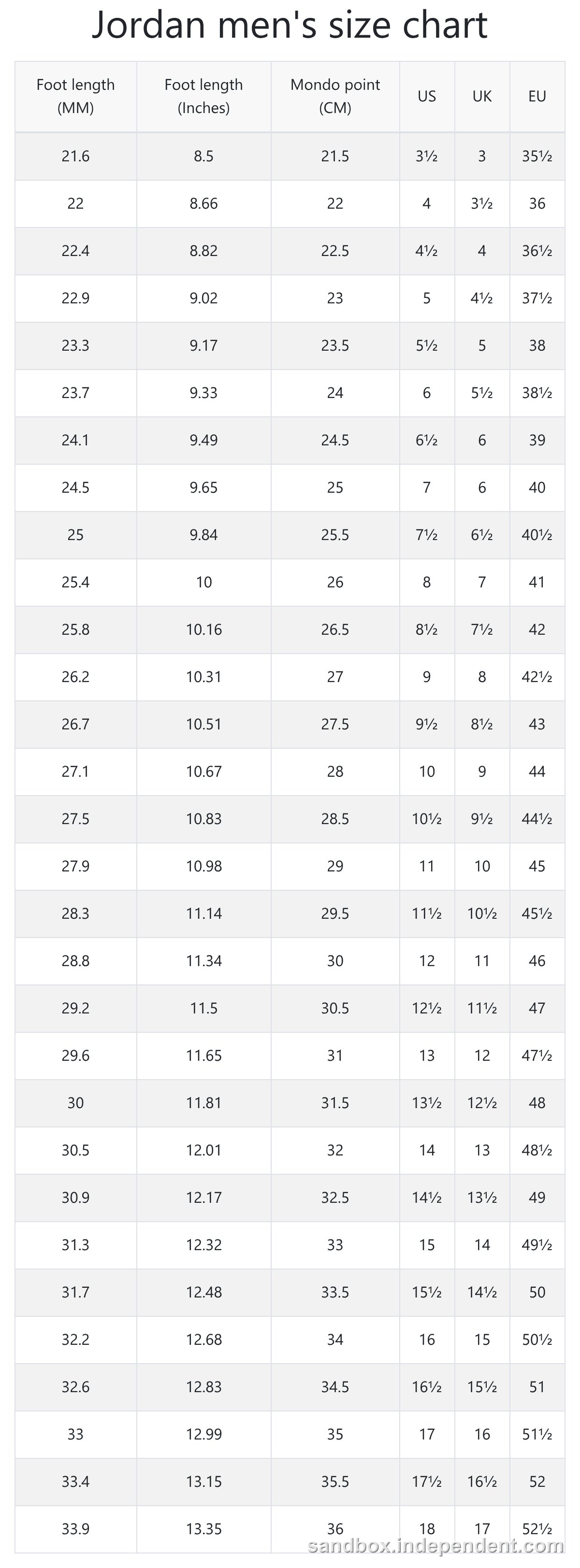
A ski boot size chart is a handy tool for any skier, young or old, and having a printable guide can make all the difference in ensuring a comfortable and enjoyable experience on the slopes. Whether you're a seasoned pro or a beginner, finding the right ski boot size is crucial for your performance and overall comfort. With various printable options at your fingertips, you can easily access a ski boot sizing guide, ensuring you make an informed choice. These charts and templates offer a simple yet effective way to determine the perfect fit, and they're especially beneficial for those who prefer a more tactile approach to planning their ski adventures. The ski boot size chart is a skier's best friend, providing an easy-to-use reference that can be printed and kept close for quick access. It's a practical tool that caters to all skill levels and ages, making ski boot sizing a breeze for everyone.
Creative Reuse Ideas for Your Ski Boot Size Chart
Get the most out of your printable ski boot size chart by thinking beyond single-use. With a few simple adaptations, you can make this chart work for various scenarios, from group activities to individual reference tools. One clever idea is to print multiple copies, each with a different color-coding system. Assign each child or group member a unique color, and use it to highlight their ski boot size and any relevant notes. This visual cue makes it easy to quickly identify each person's size, especially when working with a large group. For a more permanent solution, consider printing the chart on adhesive paper and sticking it to a durable surface, like a clipboard or a magnetic board. This way, you can easily write and erase notes without worrying about damaging the chart itself.
Print Setup and Customization Tips
Before hitting print, take a moment to review your printer settings and consider any adjustments you might need. If you're using a home printer, check the ink levels and ensure the paper tray is loaded correctly. For best results, use a high-quality printer with good ink coverage and minimal bleed-through. When it comes to paper choice, consider the intended use. If you plan to reuse the chart or display it prominently, opt for thicker cardstock or photo paper for durability and a more polished look. For quick, temporary use, regular copy paper is perfectly fine. You can also experiment with resizing options to fit your needs. Try printing at 85% or choosing an A5 half-letter size for a more compact, portable option.
Troubleshooting Common Print Issues
No matter how carefully you plan, printing can sometimes present challenges. One common issue is ink bleed, especially when using thinner paper. To minimize this, consider adjusting your printer settings to a higher-quality mode or using a slower print speed. If you're dealing with cramped writing space, especially when adding notes, try printing at a slightly larger scale or choosing a layout with more generous margins. To avoid cutting off the border or important details, ensure your printer is set up to print with correct margins, especially if you plan to punch holes for binding or hanging. Most printers have a default margin setting, but you can adjust this in your printer settings if needed.
Real-Life Applications: Why This Printable Format Works
The ski boot size chart is a versatile tool that fits seamlessly into various routines and scenarios. For parents and teachers, it's an invaluable reference for ensuring kids have the right-sized ski boots, especially when outfitting a group. It provides a quick, visual way to confirm sizes and avoid costly mistakes. The chart also serves as a handy reminder for beginners, helping them quickly identify their size and feel more confident when selecting gear. For ski shops and rental centers, this chart can be a valuable addition to customer service, providing a quick reference for staff and ensuring customers leave with the perfect fit.
Layout Styles: Minimalist vs. Detailed, Lined vs. Blank
When choosing a layout, consider the level of detail and the intended use. A minimalist, lined chart works well for quick reference and basic size identification. It's simple, easy to read, and perfect for beginners or as a backup reference. For more detailed notes and personalized adjustments, a more comprehensive layout with larger writing spaces and additional fields is ideal. This style accommodates specific fit preferences, foot measurements, and other relevant details. If you're working with kids, a fun, colorful layout with age-appropriate illustrations can make the chart more engaging and help younger users identify their size more easily.
Organizing and Displaying Your Finished Sheets
Once you've printed and used your ski boot size chart, it's important to consider how to store or display it effectively. If you've printed multiple copies for a group, consider binding them together with a simple comb binding or spiral binding. This keeps the pages together and allows for easy reference and reuse. For individual charts, a simple paper clip or a binder clip works well to keep the sheet secure and ready for use. If you've printed on adhesive paper, simply stick it to a clipboard or a magnetic surface for quick access. For long-term storage, consider filing the chart in a labeled folder or binder, especially if you plan to update or reference it over time.
"A simple adjustment, a world of difference - that's the magic of customizing your print settings! If you're keen on more printable adventures, our site has you covered with a range of templates to explore."
Related: Baby Poop Chart: A Simple Guide to Understanding
A baby poop chart is a handy tool for parents, offering a simple visual guide to understanding your little one's nappy business. This guide will give you the lowdown on how to interpret these charts and what they can tell you about your baby's health and diet. From meconium to breast milk poop and formula poop, we'll cover it all, ensuring you know what to look for and when to seek advice.
Understanding the Baby Poop Chart: A Quick Overview
The baby poop chart is a handy tool for parents to understand their little one's digestion and health. It provides a visual guide to help identify normal and abnormal poop patterns, ensuring you can spot any potential issues early on. This chart is a simple yet effective way to track your baby's progress and keep an eye on their overall well-being.
Comparing Poop Patterns: Typical and Not-So-Typical
The baby poop chart typically categorizes poop based on its color, consistency, and frequency. These categories help parents understand what's considered normal for a newborn and what might indicate an issue. For instance, a green, seedy poop with a paste-like consistency could be a sign of a healthy breastfed baby, while a hard, dry poop might indicate constipation. It's important to note that these categories can vary slightly depending on the baby's age, diet, and individual factors.
How to Use the Baby Poop Chart: A Step-by-Step Guide
Using the baby poop chart is straightforward:
- Observe your baby's poop and note its color, consistency, and frequency.
- Refer to the chart and match these observations to the corresponding category.
- The chart will provide guidance on whether the poop pattern is typical or a cause for concern.
- If you're unsure or notice any significant deviations, consult a healthcare professional for further advice.
Avoiding Misinterpretations: Common Pitfalls and How to Avoid Them
While the baby poop chart is a valuable tool, it's essential to use it correctly to avoid misinterpretations. Here are some common mistakes to watch out for:
- Overlooking individual variations: Every baby is unique, and their poop patterns can differ. Don't panic if your baby's poop doesn't exactly match the chart; it's normal for there to be some variation.
- Ignoring other symptoms: The chart focuses on poop, but it's crucial to consider other symptoms your baby might be displaying. For instance, a change in poop color could be a sign of an infection, so look for other indicators like fever or unusual behavior.
- Relying solely on the chart: While the chart provides a great guide, it's not a substitute for professional medical advice. If you have concerns, always consult a healthcare provider.
Key Factors Affecting Accuracy and Real-World Use
When using the baby poop chart, keep these factors in mind:
- Age: A baby's poop patterns can change as they grow and develop. The chart may need to be interpreted differently for newborns, infants, and toddlers.
- Diet: Breast milk, formula, and solid foods can all impact poop consistency and color. Be mindful of any dietary changes and their potential effects.
- Health conditions: Certain health issues can affect poop patterns. For example, jaundice might cause a change in poop color.
- Medications: Some medications can alter poop consistency and frequency. Always read the side effects and consult a doctor if you notice any changes.
Remember, the baby poop chart is a helpful tool, but it's just one piece of the puzzle. Stay vigilant, trust your instincts, and seek professional advice when needed.
So, there you have it, a handy guide to navigating the world of baby poop charts. It's a simple yet effective tool to have in your parenting toolkit. Remember, while these charts provide a general guide, every baby is unique, so always consider your specific circumstances and consult with healthcare professionals if needed.
Feel free to explore our other resources on related topics. We've got you covered with practical tips and insights to make parenting a little easier and more enjoyable. Happy reading and here's to healthy, happy babies!
Related: Jobs Hiring Construction Simple Guide for Builders
I've got a friend who's been looking for work in jobs hiring construction, and it got me thinking about how many people are out there searching for these roles. So, I decided to look into it and share what I found.
Construction Jobs: What's Out There?
When you hear jobs hiring construction, you might think of the big-name building companies, but there's a whole lot more to it than that. Construction covers a massive range of roles, from general contractors to specialized trades like plumbing or electrical work. It's not just about building new stuff, either; remodeling and home renovation are huge parts of the industry.
So, what does this mean for job seekers? Well, there are plenty of opportunities, but it's not always easy to know where to look or what to ask. Let's break it down.
Finding the Right Role
First, consider the type of work you want to do. Are you more interested in the hands-on side of construction, like carpentry or bricklaying? Or do you prefer the planning and management side, perhaps as a project coordinator or estimator? The great thing about construction is that there are roles for all kinds of skills and interests.
Once you've got an idea of the type of work you want, it's time to start looking. Online job boards are a good place to start, but don't forget about local companies and smaller businesses. They might not always advertise roles online, so it's worth giving them a call or popping in to see if they're hiring.
Hiring a Contractor: What to Look For
If you're on the other side of the fence and need to hire a contractor for a project, there are a few things to keep in mind. First, get quotes from several companies. This will give you an idea of the going rate and help you spot any outliers.
When comparing quotes, look beyond the price. Check the scope of the work, the materials and labor included, and the timeline. A cheaper quote might not be the best value if it excludes key elements or takes much longer to complete.
Company Names and Branding
For those starting their own construction business, choosing a name is a big deal. It needs to be memorable, reflect your services, and stand out from the competition. Some examples of catchy construction company names include:
- Build-it-Right
- Hammer Down Solutions
- Pro-Fit Renovations
- Crafted Spaces
- Blue Collar Builders
Before settling on a name, check its availability for registration and domain purchase. You don't want to get too far down the line only to find out someone else has already taken the name.
Industry Tools and Data
Construction professionals often use tools like RSMeans to estimate costs and track escalation. These databases provide valuable data on labor and material costs, helping contractors and companies price their services accurately.
While these tools are great, they're just a starting point. Local conditions, permit requirements, and the scope of your project will all impact the final cost. Always get several quotes and compare them carefully.
Wrapping Up
There's a lot to uncover when you start looking into jobs hiring construction. Whether you're seeking work or hiring a contractor, it's a complex but rewarding industry. I hope this has given you some useful insights and ideas to get you started. Happy job hunting, and good luck with those projects!