



Printable Wedding Planner Guide Book Overview
A ski boot size chart is a handy tool for any skier, young or old, and having a printable guide can make all the difference in ensuring a comfortable and enjoyable experience on the slopes. Whether you're a seasoned pro or a beginner, finding the right ski boot size is crucial for your performance and overall comfort. With various printable options at your fingertips, you can easily access a ski boot sizing guide, ensuring you make an informed choice. These charts and templates offer a simple yet effective way to determine the perfect fit, and they're especially beneficial for those who prefer a more tactile approach to planning their ski adventures. The ski boot size chart is a skier's best friend, providing an easy-to-use reference that can be printed and kept close for quick access. It's a practical tool that caters to all skill levels and ages, making ski boot sizing a breeze for everyone.
Creative Reuse Ideas for Your Ski Boot Size Chart
Get the most out of your printable ski boot size chart by thinking beyond single-use. With a few simple adaptations, you can make this chart work for various scenarios, from group activities to individual reference tools. One clever idea is to print multiple copies, each with a different color-coding system. Assign each child or group member a unique color, and use it to highlight their ski boot size and any relevant notes. This visual cue makes it easy to quickly identify each person's size, especially when working with a large group. For a more permanent solution, consider printing the chart on adhesive paper and sticking it to a durable surface, like a clipboard or a magnetic board. This way, you can easily write and erase notes without worrying about damaging the chart itself.
Print Setup and Customization Tips
Before hitting print, take a moment to review your printer settings and consider any adjustments you might need. If you're using a home printer, check the ink levels and ensure the paper tray is loaded correctly. For best results, use a high-quality printer with good ink coverage and minimal bleed-through. When it comes to paper choice, consider the intended use. If you plan to reuse the chart or display it prominently, opt for thicker cardstock or photo paper for durability and a more polished look. For quick, temporary use, regular copy paper is perfectly fine. You can also experiment with resizing options to fit your needs. Try printing at 85% or choosing an A5 half-letter size for a more compact, portable option.
Troubleshooting Common Print Issues
No matter how carefully you plan, printing can sometimes present challenges. One common issue is ink bleed, especially when using thinner paper. To minimize this, consider adjusting your printer settings to a higher-quality mode or using a slower print speed. If you're dealing with cramped writing space, especially when adding notes, try printing at a slightly larger scale or choosing a layout with more generous margins. To avoid cutting off the border or important details, ensure your printer is set up to print with correct margins, especially if you plan to punch holes for binding or hanging. Most printers have a default margin setting, but you can adjust this in your printer settings if needed.
Real-Life Applications: Why This Printable Format Works
The ski boot size chart is a versatile tool that fits seamlessly into various routines and scenarios. For parents and teachers, it's an invaluable reference for ensuring kids have the right-sized ski boots, especially when outfitting a group. It provides a quick, visual way to confirm sizes and avoid costly mistakes. The chart also serves as a handy reminder for beginners, helping them quickly identify their size and feel more confident when selecting gear. For ski shops and rental centers, this chart can be a valuable addition to customer service, providing a quick reference for staff and ensuring customers leave with the perfect fit.
Layout Styles: Minimalist vs. Detailed, Lined vs. Blank
When choosing a layout, consider the level of detail and the intended use. A minimalist, lined chart works well for quick reference and basic size identification. It's simple, easy to read, and perfect for beginners or as a backup reference. For more detailed notes and personalized adjustments, a more comprehensive layout with larger writing spaces and additional fields is ideal. This style accommodates specific fit preferences, foot measurements, and other relevant details. If you're working with kids, a fun, colorful layout with age-appropriate illustrations can make the chart more engaging and help younger users identify their size more easily.
Organizing and Displaying Your Finished Sheets
Once you've printed and used your ski boot size chart, it's important to consider how to store or display it effectively. If you've printed multiple copies for a group, consider binding them together with a simple comb binding or spiral binding. This keeps the pages together and allows for easy reference and reuse. For individual charts, a simple paper clip or a binder clip works well to keep the sheet secure and ready for use. If you've printed on adhesive paper, simply stick it to a clipboard or a magnetic surface for quick access. For long-term storage, consider filing the chart in a labeled folder or binder, especially if you plan to update or reference it over time.
"A simple adjustment, a world of difference - that's the magic of customizing your print settings! If you're keen on more printable adventures, our site has you covered with a range of templates to explore."
Related: Understand Tread Depth Chart: A Simple Guide
A tread depth chart is a handy tool for anyone wanting to keep an eye on their tire health. It's a simple yet effective way to visualize and understand the wear and tear of your tires. This guide will show you how to read and interpret these charts, ensuring you can quickly identify when it's time to replace your tires.
The chart provides a clear indication of tire tread depth, often using visual aids or measurements, which can vary depending on the type of vehicle and region. It's an essential reference for keeping your vehicle safe and road-worthy, and we'll cover all you need to know to use it effectively.
Understanding Tread Wear: What's the Deal with Tread Depth Charts?
Tread depth charts are your go-to guides for keeping an eye on your tire's health. They show you the wear and tear of your tires, helping you stay safe and avoid unexpected breakdowns. These charts are like a map, guiding you through the life of your tires.
Comparing the Standards: Metric vs. Imperial
When it comes to tread depth charts, you'll often find two main standards: metric and imperial. The metric system, used internationally, measures tread depth in millimeters (mm). On the other hand, the imperial system, common in the US, uses inches. So, depending on where you are or the manufacturer's specifications, you'll need to know which standard to follow.
Reading Tread Depth: A Step-by-Step Guide
Using a tread depth chart is simple once you know how. Here's a quick guide:
- Find the right chart for your tire's specifications. This could be based on the tire's make, model, or the standard (metric or imperial) it follows.
- Locate the tread wear indicator bars on your tire. These are usually small raised bars across the tread pattern.
- Compare the depth of the tread grooves to the indicator bars. If the tread is level with or below the bars, it's time to consider replacing the tire.
- Check the tread depth chart for the corresponding depth measurement. This will give you an idea of how much tread life is left and whether it meets legal requirements.
Common Tread Depth Issues and How to Avoid Them
While tread depth charts are straightforward, there are a few potential pitfalls to watch out for:
- Tire rotation can affect tread wear patterns. Regularly rotating your tires according to the manufacturer's recommendations will help ensure even wear and a more accurate reading.
- Environmental factors like road conditions and driving habits can also impact tread wear. Be aware of these variables when interpreting your tread depth chart.
- Always double-check the specifications for your specific tire make and model. While tread depth charts provide a general guide, exact tolerances may vary.
Remember, staying on top of your tire's tread depth is crucial for safety and performance. By understanding and correctly using the tread depth chart, you can ensure your tires are always in top shape!
Hey there, tread depth chart enthusiasts! We hope you found this guide helpful and that it sheds some light on this practical reference tool. Remember, the specifics might differ slightly, as there are various standards and formats out there, so it's always good to double-check the source and your particular needs.
Feel free to explore our other guides; we've got plenty of practical tips and tricks to offer. Happy learning, and stay tuned for more!
Related: French Door Installation Cost Easy Guide
I was browsing home improvement ideas online when I stumbled upon the phrase "french door installation cost." It got me thinking about how much it would cost to install those elegant, wide-opening doors in my own home. So, I decided to do some research and share my findings with fellow homeowners.
Understanding French Door Installation Costs
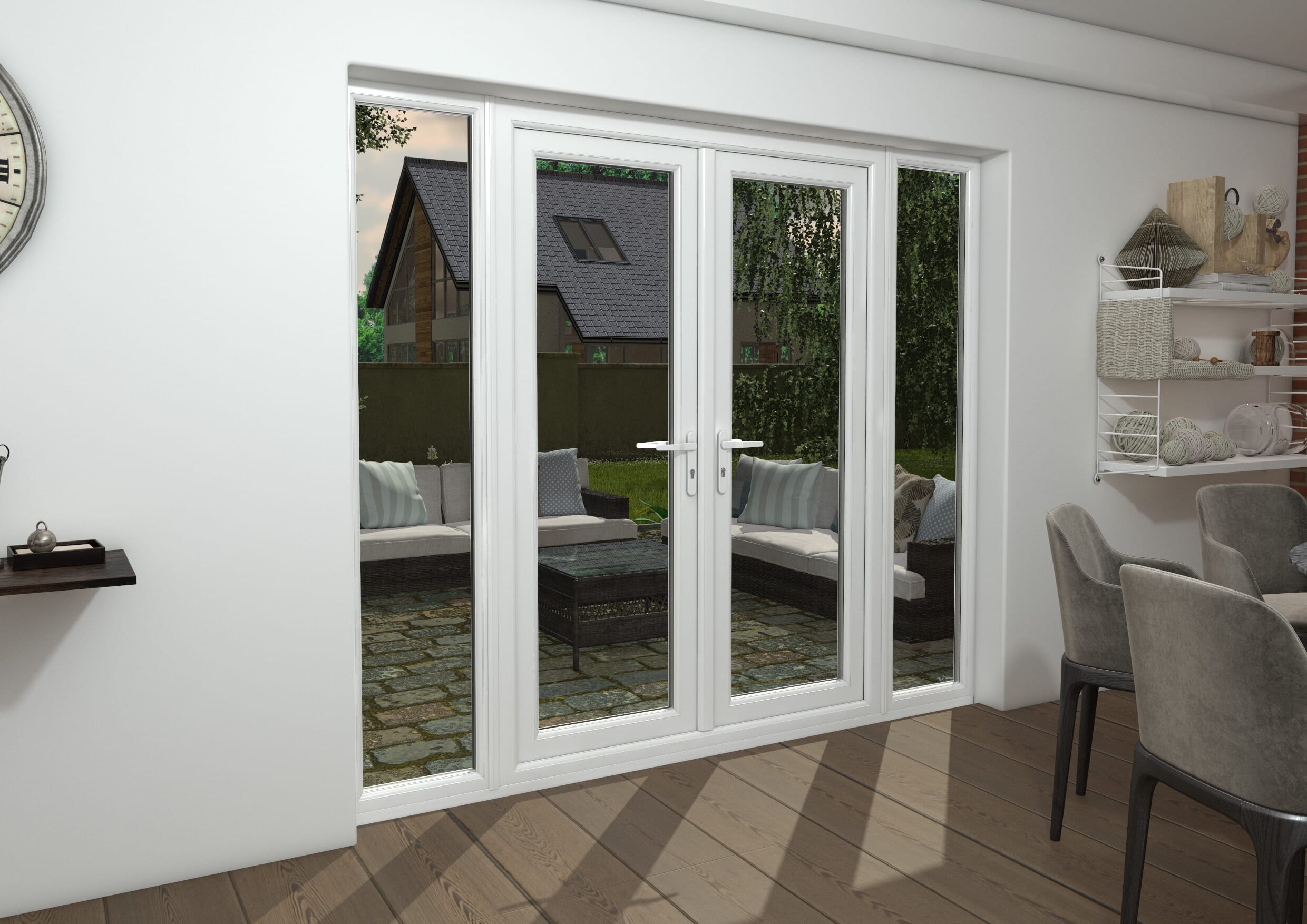
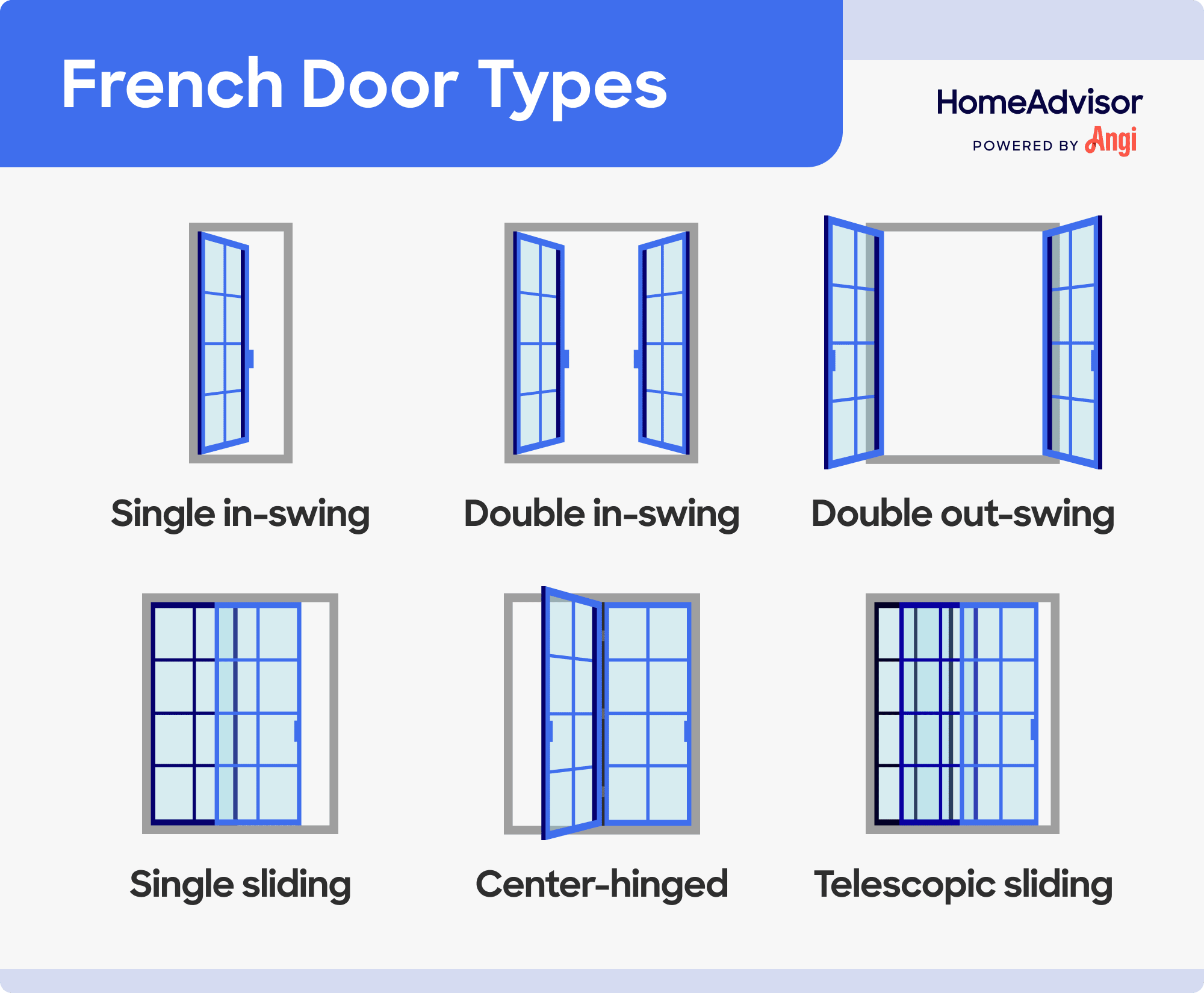
When it comes to installing French doors, there are a few key factors that can influence the overall cost. Firstly, the size and style of the doors themselves play a significant role. French doors come in various materials, including wood, fiberglass, and vinyl, each with its own price range. The size of the opening and the number of doors you need will also impact the final cost.
Another major factor is the labor involved. Installing French doors requires skilled labor, and the complexity of the job can vary. If the installation is straightforward, with no major structural changes needed, the labor costs will likely be lower. However, if additional work is required, such as modifying the door frame or making adjustments to the surrounding walls, the labor costs will increase accordingly.
Getting Quotes and Comparing Prices
To get an accurate idea of the french door installation cost, it's essential to obtain quotes from multiple contractors or remodeling companies. When requesting quotes, be sure to provide detailed information about your project, including the size and style of doors you want, the current state of your door frame, and any specific requirements or preferences you have.
When comparing quotes, look beyond the bottom line. Consider the reputation and experience of the companies, their warranties and guarantees, and the level of detail provided in their quotes. A comprehensive quote should include a breakdown of costs, covering materials, labor, and any additional expenses like permits or disposal fees.
Choosing a Contractor or Company
Selecting the right contractor or company for your French door installation is crucial. Here are a few tips to help you make an informed decision:
- Check their credentials and licensing. Ensure they are properly licensed and insured for the work they will be performing.
- Ask for references and read online reviews. Previous customers' experiences can provide valuable insights.
- Inquire about their experience with French door installations. Ask to see examples of their work and how they handle potential issues or challenges.
- Get a clear understanding of their warranty and guarantee policies. This will give you peace of mind in case any issues arise after the installation.
Company Names and Naming Ideas
When it comes to naming a construction or remodeling business, simplicity and clarity are often best. A name should reflect the services offered and be easy to remember. Here are a few original name ideas for construction companies:
- BuildCraft
- HomeCrafters
- Structure Solutions
- Renovate & Revive
- DoorWay Innovations
- Framing Future
Remember to check the availability of the name, domain, and local registration before finalizing your choice.
Wrapping Up
Understanding the factors that influence french door installation cost and taking the time to research and compare quotes will help you make an informed decision. Whether you're looking to enhance your home's curb appeal or improve functionality, French doors can be a beautiful addition. So, take that first step, gather some quotes, and start planning your home improvement project!