

Printable Worksheets Subtraction Overview
A ski boot size chart is a handy tool for any skier, young or old, and having a printable guide can make all the difference in ensuring a comfortable and enjoyable experience on the slopes. Whether you're a seasoned pro or a beginner, finding the right ski boot size is crucial for your performance and overall comfort. With various printable options at your fingertips, you can easily access a ski boot sizing guide, ensuring you make an informed choice. These charts and templates offer a simple yet effective way to determine the perfect fit, and they're especially beneficial for those who prefer a more tactile approach to planning their ski adventures. The ski boot size chart is a skier's best friend, providing an easy-to-use reference that can be printed and kept close for quick access. It's a practical tool that caters to all skill levels and ages, making ski boot sizing a breeze for everyone.
Creative Reuse Ideas for Your Ski Boot Size Chart
Get the most out of your printable ski boot size chart by thinking beyond single-use. With a few simple adaptations, you can make this chart work for various scenarios, from group activities to individual reference tools. One clever idea is to print multiple copies, each with a different color-coding system. Assign each child or group member a unique color, and use it to highlight their ski boot size and any relevant notes. This visual cue makes it easy to quickly identify each person's size, especially when working with a large group. For a more permanent solution, consider printing the chart on adhesive paper and sticking it to a durable surface, like a clipboard or a magnetic board. This way, you can easily write and erase notes without worrying about damaging the chart itself.
Print Setup and Customization Tips
Before hitting print, take a moment to review your printer settings and consider any adjustments you might need. If you're using a home printer, check the ink levels and ensure the paper tray is loaded correctly. For best results, use a high-quality printer with good ink coverage and minimal bleed-through. When it comes to paper choice, consider the intended use. If you plan to reuse the chart or display it prominently, opt for thicker cardstock or photo paper for durability and a more polished look. For quick, temporary use, regular copy paper is perfectly fine. You can also experiment with resizing options to fit your needs. Try printing at 85% or choosing an A5 half-letter size for a more compact, portable option.
Troubleshooting Common Print Issues
No matter how carefully you plan, printing can sometimes present challenges. One common issue is ink bleed, especially when using thinner paper. To minimize this, consider adjusting your printer settings to a higher-quality mode or using a slower print speed. If you're dealing with cramped writing space, especially when adding notes, try printing at a slightly larger scale or choosing a layout with more generous margins. To avoid cutting off the border or important details, ensure your printer is set up to print with correct margins, especially if you plan to punch holes for binding or hanging. Most printers have a default margin setting, but you can adjust this in your printer settings if needed.
Real-Life Applications: Why This Printable Format Works
The ski boot size chart is a versatile tool that fits seamlessly into various routines and scenarios. For parents and teachers, it's an invaluable reference for ensuring kids have the right-sized ski boots, especially when outfitting a group. It provides a quick, visual way to confirm sizes and avoid costly mistakes. The chart also serves as a handy reminder for beginners, helping them quickly identify their size and feel more confident when selecting gear. For ski shops and rental centers, this chart can be a valuable addition to customer service, providing a quick reference for staff and ensuring customers leave with the perfect fit.
Layout Styles: Minimalist vs. Detailed, Lined vs. Blank
When choosing a layout, consider the level of detail and the intended use. A minimalist, lined chart works well for quick reference and basic size identification. It's simple, easy to read, and perfect for beginners or as a backup reference. For more detailed notes and personalized adjustments, a more comprehensive layout with larger writing spaces and additional fields is ideal. This style accommodates specific fit preferences, foot measurements, and other relevant details. If you're working with kids, a fun, colorful layout with age-appropriate illustrations can make the chart more engaging and help younger users identify their size more easily.
Organizing and Displaying Your Finished Sheets
Once you've printed and used your ski boot size chart, it's important to consider how to store or display it effectively. If you've printed multiple copies for a group, consider binding them together with a simple comb binding or spiral binding. This keeps the pages together and allows for easy reference and reuse. For individual charts, a simple paper clip or a binder clip works well to keep the sheet secure and ready for use. If you've printed on adhesive paper, simply stick it to a clipboard or a magnetic surface for quick access. For long-term storage, consider filing the chart in a labeled folder or binder, especially if you plan to update or reference it over time.
"A simple adjustment, a world of difference - that's the magic of customizing your print settings! If you're keen on more printable adventures, our site has you covered with a range of templates to explore."
Related: How to use a youth sizing chart?
A youth sizing chart is a handy tool to have when shopping for kids' clothes and shoes. This guide will show you how to navigate these charts with ease, ensuring you get the right fit every time.
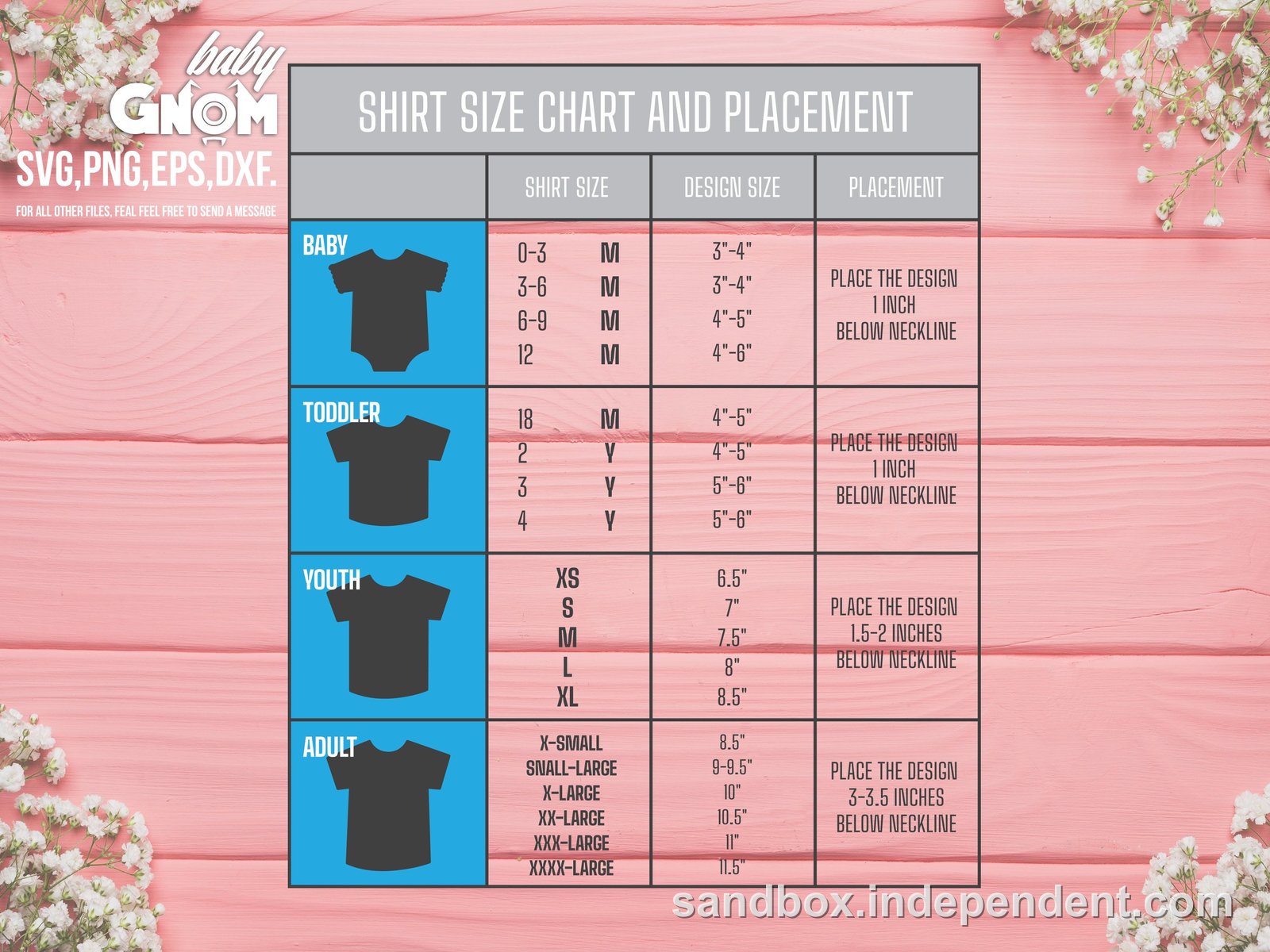
These charts are a quick reference, offering standard youth measurements to help you find the perfect size. While values may vary slightly by brand and region, they provide a reliable starting point. You'll find clothing size charts, shoe size guides, and even a head circumference guide, all designed to make sizing a breeze!
Understanding the Youth Sizing Chart
The youth sizing chart is your go-to guide for finding the perfect fit for kids' clothing and shoes. It's a simple yet powerful tool that helps you navigate the world of sizing, ensuring your little ones look and feel their best.
Key Details and Categories
This chart typically includes measurements for height, weight, and sometimes even age. These measurements are divided into categories, often based on age groups or specific size ranges. You'll find units in both centimeters (cm) and inches, so it's essential to know which system you're using. For instance, a child's height might be listed as 122 cm or 48 inches, depending on the standard.
How to Read and Apply the Chart
Using the youth sizing chart is straightforward:
Start by measuring your child's height and weight. If you're unsure, ask a friend or family member to help. It's best to measure in the morning, before any major activities, to get an accurate reading.
Locate the height and weight categories on the chart that match your child's measurements. These categories will often have a range, so find the one that best fits your child's size.
Once you've identified the right category, you'll see a recommended size or a range of sizes. This is the size you should choose when shopping for clothing or shoes.
For clothing, you might see a letter (e.g., S, M, L) or a number (e.g., 6, 8, 10) indicating the size. For shoes, you'll often find a number followed by a width indicator (e.g., 13 M, 1 M).
Variations and Differences
It's important to note that youth sizing charts can vary depending on the standard being used. For instance, a clothing size chart from one brand might not align perfectly with another brand's chart. This is especially true when comparing international sizing standards. Additionally, some charts might be more detailed, including measurements for head circumference or chest size, which can further refine the fit.
Common Mistakes and How to Avoid Them
One of the most common mistakes is not measuring accurately. Always take precise measurements, especially if your child is on the border of two size categories. Another pitfall is assuming that all brands or manufacturers use the same sizing standards. Always double-check the specific kids sizing guide or standard youth measurements provided by the brand or retailer. Lastly, don't forget to consider the material and design of the clothing or shoes. Some items might run larger or smaller than expected, so it's always a good idea to check reviews or ask for recommendations.
Well, that's the lowdown on youth sizing charts! You now have the tools to navigate these charts with ease and ensure a perfect fit for your little ones. Remember, while these charts are a fantastic guide, it's always wise to double-check the specific requirements or standards you're working with.
Feel free to explore our other resources; we've got a range of practical guides to help you tackle various tasks with confidence. Happy sizing and see you around!
Related: Find Your Perfect Fit: vuori size chart guide
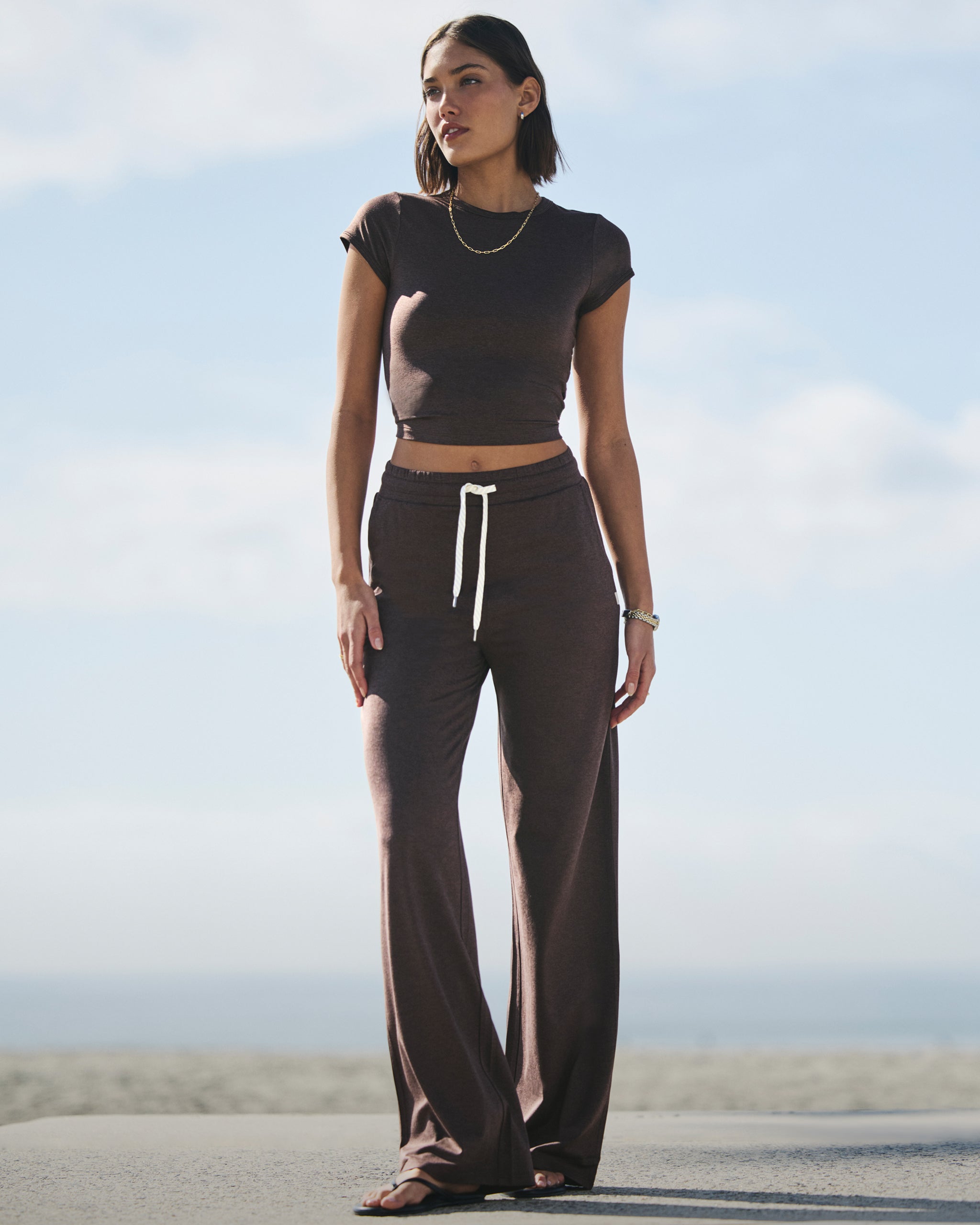
"Vuori size chart" is your trusted companion when shopping for the perfect fit. This guide will walk you through the essentials, ensuring you understand how to navigate and utilize this valuable tool effectively.
The Vuori size chart is a simple yet powerful resource, offering a clear and concise overview of sizing options. It's a quick reference, ensuring you find the right fit for Vuori's activewear and apparel. While standards can vary, this chart provides a reliable starting point for your sizing journey.
Understanding the Vuori Size Chart
The Vuori size chart is a handy tool that helps you find the perfect fit for your activewear. It's a simple guide that ensures you get the right size for your body and the style you want. This chart is a great way to shop with confidence, especially when buying online.
Key Details and Categories
The Vuori size chart covers a range of sizes, typically from extra small to extra large, and sometimes even beyond. It provides measurements for key body parts, such as chest, waist, hips, and inseam length. These measurements are crucial for a comfortable and flattering fit. The chart also includes specific size categories, like small, medium, and large, which are standard across many clothing brands.
Reading and Applying the Chart
Using the Vuori size chart is straightforward. First, locate your usual size based on your height and weight. Then, check the corresponding measurements for chest, waist, and other relevant body parts. Compare these measurements with your own body's dimensions. If you're between sizes, consider going for the larger size for a more relaxed fit, or the smaller size for a more fitted look. It's all about personal preference and the style of the garment.
Size Variations and Differences
It's important to note that size charts can vary slightly between brands and even within a brand's different product lines. Vuori apparel sizing guide may have slight variations depending on the fabric and design of the garment. For instance, a relaxed-fit top might have a looser fit than a more structured jacket, even if they are the same size. Additionally, personal preferences and body types can also influence the fit. Some people prefer a snug fit, while others like a looser, more comfortable feel.
Common Mistakes and How to Avoid Them
One common mistake is relying solely on your usual size without considering the specific measurements. Every brand's size chart can differ, so always refer to the Vuori size chart for accurate sizing. Another pitfall is not measuring yourself correctly. Ensure you measure your body accurately, following the guide's instructions. Lastly, don't forget to consider the style and fit of the garment. Some items are designed to be more fitted, while others are meant to be loose and relaxed.
Tips for a Perfect Fit
To ensure the best fit, always measure yourself before ordering. Use a flexible tape measure and follow the guide's instructions for accurate measurements. If you're unsure, it's a good idea to measure a garment you already own and love the fit of. Compare these measurements with the Vuori size chart to find your ideal size. Remember, the chart is a guide, and personal preferences play a role. If you prefer a looser fit, choose a size up; for a more tailored look, go for a size down.
By following these tips and understanding the Vuori size chart, you'll be able to shop with confidence and enjoy the perfect fit for your activewear. Happy shopping!
Well, there you have it! A size chart can be a handy tool, but it's important to remember that these are general guides, and your personal fit may vary. Always consider your own preferences and the specific garment's style when choosing a size.
So, before you hit the checkout, take a moment to ensure you've got the right measurements and context covered. It's a simple step that can save you time and ensure a perfect fit. And hey, if you need a quick reference in the future, just bookmark this page for easy access!