




Professional Auto Repair Invoice Template Doc Overview
"I've been putting off those house repairs for too long, but I really need to get them done. Time to find a contractor for house repair!"
All About Hiring a Contractor
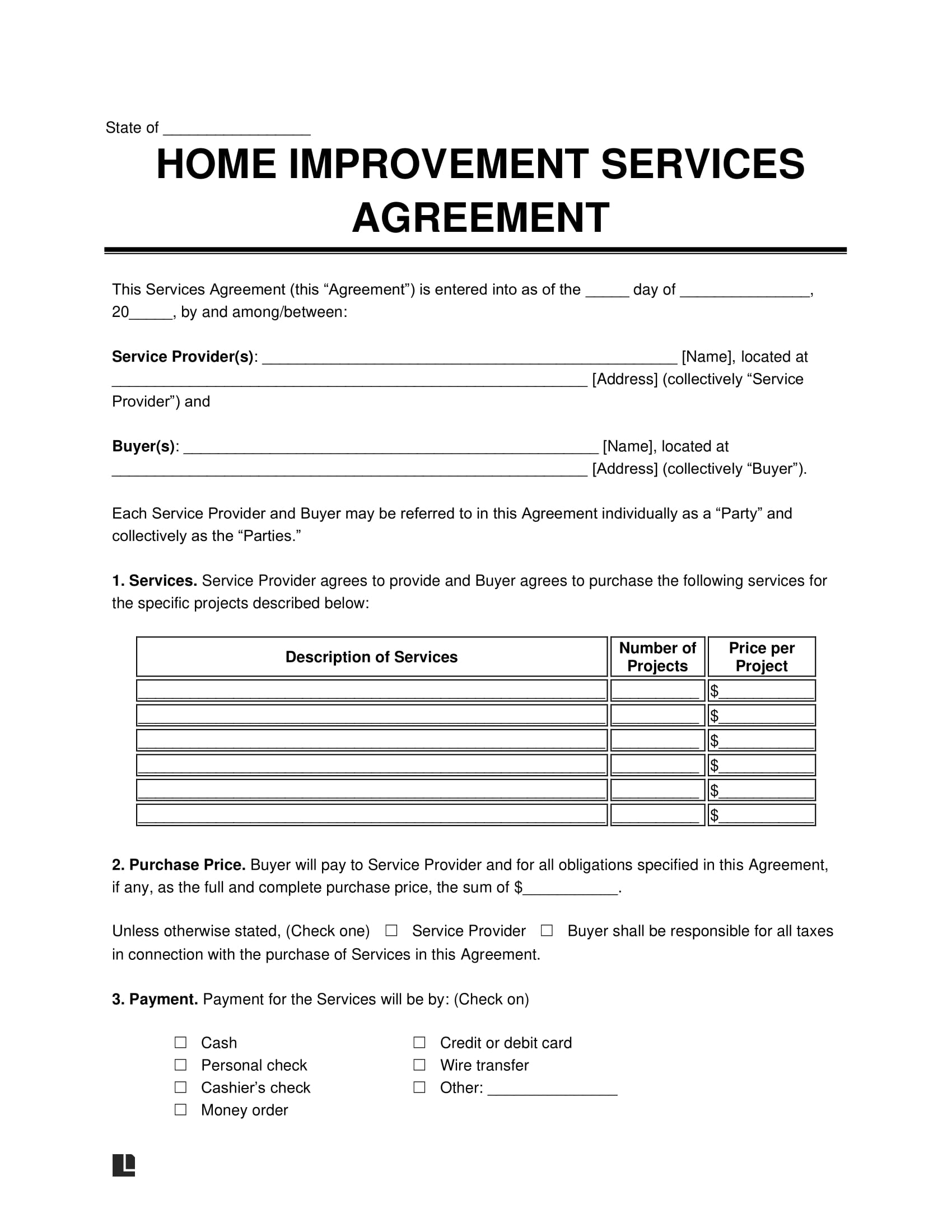
So, you've got some home repairs or renovations on your to-do list, and you're thinking about hiring a contractor to get the job done. It's a big step, and there's a lot to consider. A contractor for house repair can handle all sorts of jobs, from small fixes to major overhauls. They're the experts in construction and remodeling, and they'll have the skills and tools to get your project completed.
When it comes to costs, it's tricky to give an exact figure as it depends on so many factors. The size of the job, the materials needed, and the labor involved will all impact the price. It's a good idea to get quotes from a few different contractors to compare. Look for detailed quotes that break down the costs, so you can see what you're paying for. Don't just go for the cheapest option; consider the quality of the work and the contractor's reputation too.
Finding and Choosing the Right Contractor
There are lots of contractors and building companies out there, so how do you find the right one? Word of mouth is a great way to start - ask friends or family for recommendations. You can also search online for local contractors and read reviews to get an idea of their work. When you've found a few potential contractors, give them a call or send an email to ask some initial questions.
Find out about their experience and the types of projects they typically work on. Ask about their availability and how long they estimate the job will take. It's also worth asking about any potential extra costs or unexpected issues that might arise during the work. A good contractor will be transparent and give you an honest assessment.
Naming Your Construction Business
If you're thinking of starting your own construction business, you'll need a great name. The name should be memorable and reflect the nature of your work. It might include words like 'build', 'repair', 'remodel', or 'renovate'. It could also be a play on your own name or a unique combination of words. Here are a few ideas:
- Build-It-Better
- Renovate Right
- Fix-It-Fast
- Home Remedy
- Construction Solutions
- The Repair Crew
Remember to check the availability of the name you choose. You'll need to register it locally and secure the domain name for your website.
The Construction Industry and You
The construction industry offers a range of jobs, from general contractors and estimators to specialized roles like plumbers, electricians, and carpenters. If you're looking for work, these roles are often advertised online or through local recruitment agencies. The industry is always in need of skilled workers, so it's a great field to get into.
Estimators, for example, play a crucial role in construction. They use tools like RSMeans to calculate the costs of materials and labor for a project. It's a detailed and important job, and estimators are in high demand.
Big Companies and the Industry Outlook
The construction industry is made up of a mix of small, medium, and large companies. The bigger firms often have more resources and can take on larger, more complex projects. They might have a wider range of specialized staff and more advanced tools and equipment.
However, smaller companies can offer a more personalized service and often have a strong local reputation. It's a competitive industry, and companies of all sizes are always looking for ways to stand out and offer the best service.
So, there you have it! A contractor for house repair is a great option for getting those home improvements done. It's an exciting step, and with the right contractor, you'll be enjoying your renovated space in no time.
Related: How to Access Your Avera Chart Login?
"Avera Chart Login" is a handy tool for accessing your health records and managing your medical information. This guide will walk you through the process, ensuring you can navigate this resource with ease.
The Avera Chart Login system is a secure gateway to your personal health data. It offers a straightforward way to view and manage your records, and it's a great resource for staying on top of your healthcare journey. You can access your Avera medical records, view test results, and even connect with healthcare providers through the patient portal. It's a simple, yet powerful, way to take control of your health information.
Understanding Your Avera Chart Login
The Avera Chart Login is your gateway to accessing and managing your personal health records through the Avera Health system. It's like having a digital health companion, giving you control over your medical information and providing a clear overview of your health journey.
Key Details and Prerequisites
Before diving into the chart, it's essential to know a few key details. The Avera Chart Login typically displays information in a table format, with rows representing different health parameters and columns showing the corresponding values. You'll find categories such as vital signs (like blood pressure and heart rate), lab results, medications, allergies, and more. Each category has its own set of units and measurements, which are standardized for accuracy.
Navigating the Portal: A Step-by-Step Guide
Accessing and reading your Avera Chart Login is straightforward:
- Visit the Avera Health website and locate the "Avera Chart Login" or "Avera MyChart" section.
- Enter your username and password. If you're a new user, you'll need to create an account first.
- Once logged in, you'll see an overview of your health records.
- To explore specific categories, click on the relevant tabs or use the search function.
- When viewing a category, pay attention to the units and ranges. For example, blood pressure is typically measured in mmHg (millimeters of mercury), and normal ranges are usually indicated.
- For lab results, understand the reference ranges provided. These ranges are specific to the test and can vary based on factors like age and gender.
- If you have any questions or concerns, the portal often provides tooltips or additional information icons to clarify certain values or categories.
Variations and Differences: Why They Happen
It's important to note that health charts, including the Avera Chart Login, can vary based on several factors. These variations ensure accuracy and relevance to your specific health situation:
- Age: Reference ranges for various health parameters often differ for children, adults, and the elderly.
- Gender: Some health indicators, like certain lab results, can vary between males and females.
- Medical Conditions: Pre-existing conditions or recent illnesses can impact your health readings and their interpretation.
- Lifestyle Factors: Diet, exercise, and other lifestyle choices can influence your health metrics.
- Time of Day: Certain readings, like blood pressure, can vary throughout the day.
Common Mistakes and How to Avoid Them
To ensure you're using your Avera Chart Login accurately, watch out for these common mistakes:
- Misinterpreting Reference Ranges: Understand that reference ranges are guidelines, and your results might fall outside these ranges without being cause for concern. Discuss any anomalies with your healthcare provider.
- Ignoring Units: Always pay attention to the units of measurement. For instance, weight can be recorded in pounds or kilograms, and the difference matters.
- Assuming Consistency: Health metrics can fluctuate, so don't assume your results will always be the same. Regular monitoring provides a more accurate picture.
Practical Tips for Accurate Results
Here are some tips to make the most of your Avera Chart Login:
- Customize Your Chart: Personalize your chart by adding or removing categories based on your specific health needs.
- Set Reminders: Use the portal's reminder function to stay on top of upcoming appointments, medication refills, or lab tests.
- Share with Your Provider: Discuss your chart with your healthcare provider to ensure they have a complete picture of your health.
- Stay Informed: Regularly review your chart to stay informed about your health status and any changes.
Double-Checking and Handling Exceptions
While the Avera Chart Login provides a comprehensive overview, it's always a good idea to double-check certain details, especially when:
- Dealing with Critical Values: If a health parameter falls significantly outside the reference range, verify the result with your healthcare provider.
- New Diagnoses or Treatments: When starting a new medication or treatment, confirm any expected changes in your health metrics with your doctor.
- Unusual Symptoms: If you experience unusual symptoms, compare your chart data with your symptoms to identify any potential correlations.
Remember, your Avera Chart Login is a powerful tool for managing your health, but it's always best to consult with healthcare professionals for personalized advice and guidance.
Well, that's a wrap on our Avera Chart Login guide! You should now feel confident in understanding the basics, reading the chart, and avoiding common pitfalls. Remember, every context is unique, so be sure to check your specific requirements and double-check the values and units to ensure accuracy.
We've covered a lot of ground, but there's always more to explore. If you're keen to dive deeper into related topics, feel free to browse our other guides and resources. They're a great way to expand your knowledge and keep your skills sharp!
Related: Understand Teeth Color Chart: A Quick Guide
A teeth color chart is a handy tool for anyone seeking a quick and accurate way to assess and match tooth shades. This guide will walk you through the basics, covering what these charts are and how to use them effectively.
These charts, often in the form of a simple table or visual guide, provide a reference for tooth shade comparison. While the specific values and formats may vary, the concept remains the same: an easy-to-read resource for dental shade matching.
What is a Teeth Color Chart?
A teeth color chart is a visual guide that helps dental professionals and patients understand and communicate tooth shade accurately. It provides a standardized reference for comparing and matching tooth colors, ensuring consistency in dental procedures and treatments.
Key Details and Categories
The chart typically consists of a range of tooth shades, often organized in a grid or tabulated format. Each shade is represented by a unique code or label, making it easy to identify and communicate. The shades are usually based on a recognized standard, such as the Vitapan Classical Shade Guide, which is widely used in dentistry. This guide categorizes tooth colors into various groups, with each group further divided into sub-shades, providing a comprehensive and precise color reference.
Reading and Applying the Teeth Color Chart
To use the teeth color chart effectively, follow these steps:
- Prepare the teeth for shade matching by cleaning and drying them thoroughly. Natural light or specialized lighting can enhance color accuracy.
- Compare the patient's teeth with the shades on the chart. Hold the chart close to the teeth and observe the color match.
- Identify the closest shade match. Consider the overall color and any subtle variations.
- Confirm the shade with the patient and document it for future reference.
- Repeat the process for multiple teeth if needed, ensuring consistency across the dental arch.
Understanding Shade Variations
Shade variations can occur due to several factors. Natural tooth color can differ based on genetics, age, and lifestyle factors like diet and oral hygiene. External factors like staining from food, drinks, or tobacco can also impact tooth color. Additionally, lighting conditions and the observer's perception can influence shade matching. It's essential to consider these variables when using a teeth color chart to ensure accurate results.
Common Mistakes and How to Avoid Them
When working with a teeth color chart, it's crucial to avoid these common pitfalls:
- Relying solely on memory: Always refer to the chart for an accurate shade match. Avoid guessing or relying on past experiences.
- Inconsistent lighting: Ensure consistent lighting conditions to minimize errors. Natural daylight or specialized dental lighting is recommended.
- Neglecting patient feedback: Involve the patient in the shade selection process. Their perception and feedback are valuable for an accurate match.
- Overlooking oral health: Ensure the teeth are clean and free from debris or stains before shade matching.
- Using outdated charts: Keep your teeth color chart up-to-date to reflect the latest standards and shades. Regularly check for new versions or updates.
Well, there you have it! A teeth color chart is a handy tool, and now you know how to navigate it like a pro. Remember, the exact shades and values might differ slightly depending on the source or standard, so always double-check.
Feel free to explore other guides on our site for more practical tips and tricks. We've got you covered with a range of topics, so take a look and discover something new!