








Professional Cleaning Invoice Template Word Overview
You're probably familiar with the concept of a voice level chart, whether you're a teacher, a parent, or just someone looking for a way to visualize and manage sound levels. This simple yet effective tool provides a quick reference guide, offering a clear and concise way to understand and interpret sound intensity. It's a handy resource, especially when you need to communicate and enforce specific volume expectations. While the exact values and formats may vary, the voice level chart remains a reliable and accessible way to measure and control acoustic environments.
Understanding the Voice Level Chart: A Quick Overview
The voice level chart is a valuable tool for measuring and understanding sound intensity, particularly when it comes to human speech. It provides a visual representation of different voice volumes, offering a practical guide to help individuals and professionals assess and manage sound levels. This chart is especially useful in environments where maintaining appropriate voice levels is crucial, such as classrooms, offices, and public spaces.
Decibel Scale and Voice Volume Categories
The voice level chart typically operates on the decibel scale, which is a logarithmic unit used to measure sound pressure. This scale allows for a wide range of sound intensities to be represented, from the faintest whispers to the loudest shouts. The chart categorizes voice levels into distinct ranges, often represented by colors or symbols, making it easy to identify and communicate different volume levels.
Step-by-Step Guide to Using the Voice Level Chart
- Identify the standard being used: Different regions and industries may employ various voice level chart standards. Ensure you are referencing the correct chart for your specific context.
- Observe the decibel scale: The chart will display a range of decibel values, typically from the lowest audible sound to a level considered harmful.
- Match your voice level: Compare your voice's volume to the categories or symbols on the chart. This will help you gauge whether your voice is at an appropriate level for the environment.
- Adjust as needed: If your voice falls outside the recommended range, adjust your volume accordingly. This could mean speaking softer or louder to match the desired level.
- Consider environmental factors: Remember that the chart provides a general guide. External factors like room acoustics and background noise can influence the perceived volume, so adjust your voice level accordingly.
Common Misinterpretations and How to Avoid Them
- Voice level charts are not absolute: They provide a reference, but individual perceptions of sound can vary. Trust your own judgment and the feedback of those around you.
- Avoid over-reliance: While the chart is a useful tool, it should not be the sole determinant of appropriate voice levels. Consider the context and the comfort of those around you.
- Decibel scale variations: Different charts may use slightly different decibel ranges or categories. Always refer to the specific chart you are using to ensure accuracy.
- Environmental factors: Be mindful of the environment's unique characteristics. A busy street may require a higher voice level than a quiet library, even if they fall within the same decibel range on the chart.
Remember, the voice level chart is a practical tool to promote clear communication and a comfortable environment. By understanding and accurately interpreting the chart, you can contribute to a more harmonious and productive space.
A voice level chart is a handy tool, offering a simple yet effective way to manage noise levels and create a harmonious environment. It's a great reference point, providing a clear guide to maintain a calm and focused atmosphere.
Remember, while this chart offers a standard framework, your unique context might require some adjustments. So, take a moment to tailor it to your specific needs, ensuring it fits your environment perfectly. Bookmark this page, and you'll always have a quick reminder for those moments when you need to keep the peace!
Related: What Is a Specialty Contractor Essential Guide
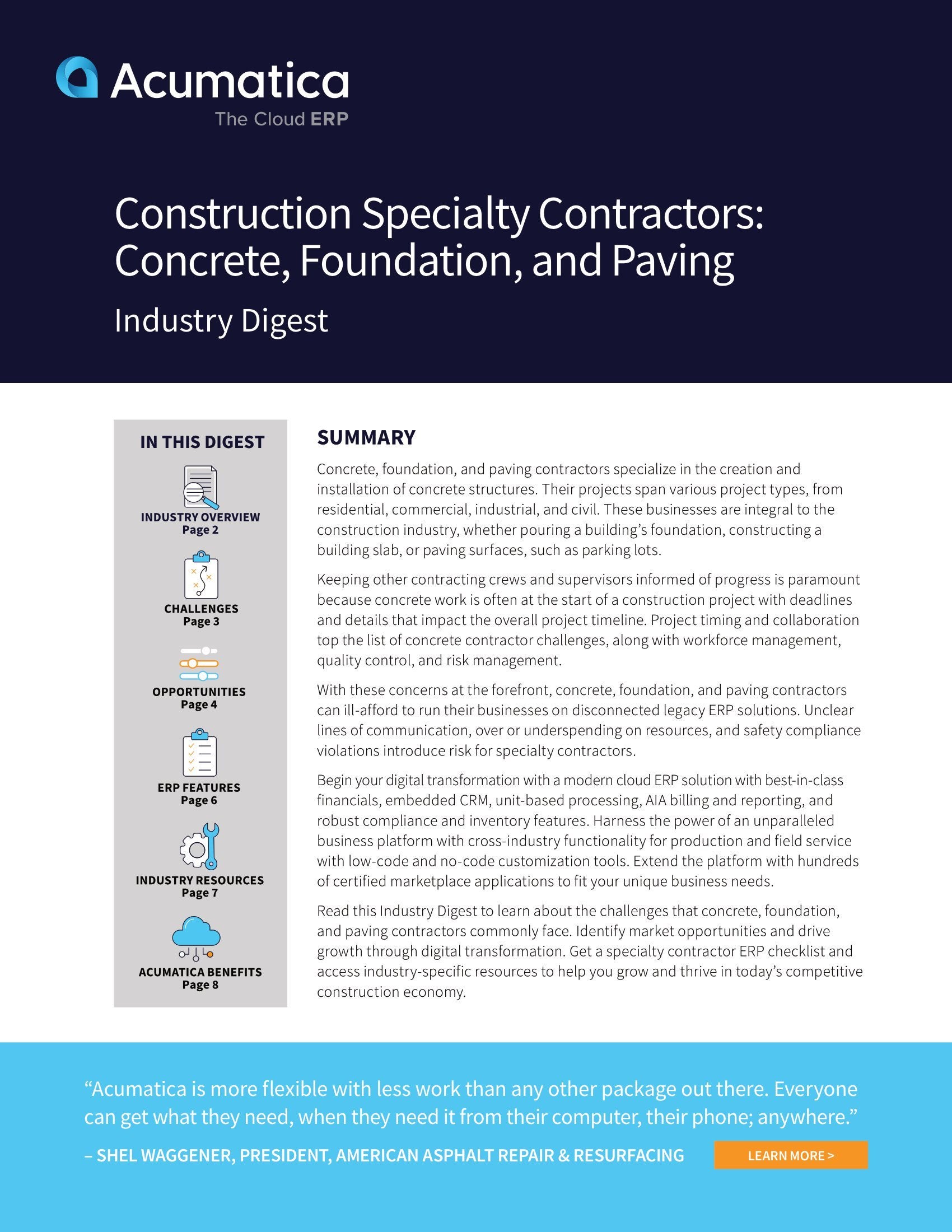
"What is a specialty contractor?" I asked myself as I started planning my home renovation. It's a term I kept seeing, but I wasn't sure what it meant exactly. So, I did some digging and here's what I found out.
The Basics: Who Are These Specialists?
A specialty contractor is a pro who focuses on one specific trade or skill. Unlike a general contractor who oversees the whole project, these guys are the experts in their field. They might handle plumbing, electrical work, roofing, or even something more niche like pool installation or solar panel setup. It's all about having a deep knowledge of one area.
Why Does It Matter?
Well, if you're planning a project, knowing who to call can save you time and money. For example, let's say you need a new roof. You could hire a general contractor who will then subcontract the roofing work out to a specialist. But why not go straight to the source? A specialty contractor will likely be more efficient and offer better value. They're the masters of their craft and can often complete jobs faster and with fewer surprises.
Finding and Hiring a Specialist
When you're ready to hire, do your research. Get quotes from a few different companies and compare. Look for experience, references, and check their licensing and insurance. It's also a good idea to ask about their process and how they handle unexpected issues. Remember, the cheapest quote might not always be the best value. You want someone who understands your vision and can deliver high-quality work.
Company Names and Branding
If you're in the construction game and thinking of starting your own business, choosing a name is key. It should be memorable, unique, and reflect your specialty. Something like "Atlanta Electrical Experts" or "Helena's Roofing Masters" tells people exactly what you do. But don't forget to check name availability and secure your domain and local registration too.
Jobs and Industry Outlook
Specialty contractors often work for larger construction companies or are self-employed. The work can be varied and rewarding, and there's always demand for skilled tradespeople. If you're looking for a career change, consider training in a specialty trade. It's a stable industry with plenty of opportunities. You'll find jobs listed on construction-focused job boards and local classifieds.
Tools of the Trade
In the construction world, tools like RSMeans can be a big help. It's a cost database and estimating tool used by contractors and estimators to price projects accurately. It takes into account things like materials, labor, and escalation (changes in costs over time). Having access to reliable data like this can make a big difference when quoting for jobs.
Big vs. Small Firms
The construction industry has a mix of large and small firms. Big companies often have more resources and can take on larger projects, but smaller firms might offer more personalized service. It's a balance between scale and specialization. As a customer, it's worth considering what matters most to you and your project.
Final Thoughts
Understanding what is a specialty contractor can really help when planning a project. Knowing who to call and what to expect can make the process smoother. And if you're thinking of a career change, the construction industry offers a world of opportunities. So, whether you're a homeowner, a business owner, or considering a new path, specialty contractors are a key part of the picture.
Related: Uncover the Army Ribbons Chart: A Simple Guide
An army ribbons chart is a handy tool for anyone wanting to quickly identify and understand military awards and decorations. This guide will give you a simple breakdown of what these charts are and how they work, covering the basics you need to know.
These charts, often referred to as an army awards chart or military ribbon rack, provide a visual representation of the various service ribbons and medals. While the specific values and formats may vary, they offer a clear and concise way to display and organize these awards, ensuring an accurate and efficient reference.
Understanding Army Ribbons Chart
An army ribbons chart is a visual guide that displays the various awards and decorations earned by military personnel. It provides a clear and organized way to showcase an individual's achievements and honors. This chart is an essential tool for understanding and appreciating the recognition given to service members.
Key Details and Categories
The chart typically includes different types of ribbons, each representing a specific award or decoration. These ribbons are arranged in a specific order, known as the "award and decoration order." The order is crucial as it indicates the seniority and importance of each award. Common ribbon categories include service ribbons, campaign ribbons, and achievement medals. Each ribbon has its own unique design and color scheme, making it easy to identify.
Reading the Rack: A Step-by-Step Guide
When reading an army ribbons chart, pay attention to the placement and arrangement of the ribbons. The chart often follows a standard format, with ribbons displayed in rows or columns. Start by identifying the top row, which usually represents the highest-ranking awards. Work your way down, noting the different ribbons and their positions. Each ribbon's position indicates its order of precedence, with the most prestigious awards placed higher.
Variations and Differences
It's important to note that army ribbons charts can vary depending on the military branch and the specific standards followed. Different countries and regions may have their own unique award systems and ribbon designs. Additionally, within the same military branch, variations can occur due to changes in regulations or the introduction of new awards. Common factors that cause variations include the individual's service record, unit-specific awards, and the time period in which the awards were earned.
To ensure accuracy, it's recommended to refer to official sources and guidelines provided by the relevant military branch. These sources will provide detailed information on the correct placement and order of ribbons, ensuring an accurate and respectful display. Remember, the army awards chart is a dynamic representation of an individual's achievements, and understanding these variations is key to interpreting it correctly.
Well, there you have it! A handy chart to keep close by for all your army ribbon queries. Remember, these are general guidelines, and it's always wise to confirm the specifics for your particular situation.
Feel free to explore our other resources on similar topics. We've got a bunch of guides and references to help you navigate these details with ease. Happy learning!