







Professional Consulting Invoice Template Xlsx Overview
Finding the right grout color can be a tricky task, and that's where a grout color chart comes in handy. It's a simple yet effective tool, providing a quick reference to help you choose and match the perfect shade for your tiles. With various colors and shades available, this chart ensures you get it right, offering a visual guide to navigate the world of grout color options.
Grout Color Chart: A Practical Guide to Selecting the Right Shade
The grout color chart is a handy reference tool for anyone working with tiles and grout. It provides a visual guide to help you choose the perfect grout shade for your project, ensuring a cohesive and aesthetically pleasing result. This chart is a valuable resource for both professionals and DIY enthusiasts, offering a simple way to navigate the world of grout colors.
Key Details and Categories to Know
The grout color chart typically presents a range of grout shades, often organized in a grid or palette format. Each shade is assigned a name or code for easy reference. The chart may also include additional information such as the grout type, whether it's sanded or unsanded, and sometimes even the manufacturer's brand. It's important to note that the specific categories and details can vary depending on the standard or brand you're using.
Step-by-Step Guide to Reading and Using the Chart
Using the grout color chart is straightforward. First, identify the type of grout you need - sanded or unsanded - as this will narrow down your options. Then, assess the color options available for your chosen grout type. The chart will provide a visual representation of the shades, allowing you to compare and contrast. You can also refer to the color names or codes to find the perfect match for your tiles. Once you've selected your preferred shade, simply note down the corresponding code or name to ensure you get the right grout product.
Understanding Variations and Differences
Variations in grout color charts can occur due to several factors. Different manufacturers may have their own unique color palettes, so it's essential to refer to the specific brand's chart for accurate results. Additionally, the lighting conditions and surface materials can affect how grout colors appear. It's always a good idea to view grout samples in the intended lighting and against the actual tile surface to get a true representation of the shade.
Common Mistakes and How to Avoid Them
One common mistake is relying solely on the chart without considering the actual grout sample. Always request a physical sample or visit a store to see the grout in person. Another pitfall is not accounting for lighting differences. Grout colors can appear differently under various lighting conditions, so ensure you view samples in the intended lighting environment. Lastly, be mindful of the grout type - sanded vs. unsanded - as using the wrong type can affect the final outcome.
Practical Tips for Accurate Results
To ensure you achieve the desired grout color, consider these tips. Firstly, obtain multiple samples of your chosen shade to account for any variations in lighting and surface conditions. Secondly, compare the samples side by side with your tiles to ensure a harmonious match. Thirdly, if you're working with a large area, it's advisable to purchase grout from the same batch to minimize color variations. Lastly, don't be afraid to seek advice from professionals or experienced DIYers who can offer valuable insights and recommendations.
By following these guidelines and utilizing the grout color chart effectively, you'll be able to select the perfect grout shade for your project, adding the finishing touch to your tiled space. Remember, the right grout color can enhance the overall aesthetic and create a seamless, polished look.
Well, there you have it! Grout color charts are a handy tool to have in your toolkit, and while the basics are covered here, it's always worth exploring the specific details for your project. Exact colors and shades can vary, so it's a good idea to double-check and ensure you're using the right references.
Don't forget to explore our other guides for more practical tips and tricks. We've got a whole range of topics to help you with your home improvement projects, so feel free to browse and discover more!
Related: Understand Sanibel Tide Chart: A Quick Guide
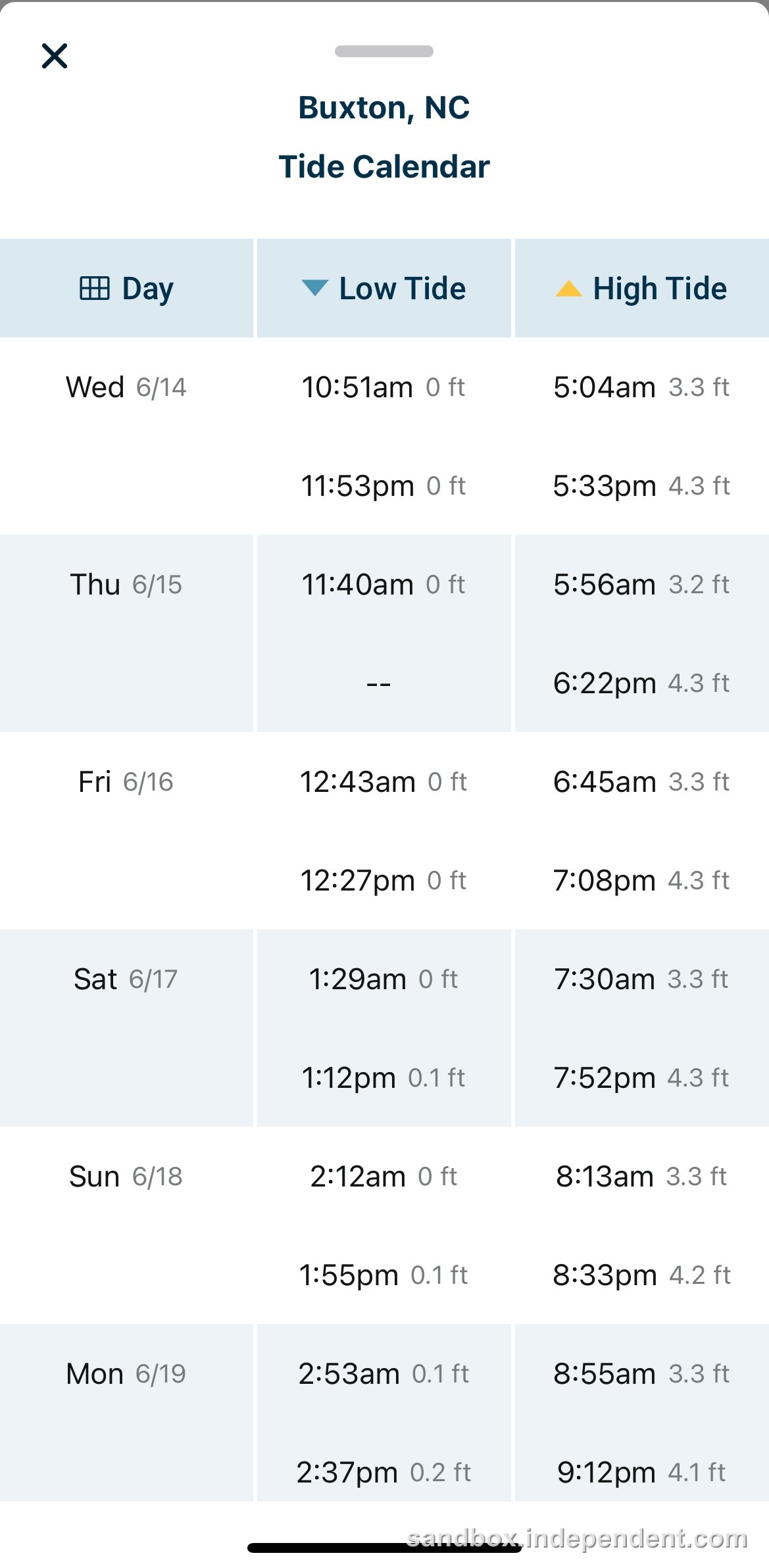
You're probably here because you need a quick answer, a reliable reference, or a simple guide to understanding the Sanibel tide chart. It's a handy tool, a visual aid, and a practical way to stay informed about the tides in your area. Whether you're planning a beach day, a fishing trip, or just need to know the tide levels, Sanibel Island tide times can be a helpful resource. These charts provide an easy way to visualize and predict the tide's behavior, and with various formats and standards, you'll find one that suits your needs.
Understanding Sanibel Tide Charts
A sanibel tide chart is your go-to guide for predicting tide levels and times on Sanibel Island. It's a handy tool for beachgoers, fishermen, and anyone who wants to plan their water-based activities. These charts provide a visual representation of the tides, making it easy to understand when the water will be at its highest or lowest points.
Reading Tide Data: Standard Formats
The sanibel tide chart typically displays two key pieces of information: tide height and time. You'll see the height represented in feet or meters, depending on the chart's standard. For instance, a common format might show "3.5 ft" or "1.05 m" to indicate the tide's height. The time is usually in a 24-hour clock format, so "15:00" represents 3 PM.
Step-by-Step Guide to Using a Sanibel Tide Chart
- First, identify the date and time you're interested in. This is crucial for accurate planning.
- Locate the corresponding time on the chart. It's often presented in a table format, with times listed horizontally across the top.
- Read the tide height for that time. If it's a table, the height will be in the relevant column.
- Remember, these are predictions, so actual conditions may vary slightly. Always check the current conditions before heading out.
- For a more detailed plan, you can also note the tide's direction (incoming or outgoing) and speed, which might be indicated on the chart.
Common Misreadings and How to Avoid Them
It's easy to misinterpret a sanibel tide chart, especially if you're new to reading them. One common mistake is assuming the tide will be at its highest or lowest exactly on the hour. In reality, tides transition gradually, so the extreme points often occur a few minutes before or after the hour. Another pitfall is not considering the chart's specific location. Remember, tides can vary slightly across different areas of Sanibel Island. Always double-check the location the chart refers to.
Factors Affecting Accuracy and Real-World Use
Several factors can influence the accuracy of a sanibel tide chart. Weather conditions, particularly strong winds or storms, can cause significant variations in tide levels. Additionally, the moon's phase and its proximity to Earth can impact tidal patterns. While the chart provides a reliable prediction, it's always a good idea to keep an eye on the actual conditions, especially during extreme weather events. Furthermore, the chart's accuracy relies on the data it's based on, which is usually collected over a long period. So, while it offers a great guide, it's not foolproof for every situation.
Well, there you have it! A comprehensive guide to understanding and utilizing the Sanibel tide chart. We've covered the basics, compared different formats, and walked through the process of reading and interpreting the data.
Remember, while this guide provides a solid foundation, it's always a good idea to consider your unique circumstances. Factors like your specific location, the time of year, and any local variations can impact the accuracy of your readings. So, take a moment to ensure you've got the right context before you set sail!
Feel free to explore our other guides and resources for more practical tips and insights. We've got you covered for all your coastal adventures!
Related: Construction Jobs Atlanta Essential Guide
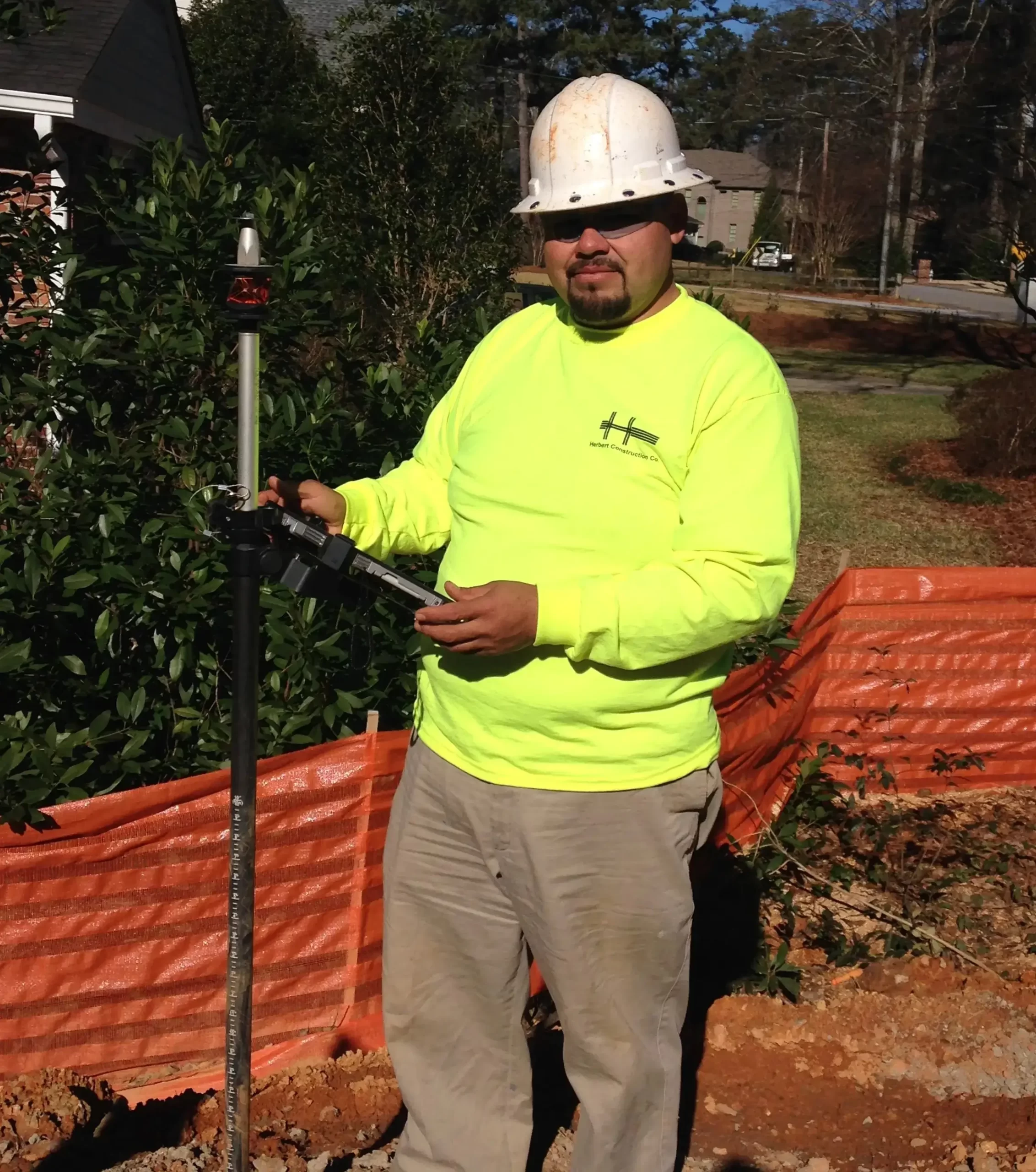
I was driving through Atlanta the other day, and it got me thinking about construction jobs Atlanta. With all the development and growth in the city, there's a lot going on in the construction industry. So, let's explore what this search term is all about and how it might be relevant to you.
Construction Jobs in Atlanta: What's It All About?
Construction jobs Atlanta covers a wide range of roles and opportunities in the construction and building industry. From general contractors to specialized tradespeople, there's a diverse range of jobs available. Whether you're looking for a career change or seeking a reliable contractor for your home remodeling project, understanding the construction job market in Atlanta is key.
The construction industry is a vital part of any city's development, and Atlanta is no exception. With new buildings, renovations, and infrastructure projects, there's a constant demand for skilled workers. So, if you're considering a career in construction or need to hire a professional, here's what you should know.
Hiring a Contractor: What to Look For
When it comes to hiring a contractor for your remodeling project, it's important to do your research. Check their qualifications, experience, and references. Ask for a detailed quote, including a breakdown of costs, and compare it with other estimates. Ensure they have the necessary licenses and insurance, and don't be afraid to ask questions about their process and timeline.
A good contractor will provide a clear plan, offer regular updates, and be responsive to your needs. It's a big decision, so take your time and choose someone you trust. Remember, a well-chosen contractor can make a huge difference in the success of your project.
Company Names and Branding
For those in the construction business, choosing a name is an important step. A good name should be memorable, reflect your services, and stand out. It's a fine line between catchy and confusing, so keep it simple and relevant. Here are a few name ideas to get you started:
- Build Atlanta
- Atlanta Construction Crew
- Home Remodeling Pros
- The Construction Company
- City Builders
- Atlanta Development Group
Remember to check name availability and secure the relevant registrations and domains to protect your brand.
The Construction Industry: A Closer Look
The construction industry is diverse, with various roles and specializations. From estimators who calculate costs to project managers overseeing the entire process, there are opportunities for many skill sets. Salaries can vary depending on the role, experience, and the scale of projects.
Large construction companies often handle major projects and have the resources for complex jobs. They may offer more stability and a wider range of opportunities. Smaller companies, on the other hand, can provide a more personalized experience and may be better suited for smaller-scale projects.
Tools of the Trade
Construction professionals use various tools and resources to estimate costs and manage projects. One popular tool is RSMeans, which provides cost data and helps contractors and estimators calculate accurate project budgets. It's an essential resource for the industry, ensuring projects stay on track financially.
Final Thoughts
Construction jobs Atlanta offers a wealth of opportunities for those in the industry and those seeking reliable professionals. Whether you're hiring or considering a career change, understanding the local market and doing your research is key. So, if you're ready to build your future or transform your home, the construction industry in Atlanta is a great place to start.