








Professional Fees Invoice Format Excel Overview
I'm thinking of doing some home improvements, and I've been hearing a lot about field construction managers. Who are these people, and what do they do exactly? I want to know if I need one for my project and what to expect.
The Role of a Field Construction Manager
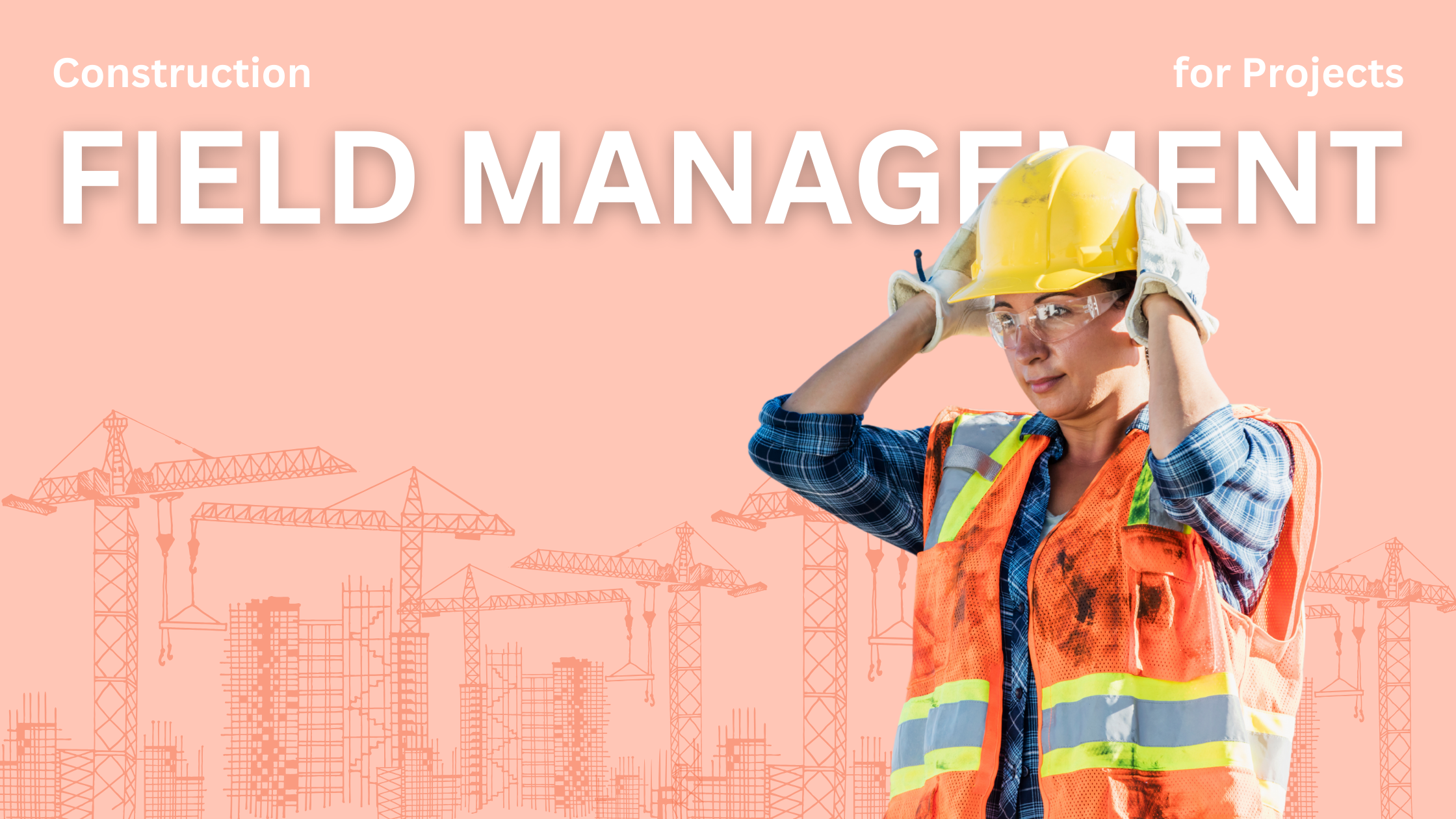
A field construction manager is a vital part of any construction project, big or small. They're the ones on the ground, overseeing the day-to-day operations and making sure everything runs smoothly. These managers ensure the job stays on track, on budget, and up to standard. They coordinate with contractors, workers, and suppliers to keep the project moving forward.
The field construction manager's role is critical, especially for larger projects or those with tight deadlines. They're the go-to person for any issues that arise, from material delays to unexpected structural challenges. Their job is to find solutions and keep the project from derailing.
Hiring a Field Construction Manager
When it comes to hiring a field construction manager, it's important to do your research. Check their qualifications, experience, and references. You want someone with a proven track record of successful project management. Ask about their approach to problem-solving and how they handle unexpected issues.
Get a few quotes and compare them. While price is a factor, it's not the only one. Look at the overall value they offer. A good field construction manager should provide a detailed proposal outlining their services, timeline, and any potential risks or challenges they foresee.
Company Names and the Industry
Naming a construction company can be tricky. You want something memorable and unique, but it also needs to reflect your business and services. Some successful construction company names combine a personal touch with a nod to the industry, like "Build-It-Right" or "Hammer and Nail Pros."
Other companies opt for a more creative approach, like "Renovation Revolution" or "Constructive Solutions." The key is to ensure the name is available for use and to check domain and local registration before committing.
Jobs and the Construction Industry
The construction industry offers a range of roles, from field construction managers to estimators, project coordinators, and skilled tradespeople. Each role has its own set of challenges and rewards.
Field construction managers, for example, often work long hours and need to be on-site regularly. They need strong organizational skills, the ability to think on their feet, and excellent communication. It's a demanding but rewarding career, and many find the satisfaction of seeing a project through from start to finish a huge motivator.
Tools of the Trade
In the construction industry, tools like RSMeans can be a huge help. RSMeans is a cost database and estimating tool used by many in the industry. It provides valuable data on construction costs, helping managers and estimators create accurate budgets and quotes.
While tools like RSMeans are great resources, they're just one part of the picture. The construction industry is constantly evolving, and staying up-to-date with the latest tools, techniques, and trends is key to success.
The Big Picture
The construction industry is diverse, with companies of all sizes. Larger firms often have the resources to take on bigger, more complex projects, but that doesn't mean smaller companies can't compete.
Smaller construction companies may have a more personal, hands-on approach, which can be appealing to certain clients. It's all about finding the right fit for your project and your needs.
Wrapping Up
So, there you have it. A field construction manager is a vital role in any construction project. They keep things running smoothly and ensure the job is done right. If you're considering a construction project, it's worth considering hiring one. Do your research, get quotes, and find the right fit for your needs. It could make all the difference in the success of your project.
Related: Contractor for House Repair Essential Guide
"I've been putting off those house repairs for too long, but I really need to get them done. Time to find a contractor for house repair!"
All About Hiring a Contractor
So, you've got some home repairs or renovations on your to-do list, and you're thinking about hiring a contractor to get the job done. It's a big step, and there's a lot to consider. A contractor for house repair can handle all sorts of jobs, from small fixes to major overhauls. They're the experts in construction and remodeling, and they'll have the skills and tools to get your project completed.
When it comes to costs, it's tricky to give an exact figure as it depends on so many factors. The size of the job, the materials needed, and the labor involved will all impact the price. It's a good idea to get quotes from a few different contractors to compare. Look for detailed quotes that break down the costs, so you can see what you're paying for. Don't just go for the cheapest option; consider the quality of the work and the contractor's reputation too.
Finding and Choosing the Right Contractor
There are lots of contractors and building companies out there, so how do you find the right one? Word of mouth is a great way to start - ask friends or family for recommendations. You can also search online for local contractors and read reviews to get an idea of their work. When you've found a few potential contractors, give them a call or send an email to ask some initial questions.
Find out about their experience and the types of projects they typically work on. Ask about their availability and how long they estimate the job will take. It's also worth asking about any potential extra costs or unexpected issues that might arise during the work. A good contractor will be transparent and give you an honest assessment.
Naming Your Construction Business
If you're thinking of starting your own construction business, you'll need a great name. The name should be memorable and reflect the nature of your work. It might include words like 'build', 'repair', 'remodel', or 'renovate'. It could also be a play on your own name or a unique combination of words. Here are a few ideas:
- Build-It-Better
- Renovate Right
- Fix-It-Fast
- Home Remedy
- Construction Solutions
- The Repair Crew
Remember to check the availability of the name you choose. You'll need to register it locally and secure the domain name for your website.
The Construction Industry and You
The construction industry offers a range of jobs, from general contractors and estimators to specialized roles like plumbers, electricians, and carpenters. If you're looking for work, these roles are often advertised online or through local recruitment agencies. The industry is always in need of skilled workers, so it's a great field to get into.
Estimators, for example, play a crucial role in construction. They use tools like RSMeans to calculate the costs of materials and labor for a project. It's a detailed and important job, and estimators are in high demand.
Big Companies and the Industry Outlook
The construction industry is made up of a mix of small, medium, and large companies. The bigger firms often have more resources and can take on larger, more complex projects. They might have a wider range of specialized staff and more advanced tools and equipment.
However, smaller companies can offer a more personalized service and often have a strong local reputation. It's a competitive industry, and companies of all sizes are always looking for ways to stand out and offer the best service.
So, there you have it! A contractor for house repair is a great option for getting those home improvements done. It's an exciting step, and with the right contractor, you'll be enjoying your renovated space in no time.
Related: What is the 454b pt chart and how to use it?
Many people often mistakenly assume that the 454b pt chart is a complex and confusing tool, but it's actually a simple and handy reference for weight conversions. This chart, often used in cooking and baking, provides an easy way to navigate between grams and pounds, especially when following recipes. While it may seem daunting, the 454b pt chart is a straightforward solution, ensuring your measurements are spot on.
Understanding the 454b pt Chart: A Quick Overview
The 454b pt chart is a handy reference tool for anyone who needs to convert weights, especially when dealing with grams and pounds. It provides a simple and visual way to understand the relationship between these two units of measurement, which is particularly useful for cooking, baking, and other weight-sensitive tasks. This chart is a valuable resource for ensuring accurate conversions and measurements.
Comparing Conversion Options: Grams to Pounds and Beyond
While the 454b pt chart focuses on grams and pounds, it's important to note that there are other conversion options available. Depending on your needs, you might encounter charts or tables that cover a wider range of units, such as kilograms to pounds or even metric to imperial weight conversions. These variations cater to different measurement systems and specific requirements.
Step-by-Step Guide: Using the 454b pt Chart Effectively
Using the 454b pt chart is straightforward. First, identify the gram value you want to convert. Then, locate the corresponding pound value on the chart. It's as simple as that! For instance, if you have 100 grams, you'll find that it's approximately equal to 0.22 pounds. This chart provides a quick and easy reference, making it ideal for quick conversions during cooking or baking.
Common Misreadings and How to Avoid Them
One common mistake when using the 454b pt chart is misinterpreting the decimal places. Remember, the chart provides approximate values, so you might see slight variations depending on the specific gram value. It's important to round off the decimal places appropriately to get a practical conversion. For example, 250 grams is roughly 0.55 pounds, but you might want to round it to 0.6 pounds for easier calculation in real-life scenarios.
Factors Affecting Accuracy: Key Considerations
- Standard Variations: The 454b pt chart is based on standard weight conversions, but it's worth noting that different regions and industries might have slight variations in their conversion factors. Always double-check the exact specifications if precision is crucial.
- Tolerance Levels: In some cases, especially in baking or scientific measurements, tolerance levels come into play. These indicate the acceptable range of variation, so be mindful of these when using the chart for critical applications.
Choosing the Right Chart for Your Needs
The 454b pt chart is a great starting point, but you might need a more specialized chart depending on your requirements. For instance, if you're baking and need precise measurements, a chart with smaller intervals might be more suitable. On the other hand, a simpler chart might suffice for everyday cooking needs. Consider your specific use case and choose a chart that aligns with your accuracy and convenience needs.
Keeping Your Reference Reliable: Tips for Next Time
To ensure the reliability of your 454b pt chart, consider the following:
- Regularly update your charts to reflect any changes in standards or specifications.
- Cross-reference your conversions with online calculators or other reliable sources to maintain accuracy.
- Keep a record of the specific chart version or standard you're using to avoid confusion.
- For critical applications, consider investing in a digital scale that provides both gram and pound measurements for added convenience and accuracy.
Well, there you have it! A comprehensive guide to help you navigate the world of 454b pt charts. Remember, these charts are a handy tool, but it's always wise to consider your unique situation and double-check the specifics.
Feel free to explore our other resources and guides; we've got a bunch of practical tips and tricks to make your life easier. Happy learning, and until next time, stay curious!