




Professional Plumbing Invoice Template Word Overview
I was chatting with a friend recently, and we got onto the topic of unique construction names with meaning. It's something I've always found fascinating, how a name can capture the essence of a business and leave a lasting impression. So, I thought I'd share some thoughts and insights on this fun aspect of the construction world.
The Power of a Name
A unique and meaningful name for your construction business can set you apart from the competition. It's your first chance to make an impression and connect with potential clients. But what makes a good name? Well, it's a balance between creativity and practicality. You want something memorable, but it also needs to reflect your business's values and services.
Consider the tone and message you want to convey. Is your business focused on innovative, modern construction? Or do you specialize in traditional, heritage-style builds? The name should hint at your expertise and the unique value you bring to the table. It's a chance to showcase your personality and make a bold statement.
Naming Your Business
When brainstorming names, think about words and phrases that resonate with your brand. It could be a play on words, a nod to your location, or a reference to the services you offer. Get creative, but also ensure the name is easy to remember and pronounce. You don't want potential clients stumbling over your business name!
Here are a few original ideas to spark your imagination:
- Build-it-Bright
- Construct-a-Dream
- Hammer & Hive
- Modern Foundations
- Eco-Build Solutions
- The Bricklayer's Club
Remember, it's crucial to check the availability of your chosen name. You'll need to register it with local authorities and secure the domain name for your website. It's a good idea to consult a legal professional to ensure you're covering all the bases.
Standing Out in a Competitive Industry
The construction industry is bustling with businesses, both large and small. So, how do you make your company stand out? A unique and meaningful name is one way to differentiate yourself. It shows you've put thought into your brand and helps you build a strong identity.
Large construction firms often have well-established names that reflect their size and scope. They might incorporate their location or a reference to their long history. Smaller businesses, on the other hand, can use unique names to their advantage, showcasing their specialty and personality.
Finding the Right Contractor
When searching for a contractor, whether for a large-scale project or a home renovation, it's essential to do your research. A unique name can be a great conversation starter, but it's what's behind the name that matters most.
Ask for recommendations from friends and family, and check online reviews. Get quotes from several contractors and compare their services and prices. Don't be afraid to ask questions and ensure you understand the scope of the work and any potential additional costs. A good contractor will be transparent and happy to answer your queries.
Tools of the Trade
In the construction world, there are various tools and resources to help with estimating costs and managing projects. One such tool is RSMeans, a database that provides cost data for various construction projects. It's a valuable resource for both contractors and clients, offering insights into the potential costs of a build.
However, it's important to remember that these tools provide estimates, and the final cost can vary depending on factors like location, materials, and labor. Always get a detailed quote from your contractor and compare it with other estimates to ensure you're getting a fair price.
Final Thoughts
Choosing a unique and meaningful name for your construction business is an exciting step. It's a chance to showcase your creativity and leave a lasting impression. Remember to keep it practical and ensure your name reflects your brand's values and services. And when hiring a contractor, take the time to research and compare, ensuring you find the right fit for your project. Happy building!
Related: How to Read a Dental Tooth Chart?
You're probably here because you need a quick answer, a simple guide to help you navigate the world of dental tooth charts. These charts are a handy tool, a quick reference guide, and an essential part of dental anatomy. Whether you're a dental professional or a curious individual, understanding the tooth numbering system is key. The dental tooth chart can vary slightly depending on the system used, so it's a good idea to familiarize yourself with the specific notation.
What is a Dental Tooth Chart?
A dental tooth chart is a handy tool that dentists and dental professionals use to identify and locate teeth accurately. It provides a visual representation, often a diagram or table, to help with tooth identification and record-keeping. This chart is crucial for dental procedures, treatment planning, and maintaining dental records.
Key Details and Categories to Know
The dental tooth chart typically follows standardized numbering systems, ensuring consistency across dental practices. Two common systems are the Universal Numbering System (used in the US) and the Palmer Notation (popular internationally). These systems assign unique numbers or symbols to each tooth, aiding in precise identification. The chart also includes information on tooth type, position, and any relevant notes.
How to Read and Apply the Dental Tooth Chart
Reading a dental tooth chart is straightforward. Here's a step-by-step guide:
- Locate the tooth: Identify the tooth you want to reference on the chart. This could be based on a patient's description, a visual examination, or a previous record.
- Find the corresponding number: Each tooth on the chart is assigned a specific number or symbol. Match the tooth with its corresponding number.
- Record and communicate: Note down the tooth number for your records. When communicating with other dental professionals or referring to patient records, use this number to ensure clarity and accuracy.
- Cross-reference: If needed, you can cross-reference the tooth number with other dental charts or diagrams for a more comprehensive understanding of the tooth's position and characteristics.
Common Variations and Differences
While standardized systems exist, variations can occur due to different regional practices and preferences. For instance, the Universal Numbering System used in the US differs from the international Palmer Notation. Additionally, some dental practices or specialists may use modified charts tailored to their specific needs. It's essential to be aware of these variations, especially when consulting or referring to charts from different sources.
Mistakes to Avoid
One common mistake is assuming all dental charts follow the same system. Always double-check the numbering system used on the chart you're referencing. Another pitfall is misinterpreting tooth positions, especially when dealing with complex cases or unusual tooth arrangements. Taking the time to understand the chart's layout and seeking clarification when needed can prevent errors.
Practical Tips for Accurate Results
To ensure accuracy when using a dental tooth chart, consider these best practices:
- Familiarize yourself with the numbering system used in your region or practice.
- Cross-reference tooth numbers with other dental resources to confirm their positions and characteristics.
- Stay updated with any changes or modifications to the standard numbering systems.
- When in doubt, consult with experienced dental professionals or refer to comprehensive dental anatomy resources.
Handling Edge Cases and Exceptions
While dental tooth charts provide a valuable framework, there are instances where exceptions or unique cases may arise. For example, individuals with congenital dental anomalies or those who have undergone extensive dental work may have tooth arrangements that don't align perfectly with standard charts. In such cases, it's crucial to consult detailed dental records, X-rays, or seek expert advice to ensure accurate tooth identification.
So, there you have it! A simple and practical guide to understanding and using dental tooth charts. Remember, while this guide provides a solid foundation, it's always wise to consult with dental professionals for personalized advice. The exact values and terminology can vary, so it's crucial to double-check the specific standards and sources relevant to your context.
Feel free to explore our other resources for more insights into dental health and care. We've got plenty of guides to help you navigate the world of oral hygiene and keep those pearly whites shining bright!
Related: Need a Gildan Color Chart? Find it Here!
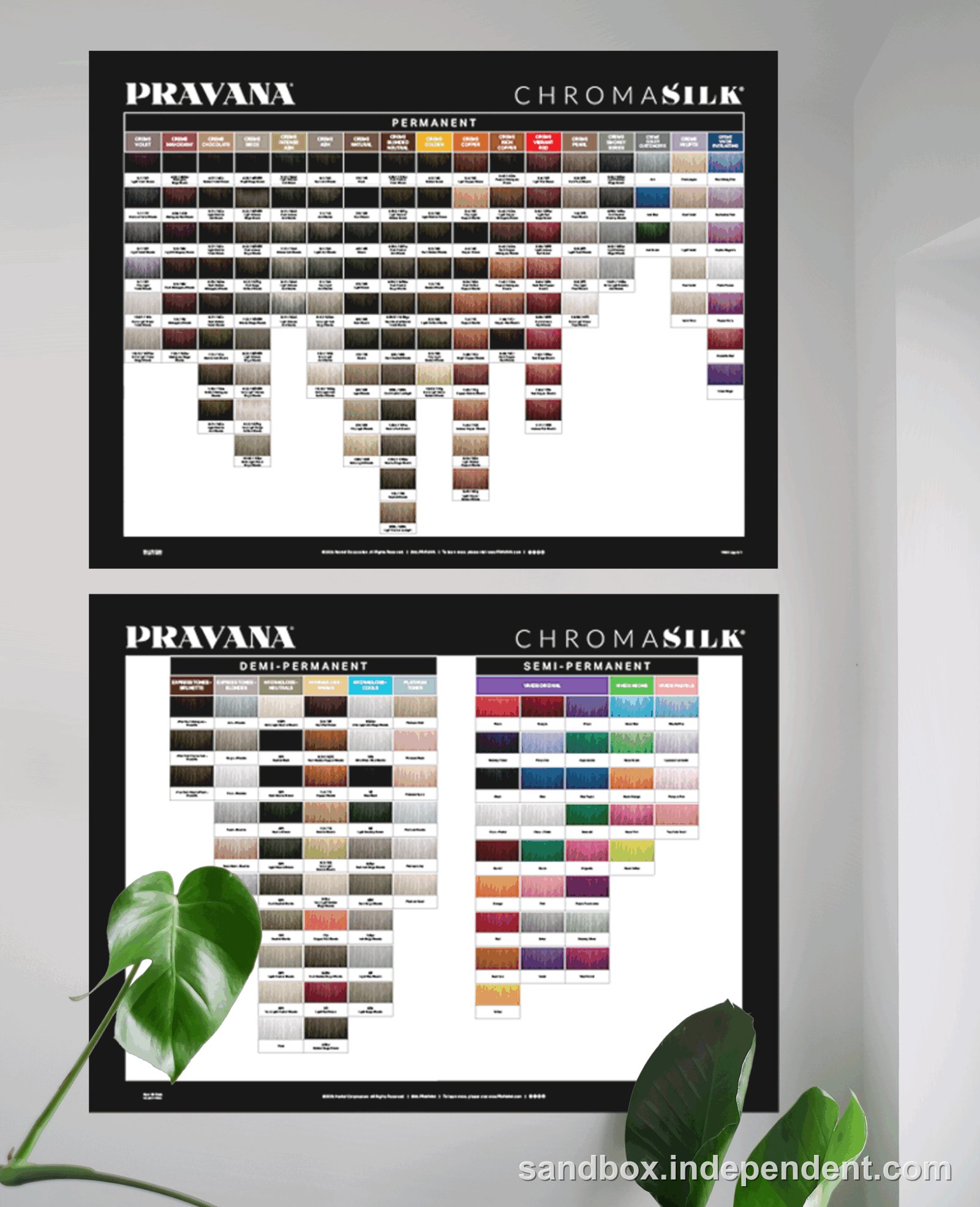
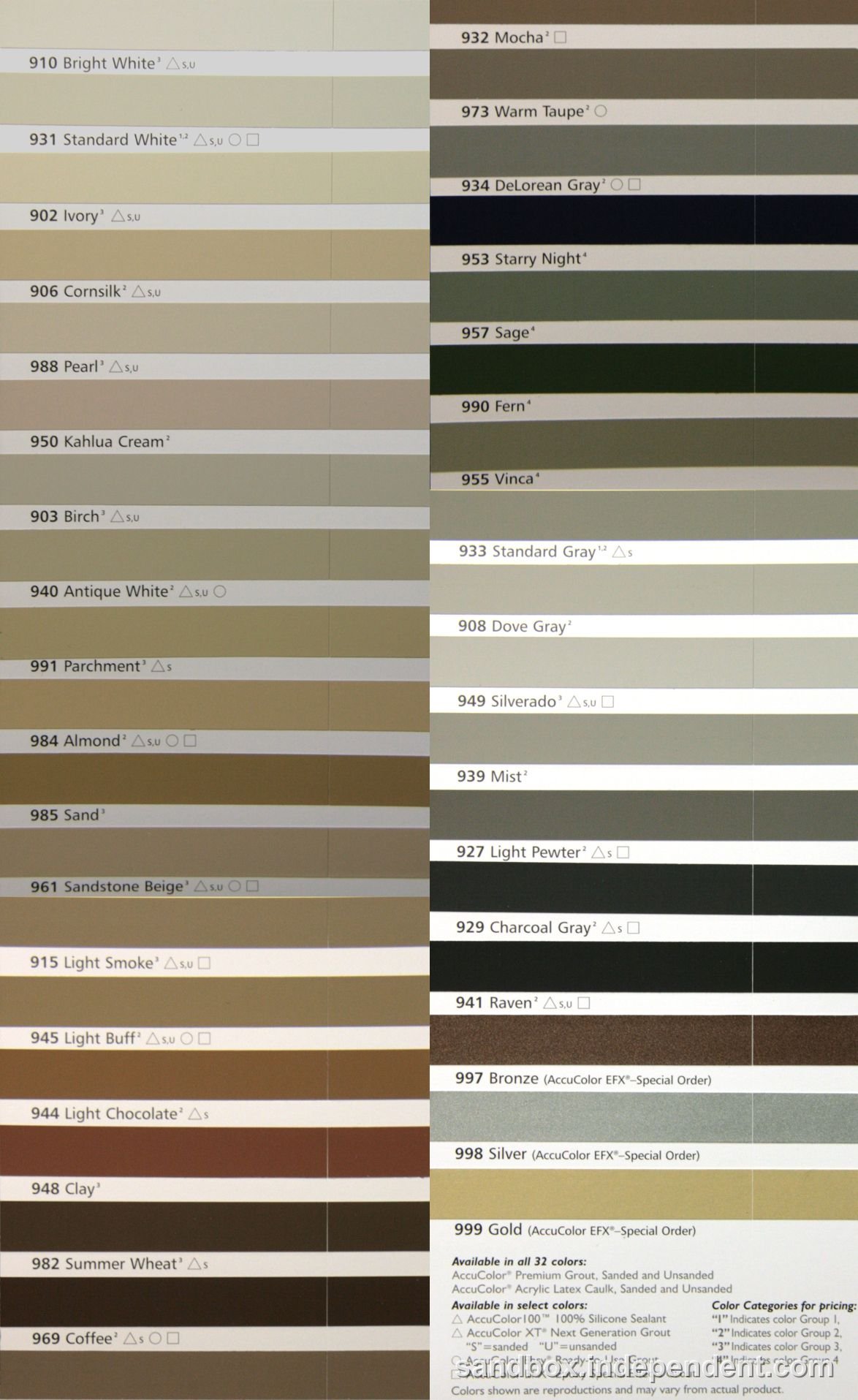
You're probably here because you need to find the perfect shade for your project, and the Gildan color chart is a handy tool to have at your disposal. It's a straightforward guide, offering a range of options to choose from, and it's an essential reference for anyone working with colors, especially when precision is key. The chart provides a quick and easy way to navigate and compare colors, and it's a go-to resource for many, whether you're a designer, artist, or just someone who wants consistent color results.
Understanding the Gildan Color Chart: A Practical Overview
The Gildan color chart is a handy reference tool for anyone working with colors, especially in the garment and textile industry. It's like a secret code that helps you unlock the perfect shade for your project. This chart provides a visual representation of various color options, making it easier to choose and match colors accurately.
Comparing Color Standards: Pantone vs. RGB
When it comes to color charts, you might come across different standards, like Pantone and RGB color codes. The Gildan chart typically follows the Pantone matching system, which is widely used in the fashion and printing industries. Pantone offers a standardized color language, ensuring consistency across different materials and processes. On the other hand, RGB color codes are more common in digital design and web development. So, depending on your specific needs, you might refer to different charts or systems.
Step-by-Step Guide to Using the Gildan Color Chart
Identify your color needs: Determine the type of project you're working on and the colors you require. The Gildan chart covers a wide range of colors, from vibrant hues to subtle shades, so you'll have plenty of options.
Locate the color: The chart is usually organized by color families or categories. Each color is represented by a unique code or number. Find the section that corresponds to the color family you're interested in.
Match the color: Within each color family, you'll find swatches or samples of different shades. Compare these swatches to your desired color. Look for the closest match, considering factors like lighting and material.
Note the color code: Once you've found the perfect match, make a note of the corresponding color code. This code will help you communicate the color accurately to others, ensuring consistency throughout your project.
Double-check specifications: While the Gildan chart provides a great starting point, it's essential to double-check the exact specifications, especially if you're working with specific brand guidelines or industry standards. Some colors may have slight variations, so confirming the details is crucial.
Avoiding Misreadings and Pitfalls
One common pitfall is relying solely on the chart without considering the context. Colors can appear differently under various lighting conditions, so it's important to view samples in the intended environment. Additionally, color perception can vary from person to person, so getting a second opinion or using color-matching tools can help ensure accuracy.
Factors Affecting Color Accuracy
Several factors can influence the accuracy of color representation:
Lighting: Natural and artificial lighting can alter how colors appear. Always view color samples under similar lighting conditions to your project's environment.
Material: Different materials reflect light differently, affecting color perception. The Gildan chart is designed for textile applications, so consider the impact of fabric type and texture on color appearance.
Printing techniques: If you're using the chart for printing purposes, the printing process itself can introduce variations. Calibrated printing equipment and consistent ink formulas are essential for accurate color reproduction.
Environmental factors: External factors like humidity and temperature can impact color perception. Ensure your reference samples are stored and handled under controlled conditions to maintain consistency.
Choosing the Right Color Chart Format
The Gildan color chart comes in various formats to suit different needs:
Physical swatch books: These provide a tangible reference with actual fabric samples. They offer a more accurate representation of colors but can be bulkier to carry.
Digital charts: Digital versions are convenient for quick reference and easy sharing. However, they may not capture the true texture and feel of the fabric.
Online color tools: Some online platforms offer interactive color charts and matching systems. These tools can be useful for remote collaboration and color exploration.
Customized charts: If you work with specific color requirements, you can create customized charts or swatch books tailored to your brand or project.
Maintaining Reliability for Future Projects
To ensure the reliability of your color references:
Store your color charts or swatches properly: Keep them away from direct sunlight and extreme temperatures to prevent fading or discoloration.
Regularly update your references: Color trends and preferences evolve, so stay updated with the latest color charts and standards.
Calibrate your equipment: If you're working with digital color tools, ensure your screens and printers are regularly calibrated to maintain accuracy.
Document your color choices: Keep records of the color codes and references you use for future projects. This helps maintain consistency and saves time when revisiting previous designs.
Hey there, we hope you found this guide helpful and that your color-matching adventures are now a breeze! Remember, when it comes to color charts, the specifics can differ slightly, so always double-check your references and adapt as needed.
Feel free to explore our other guides; we've got plenty of practical tips and tricks to make your creative processes smoother. Happy crafting!