

Pt Chart For R 22 A4 Overview
I've been working with spreadsheets for a while now, and one of the most useful skills I've learned is how to create pivot charts. It's a game-changer for visualizing data and making sense of complex information. So, let's dive into the process and see how we can make our data pop with these dynamic charts!
Setting Up Your Data for Success
When it comes to creating pivot charts, the first step is ensuring your data is structured properly. Think of your spreadsheet as a house; the columns are the rooms, and the rows are the items within each room. So, before we start, let's tidy up our data: make sure your columns have clear, concise headers, and your rows are consistent and organized. This step is crucial because it lays the foundation for an accurate and effective pivot chart.
Now, let's talk about the tools Excel provides to make this process smoother. Excel has some fantastic built-in features to help with data manipulation and formatting. For instance, you can use the XLOOKUP formula to quickly find and retrieve specific data points, or the IF function to create conditional rules for your data. These formulas are your friends and can save you a lot of time and effort, especially when dealing with large datasets.
Building Your Pivot Chart
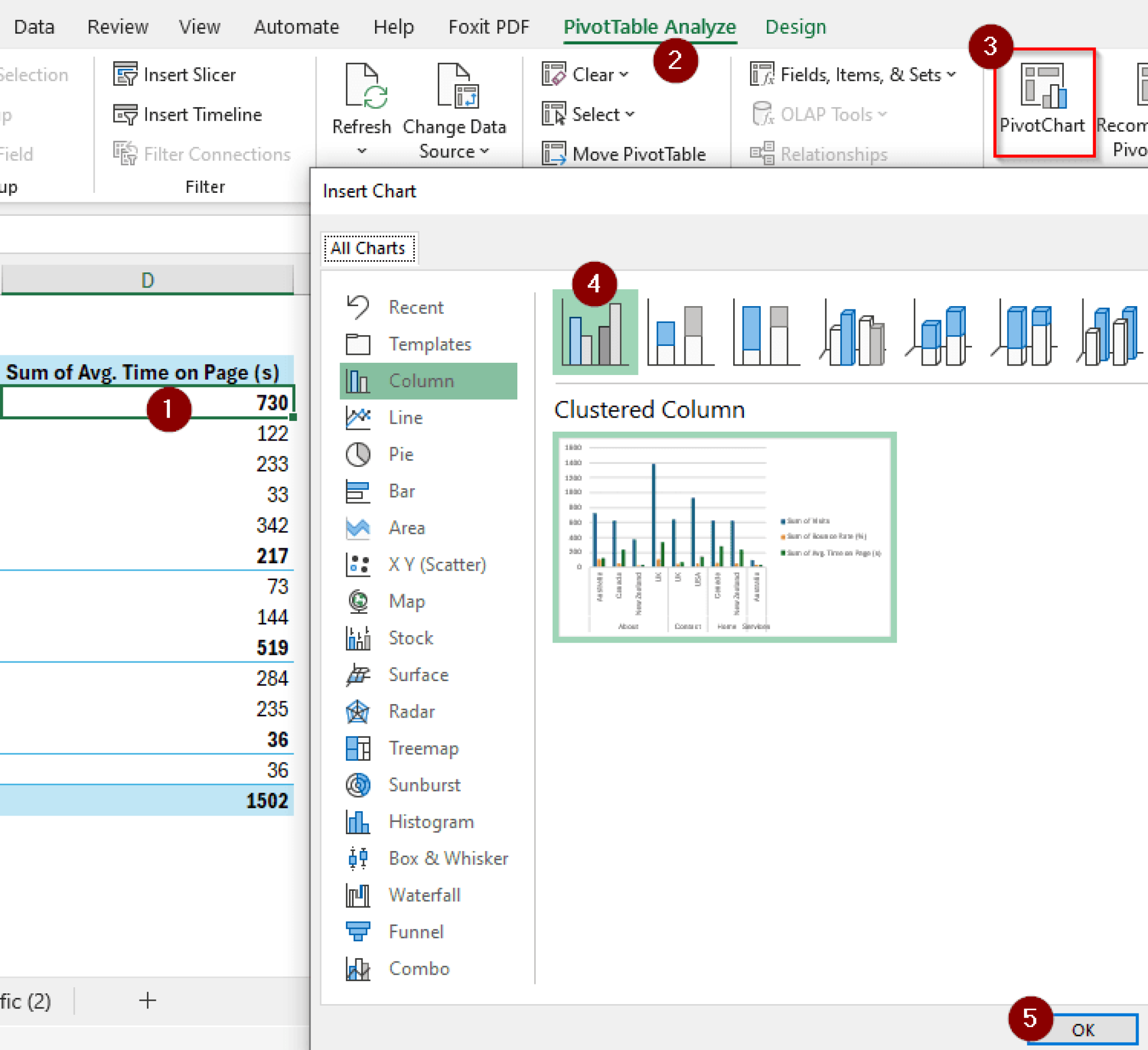
Once your data is shipshape, it's time to build your pivot chart. Excel makes this process pretty straightforward. Go to the Insert tab and select PivotChart. From here, you'll be prompted to choose the data range you want to include in your chart. Excel will then display a new window where you can customize your chart's layout.
This is where the magic happens! You can drag and drop fields to create rows, columns, and even filters for your chart. For example, if you have a dataset with sales data, you could drag the "Product" field to the Rows area, and the "Sales Amount" field to the Values area. This will create a chart that shows the sales performance of each product.
Customizing and Refining
Now that you have your basic pivot chart, it's time to add some polish. Excel offers a range of customization options to make your chart truly shine. You can change the chart type, add titles and labels, and even apply conditional formatting to highlight specific data points. For instance, you could use conditional formatting to highlight cells with sales above a certain threshold, making it easy to identify top-performing products at a glance.
Another useful feature is the ability to create drop-down lists in your pivot chart. This allows you to quickly filter your data by selecting different options from a drop-down menu. It's a great way to make your chart more interactive and user-friendly.
Final Thoughts
So, there you have it! Creating pivot charts in Excel is a powerful way to visualize and analyze your data. It might seem a bit daunting at first, but with a bit of practice and familiarity with Excel's tools, you'll be creating dynamic charts in no time.
Next time you open a spreadsheet, why not give it a go? You might just discover a whole new way to understand and present your data.
Related: Find Your Perfect Fit: Wetsuit Size Chart
You're here, searching for a wetsuit size chart, probably with a wetsuit in hand, ready to take on the waves. And let's face it, getting the size right is crucial; no one wants a wetsuit that's too tight or too loose, right? The wetsuit size chart is your go-to guide, a simple yet effective tool to ensure a perfect fit. It's all about finding the right measurements, from chest to waist, and even considering the neoprene thickness. So, let's get you suited up and ready for some serious surfing!
Understanding the Wetsuit Size Chart
The wetsuit size chart is your go-to guide for finding the perfect fit. It's a simple tool that ensures you get a wetsuit that's comfortable and functional, allowing you to enjoy your water activities without any discomfort or restrictions. This chart provides a quick and easy reference for sizing, but it's important to understand how to use it accurately.
Comparing Sizing Standards and Formats
Wetsuit size charts can vary slightly depending on the manufacturer and the intended use of the wetsuit. While there are some standard sizing guidelines, it's essential to check the specific chart for the brand and type of wetsuit you're interested in. These charts often cover different wetsuit styles, including full-body suits, shorties, and wetsuit tops or bottoms. The sizing may also differ for men's and women's suits, so be sure to refer to the correct chart.
Step-by-Step Guide to Using the Size Chart
Using the wetsuit size chart is straightforward, but it's crucial to follow these steps to ensure an accurate fit:
Measure yourself: Take accurate measurements of your chest, waist, hips, and inseam length. These measurements are critical for finding the right size. Make sure you follow the instructions provided on the chart for measuring these areas.
Choose the right size: Compare your measurements to the size chart. Look for the size that aligns with your largest measurement. For example, if your chest measurement is larger than your waist and hips, choose the size based on your chest. This ensures a comfortable fit without restricting your movement.
Consider neoprene thickness: The thickness of the neoprene material can affect the fit. Thicker wetsuits may feel tighter, so you might need to size up if you prefer a looser fit. Keep this in mind, especially if you plan to use the wetsuit in warmer waters.
Check sleeve and leg lengths: Some charts provide additional measurements for sleeve and leg lengths. Ensure these measurements align with your preferences to avoid any discomfort or awkwardness while wearing the wetsuit.
Common Misreadings and How to Avoid Them
It's easy to make a mistake when using a wetsuit size chart, especially if you're not familiar with the process. Here are some common pitfalls to watch out for:
Overlooking the size guide: Always refer to the specific size guide for the wetsuit you're interested in. Different brands may have slight variations in their sizing, so relying on a generic chart can lead to an incorrect fit.
Measuring incorrectly: Take your time and follow the instructions carefully when measuring yourself. Inaccurate measurements can result in a poor fit. Ensure you understand how to measure each area properly.
Ignoring personal preferences: The size chart provides a starting point, but it's essential to consider your comfort and activity level. If you prefer a tighter fit for better performance, you might need to size down. Conversely, if you want a more relaxed fit, sizing up might be the better option.
Factors Affecting Accuracy and Real-World Use
Several factors can impact the accuracy of the wetsuit size chart and its real-world application:
Body shape: The chart provides a general guide, but body shape can vary significantly. If you have a unique body shape, you might need to adjust the sizing accordingly. For example, if you have broad shoulders and a narrow waist, you may need to size up to accommodate your upper body.
Brand variations: Different wetsuit brands may have slightly different sizing standards. Always check the brand's specific size chart and consider their sizing philosophy. Some brands might run smaller or larger than others, so be mindful of this when choosing a size.
Activity and water temperature: The type of activity and water temperature can influence the fit you need. For instance, if you're a competitive swimmer, you might prefer a tighter fit for better performance. On the other hand, if you're surfing in cold water, a slightly looser fit might be more comfortable.
Remember, while the wetsuit size chart is a valuable tool, it's just a guide. Always consider your personal preferences and the intended use of the wetsuit to ensure you get the perfect fit for your needs.
So, there you have it! A wetsuit size chart is a handy tool to ensure you get the right fit for your aquatic adventures. It's a simple guide, but one that can make a big difference to your comfort and performance.
Remember, while this chart provides a solid framework, it's always wise to consider your personal preferences and the specific activities you'll be doing. Exact values might vary slightly, so it's good to double-check and ensure you're happy with the fit. Consider bookmarking this page for future reference; it'll be there waiting for you when you need it next!
Related: Need the Torrid Size Chart? A Quick Guide?
Frustrated by the lack of clarity in size guides? You're not alone! Many of us have been there, staring at a Torrid size chart, wondering if the numbers align with our bodies. It's a common struggle, especially when shopping for plus-size clothing. But fear not! Understanding these charts is easier than you think.
The Torrid size guide, for instance, offers a simple solution. It provides a clear breakdown of measurements, ensuring you find the perfect fit. Whether you're after a Torrid dress size chart or a Torrid jeans size chart, the key is to take your time and measure accurately.
Understanding the Torrid Size Chart
The torrid size chart is your go-to guide for finding the perfect fit in Torrid clothing. It's a simple yet effective tool that helps you navigate their range of sizes and styles, ensuring you get a comfortable and flattering look every time.
Key Details and Categories
The chart provides a clear breakdown of measurements for different body parts, typically including bust, waist, hips, and inseam. These measurements are presented in a table format, with sizes ranging from 00 to 6X, covering a wide range of body types. The units used are inches, a standard measurement system. It's important to note that the chart is designed specifically for Torrid's clothing line, so it may differ from other size guides.
Step-by-Step Guide to Reading the Chart
Here's a simple process to follow when using the torrid size chart:
- Identify your body type and the specific item of clothing you're interested in.
- Locate the relevant size guide for that item on the chart.
- Measure your body according to the guide's instructions. Ensure you're measuring the right body parts accurately.
- Compare your measurements to the size chart. Find the size that most closely matches your measurements across all relevant body parts.
- If you fall between sizes, consider the fabric and style of the garment. Some fabrics have more give, and certain styles may be more forgiving.
- Don't forget to check the reviews and fit notes provided by Torrid and other customers. These can offer valuable insights into how the garment fits in real life.
Size Chart Variations and Differences
It's important to remember that size charts can vary across brands and even within a brand for different clothing types. Torrid clothing size charts may differ slightly for jeans compared to dresses or bras, as these items have unique fit requirements. Additionally, Torrid, like many brands, offers size guides for both US and international (metric) measurements, so ensure you're using the correct guide for your region.
Common Mistakes and How to Avoid Them
- Measuring inaccurately: Ensure you're using a flexible measuring tape and following the instructions precisely.
- Assuming sizes are universal: Remember, each brand's size chart is unique. Don't assume your Torrid size will be the same as another brand.
- Not considering fabric and style: The fit of a garment can vary significantly based on fabric and design.
- Neglecting to check reviews: Customer reviews often provide valuable insights into how an item fits in practice.
- Forgetting to account for personal preferences: If you prefer a looser fit, size up; if you like it snug, size down.
- Relying solely on the size chart: While the chart is a great guide, it's always a good idea to check the fit notes and reviews for a more accurate picture.
Hey there, I hope this guide has been helpful in understanding the Torrid size chart and its practical use. Remember, while the core principles remain the same, the exact details can differ slightly, so it's always good to refer to the specific chart you're using.
Don't hesitate to explore other guides on our site, where you'll find more tips and tricks to enhance your shopping experience and make informed choices. Happy shopping, and stay stylish!