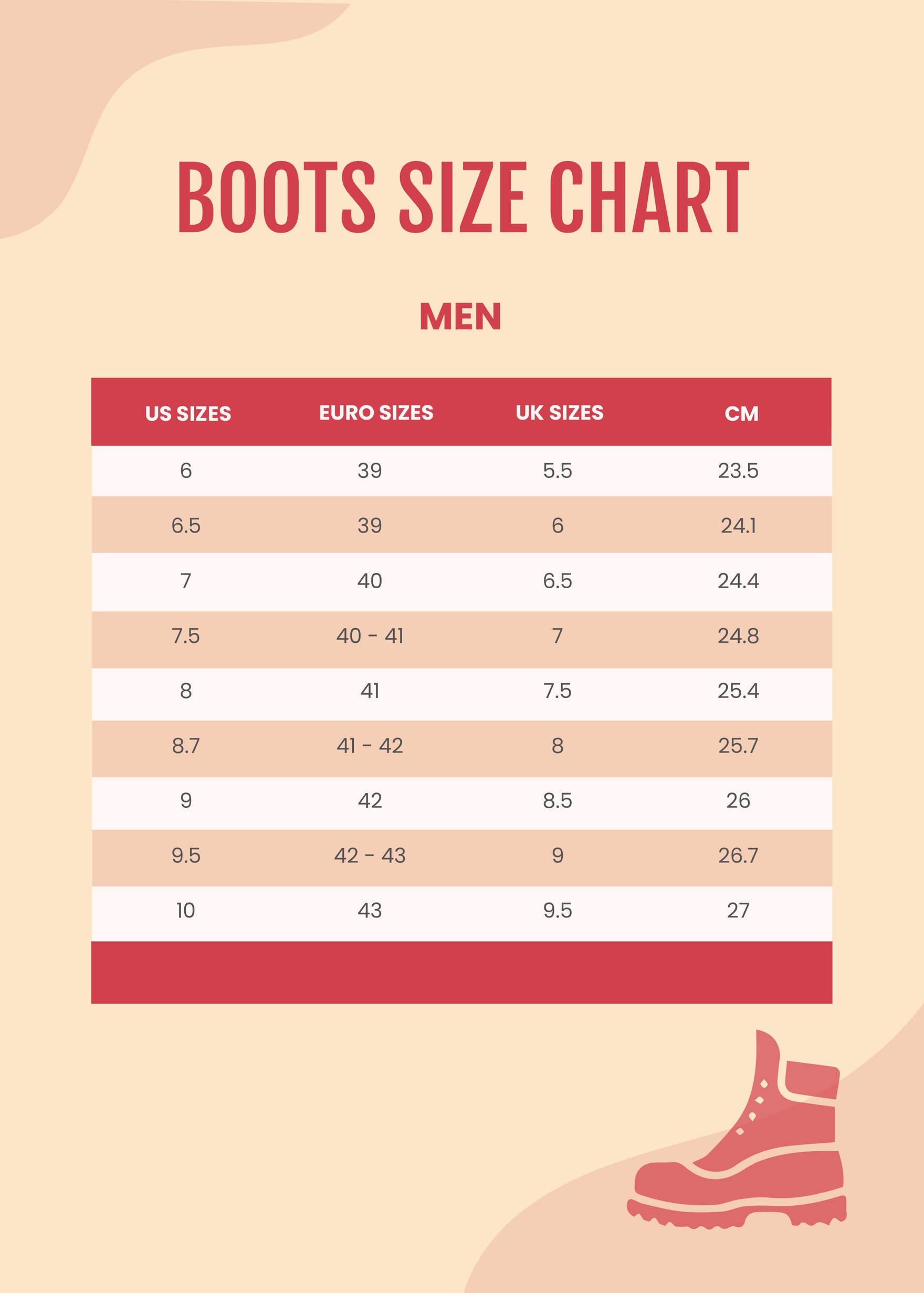


Pt Chart For R 22 Free Printable Overview
Many people mistakenly believe that vocal ranges charts are complex and intimidating, but in reality, they are a simple and powerful tool for singers and vocal enthusiasts. These charts, often presented as visual guides, provide a clear overview of the different voice types and their respective ranges. While the specifics may vary slightly depending on the source, the vocal ranges chart serves as an accessible reference, helping singers navigate and understand their vocal potential.
Understanding the Chart: An Overview
The vocal ranges chart is a handy reference tool for singers and vocal enthusiasts. It provides a visual representation of the different vocal ranges, helping you identify and understand your voice type and its capabilities. This chart is a great starting point for anyone wanting to explore their singing potential and improve their vocal technique.
Comparing Voice Types and Ranges
The chart typically categorizes vocal ranges into several standard types, including soprano, mezzo-soprano, alto, tenor, baritone, and bass. Each category has a specific range of notes, shown as a visual scale, that defines the voice's capabilities. For instance, a soprano voice, often associated with higher pitches, has a range that extends to the higher end of the scale.
How to Read and Use the Chart
Using the vocal ranges chart is straightforward:
- Identify your voice's general range by singing through a scale or using a pitch-detecting app.
- Locate your lowest and highest comfortable notes.
- Refer to the chart and match your range with the closest vocal type.
- Use this information to choose songs that suit your voice and explore your vocal potential.
For example, if your range aligns with the soprano category, you'll know you can comfortably sing higher-pitched songs.
Common Misconceptions and Pitfalls
One common mistake is assuming that the chart provides an exact, rigid definition of your voice type. In reality, vocal ranges can overlap, and some voices may not fit neatly into one category. It's essential to understand that the chart is a guide, and your voice may have unique characteristics that set it apart. Additionally, factors like age, training, and vocal health can influence your range, so regular assessment is beneficial.
Factors Affecting Accuracy and Real-World Use
Several key factors can impact the accuracy of the vocal ranges chart and its real-world application:
- Age and Development: Vocal ranges can change as you age, especially during puberty and early adulthood.
- Training and Practice: Consistent vocal training can expand your range and improve your technique.
- Vocal Health: Illness, strain, or damage to the vocal cords can temporarily alter your range.
- Musical Style and Genre: Different music genres may require specific vocal ranges or techniques.
Adapting the Chart for Specific Needs
While the standard vocal ranges chart is a great starting point, it might not cater to everyone's needs. For instance, some charts provide more detailed subdivisions for specific voice types, offering a more precise guide. Others might use different measurement systems or cater to non-traditional vocal styles. It's essential to choose a chart that aligns with your musical goals and preferences. If you're unsure, consulting a vocal coach or expert can provide valuable guidance.
Hey there! I hope this vocal ranges chart guide has been a helpful tool for you. Remember, these charts are a great reference, but they are not set in stone; the exact details might differ slightly based on your specific needs and the context.
Feel free to explore other guides and resources to deepen your understanding. And don't forget to bookmark this page for future reference; it's always handy to have these tools at your fingertips!
Related: Understand Boot Width Chart: A Simple Guide
A boot width chart is a valuable tool for anyone seeking precise fit and comfort in their footwear. This guide aims to demystify the chart's purpose and usage, offering a straightforward reference for your boot-buying journey.
The chart provides a standardized way to measure and compare boot widths, often using the "boot last width" or "foot girth" measurements. While values may vary depending on regional standards and brand specifications, understanding this chart is essential for achieving the perfect fit.
Understanding the Boot Width Chart: A Practical Guide
The boot width chart is a valuable tool for anyone seeking to find the perfect fit for their footwear, especially when it comes to boots. This chart provides a standardized way to understand and compare the width of different boots, ensuring a comfortable and secure fit. Let's delve into the details of this chart and how it can assist you in your footwear choices.
Comparing Boot Width Standards and Formats
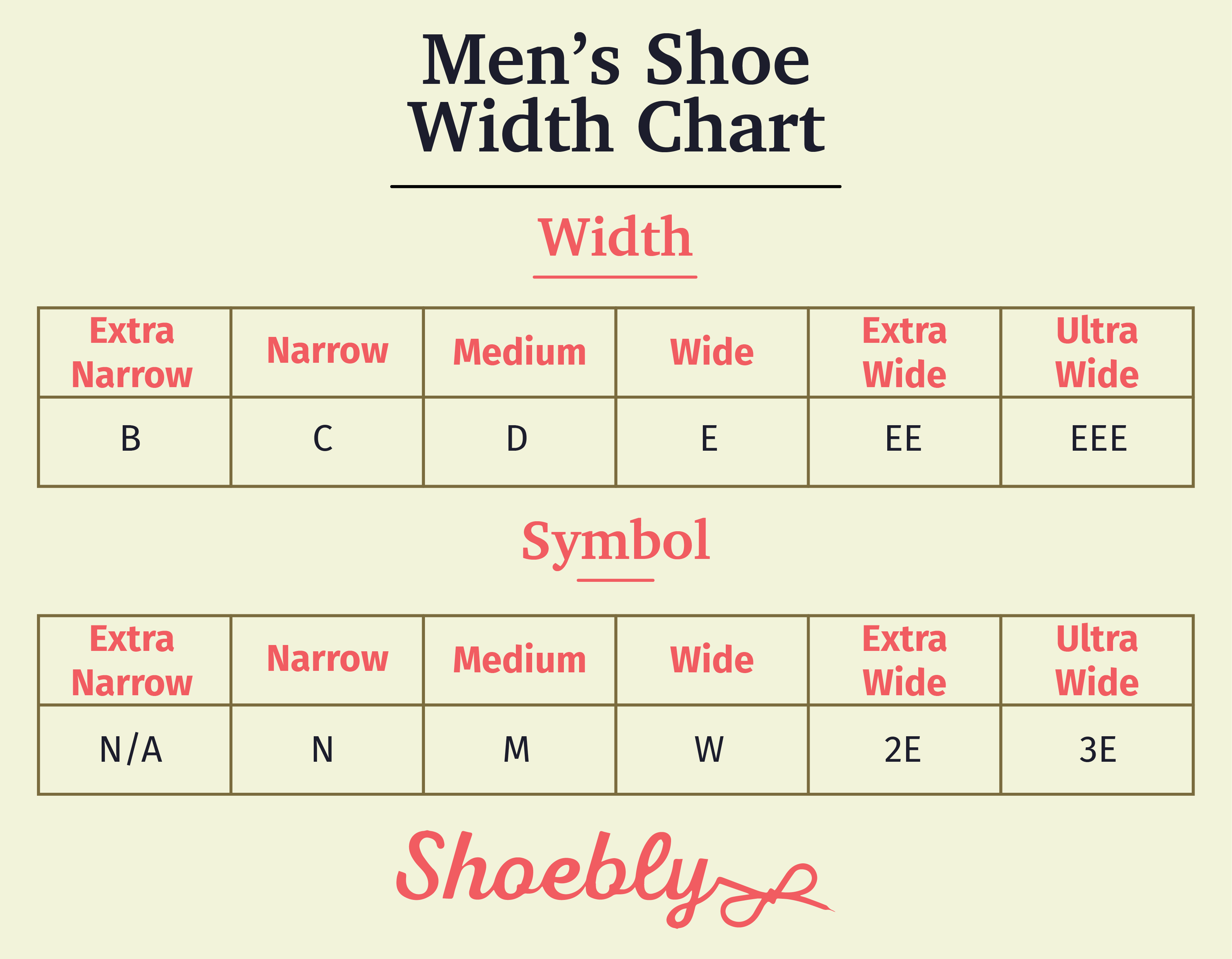
Boot width charts typically follow specific standards and formats to ensure consistency. The most common standard is the boot last width, which refers to the width of the foot's shape used as a mold for boot construction. This width is measured at the ball of the foot, the widest part, and is a crucial reference point. The chart categorizes boot widths into different standard shoe width categories, such as narrow, medium, wide, and extra-wide, making it easier to find the right fit.
Step-by-Step Guide to Using the Boot Width Chart
Using the boot width chart is a straightforward process:
Measure your foot width: Use a reliable measuring tool or visit a footwear store where professionals can assist you. Measure the width of your foot at the ball, ensuring an accurate representation of your foot's girth.
Refer to the chart: Locate the standard shoe width category that matches your foot width measurement. The chart will provide a range of boot widths that are suitable for your foot.
Choose the right boot: With the width category in mind, browse through boot options. Look for boots labeled with the corresponding width or those that fall within the recommended range. This ensures a comfortable and secure fit, preventing issues like blisters or discomfort.
Consider personal preferences: While the chart provides a great starting point, personal comfort and style preferences also play a role. Some individuals may prefer a slightly looser or tighter fit, depending on their activities and foot shape.
Common Misreadings and How to Avoid Them
One common mistake is assuming that all boots within a standard shoe width category will fit identically. In reality, boot widths can vary slightly between brands and models. It's essential to try on boots and assess the fit personally, especially if you're between sizes or have unique foot characteristics. Additionally, remember that the boot width chart provides a general guide; individual foot shapes and preferences may require slight adjustments.
Factors Affecting Boot Width Accuracy
Several factors can influence the accuracy of the boot width chart and the overall fit of boots:
Foot shape: The natural shape of your foot, including its arch and instep, can impact the width required for a comfortable fit.
Brand and model variations: Different boot manufacturers and models may have slight variations in their width measurements, even within the same standard shoe width category.
Material and construction: The materials used and the boot's construction technique can affect the overall fit and stretchability of the boot.
Personal comfort preferences: While the chart provides a guide, individual comfort levels and preferences can vary, influencing the perceived fit.
Choosing the Right Boot Width Chart for Your Needs
When selecting a boot width chart, consider your specific requirements:
Region and standards: Ensure the chart follows the relevant standards for your region, whether it's the US or international metric standards.
Activity and purpose: Different activities, such as hiking, skiing, or casual wear, may require varying levels of comfort and support, influencing the width you choose.
Brand and model variations: Some brands may offer their width charts or provide specific width recommendations for their models. Refer to these charts for a more precise fit.
Maintaining Reliable Reference and Setup
To ensure consistent and accurate use of the boot width chart, consider the following:
Regularly update your foot measurements: As your feet may change over time, especially with age or weight fluctuations, it's beneficial to re-measure your foot width periodically.
Keep a record: Maintain a record of your foot measurements and the corresponding standard shoe width category. This record will help you quickly reference your size when shopping for boots.
Try on boots: While the chart is a great guide, always try on boots to ensure a comfortable fit. Trust your personal comfort and the feel of the boot on your foot.
By understanding and utilizing the boot width chart, you can make informed decisions when choosing boots, ensuring a perfect fit and a pleasant footwear experience. Remember, a well-fitted boot is key to comfort and performance, so take the time to find the right width for your unique feet.
Well, there you have it! A comprehensive guide to boot width charts, covering all the essential aspects. Remember, when it comes to practical tools like these, context is key. Ensure you consider your unique requirements and environment before making any final decisions.
Feel free to explore our other guides and resources; we've got a range of practical topics covered to help you on your path to becoming an expert. Happy reading, and here's to finding the perfect fit!
Related: How to Read a Chest Size Chart?
You're probably here because you need a quick answer, and who can blame you? A chest size chart is a handy tool, offering a simple visual guide to understanding bra sizes and fit. It's a reference that can save you time and ensure you get the right size, every time. These charts can vary slightly, but they're an essential guide for anyone wanting an accurate bra size and a comfortable fit.
Understanding the Chest Size Chart
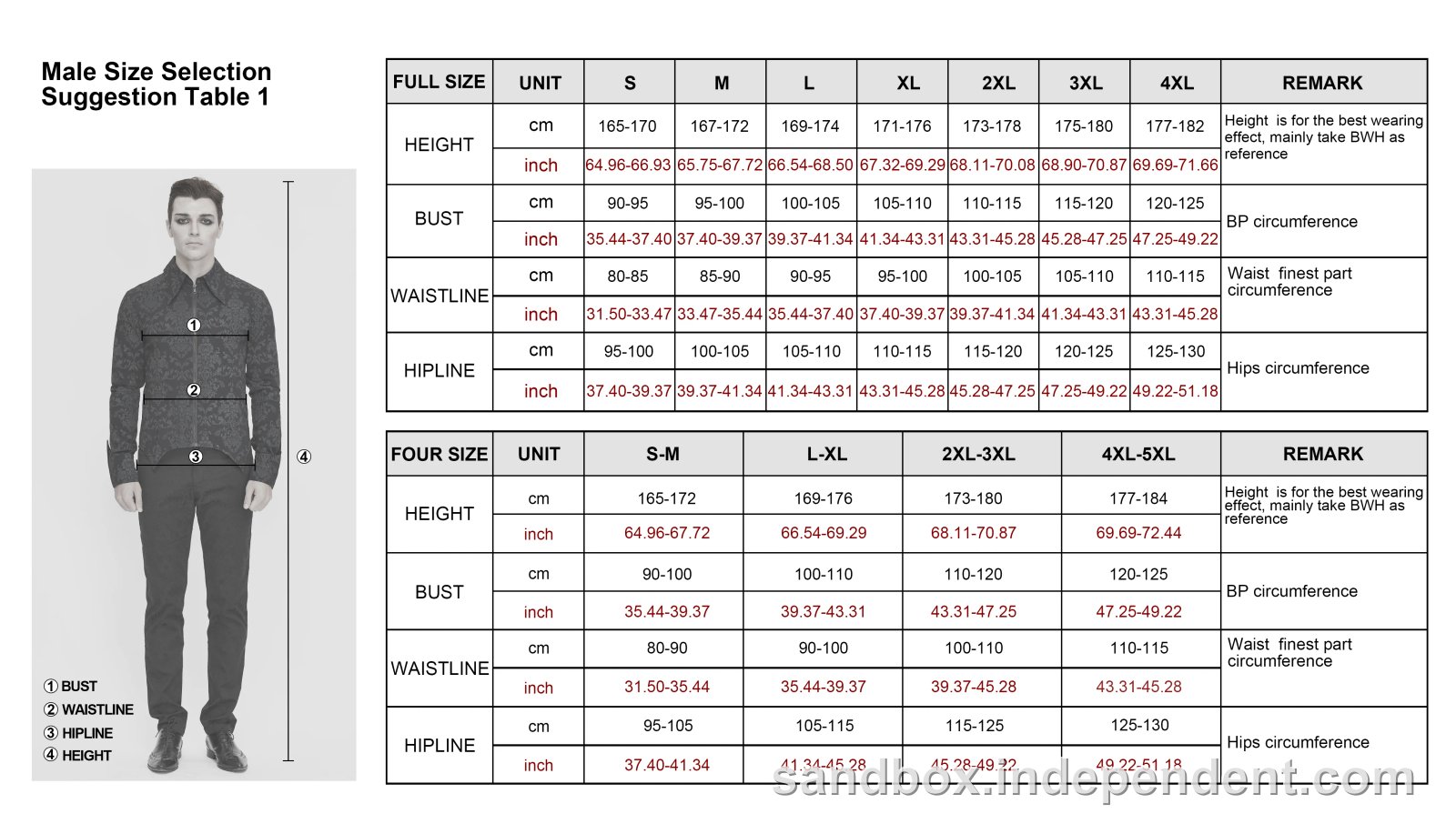
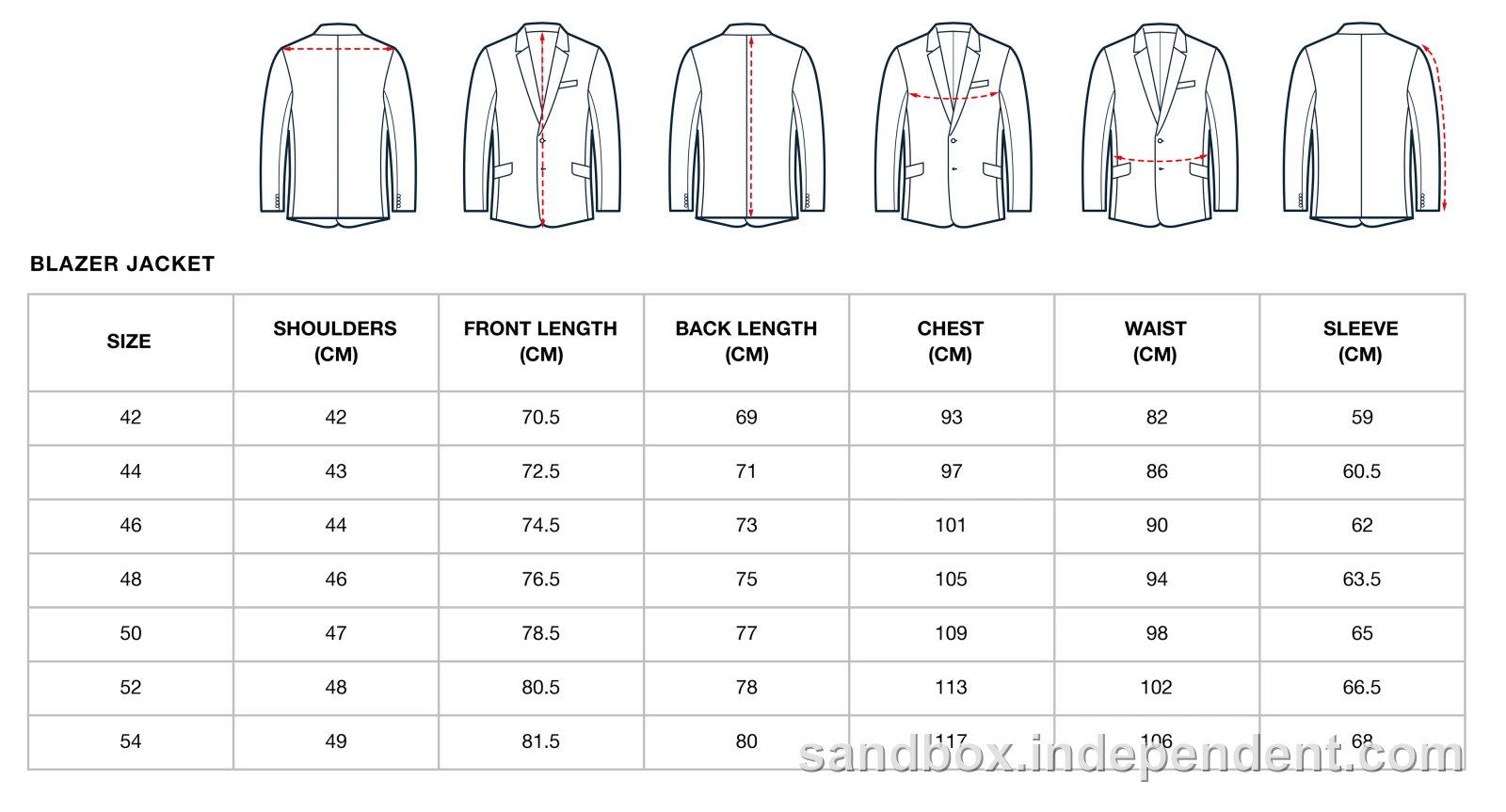
The chest size chart is a handy tool to help you find the right fit for clothing and accessories, especially when shopping online. It provides a reference for measuring and understanding your chest size, ensuring you make informed choices. This chart is particularly useful for women's sizing, including bra size charts, but it can also guide men's clothing choices.
Comparing Measurement Standards
Measurement standards can vary depending on the region and manufacturer. For example, the US and international (metric) systems have different size categories and ranges. The chest size chart typically includes both systems, making it versatile. It's essential to check which standard is being used to ensure accuracy.
Measuring Accurately: A Step-by-Step Guide
- Prepare a flexible measuring tape. Ensure it's not too tight or loose.
- Stand in a relaxed position, with your arms slightly away from your sides.
- Measure the fullest part of your chest, usually across the nipple line.
- Wrap the tape around your body, ensuring it's level and parallel to the floor.
- Take the measurement in inches or centimeters, depending on the standard.
- Refer to the chest size chart to find your size. It will provide a range of measurements and corresponding sizes.
- If you fall between sizes, consider the fabric's stretch and your personal preference for a snug or loose fit.
Common Mistakes and How to Avoid Them
One common mistake is measuring too tightly or too loosely. This can lead to an inaccurate reading and an ill-fitting garment. Always ensure the tape is snug but not constricting. Another pitfall is assuming all brands use the same sizing. Different manufacturers may have slight variations, so it's best to refer to their specific size charts. Additionally, some charts may not cover all body types, so be mindful of any special considerations you may have.
Factors Affecting Accuracy and Real-World Use
Several factors can influence the accuracy of your chest size measurement. These include your posture during measurement, the type of clothing you're wearing, and any recent weight changes. It's essential to stand upright and maintain a consistent posture. The fabric of your clothing can also affect the measurement, so consider measuring over a thin, form-fitting garment. If you've recently gained or lost weight, your chest size may have changed, so it's beneficial to remeasure periodically.
So, now you're equipped with a handy chest size chart and the knowledge to use it effectively. Remember, these charts provide a great starting point, but it's always wise to consider your unique needs and measurements.
Don't forget to check out our other guides for more practical tips and insights. We've got a range of topics to explore, so feel free to browse and discover something new!