


Puppy Kitten Coloring Pages Overview
A kitten age chart is a handy tool for any cat lover or owner, offering a quick glimpse into a kitten's growth and development. This guide will cover the essentials, providing you with the knowledge to interpret and utilize a kitten age chart effectively.
From weeks to months, these charts outline standard milestones and common development stages, giving you an overview of your kitten's progress. While values may vary slightly depending on factors like breed and region, the charts offer a reliable reference point for cat enthusiasts and owners alike.
Understanding the Kitten Age Chart
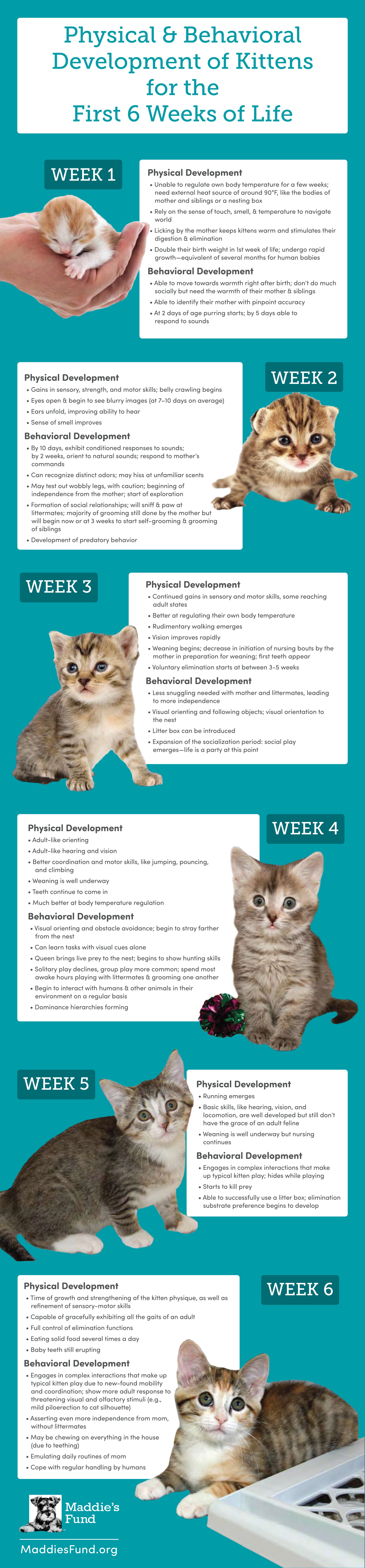
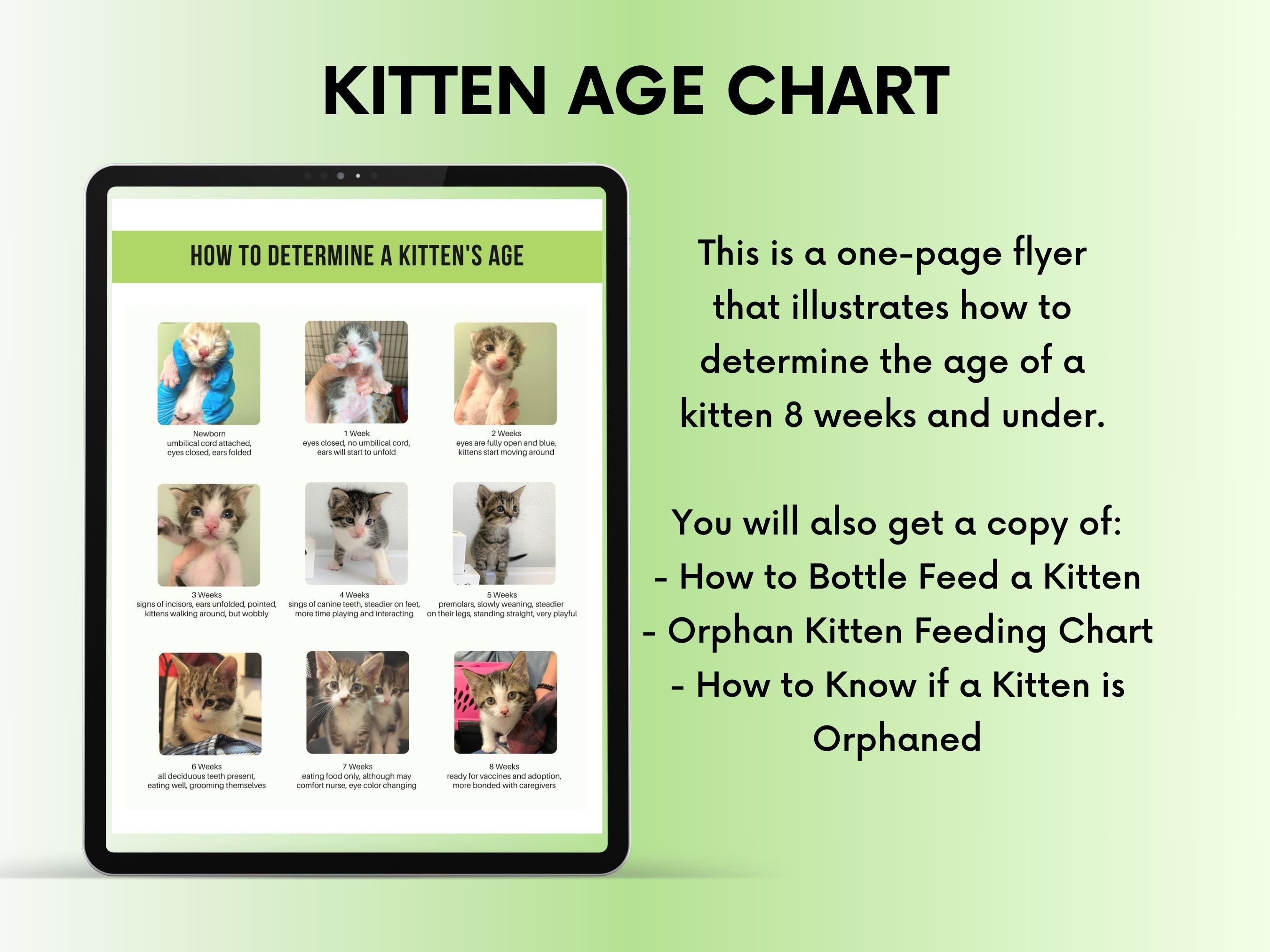
The kitten age chart is a valuable tool for cat owners and enthusiasts, offering a visual representation of a kitten's growth and development over time. This chart provides a practical guide to understanding a kitten's age and the associated milestones.
Key Details and Categories
The kitten age chart typically presents age in weeks or months, with corresponding physical and behavioral changes. It covers a kitten's journey from birth to adulthood, usually up to one year. The chart may vary slightly depending on the standard used, but it generally follows a consistent format.
Reading and Applying the Chart
To use the kitten age chart accurately, follow these steps:
- Identify the age of your kitten in weeks or months.
- Locate the corresponding age range on the chart.
- Review the physical and behavioral characteristics listed for that age range.
- Compare these characteristics to your kitten's development.
- Note any significant variations or delays, which may indicate the need for veterinary attention.
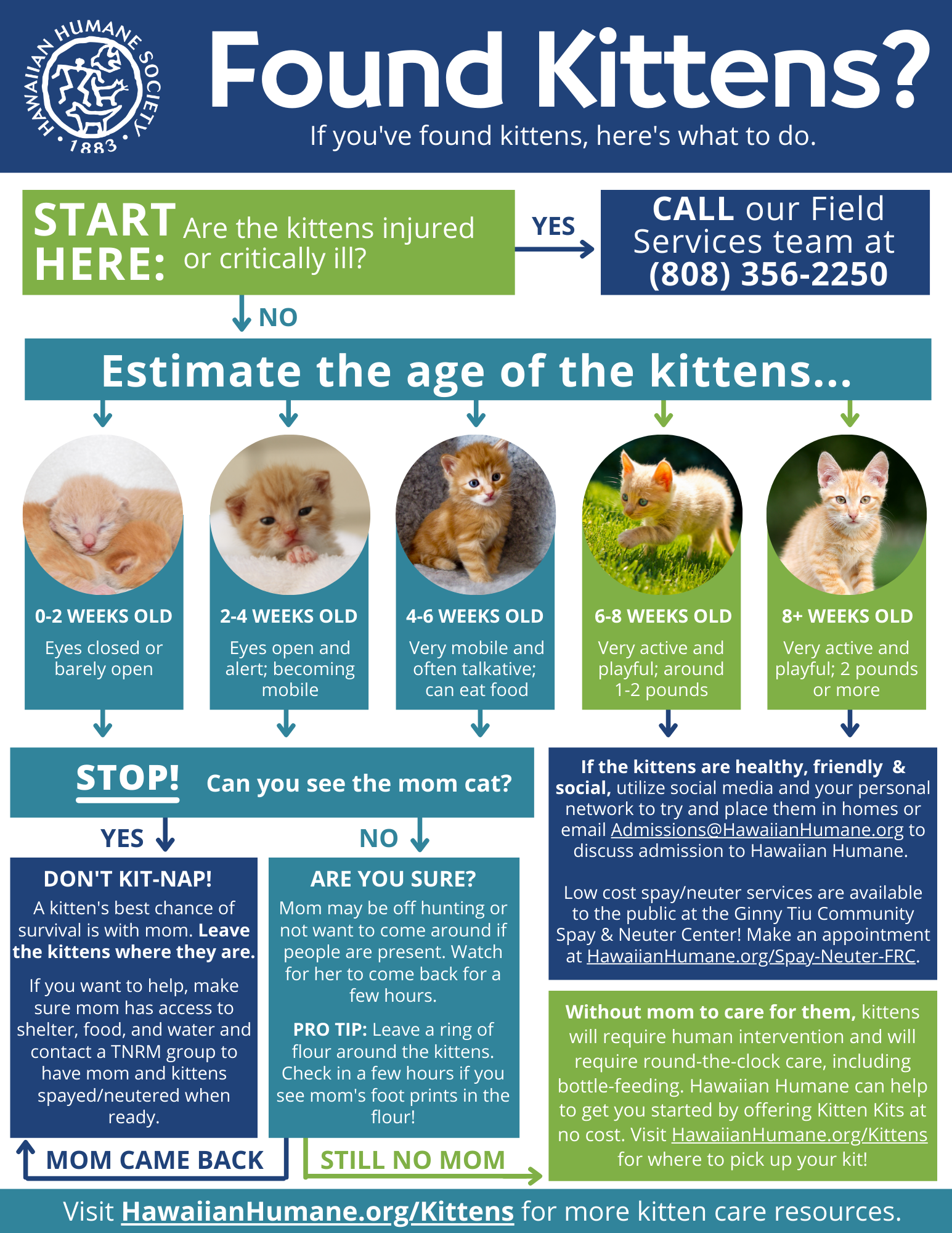
For instance, a four-week-old kitten should be gaining weight steadily, with eyes and ears opening, and initial attempts at walking. By eight weeks, kittens should be fully weaned and showing more independence.
Variations in Growth
It's important to note that every kitten is unique, and growth rates can vary. Factors such as breed, nutrition, environment, and overall health can influence a kitten's development. Here are some key variations to consider:
- Breed: Different cat breeds have distinct growth patterns. For example, larger breeds may take longer to reach maturity.
- Nutrition: A well-balanced diet is crucial for healthy growth. Malnutrition can lead to stunted development.
- Environment: A stimulating and safe environment promotes healthy growth. Stress or lack of stimulation can impact a kitten's development.
- Health: Underlying health issues can affect growth. Regular veterinary check-ups are essential to identify and address any concerns.
Remember, the kitten age chart provides a general guide, and individual kittens may develop at their own pace. If you have concerns about your kitten's growth, consult a veterinarian for personalized advice.
Remember that while this chart provides a great starting point, the exact details may differ slightly based on your kitten's unique development and the specific guidelines you follow. Every kitten is an individual, so keep an eye on their progress and adjust your expectations accordingly.
Feel free to explore our other guides for more practical tips and insights into the wonderful world of kitten care. You'll find a wealth of information to support you and your furry friend through every stage of their growth and development.
Related: How to Read a Puppy Shot Chart?
A puppy shot chart is a handy tool for any pet owner, offering a clear overview of your pup's vaccine journey. This guide will navigate you through the essential info, ensuring you understand the basics of reading and using the chart effectively.
It's a simple yet powerful reference, providing a snapshot of your puppy's health and the crucial vaccinations they need. While the specific values and formats may vary, the puppy shot chart remains a reliable companion, guiding you through the core and non-core vaccine protocol.
Understanding the Puppy Shot Chart
The puppy shot chart is a valuable tool for dog owners, providing a clear guide to vaccinating your furry friend. It's essentially a roadmap, ensuring your puppy gets the right vaccines at the right time. This chart simplifies the process, helping you keep track of your puppy's health and ensuring they receive the necessary protection.
Comparing Vaccine Options and Standards
When it comes to puppy vaccines, there are two main categories: core and non-core vaccines. Core vaccines are essential and recommended for all puppies, protecting against serious, often life-threatening diseases. These typically include distemper, parvovirus, adenovirus, and rabies. Non-core vaccines, on the other hand, are optional and depend on your puppy's lifestyle and risk factors. Examples include vaccines for leptospirosis, Lyme disease, or bordetella (kennel cough). The puppy shot chart will usually list these vaccines separately, allowing you to make informed decisions with your vet.
Step-by-Step Guide to Using the Chart
Here's a simple process to follow when using the puppy shot chart:
Start by familiarizing yourself with the chart. It will typically list the vaccine type, the recommended age or time interval for administration, and sometimes the dosage or volume.
Begin vaccinations early. Puppies are generally given their first set of core vaccines between 6 and 8 weeks of age. This early start is crucial as it helps build their immunity quickly.
Follow the recommended schedule. The chart will guide you on when to give subsequent doses. For core vaccines, these are usually given every 3-4 weeks until the puppy is around 16-18 weeks old.
Discuss non-core vaccines with your vet. Based on your puppy's lifestyle and exposure risks, your vet may recommend additional vaccines. The chart can help you keep track of these too.
Keep a record. It's a good idea to maintain a shot record or health chart for your puppy. This ensures you stay on top of their vaccination schedule and provides a clear history for future reference.
Avoiding Common Misreadings and Pitfalls
While the puppy shot chart is straightforward, there are a few potential pitfalls to watch out for:
Age vs. Weight: Some charts may list vaccine doses based on weight rather than age. Always ensure you're following the correct guidelines for your puppy's age.
Core vs. Non-Core: Distinguish between core and non-core vaccines. Core vaccines are essential, while non-core ones are optional. Your vet will guide you on the best choices for your puppy.
Multiple Doses: Remember that some vaccines require multiple doses to be effective. The chart will guide you on the timing of these doses.
Key Factors Affecting Accuracy and Real-World Use
Several factors can influence the accuracy and application of the puppy shot chart:
- Breed and Size: Different breeds and sizes of puppies may have slightly varied vaccine schedules. Always consult your vet for breed-specific advice.
- Health Status: A puppy's overall health can impact the vaccine protocol. Puppies with certain health conditions may require adjusted timing or doses.
- Lifestyle and Environment: Your puppy's lifestyle and the environment they're exposed to can influence the choice of non-core vaccines. For example, a puppy that spends a lot of time outdoors may need different vaccines than one that mostly stays indoors.
- Regional Differences: Vaccine protocols can vary slightly between regions or countries. Always check with your local vet for the most accurate and up-to-date information.
Adapting the Chart to Your Needs
While the puppy shot chart provides a standard guide, it can be adapted to suit specific needs:
Customizable Charts: Some charts allow you to input your puppy's details, such as breed, age, and weight, to generate a personalized vaccine schedule.
Digital Tools: There are digital puppy health charts and apps that can help you track your puppy's vaccinations and overall health. These can send reminders and provide additional information.
Veterinary Advice: Your vet is the best resource for adapting the chart to your puppy's unique needs. They can guide you on any adjustments needed based on your puppy's health and lifestyle.
Hey there, fellow pet parents! We hope this guide has given you a clear picture of the puppy shot chart and its importance. Remember, while we've covered the basics, the exact details might differ slightly based on your specific circumstances and the recommendations of your veterinarian.
Feel free to bookmark this page for future reference, and don't forget to explore our other guides for more practical pet care tips!