


Puppy Shot Chart Template Overview
A Moncler size chart is a handy tool for anyone looking to navigate their sizing options with ease. This guide will provide a clear overview, offering insights into how to utilize this chart effectively. Whether you're familiar with Moncler's sizing or new to the brand, understanding the size chart is key to ensuring a perfect fit. It's worth noting that sizing can vary, so we'll cover some essential tips to help you interpret the chart accurately, ensuring you make the right choices for your wardrobe.
Understanding the Moncler Size Chart
The Moncler size chart is a valuable tool for anyone looking to purchase Moncler clothing, especially online. It provides a clear guide to help you find your perfect fit, ensuring a comfortable and well-tailored experience. This chart is designed to simplify the sizing process, making it accessible and user-friendly.
Key Details and Categories
The Moncler size chart typically includes measurements for various body parts, such as chest, waist, hips, and sleeve length. These measurements are presented in a clear, tabular format, often with columns for different sizes and rows for each body measurement. The chart may also indicate the standard fit for each size, helping you choose the right style. It's essential to note that Moncler, like many other clothing brands, uses both European and US sizing standards. The chart will usually specify which standard is being used, ensuring accuracy.
Step-by-Step Guide: Reading the Moncler Size Chart
To use the Moncler size chart effectively, follow these steps:
- Identify the sizing standard: Check if the chart uses European or US sizing. This information is crucial for an accurate fit.
- Take your measurements: Using a measuring tape, record your chest, waist, hip, and sleeve length measurements. Ensure the tape is straight and snug, but not tight, to get precise results.
- Compare your measurements: Match your measurements to the corresponding size on the chart. Look for the size where most of your measurements align.
- Consider the standard fit: Moncler provides guidance on the standard fit for each size. This information helps you decide if you prefer a more relaxed or fitted look.
- Double-check specific items: Some Moncler pieces, like jackets, may have unique sizing details. Always refer to the product-specific sizing guide for such items.
Size Variations and Potential Differences
While the Moncler size chart aims for consistency, variations can occur due to:
- Manufacturing processes: Slight differences in production can lead to minor variations in sizing.
- Material stretch: Some fabrics have more give, which can affect the final fit.
- Personal preferences: Individuals may prefer a looser or tighter fit, influencing their size choice.
- Design variations: Certain Moncler styles may have unique cuts or features, impacting the overall fit.
Common Mistakes and How to Avoid Them
To ensure an accurate fit, avoid these common mistakes:
- Relying solely on your usual size: Sizing can vary across brands. Always refer to the Moncler size chart for an accurate fit.
- Ignoring specific item guides: Some Moncler pieces have unique sizing. Always check the product-specific guide.
- Measuring incorrectly: Take precise measurements to ensure an accurate comparison with the chart.
- Neglecting personal preferences: Consider whether you prefer a relaxed or fitted look, and choose accordingly.
Remember, the Moncler size chart is a valuable tool, but it's essential to be mindful of these factors to achieve the perfect fit. With careful consideration and attention to detail, you'll enjoy a comfortable and stylish Moncler experience.
Remember, while this guide offers a comprehensive overview, exact details can vary slightly depending on the specific Moncler product and the context in which you're using the size chart. It's always a good idea to double-check the size guide provided with your chosen item to ensure an accurate fit.
Feel free to bookmark this page for future reference. We also have a range of other practical guides on various topics, so be sure to check them out for all your reference needs!
Related: Find Your Perfect Fit: Bicycle Size Chart
Many people assume that a bicycle size chart is a one-size-fits-all guide, but it's actually a bit more complex than that. While it provides a great starting point, there are various factors to consider when using one. A bicycle size chart is a handy tool, offering a range of measurements and sizes, but it's important to understand that these can vary depending on the type of bike and your personal preferences.
Understanding Bicycle Size Charts
Bicycle size charts are your practical guide to finding the perfect bike fit. These charts help you determine the right frame size and wheel dimensions for your height and riding style.
Key Details and Prerequisites
The bicycle frame size chart typically includes two main measurements: frame size and wheel size. Frame size is usually given in inches or centimeters, referring to the length of the seat tube. Wheel size is also measured in inches, indicating the diameter of the wheel. These charts often provide a range of heights suitable for each frame size, ensuring a comfortable and efficient ride.
Choosing the Right Size: A Step-by-Step Guide
- Start by identifying your height. Most charts will have a height range associated with each frame size.
- Consider your riding style and preferences. Are you a casual rider, a road warrior, or a mountain adventurer? Different styles require different frame geometries and wheel sizes.
- Check the bike sizing guide for your specific needs. Some charts may offer separate recommendations for road bikes, mountain bikes, or hybrid models.
- Measure your inseam length. This measurement is crucial for determining the right seat tube length and ensuring you have enough clearance between the top tube and your body.
- Use the bicycle size chart to cross-reference your height, riding style, and inseam length. This will give you a precise frame size recommendation.
- Don't forget to consider the wheel size. The right wheel size ensures optimal handling and performance.
Variations and Common Mistakes
When using a bicycle size chart, it's important to remember that variations exist due to different international standard measurements and manufacturer preferences. Here are some key factors to consider:
- Road bike dimensions may differ slightly from mountain bike sizing, so be sure to consult the appropriate chart.
- Some charts use imperial units (inches), while others use metric (centimeters). Ensure you're using the correct chart for your region or preferences.
- Rider preferences and comfort levels can also influence the chosen size. Some riders may prefer a more upright position, while others opt for a more aggressive, stretched-out posture.
- Always double-check the exact specifications provided by the manufacturer for your specific bike model, as slight variations can occur.
Remember, a well-fitted bike enhances your riding experience and prevents discomfort or injuries.
Well, that's a wrap on our bicycle size chart guide! We've covered the basics, from understanding the key measurements to learning how to use the chart effectively. Remember, when it comes to finding the perfect bike size, it's essential to consider your unique needs and preferences.
So, before you hit the road, take a moment to ensure you've got the right size for your next cycling adventure. Bookmark this page for future reference, and you'll always have a handy guide to refer back to. Happy cycling!
Related: Understanding UNC Depth Chart Basics
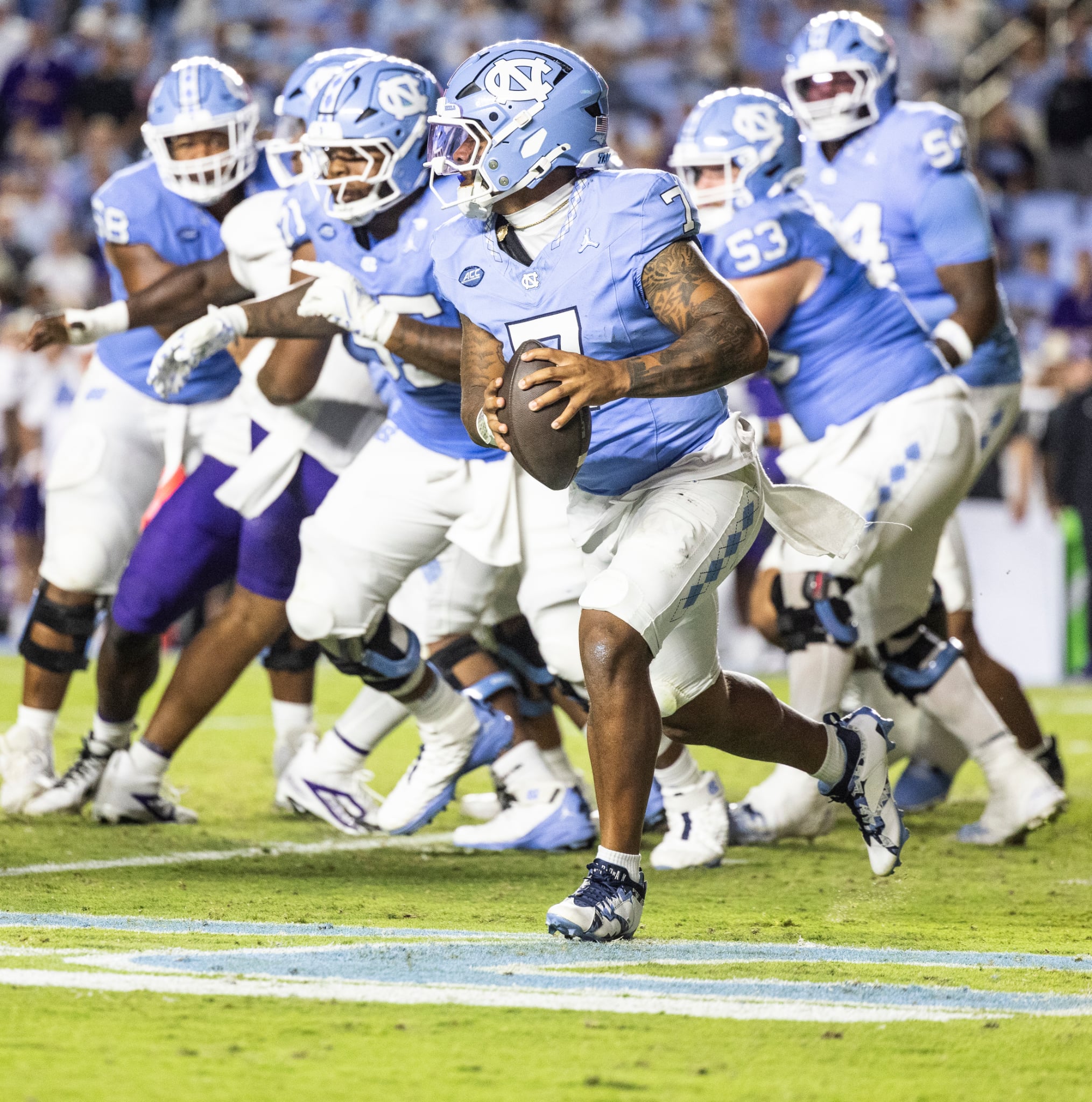
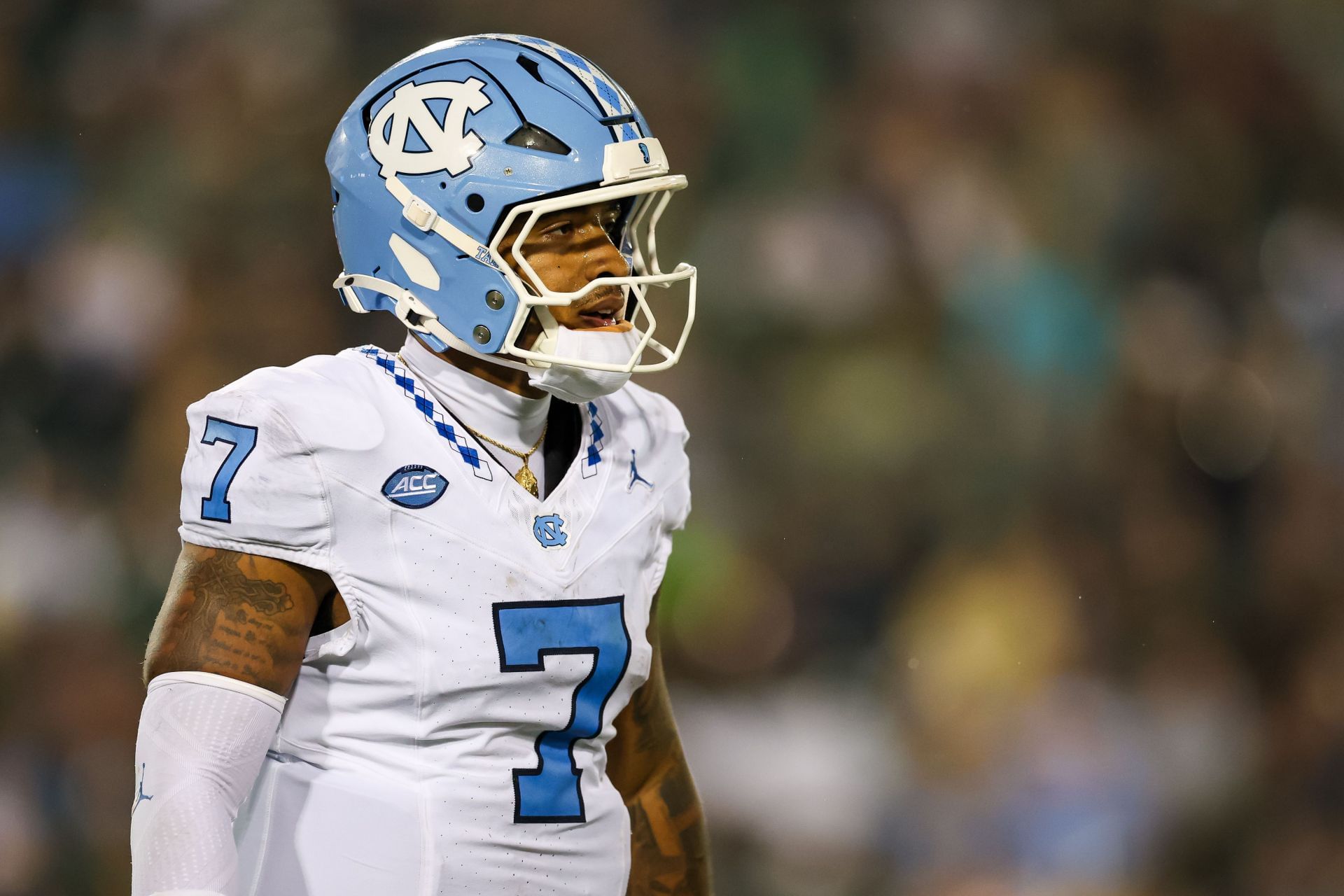
A common misconception about unc depth charts is that they are complex and intimidating, but in reality, they are a straightforward tool to understand. These charts provide a clear visual representation of a team's lineup and player positions, offering a quick reference for fans and analysts alike. While the format and specific details may vary slightly, the unc depth chart serves as an essential guide, especially for North Carolina basketball enthusiasts, to grasp the team's strategy and player dynamics.
Understanding UNC Depth Chart: A Practical Guide
The UNC depth chart is an essential tool for fans, analysts, and coaches to visualize and understand the player lineup and strategies of the University of North Carolina's basketball team. It provides a clear representation of the team's roster, highlighting the roles and positions of each player. This guide will walk you through the key aspects of the depth chart, ensuring you can interpret and utilize it effectively.
Key Details and Categories
The UNC depth chart typically features a table or diagram format, displaying the team's player positions and their respective roles. Common position abbreviations, such as PG (Point Guard), SG (Shooting Guard), PF (Power Forward), and C (Center), are used to identify the players' roles. The chart also includes the players' names, numbers, and sometimes their heights and other relevant stats. Understanding these categories is crucial for a comprehensive analysis.
Reading the Lineup: A Step-by-Step Guide
- Start by familiarizing yourself with the position abbreviations. These abbreviations are standard across NCAA basketball and will help you quickly identify the players' roles.
- Look for the "Starting Five" section, which showcases the players who are expected to start the game. This is often highlighted or listed first on the depth chart.
- Beneath the starting lineup, you'll find the bench players, arranged in a hierarchical order. These players are typically listed based on their experience, skill level, or the coach's preference.
- Pay attention to the depth of each position. A well-balanced depth chart will have multiple players capable of filling in for starters, ensuring the team has options for substitutions and strategies.
- Note any special notes or comments provided by the coach or analysts. These insights can offer additional context, such as injury updates or specific player strengths.
- When analyzing the depth chart, consider the team's overall strategy. Does the lineup favor a fast-paced, offensive-oriented approach, or is it more defensive-minded? Understanding the team's philosophy can enhance your interpretation.
Variations and Differences
It's important to note that UNC depth charts may vary slightly depending on the source and the specific game or season. Coaches may make adjustments based on opponent strategies, player performance, or injury concerns. Additionally, depth charts can evolve throughout the season as players develop and new recruits join the team. It's essential to refer to the most recent and official depth charts to ensure accuracy.
Common Mistakes and How to Avoid Them
One common mistake is relying solely on the depth chart without considering the dynamic nature of basketball. Players may excel in unexpected ways, and injuries or foul trouble can quickly change the lineup. Always keep an eye on the game's flow and be prepared for substitutions or strategic adjustments. Another pitfall is overanalyzing individual player stats without considering their role within the team's overall strategy. Remember, basketball is a team sport, and the depth chart should be viewed as a collective representation.
Practical Tips for Accurate Analysis
When analyzing the UNC depth chart, consider the following best practices:
- Compare the depth chart with the actual game lineup to identify any last-minute changes or surprises.
- Pay attention to the bench players' minutes and performance. A deep bench can be a valuable asset, especially during long tournaments or when facing tough opponents.
- Stay updated with injury reports and player availability. This information can significantly impact the depth chart's accuracy and your predictions.
- Utilize additional resources, such as player interviews, coach insights, and expert analyses, to gain a more comprehensive understanding of the team's strategies and player roles.
By following these guidelines, you'll be able to navigate and interpret the UNC depth chart with confidence, gaining valuable insights into the Tar Heels' lineup and strategies. Remember, basketball is a dynamic sport, and the depth chart is just one tool in your analytical arsenal.
Hey there, reader! I hope this guide has given you a clear understanding of the UNC depth chart and its practical applications. Remember, while the basics remain consistent, exact details might differ slightly based on your specific context or the standards you follow.
Feel free to explore other guides on our platform to deepen your knowledge. We've got a range of topics covered, so you can continue your learning journey at your own pace. Happy reading and stay organized!