







Pusd School Calendar Overview
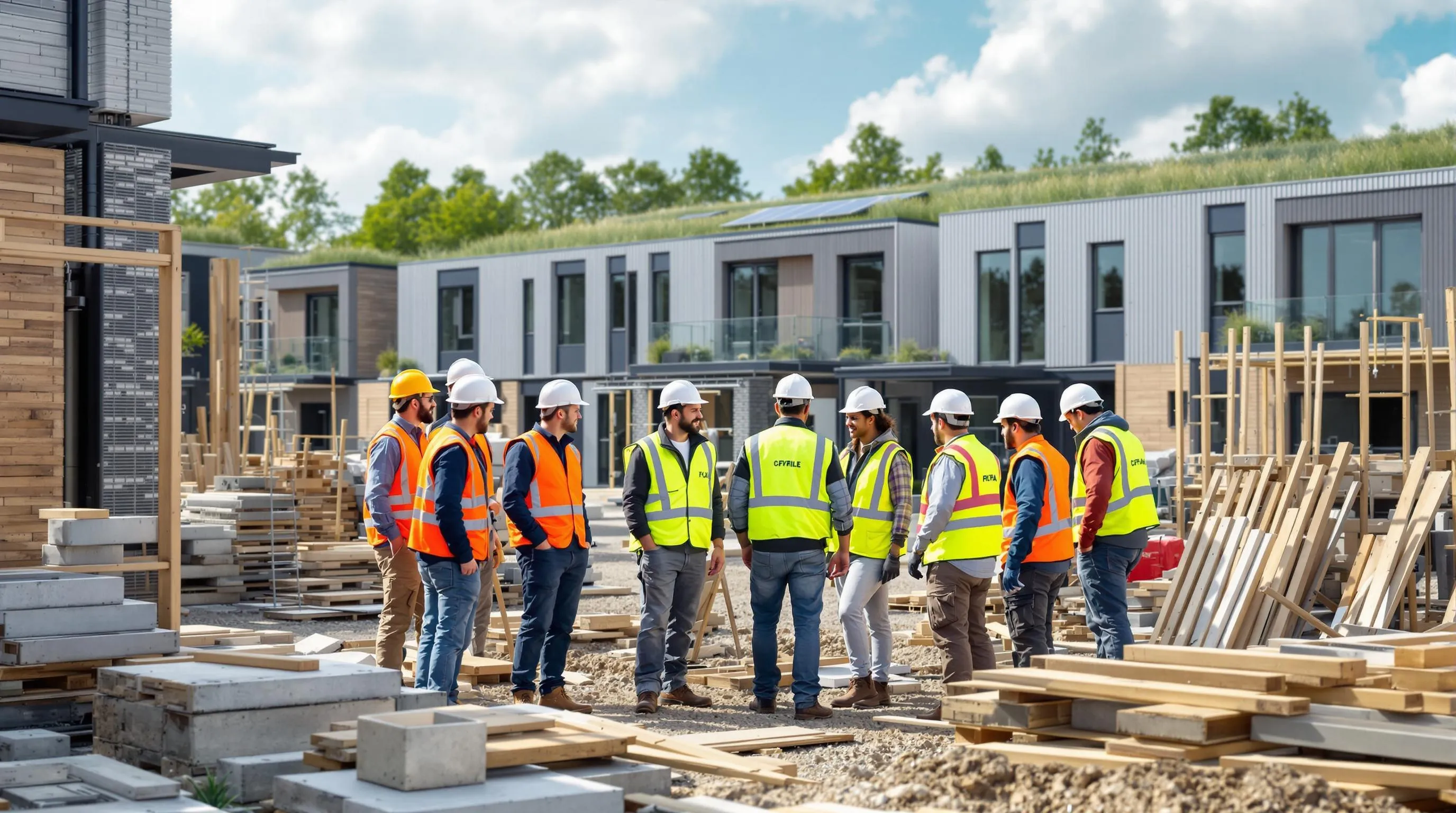
Construction companies that build schools are an essential part of our communities, and yet, they often go unnoticed. Every time I walk past a new school building or see an old one getting a much-needed upgrade, I'm reminded of the hard work and expertise that goes into these projects. So, let's explore what these companies do, why they matter, and how they impact our lives.
Building Knowledge: An Inside Look
Construction companies that build schools specialize in creating educational spaces. They take on the task of designing, constructing, and often remodeling these facilities to provide the best learning environments for students. From kindergarten classrooms to university lecture halls, these companies play a vital role in shaping our educational infrastructure.
The process involves a lot more than just bricks and mortar. It requires careful planning, skilled labor, and an understanding of educational needs. These companies work closely with architects, engineers, and educational experts to ensure the final product meets all the necessary standards and regulations. They consider factors like safety, accessibility, and the unique requirements of different age groups and subjects.
What Makes a Good School Construction Company?
When it comes to choosing a company for your school project, there are several key factors to consider. First and foremost, you want a company with a proven track record in educational construction. Look for experience and a portfolio that showcases a variety of school projects. This ensures they understand the specific needs and challenges of building for education.
Another crucial aspect is communication. A good construction company will keep you informed throughout the process, providing regular updates and addressing any concerns promptly. They should also be transparent about their pricing and provide detailed, itemized quotes. Remember, it's not just about the initial cost but also the long-term value and durability of the construction.
Naming the Game: Construction Company Names
Naming a construction company is an art in itself. A good name should be memorable, professional, and reflect the company's expertise and values. It might include a reference to education, learning, or the specific services they offer. Here are a few original ideas:
- Educonstruct
- Build-Ed
- Schoolhouse Builders
- Learning Legacy Construction
- Scholar's Choice
- Smart Build
Before settling on a name, it's essential to check its availability for domains and local business registration. A unique and available name will help your construction company stand out and be easily found.
The People Behind the Projects
Construction companies that build schools employ a range of skilled professionals. From project managers and estimators to architects and engineers, each role is crucial to the success of a school construction project. These individuals bring their expertise and passion to create functional, inspiring spaces for learning.
Project managers, for instance, oversee the entire process, ensuring everything stays on track and within budget. Estimators provide cost analyses and help with financial planning. Architects and engineers design and plan the building, considering structural integrity and functionality. Each role is vital, and these professionals often work together seamlessly to bring a school project to life.
Final Thoughts
Construction companies that build schools are more than just builders; they're creators of learning environments. Their work impacts the education and future of our communities. By understanding the process, the people involved, and the factors that influence construction, we can appreciate the value and complexity of these projects. So, the next time you pass a school, take a moment to think about the hard work and dedication that went into its creation.
Related: Uncover the Secrets of Wells Tide Chart
Many people often overlook the importance of a wells tide chart, assuming it's just a simple diagram. However, it's a powerful tool with a specific purpose. The tide chart provides essential information for anyone near the Port of Wells, offering a quick glimpse at tide times, heights, and water levels. It's a handy reference, ensuring you're prepared and aware of the tidal range.
Understanding the Wells Tide Chart
The wells tide chart is your go-to guide for predicting water levels at the Port of Wells. It's a simple yet powerful tool that provides essential information for various activities, from boating to fishing and even beach walks. This chart displays the predicted tide heights and times for a specific location, helping you plan your day accordingly.
Key Details and Categories
Before diving into the chart, it's important to know a few basics. The wells tide chart typically shows two main categories: tide heights and times. Heights are represented in feet and indicate how high or low the water level will be at a given time. Times are shown in a 24-hour clock format, so you can easily plan your activities. The chart also includes a legend or key, which explains any symbols or colors used to differentiate between high and low tides.
Reading the Graph: A Step-by-Step Guide
Here's a simple guide on how to read and interpret the wells tide chart:
- Locate the date and time you're interested in. This is usually shown along the bottom or side of the chart.
- Find the corresponding tide height for that time. The height is typically indicated by a line or bar, with the value shown next to it.
- Understand the tide type. High tides are often represented by a solid line or bar, while low tides may be dashed or have a different color.
- Plan your activities accordingly. If you're boating, consider the tide height and its impact on water depth. For beach activities, knowing the tide times can ensure you have enough space to enjoy the shore.
Common Fluctuations and Variations
While the wells tide chart provides accurate predictions, it's important to note that tide heights and times can vary due to several factors:
- Weather conditions: Storms or strong winds can influence water levels and cause unexpected fluctuations.
- Moon phases: The gravitational pull of the moon affects tides, so full or new moon phases may result in higher or lower tides than predicted.
- Seasonal changes: Tides can vary slightly throughout the year due to seasonal patterns.
- Local geography: The shape of the coastline and nearby landforms can impact how tides behave in a specific area.
Remember, while the wells tide chart is a valuable tool, it's always a good idea to keep an eye on real-time conditions and be prepared for any unexpected changes.
Hey there! I hope this guide has given you a clear understanding of wells tide charts and how to use them effectively. Remember, while the basics remain the same, the exact details might differ slightly depending on your location and the source you're using.
So, the next time you need a quick reference, feel free to bookmark this page for easy access. It's always good to have these practical guides handy, and I'm sure you'll find them useful in various situations. Happy charting!
Related: Construction Industry Sustainability Essential Guide
Construction industry sustainability is a buzzword these days, but it's more than just a trend. It's about building a better future, literally and figuratively. So, let's break it down and see what it's all about.
Building a Greener Future
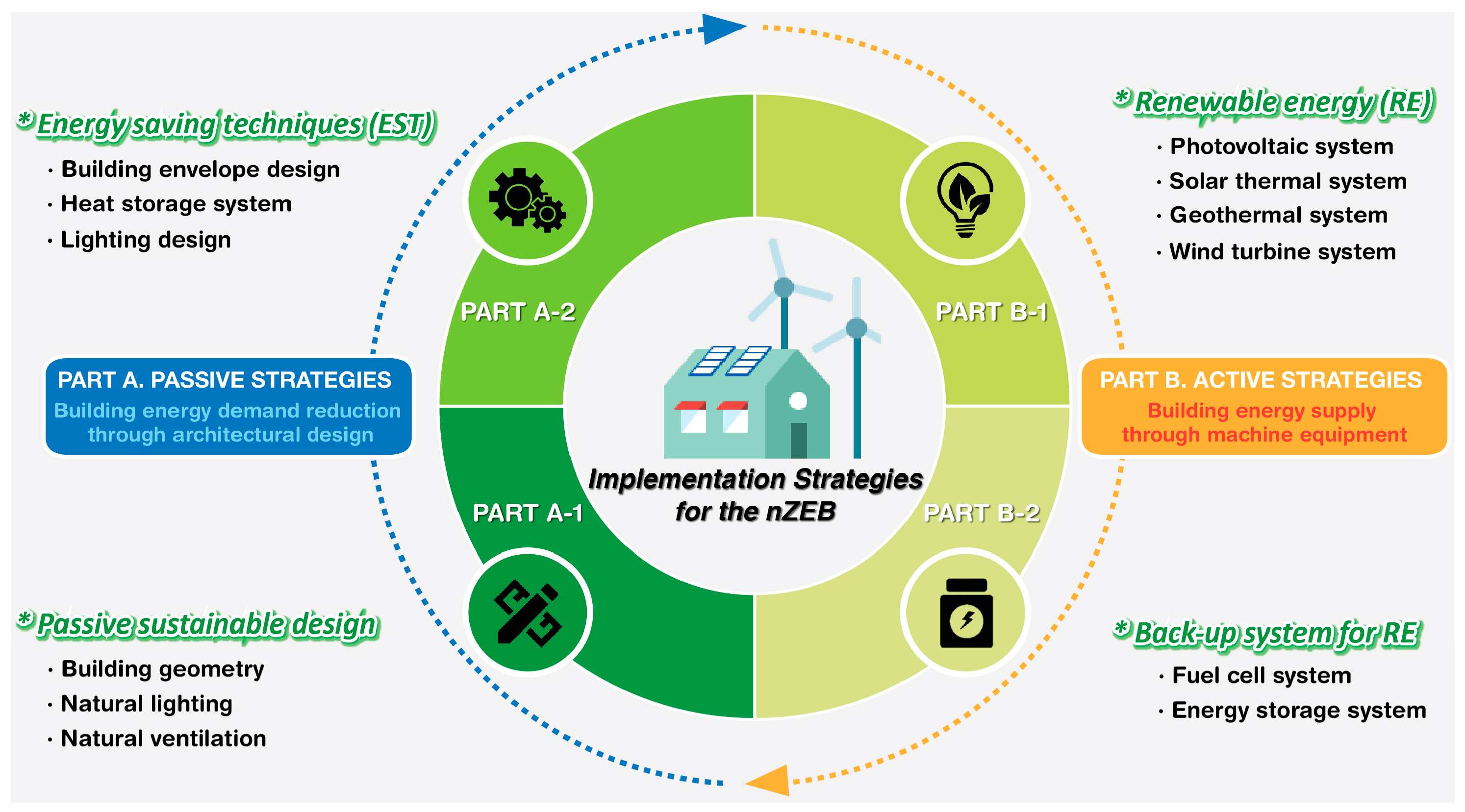
Construction industry sustainability is all about creating a more environmentally friendly and socially responsible approach to building. It's not just about the end result, but the entire process, from design to completion. By adopting sustainable practices, the construction industry aims to reduce its environmental impact and create a more sustainable world.
This means considering the long-term effects of construction projects and finding ways to minimize waste, conserve resources, and promote energy efficiency. It's about using materials that are eco-friendly, durable, and locally sourced whenever possible. Sustainable construction also involves thinking about the well-being of workers and the community, ensuring fair practices and minimizing disruptions.
Practical Steps for a Sustainable Build
So, how can you ensure your construction project is sustainable? Here are some key considerations:
Materials: Opt for sustainable and recycled materials. Look for certifications like LEED or Energy Star to guide your choices. Consider the lifespan and maintenance needs of materials to reduce future costs and environmental impact.
Energy Efficiency: Focus on insulation, efficient HVAC systems, and smart design to minimize energy consumption. Proper insulation and energy-efficient appliances can significantly reduce a building's carbon footprint.
Waste Management: Implement a waste reduction plan. Separate and recycle construction waste, and consider donating or reusing materials where possible. Proper waste management not only benefits the environment but can also save costs.
Water Conservation: Install water-efficient fixtures and consider rainwater harvesting systems. These practices can reduce water usage and lower utility costs.
Green Spaces: Incorporate green roofs or walls to improve air quality, reduce urban heat, and provide habitat for local wildlife. Green spaces also enhance the aesthetic appeal of a building.
Choosing the Right Contractor
When hiring a contractor, sustainability should be a key factor. Ask about their experience with sustainable practices and their commitment to environmental initiatives. Look for certifications or memberships with green building organizations. Ensure they have a track record of successful sustainable projects.
Get detailed quotes that break down costs and materials. Compare quotes, but remember, the cheapest option might not always be the most sustainable or reliable. Ask for references and check their past work to ensure they deliver on their promises.
The Future of Construction
Construction industry sustainability is not just a passing trend; it's a necessary evolution. As the industry adapts, we can expect to see more innovative materials, efficient technologies, and a greater focus on renewable energy integration.
Large construction firms are already leading the way with ambitious sustainability goals and innovative projects. However, small and medium-sized businesses are also crucial to this movement, as they can adapt quickly and bring sustainable practices to a wider range of projects.
So, whether you're planning a home renovation or a large-scale development, consider the long-term benefits of construction industry sustainability. It's an investment in our planet's future and a step towards a more responsible and resilient industry.