








Quotation Request Template Email Overview
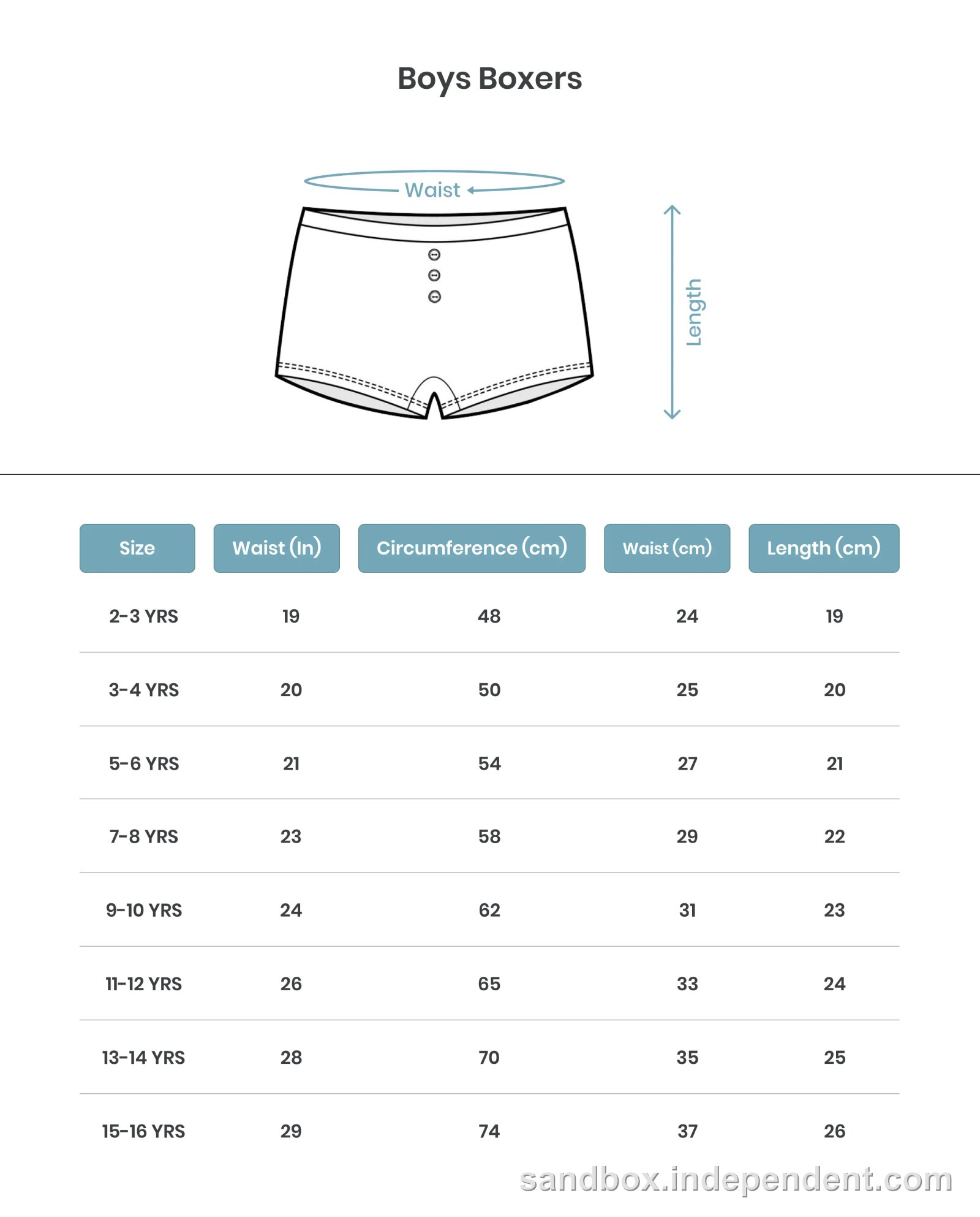
Frustrated by the endless search for the right size? You're not alone. That's why having a reliable ae size chart at your fingertips can be a game-changer. It's a simple yet effective tool, offering a quick solution to a common dilemma. This chart provides a clear and concise guide, helping you navigate the world of apparel sizing with ease. Whether you're an online shopper or prefer in-store browsing, understanding ae size charts and apparel size guides is key to ensuring a perfect fit every time.
Understanding the AE Size Chart: A Quick Overview
The ae size chart is a handy tool for anyone shopping for apparel, especially online. It provides a standardized guide to help you choose the right size for your body measurements. This chart is particularly useful for the AE (American Eagle) brand, ensuring a perfect fit for their clothing range.
Comparing Size Chart Standards and Formats
Size charts can vary depending on the brand and region. The AE size chart follows the US sizing standard, which is different from international or metric sizing. It's important to note that even within the US, some brands may have slightly different size guides, so always refer to the specific brand's chart for accuracy.
Step-by-Step Guide to Using the AE Size Chart
Using the AE size chart is straightforward:
Take your body measurements: bust, waist, and hip. These are the key measurements for most apparel items. Ensure you measure accurately and consistently.
Locate your measurements on the chart. The chart will typically have a column for each measurement type (bust, waist, hip) and rows for different sizes.
Find the size where your measurements intersect. For example, if your bust measurement corresponds to a size 6 and your waist and hip measurements align with size 8, you might want to opt for a size 8 to ensure a comfortable fit.
Consider the garment type. Different clothing items may fit differently, so always check the product description for any specific fitting notes or recommendations.
If you're still unsure, refer to the brand's size guide, which often provides additional fitting tips and advice.
Common Misreadings and How to Avoid Them
One common mistake is assuming that all brands use the same size chart. Always double-check the brand's specific size guide, as even within the US, there can be slight variations.
Another pitfall is relying solely on your usual size without considering your actual measurements. Remember, size charts are guidelines, and your body measurements are unique. Always measure yourself and refer to the chart for the best fit.
Factors Affecting Accuracy and Real-World Use
Several factors can impact the accuracy of size charts and your real-world experience:
Fabric type and stretchiness: Some fabrics have more give, so a garment might fit differently depending on the material.
Style and cut: Different clothing styles can have varying fits, even within the same size. For example, a loose-fit top might feel more comfortable than a fitted one, even if they are the same size.
Personal preference: Some people prefer a tighter or looser fit. Consider your personal style and comfort when choosing a size.
Body shape variations: Size charts provide a general guide, but everyone's body is unique. If you have a unique body shape, you might need to size up or down to achieve the desired fit.
Remember, the ae size chart is a helpful tool, but it's not an exact science. Always trust your measurements and consider the specific garment's style and fabric when making your size choice.
Well, there you have it! A quick and easy guide to navigating the world of AE size charts. Remember, these charts are a handy tool, but it's always wise to double-check the specific context and requirements for your project.
Consider bookmarking this page for future reference; it's a simple way to ensure you always have the right information at your fingertips. Happy measuring, and may your creations fit perfectly!
Related: Biggest Essential Construction Company in the World
I was curious about the biggest construction company in the world the other day, and it got me thinking about the scale of these businesses. It's fascinating to consider the impact they have on our cities and the industry as a whole. So, let's explore what this title entails and how these companies operate.
The Scale and Scope of the Biggest Construction Companies
When we talk about the biggest construction companies, we're referring to the giants of the industry, the ones with vast resources and a global reach. These companies undertake massive projects, from building iconic skyscrapers to developing entire infrastructure networks. Their size allows them to take on complex and ambitious ventures that smaller firms might struggle with.
The key to their success lies in their ability to manage large-scale operations efficiently. They have the expertise and manpower to handle every aspect, from initial planning and design to execution and completion. With their extensive resources, they can source materials, hire specialized talent, and navigate the challenges of construction on a grand scale.
What Makes a Construction Company 'Big'?
Being the biggest doesn't solely depend on revenue or project size. It's a combination of factors. These companies often have a diverse portfolio, covering various sectors like commercial, residential, and civil engineering. They might have a strong presence in multiple countries, with offices and operations spanning continents. Their ability to adapt to different markets and regulations is a significant advantage.
Additionally, the biggest construction companies are known for their innovative approaches. They invest in research and development, adopting new technologies and sustainable practices. This not only keeps them competitive but also ensures they can deliver projects efficiently and with minimal environmental impact.
Practical Considerations for Construction Projects
If you're considering a construction project, whether it's a home renovation or a commercial development, understanding the industry dynamics is crucial. When hiring a contractor or company, research is key. Check their reputation, past projects, and client testimonials. Get multiple quotes to compare prices and ensure you're not overpaying.
For smaller-scale projects, you might want to consider local, specialized contractors. They often offer more personalized service and can provide unique insights into local regulations and market trends. However, for larger ventures, the biggest construction companies can bring their expertise and resources to ensure a successful outcome.
Naming Your Construction Business
Choosing a name for your construction business is an important step. It should be memorable, reflect your services, and stand out in a competitive market. Avoid generic names; instead, opt for something unique and catchy. Consider names that evoke strength, reliability, and innovation. Here are a few ideas:
- BuildTech Solutions
- Constructive Innovations
- Skyrise Builders
- Earthworks Construction
- GreenBuild Alliance
Remember to check name availability and secure your domain and local registrations before finalizing your choice.
The Industry and Its Tools
The construction industry relies on various tools and databases to stay efficient and competitive. RSMeans, for instance, is a popular cost-estimating resource used by professionals. It provides accurate data on construction costs, helping contractors and companies plan and manage their finances effectively.
Other tools include cost databases and escalation indexes, which help predict and manage cost fluctuations. These resources are essential for large-scale projects, ensuring that budgets are realistic and can adapt to changing market conditions.
Final Thoughts
Exploring the world of construction, especially the biggest players, is an eye-opening experience. These companies shape our physical environment and drive innovation. Whether you're a homeowner, a business owner, or an industry professional, understanding the dynamics of the construction industry can help you make informed decisions and navigate the world of building and development.
Related: Understanding the Drill Tap Chart: A Simple Guide
Many folks tend to overlook the drill tap chart, assuming it's just a simple table, but it's a powerful tool with a hidden depth. This chart is a handy reference, often overlooked, yet it holds the key to precise drilling and tapping, ensuring your projects are spot on. While it may seem straightforward, there's more to it than meets the eye, and understanding its nuances is crucial for accurate results.
Understanding the Drill Tap Chart
The drill tap chart is a handy reference tool for anyone working with drills and taps. It provides a quick guide to selecting the right drill bit size for a specific tap size, ensuring a secure and efficient fit. This chart is a valuable resource for professionals and hobbyists alike, offering a simple way to determine the correct drill bit diameter needed to create the perfect thread for your tap.
Key Details and Categories
The drill tap chart typically displays two main categories: drill bit sizes and corresponding tap sizes. These sizes are usually presented in standard measurements, such as inches or millimeters, depending on the region and the standard being followed. The chart provides a clear, visual representation of the relationship between drill bit and tap sizes, making it easy to identify the appropriate drill bit for a given tap.
How to Read and Use the Chart
Using the drill tap chart is straightforward. Here's a step-by-step guide:
Identify the tap size you require for your project. This information is usually available on the tap packaging or can be found in the product specifications.
Locate the tap size on the chart. The tap size is typically listed on the left side of the chart, with corresponding drill bit sizes displayed across the top or in a separate column.
Find the intersection of the tap size and the drill bit size column. This intersection point indicates the recommended drill bit size for that particular tap.
Select the appropriate drill bit based on the chart's recommendation. Ensure you choose a drill bit with the correct diameter to achieve a precise and secure fit.
Double-check the tap drill size calculator or consult the chart again if you need to confirm the size for a specific tap. It's always a good practice to verify, especially for critical applications.
Variations and Differences
While drill tap charts provide a standardized guide, variations can occur due to different standards and regions. For instance, the metric drill tap chart may have slightly different values compared to the imperial (inch) chart. Additionally, some manufacturers might offer their own charts with specific recommendations, especially for unique or specialized tap designs. It's essential to be aware of these variations and refer to the appropriate chart for your specific needs and region.
Common Mistakes and How to Avoid Them
One common mistake is assuming that all drill tap charts are universal. Always ensure you are using the correct chart for your region and standard. Another pitfall is neglecting to verify the tap drill size calculator or chart for specific tap designs. Some taps, especially those with unique thread profiles, may require a slightly different drill bit size than what is commonly recommended. To avoid these issues, always double-check the exact specifications and consult the relevant charts or calculators for your specific application.
Well, there you have it! A drill tap chart is a handy tool to have in your back pocket, offering a quick and easy reference for your drilling and tapping needs. It's a simple concept but one that can save you time and ensure accurate results.
Remember, while these charts provide a great starting point, exact values can vary slightly depending on your specific context and the standard you're working with. So, always double-check your requirements before you begin. Consider this article your go-to guide; bookmark it for future reference, and you'll never be lost for the right drill tap info again!