


R454b Pt Chart Template Overview
An army ribbons chart is a handy tool for anyone wanting to quickly identify and understand military awards and decorations. This guide will give you a simple breakdown of what these charts are and how they work, covering the basics you need to know.
These charts, often referred to as an army awards chart or military ribbon rack, provide a visual representation of the various service ribbons and medals. While the specific values and formats may vary, they offer a clear and concise way to display and organize these awards, ensuring an accurate and efficient reference.
Understanding Army Ribbons Chart
An army ribbons chart is a visual guide that displays the various awards and decorations earned by military personnel. It provides a clear and organized way to showcase an individual's achievements and honors. This chart is an essential tool for understanding and appreciating the recognition given to service members.
Key Details and Categories
The chart typically includes different types of ribbons, each representing a specific award or decoration. These ribbons are arranged in a specific order, known as the "award and decoration order." The order is crucial as it indicates the seniority and importance of each award. Common ribbon categories include service ribbons, campaign ribbons, and achievement medals. Each ribbon has its own unique design and color scheme, making it easy to identify.
Reading the Rack: A Step-by-Step Guide
When reading an army ribbons chart, pay attention to the placement and arrangement of the ribbons. The chart often follows a standard format, with ribbons displayed in rows or columns. Start by identifying the top row, which usually represents the highest-ranking awards. Work your way down, noting the different ribbons and their positions. Each ribbon's position indicates its order of precedence, with the most prestigious awards placed higher.
Variations and Differences
It's important to note that army ribbons charts can vary depending on the military branch and the specific standards followed. Different countries and regions may have their own unique award systems and ribbon designs. Additionally, within the same military branch, variations can occur due to changes in regulations or the introduction of new awards. Common factors that cause variations include the individual's service record, unit-specific awards, and the time period in which the awards were earned.
To ensure accuracy, it's recommended to refer to official sources and guidelines provided by the relevant military branch. These sources will provide detailed information on the correct placement and order of ribbons, ensuring an accurate and respectful display. Remember, the army awards chart is a dynamic representation of an individual's achievements, and understanding these variations is key to interpreting it correctly.
Well, there you have it! A handy chart to keep close by for all your army ribbon queries. Remember, these are general guidelines, and it's always wise to confirm the specifics for your particular situation.
Feel free to explore our other resources on similar topics. We've got a bunch of guides and references to help you navigate these details with ease. Happy learning!
Related: Jacket Size Chart: A Simple Guide to Perfect Fit
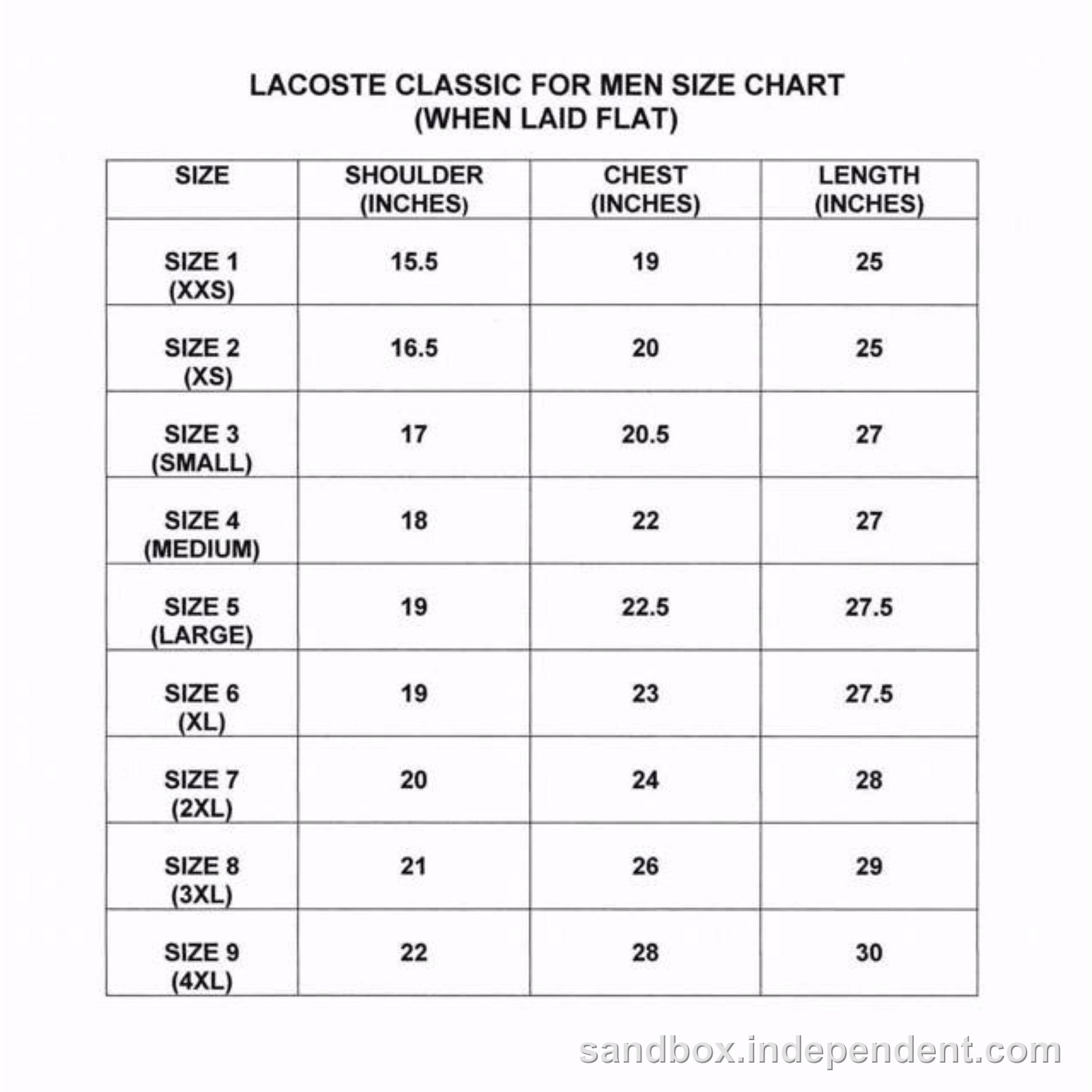
A jacket size chart is a handy tool to ensure you get the perfect fit when shopping for outerwear. This guide will navigate you through the process of understanding and utilizing these charts effectively. Whether you're seeking a coat size chart or a jacket sizing guide, this reference covers the basics to help you find your ideal size. While values may vary across different brands and standards, a clear jacket size chart can provide a reliable starting point for your measurements.
Understanding Jacket Size Charts
A jacket size chart is a valuable tool for anyone looking to purchase a jacket that fits perfectly. It provides a standardized guide to help you determine your ideal size based on various measurements. This chart is an essential reference, ensuring you make an informed choice and avoid common sizing pitfalls.
Key Details and Categories
The jacket size chart typically includes measurements such as chest circumference, sleeve length, and sometimes waist or hip measurements, depending on the style of the jacket. These measurements are presented in a clear, tabular format, often with columns indicating different sizes and rows for each measurement type. The chart may also provide guidance on how to measure these body parts accurately. It's important to note that the units of measurement can vary; some charts use inches, while others use centimeters. Always check the units before taking measurements.
Step-by-Step Guide: Reading and Applying the Chart
To use a jacket size chart effectively, follow these steps:
- Gather the necessary measuring tools, such as a flexible tape measure. Ensure it's suitable for measuring both your body and the jacket.
- Take accurate measurements of your body. Measure your chest circumference at the fullest part of your chest, ensuring the tape is not too tight or too loose. For sleeve length, measure from the center of the back of your neck to the desired sleeve length.
- Refer to the jacket size chart and locate the size that best matches your measurements. Look for the size where your chest circumference and sleeve length (or other relevant measurements) fall within the specified range.
- If your measurements fall between two sizes, consider the fit you prefer. If you want a looser fit, choose the larger size; for a more tailored look, opt for the smaller size.
- Check the jacket's specific sizing guidelines, if available. Some brands or styles may have unique sizing recommendations or variations.
Variations and Differences Across Standards
Jacket size charts can vary depending on several factors. One significant factor is the region or country of origin. International size standards can differ, with variations between the US, Europe, and other regions. For instance, a size 'M' in the US may not correspond to the same size in Europe. Additionally, different manufacturers may have their own sizing systems, which can lead to slight variations even within the same region. It's crucial to be aware of these differences and refer to the specific jacket size chart provided by the brand or retailer.
Common Mistakes and How to Avoid Them
One common mistake is assuming that all jacket size charts are universal. Always check the specific chart for the brand or style you're interested in. Another pitfall is measuring yourself incorrectly. Ensure you follow the guidelines provided on the chart for accurate measurements. Avoid estimating or guessing your size, as this can lead to an ill-fitting jacket. Lastly, be mindful of the style and cut of the jacket. Some jackets, like tailored blazers, may require more precise measurements compared to casual, loose-fitting styles.
Practical Tips for Accurate Results
To ensure an accurate fit, consider the following tips:
- Measure yourself regularly, as your body shape can change over time.
- Take measurements at the same time of day, as body shape can vary slightly throughout the day.
- If you're between sizes, consider the fabric and stretchiness of the jacket material. A more flexible fabric may allow for a slightly looser fit.
- Don't be afraid to try on multiple sizes, especially if you're shopping online. Many retailers offer easy return policies.
- Pay attention to the jacket's intended fit. Some jackets are designed to be oversized or fitted, and this can impact your sizing choice.
Double-Check and Handle Exceptions
While jacket size charts provide a great starting point, there are some exceptions to consider:
- If you have a unique body shape or specific fit preferences, you may need to adjust the standard measurements. For example, if you have a broad chest and narrow shoulders, you might need to choose a size based on your chest measurement, even if it means the sleeve length is slightly longer.
- Certain jacket styles, like puffer jackets or down-filled coats, may have different sizing considerations due to the bulkiness of the insulation. In such cases, it's essential to check the brand's specific sizing guidelines.
- Always refer to the product description and reviews for additional sizing insights. Sometimes, customers provide valuable feedback on the fit and sizing of a particular jacket.
Remember, while this chart provides a comprehensive guide, it's always wise to confirm the specific requirements for your intended use. Exact values can vary, so double-check the standards or guidelines relevant to your context.
Consider bookmarking this page for future reference; it's a handy tool to have at your fingertips when you need a quick reminder on jacket sizing. Stay organized, and happy measuring!
Related: A Simple Piano Notes Chart Guide
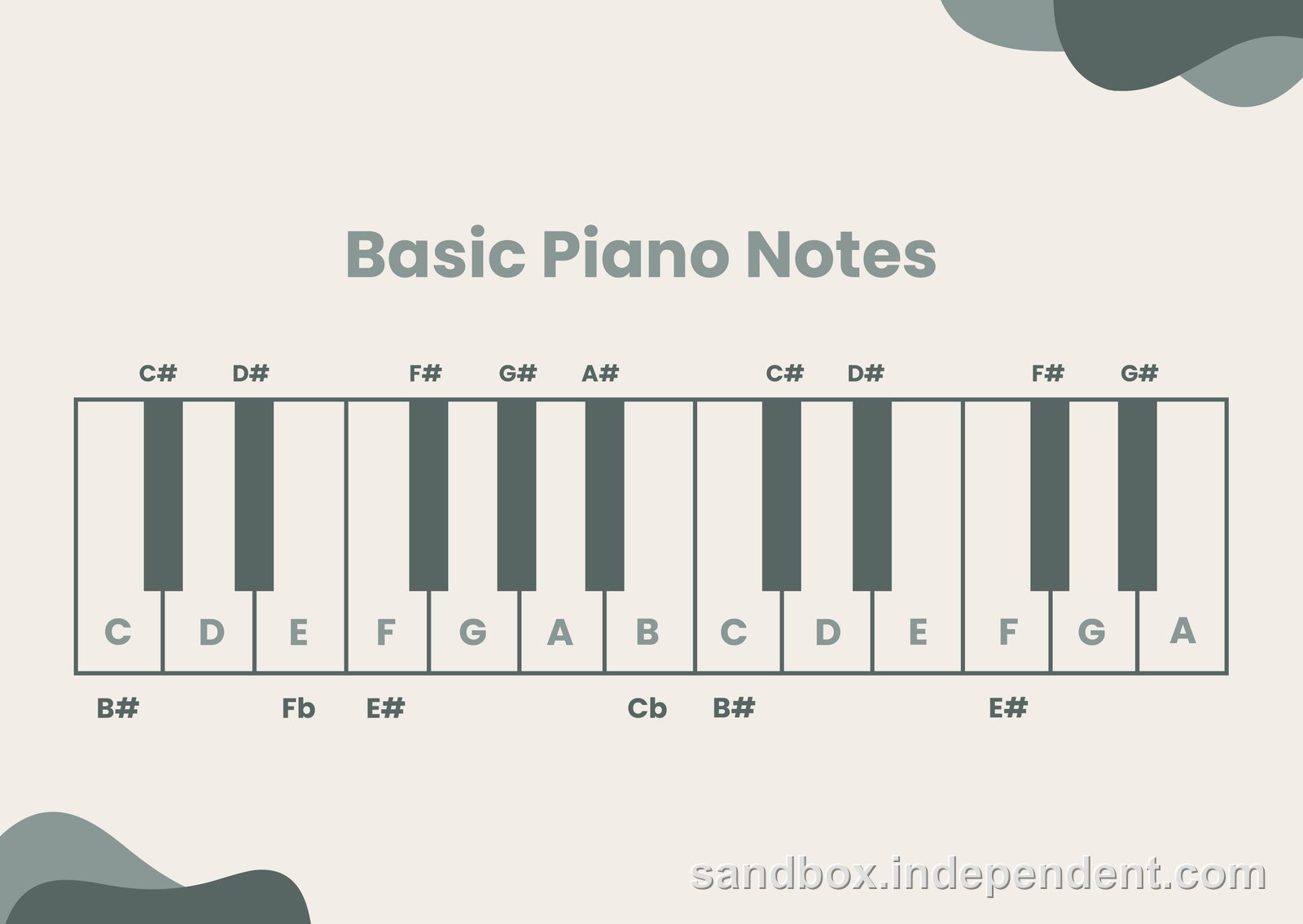
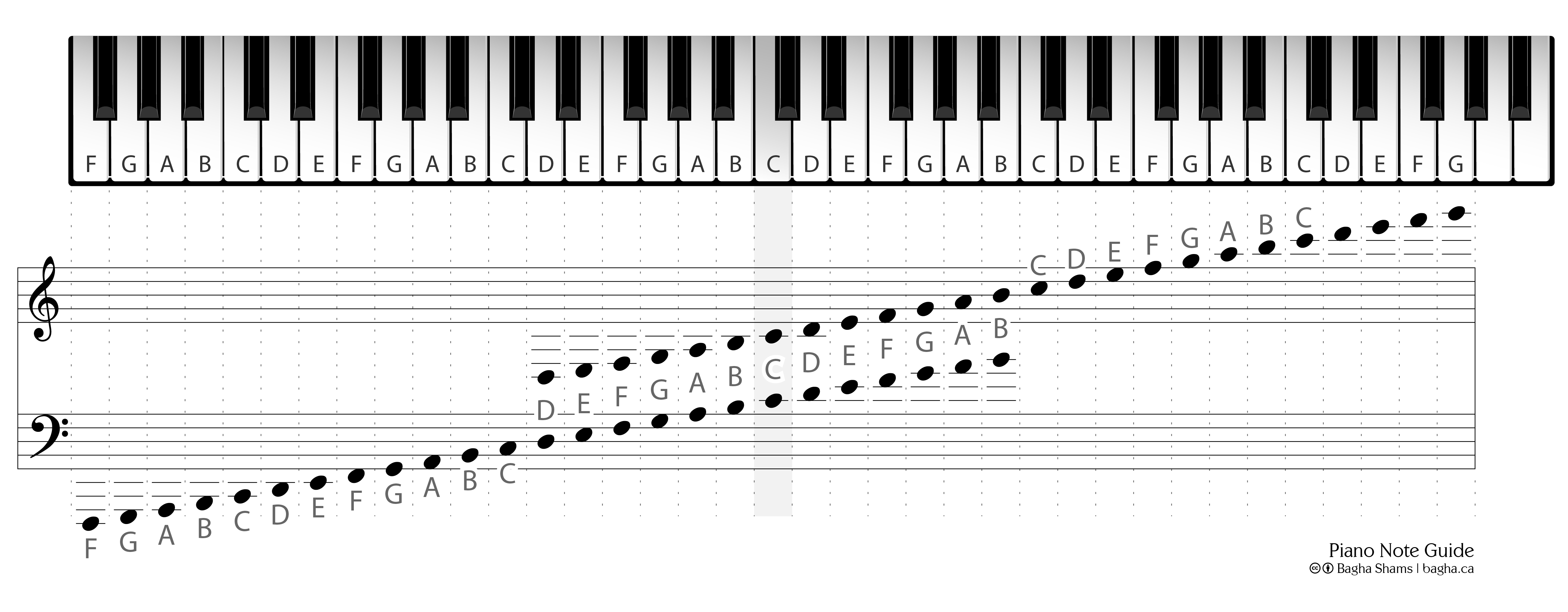
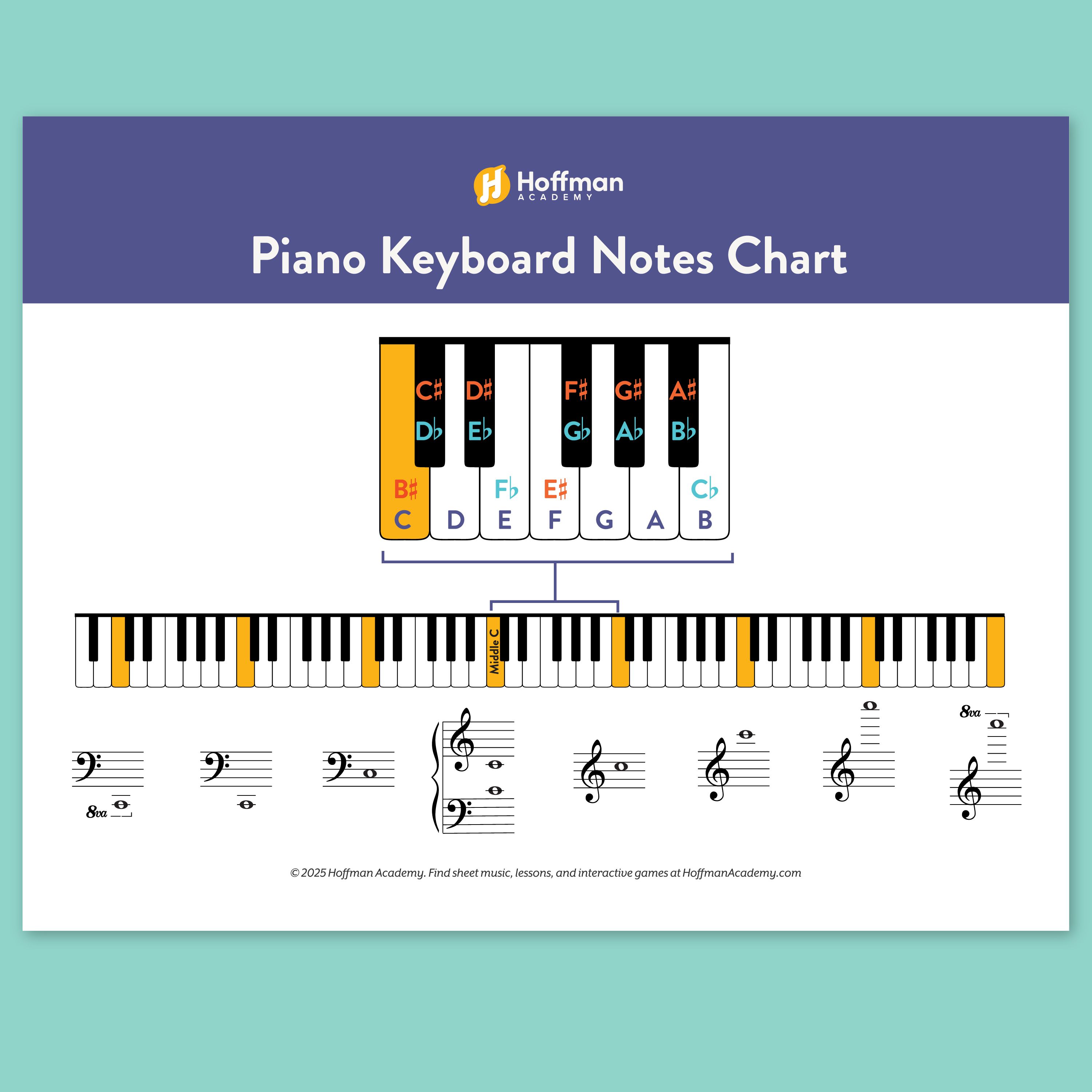
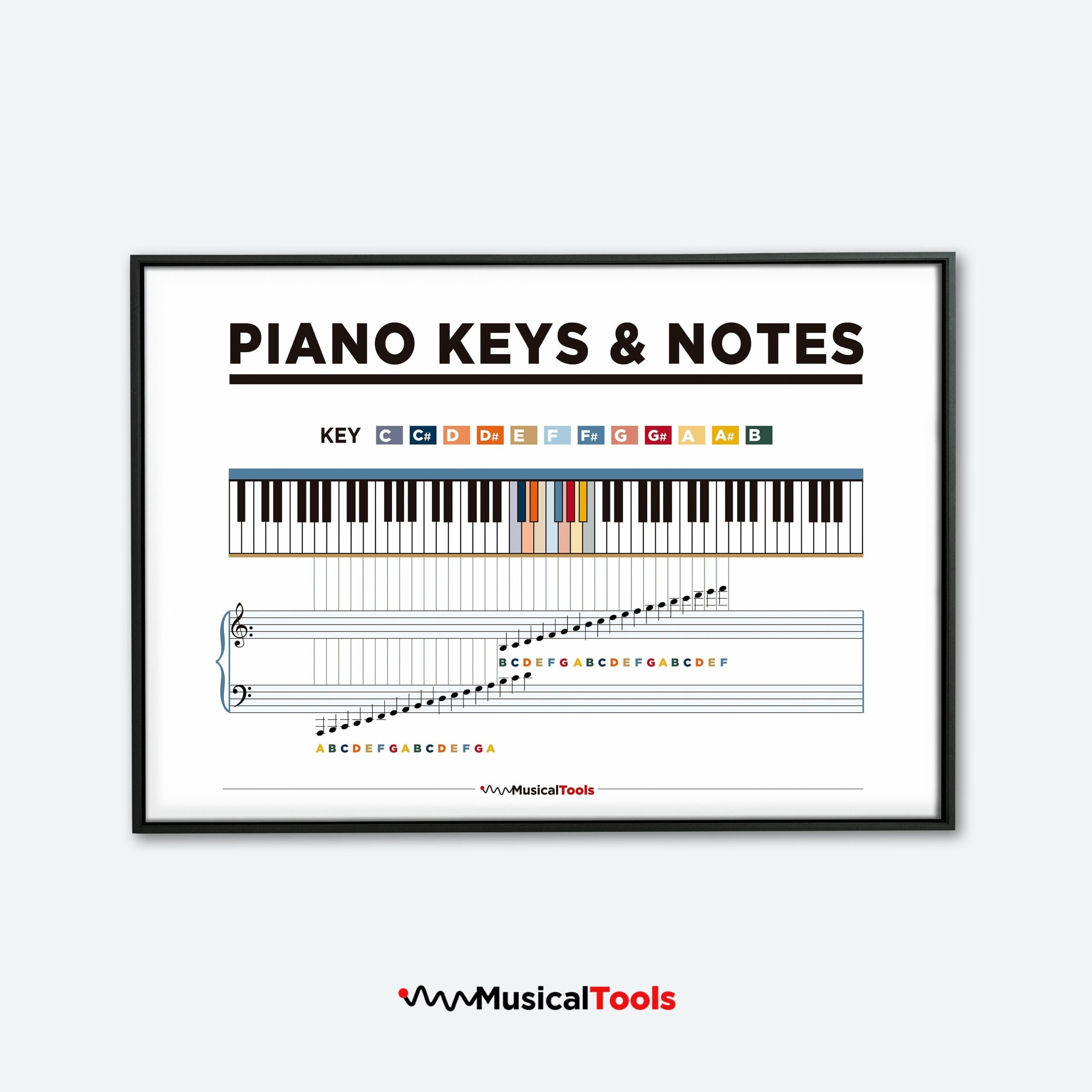
You've landed here because you're seeking a piano notes chart to help you out, right? Maybe you're a musician looking for a quick reference, or a music enthusiast wanting to understand the notes better. Either way, these charts are a handy tool to have.
The great thing about piano notes chart is that they provide a visual overview, making it easier to grasp the layout and understand note frequencies. While there are different formats and variations, the core information remains the same, offering a simple and effective way to navigate the piano's vast range of notes.
What is a Piano Notes Chart?
A piano notes chart is a visual representation that helps musicians and music enthusiasts understand the relationship between piano keys and the corresponding musical notes. It serves as a handy reference tool, especially for beginners, to grasp the layout of the piano keyboard and the notes it produces.
Key Details and Categories
The chart typically displays the piano keyboard's layout, with each key labeled according to its note. It covers the entire range of notes, from the lowest to the highest, and often includes multiple octaves. The notes are usually represented by their standard musical notation, such as C, D, E, F, G, A, and B, along with their respective sharps and flats. Additionally, some charts may include the frequency of each note, which is a numerical value indicating the pitch.
How to Read and Apply the Chart
Reading a piano notes chart is straightforward. Here's a step-by-step guide:
- Identify the Keyboard: The chart will display a visual representation of the piano keyboard, typically showing the white and black keys.
- Note Labels: Each key on the chart is labeled with its corresponding note. Look for the notes you need, whether it's a specific scale, chord, or a single note.
- Octaves and Range: Understand the octaves displayed on the chart. Octaves are indicated by numbers, and each octave contains a complete set of notes. The chart will usually cover multiple octaves to provide a comprehensive view.
- Sharps and Flats: Pay attention to the sharps (#) and flats (b) on the keys. These indicate the raised or lowered pitch of a note. For example, Cis a semitone higher than C, and Db is a semitone lower.
- Frequency (Optional): If the chart includes frequency values, these represent the pitch of each note in hertz (Hz). This information is useful for understanding the scientific aspect of pitch.
Variations and Differences
Piano notes charts may vary depending on the standard used. Different regions and music education systems might have slight variations in notation or labeling. For example, some charts might use scientific pitch notation, while others prefer the traditional letter names. Additionally, the range of notes covered can differ, especially when dealing with specialized keyboards or digital pianos with extended ranges.
Common Mistakes and How to Avoid Them
One common mistake is confusing the placement of sharps and flats. Remember, sharps raise the pitch, while flats lower it. Another pitfall is assuming all pianos have the same note distribution. While most standard pianos have 88 keys, some keyboards or digital pianos might have fewer keys, affecting the range of notes. Always double-check the specific keyboard you are using to ensure accuracy.
Practical Tips for Accurate Results
When using a piano notes chart, it's essential to familiarize yourself with the layout and understand the note names and their positions. Practice identifying notes by sight and sound. Start with the basic notes and gradually expand your knowledge to include sharps, flats, and different octaves. Additionally, consider using color-coded charts or stickers on your piano keys as a visual aid, especially if you are a beginner.
Double-Checking and Edge Cases
While piano notes charts provide a valuable reference, it's crucial to double-check specific note frequencies or tolerances for professional or precise applications. Some charts might not cover every possible note variation or custom keyboard setup. In such cases, consult specialized resources or seek guidance from music experts to ensure accuracy, especially when dealing with unique instruments or specific musical requirements.
Well, there you have it! You now possess a handy piano notes chart and the knowledge to use it effectively. Remember, when it comes to music and instruments, there's always room for variation and personal preference. So, ensure you check any specific requirements or standards relevant to your context.
Consider bookmarking this page for future reference. It's a quick and easy way to refresh your memory on those piano notes and their corresponding keys. Happy playing, and keep those fingers dancing!