








Rapunzel Coloring Pageprintable Overview
A tread depth chart is a handy tool for anyone wanting to keep an eye on their tire health. It's a simple yet effective way to visualize and understand the wear and tear of your tires. This guide will show you how to read and interpret these charts, ensuring you can quickly identify when it's time to replace your tires.
The chart provides a clear indication of tire tread depth, often using visual aids or measurements, which can vary depending on the type of vehicle and region. It's an essential reference for keeping your vehicle safe and road-worthy, and we'll cover all you need to know to use it effectively.
Understanding Tread Wear: What's the Deal with Tread Depth Charts?
Tread depth charts are your go-to guides for keeping an eye on your tire's health. They show you the wear and tear of your tires, helping you stay safe and avoid unexpected breakdowns. These charts are like a map, guiding you through the life of your tires.
Comparing the Standards: Metric vs. Imperial
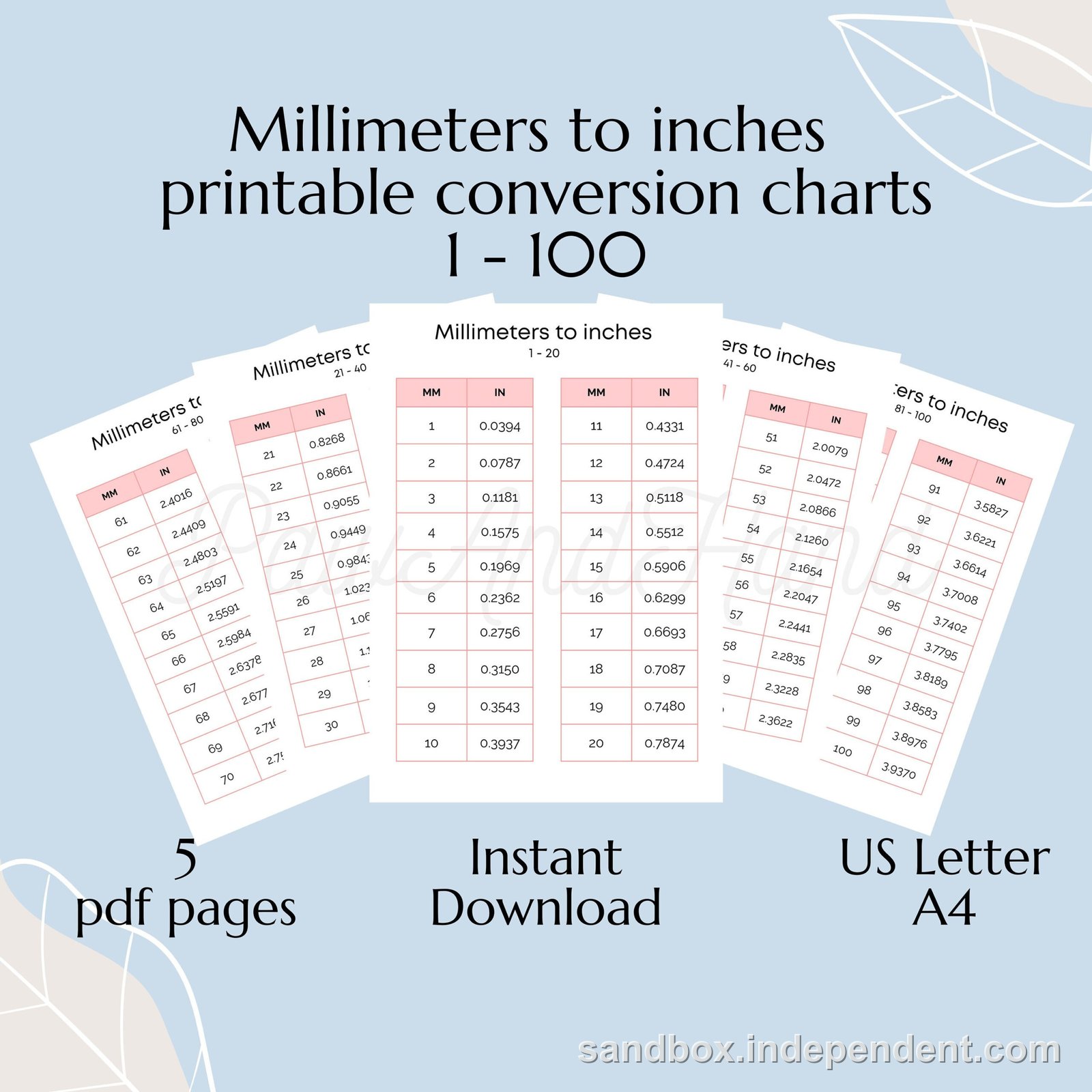
When it comes to tread depth charts, you'll often find two main standards: metric and imperial. The metric system, used internationally, measures tread depth in millimeters (mm). On the other hand, the imperial system, common in the US, uses inches. So, depending on where you are or the manufacturer's specifications, you'll need to know which standard to follow.
Reading Tread Depth: A Step-by-Step Guide
Using a tread depth chart is simple once you know how. Here's a quick guide:
- Find the right chart for your tire's specifications. This could be based on the tire's make, model, or the standard (metric or imperial) it follows.
- Locate the tread wear indicator bars on your tire. These are usually small raised bars across the tread pattern.
- Compare the depth of the tread grooves to the indicator bars. If the tread is level with or below the bars, it's time to consider replacing the tire.
- Check the tread depth chart for the corresponding depth measurement. This will give you an idea of how much tread life is left and whether it meets legal requirements.
Common Tread Depth Issues and How to Avoid Them
While tread depth charts are straightforward, there are a few potential pitfalls to watch out for:
- Tire rotation can affect tread wear patterns. Regularly rotating your tires according to the manufacturer's recommendations will help ensure even wear and a more accurate reading.
- Environmental factors like road conditions and driving habits can also impact tread wear. Be aware of these variables when interpreting your tread depth chart.
- Always double-check the specifications for your specific tire make and model. While tread depth charts provide a general guide, exact tolerances may vary.
Remember, staying on top of your tire's tread depth is crucial for safety and performance. By understanding and correctly using the tread depth chart, you can ensure your tires are always in top shape!
Hey there, tread depth chart enthusiasts! We hope you found this guide helpful and that it sheds some light on this practical reference tool. Remember, the specifics might differ slightly, as there are various standards and formats out there, so it's always good to double-check the source and your particular needs.
Feel free to explore our other guides; we've got plenty of practical tips and tricks to offer. Happy learning, and stay tuned for more!
Related: Home Renovation Services Essential Guide
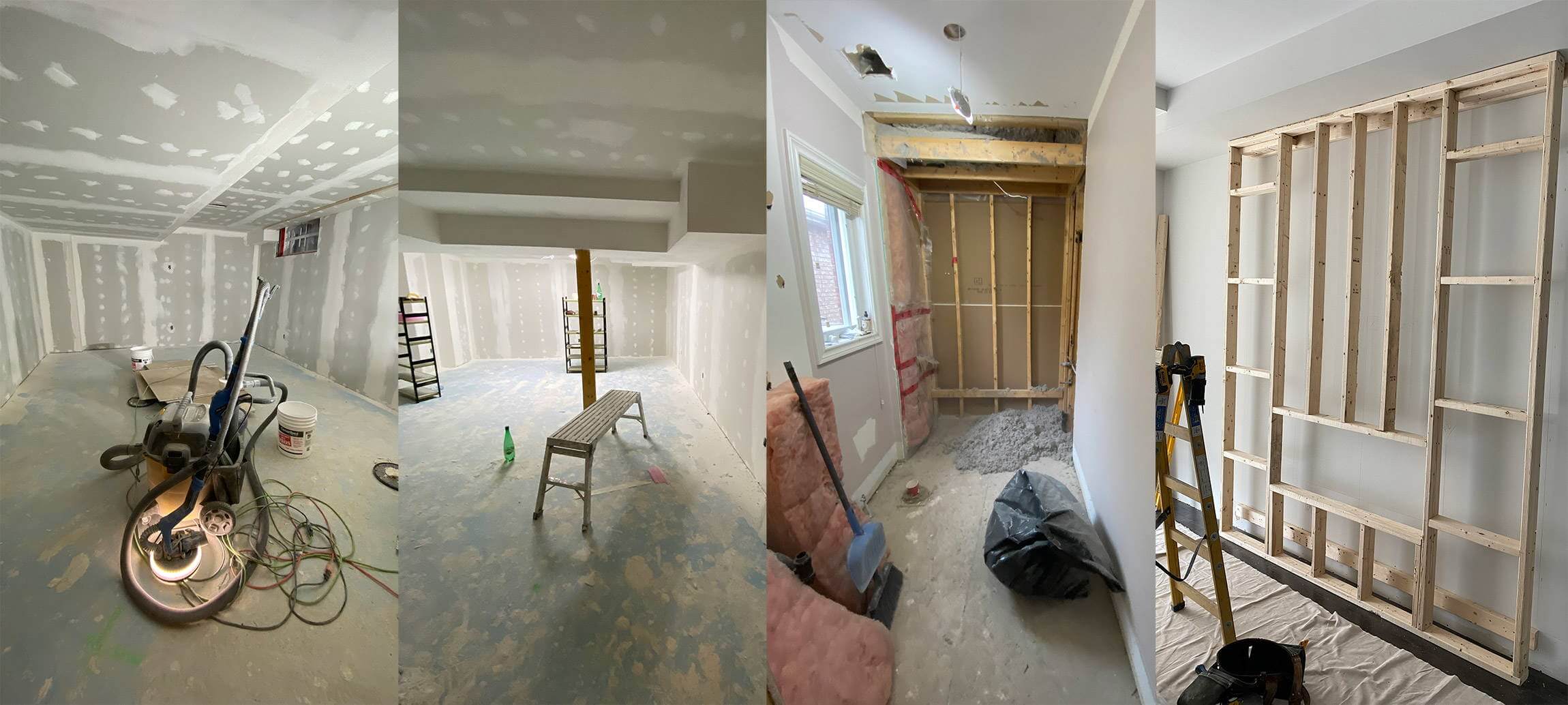
Home renovation services can be a daunting prospect for many homeowners, but it's a necessary step for those wanting to upgrade their living space. Whether it's a bathroom remodel or an entire house addition, these services offer a way to transform your home into your dream space. So, let's break down what home renovation services entail and how to navigate this process effectively.
Understanding the Basics
Home renovation services cover a wide range of construction and remodeling projects. From simple installations like new kitchen cabinets to complex structural changes, these services cater to various needs. It's important to know that the cost of renovations can vary greatly depending on the scope of work. Factors like the size of the project, the materials used, and the labor required all influence the final price. When comparing quotes, ensure you're getting an accurate assessment of the work needed and the associated costs.
Hiring the Right Team
Finding the right contractor or company is crucial for a successful renovation. Research and recommendations are key here. Check online reviews, ask for references from past clients, and ensure the company is licensed and insured. When requesting quotes, be specific about your project and ask detailed questions about their process, timeline, and any potential challenges. A good quote should provide a clear breakdown of costs and a realistic timeline.
Company Names and Branding
For those in the construction business, choosing a name is an important step. A good name should be memorable, reflect the nature of your work, and be unique. It's a balance between creativity and practicality. Some example names could be:
- Build & Bloom
- Home Revampers
- Crafted Spaces
- Renovo
- Constructive Solutions
- Creative Renovations
Remember to check the availability of these names and secure the relevant domains and local registrations.
Jobs and Opportunities
The home renovation services industry offers a range of job roles, from general contractors to specialized estimators. These roles often involve managing projects, coordinating with clients, and ensuring the smooth execution of renovations. Many construction jobs are advertised through online job boards and local classifieds. It's a competitive field, so highlighting your skills and experience is key when applying.
Industry Tools and Data
Tools like RSMeans provide valuable data for the construction industry. These databases offer cost information, helping contractors and businesses estimate project expenses accurately. They also provide insights into labor and material costs, which can be useful for budgeting and planning.
Large vs. Small Firms
The home renovation services industry caters to various scales of operations. Large firms often have the resources to take on extensive projects and may offer a wider range of services. They might have specialized teams for different aspects of construction. On the other hand, smaller firms can provide a more personalized approach, often with a focus on local projects.
Final Thoughts
Home renovation services can be a rewarding investment, but it's important to do your research and plan effectively. From choosing the right team to understanding the costs, each step is crucial. Remember, a well-planned renovation can transform your home and enhance your living experience. So, take the time to explore your options and create a space you'll love coming home to.
Related: What is the vocal ranges chart?
Many people mistakenly believe that vocal ranges charts are complex and intimidating, but in reality, they are a simple and powerful tool for singers and vocal enthusiasts. These charts, often presented as visual guides, provide a clear overview of the different voice types and their respective ranges. While the specifics may vary slightly depending on the source, the vocal ranges chart serves as an accessible reference, helping singers navigate and understand their vocal potential.
Understanding the Chart: An Overview
The vocal ranges chart is a handy reference tool for singers and vocal enthusiasts. It provides a visual representation of the different vocal ranges, helping you identify and understand your voice type and its capabilities. This chart is a great starting point for anyone wanting to explore their singing potential and improve their vocal technique.
Comparing Voice Types and Ranges
The chart typically categorizes vocal ranges into several standard types, including soprano, mezzo-soprano, alto, tenor, baritone, and bass. Each category has a specific range of notes, shown as a visual scale, that defines the voice's capabilities. For instance, a soprano voice, often associated with higher pitches, has a range that extends to the higher end of the scale.
How to Read and Use the Chart
Using the vocal ranges chart is straightforward:
- Identify your voice's general range by singing through a scale or using a pitch-detecting app.
- Locate your lowest and highest comfortable notes.
- Refer to the chart and match your range with the closest vocal type.
- Use this information to choose songs that suit your voice and explore your vocal potential.
For example, if your range aligns with the soprano category, you'll know you can comfortably sing higher-pitched songs.
Common Misconceptions and Pitfalls
One common mistake is assuming that the chart provides an exact, rigid definition of your voice type. In reality, vocal ranges can overlap, and some voices may not fit neatly into one category. It's essential to understand that the chart is a guide, and your voice may have unique characteristics that set it apart. Additionally, factors like age, training, and vocal health can influence your range, so regular assessment is beneficial.
Factors Affecting Accuracy and Real-World Use
Several key factors can impact the accuracy of the vocal ranges chart and its real-world application:
- Age and Development: Vocal ranges can change as you age, especially during puberty and early adulthood.
- Training and Practice: Consistent vocal training can expand your range and improve your technique.
- Vocal Health: Illness, strain, or damage to the vocal cords can temporarily alter your range.
- Musical Style and Genre: Different music genres may require specific vocal ranges or techniques.
Adapting the Chart for Specific Needs
While the standard vocal ranges chart is a great starting point, it might not cater to everyone's needs. For instance, some charts provide more detailed subdivisions for specific voice types, offering a more precise guide. Others might use different measurement systems or cater to non-traditional vocal styles. It's essential to choose a chart that aligns with your musical goals and preferences. If you're unsure, consulting a vocal coach or expert can provide valuable guidance.
Hey there! I hope this vocal ranges chart guide has been a helpful tool for you. Remember, these charts are a great reference, but they are not set in stone; the exact details might differ slightly based on your specific needs and the context.
Feel free to explore other guides and resources to deepen your understanding. And don't forget to bookmark this page for future reference; it's always handy to have these tools at your fingertips!