



Rare Seed Stardew Valley Overview
The seed cycling chart is a handy tool for those looking to support their menstrual cycle and hormone health naturally. It's a simple visual guide that outlines a seed cycling protocol, which involves consuming specific seeds at different phases of your cycle.
This guide will walk you through the basics, explaining how to read and use the seed cycling chart effectively. You'll discover the benefits of seed cycling, including its potential to promote hormone balancing and natural fertility. So, let's dive in and explore this fascinating and accessible practice!
Seed Cycling Chart: A Practical Guide
The seed cycling chart is a simple yet effective tool to guide you through the seed cycling protocol. It provides a visual representation of when to consume specific seeds during your menstrual cycle to support hormone balance and overall well-being. This chart is a handy reference for anyone looking to incorporate seed cycling into their daily routine.
Understanding the Phases and Categories
The seed cycling chart typically divides the menstrual cycle into two phases: the follicular phase and the luteal phase. Each phase has its own recommended seed combination. The chart will indicate which seeds to consume during these phases, usually flax and pumpkin seeds for one phase, and sesame and sunflower seeds for the other. It's important to note that the chart may vary slightly depending on the source and individual needs.
Seed Rotation Guide: Step-by-Step
Here's a simple guide on how to read and use the seed cycling chart:
- Identify your cycle: Determine the length of your menstrual cycle. The average cycle is around 28 days, but it can vary. Count from the first day of your period to the day before your next period starts.
- Divide your cycle: The follicular phase typically lasts from day 1 to ovulation, which is usually around day 14 for a 28-day cycle. The luteal phase begins after ovulation and continues until the start of your next period.
- Follow the chart: During the follicular phase, incorporate flax and pumpkin seeds into your diet. You can grind them and add them to smoothies, yogurt, or salads. For the luteal phase, switch to sesame and sunflower seeds.
- Daily intake: Aim for approximately 1-2 tablespoons of the recommended seeds each day during their respective phases. You can adjust the quantity based on your personal preference and dietary needs.
- Repeat the cycle: Continue this seed rotation with each menstrual cycle to support hormone balance and overall health.
Potential Variations and Considerations
While the seed cycling chart provides a general guide, it's important to note that individual variations may occur. Here are some factors to consider:
- Cycle length: If your cycle is shorter or longer than average, adjust the seed rotation accordingly. Consult a healthcare professional for personalized advice.
- Seed allergies: Be mindful of any seed allergies or sensitivities. Always introduce new foods gradually and monitor for any adverse reactions.
- Storage and preparation: Proper storage and preparation are key. Store seeds in a cool, dry place, and consider grinding them fresh for maximum nutritional value.
- Dietary supplements: Seed cycling is a natural approach, but it may be combined with other dietary supplements for additional support. Consult a healthcare provider for guidance.
Remember, the seed cycling chart is a tool to support your overall health and well-being. It's always a good idea to seek professional advice, especially if you have specific health concerns or conditions.
Hey there, we hope this seed cycling chart has been a helpful tool for you! While the basics remain the same, you might find that the exact details can differ slightly depending on your specific needs and sources.
So, keep this guide handy and feel free to explore our other practical reference articles for more quick tips and tricks. We're here to make your life easier, one chart at a time!
Related: Find Your Girth Size with Our Easy Chart
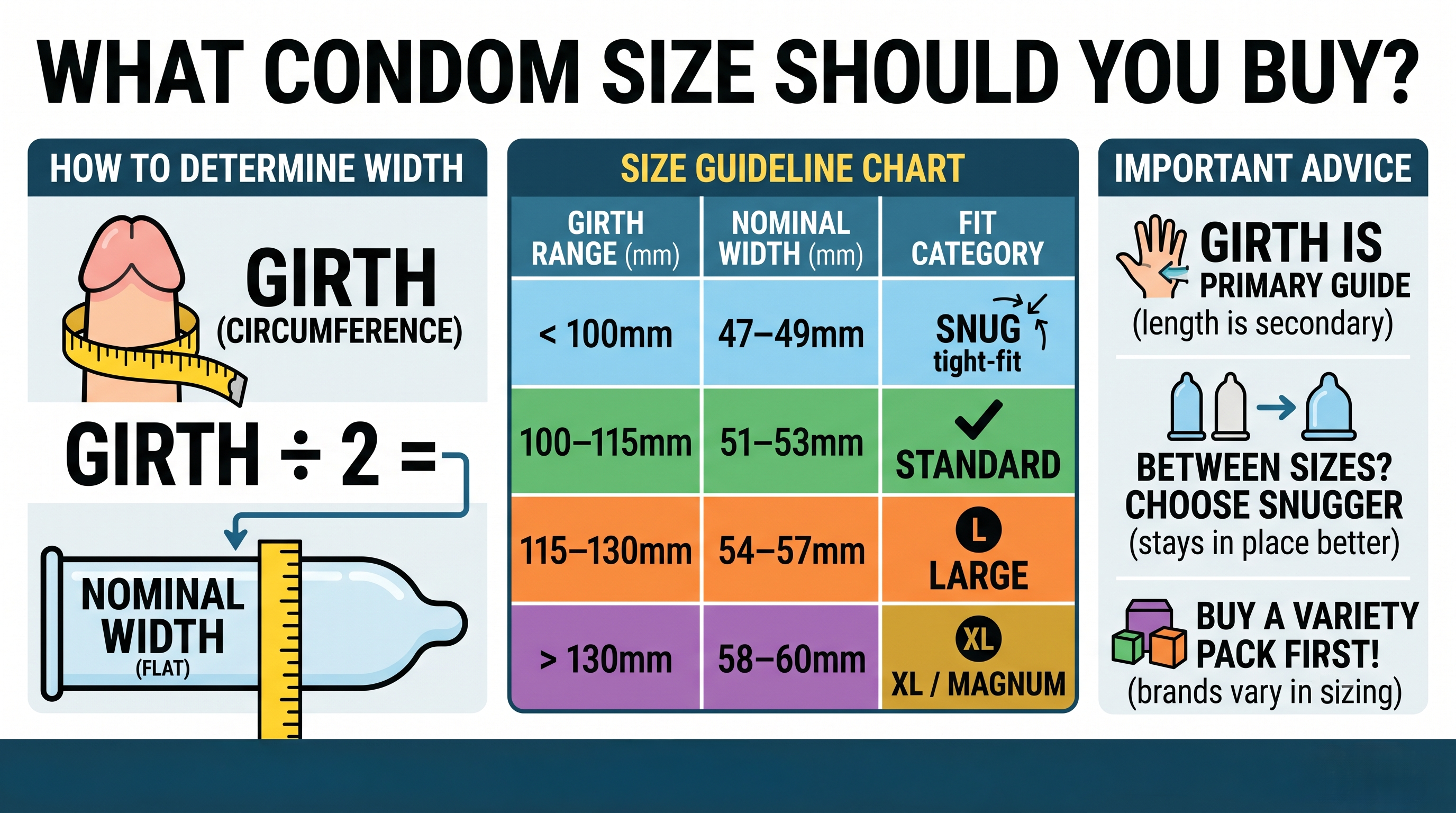
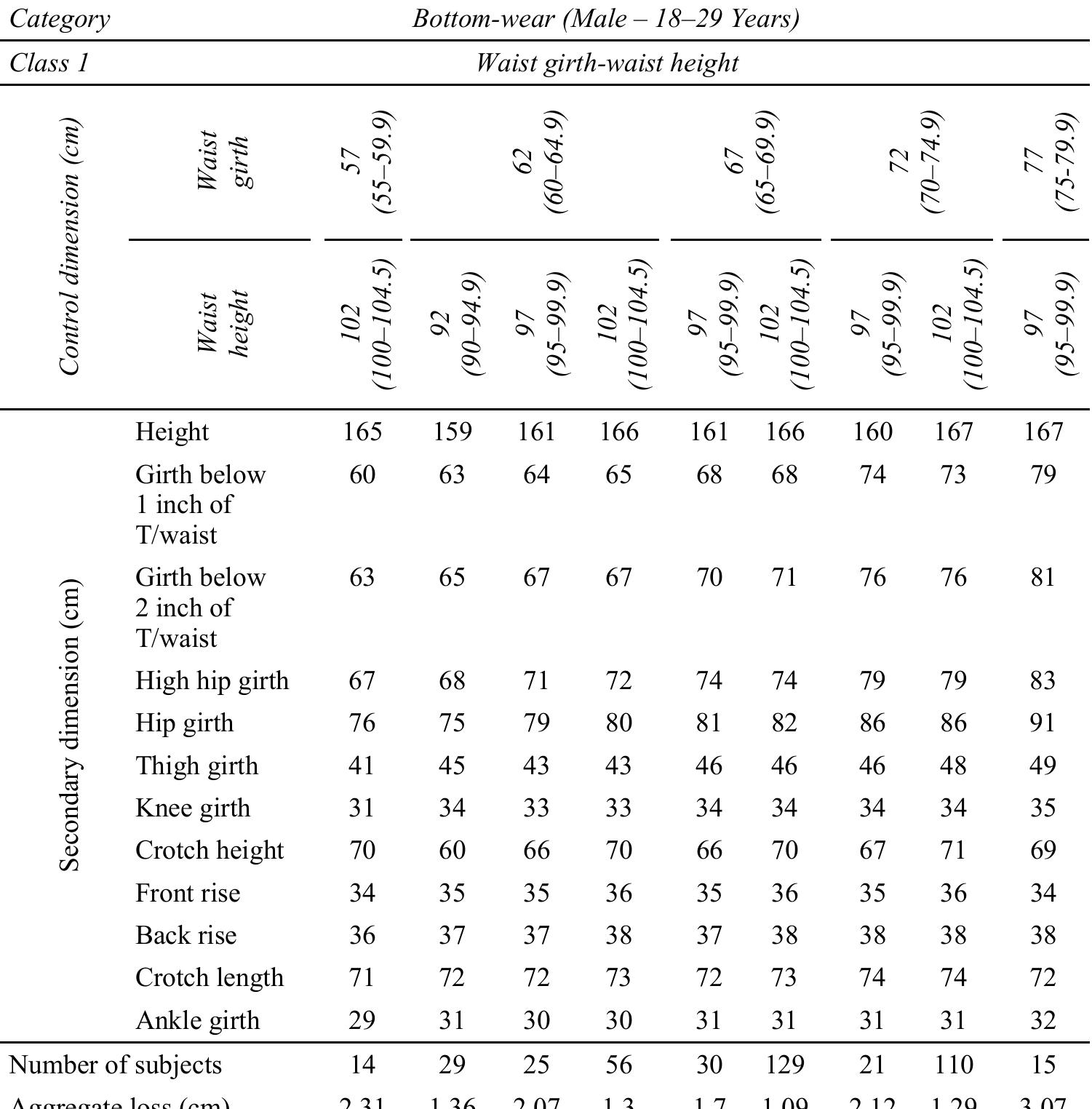
A girth size chart is a handy tool, a simple yet effective way to visualize and understand measurements. This guide will show you how to navigate and utilize these charts efficiently, as they can vary in format and detail.
Whether you're dealing with circumference guides or size charts for various applications, knowing how to read and interpret them is key. Standard units and metric conversions may differ, so being able to quickly reference and understand these charts is a useful skill.
Understanding the Girth Size Chart: A Quick Overview
The girth size chart is a handy reference tool that provides a visual representation of various girth measurements and their corresponding sizes. It offers a simple way to understand and compare different girth dimensions, making it an essential guide for various applications.
Comparing Standards and Formats: Girth Size Chart vs. Circumference Guide
While the terms girth size chart and circumference guide are often used interchangeably, they can refer to slightly different formats. A girth size chart typically presents a range of measurements with their corresponding sizes, often in a table or diagram format. In contrast, a circumference guide may provide more detailed information, including specific circumference values and their equivalent sizes, which can be particularly useful for precise measurements.
Step-by-Step: Reading and Using a Girth Size Chart
To effectively use a girth size chart, follow these simple steps:
Identify the type of measurement you need to make. For example, you might need to measure the girth of a tree trunk, a person's waist, or the circumference of a pipe.
Locate the relevant section on the chart. Girth size charts often categorize measurements by type, such as body measurements, industrial applications, or natural objects.
Measure the girth accurately using the appropriate tool, such as a tape measure or calipers. Ensure you follow any specific instructions for the measurement, such as where to place the tape measure or how to account for any irregularities.
Find the measured value on the chart. Some charts may provide a scale or ruler for direct measurement, while others may require you to estimate the closest value.
Read the corresponding size or category. The chart will provide a clear indication of the size associated with the measured girth. This can be a numerical value, a size category (e.g., small, medium, large), or a specific application-related term.
Common Misreadings and How to Avoid Them
Misreading a girth size chart can lead to inaccurate results and potential issues. Here are some common pitfalls and how to avoid them:
Ensure you are using the correct chart for your specific application. Different charts may have varying scales, units, or categories, so double-check the chart's intended use.
Be aware of the units of measurement. Some charts may use imperial units (inches, feet), while others use metric units (centimeters, meters). Convert your measurements accordingly to ensure accuracy.
Pay attention to the scale or ruler provided on the chart. Misinterpreting the scale can lead to significant errors. If you're unsure, estimate the value or use a separate measuring tool to verify.
Consider any tolerances or allowances specified on the chart. Some applications may have specific tolerances, especially in industrial or technical fields. Ensure you understand and account for these tolerances in your measurements.
Factors Affecting Accuracy: Variations and Averages
The accuracy of a girth size chart can be influenced by various factors, including:
Regional standards and conventions: Different countries or regions may have specific measurement standards and units, so ensure you're using the appropriate chart for your location.
Application-specific variations: Girth measurements can vary significantly depending on the application. For example, measuring the girth of a tree trunk at different heights may yield different results, impacting the accuracy of the chart.
Averages and ranges: Some charts may provide average values or ranges to account for natural variations. Understanding these averages can help you interpret the chart more effectively, especially when dealing with organic or irregularly shaped objects.
By considering these factors and following the step-by-step process, you can accurately use a girth size chart for a wide range of applications, from everyday measurements to technical specifications.
Well, there you have it! A handy guide to help you navigate the world of girth size charts. Remember, while we've covered the basics, the exact details might shift a little based on your specific needs and the standards you follow.
So, keep this page bookmarked for a quick reminder, and feel free to explore our other guides for more practical tips and insights. Happy measuring!
Related: Understand the Race Anchor Chart: A Quick Guide
You're probably here because you need a quick reference or a simple explanation of the race anchor chart. This chart is a handy tool, a go-to resource, and a visual aid that can be incredibly useful for understanding and addressing racial issues. It offers a straightforward way to explore and navigate discussions on race, providing a clear format that can be adapted to various contexts. Whether you're an educator, a professional, or simply someone seeking to educate themselves, the race anchor chart is a valuable starting point, offering a structured approach to an important topic.
What is a Race Anchor Chart?
A race anchor chart is a visual tool that provides a quick reference guide to help understand and compare different races and their characteristics. It serves as a valuable resource, offering a concise overview of racial categories and their key attributes. This chart is particularly useful for educators, diversity trainers, and anyone seeking to promote inclusion strategies and foster an understanding of equity resources.
Key Metrics and Categories
The race anchor chart typically includes a range of categories to provide a comprehensive view. These may consist of: race or ethnic group names, associated regions or countries, population statistics, cultural or historical notes, and sometimes even language or dialect information. Each category is carefully selected to offer a well-rounded understanding of the diverse racial landscape. The chart's structure allows for easy comparison and reference, making it a practical tool for various educational and awareness-raising purposes.
How to Read and Apply the Chart
- Start by identifying the specific race or ethnic group you are interested in. Look for the corresponding category on the chart, which will often be listed alphabetically or grouped by region.
- Once you've located the race, scan the columns to find the relevant information. Common details include population size, notable cultural practices, historical background, and any other unique attributes associated with that race.
- Compare and contrast different races by moving across the chart horizontally. This allows you to quickly identify similarities and differences, aiding in a deeper understanding of racial diversity.
- For a more detailed analysis, refer to the notes or resources provided alongside the chart. These may offer further insights, personal stories, or educational materials to enhance your knowledge.
Variations and Differences
It's important to note that race anchor charts can vary depending on the context and the specific purpose for which they are designed. Different charts may emphasize certain categories over others, depending on the intended audience or the focus of the discussion. For instance, a chart aimed at educators might prioritize cultural practices and historical contexts, while a medical reference chart might highlight genetic predispositions and health considerations.
Common Mistakes and How to Avoid Them
One common mistake is treating the race anchor chart as an exhaustive resource. While it provides a valuable overview, it cannot capture the full complexity and diversity of human experiences. Avoid the pitfall of oversimplification by recognizing that each race or ethnic group is made up of unique individuals with their own stories and perspectives. Additionally, be mindful of the potential for stereotypes and generalizations. The chart should be used as a starting point for further exploration and understanding, not as a definitive guide to any specific race or culture.
Practical Tips for Accurate Results
When using a race anchor chart, it's crucial to cross-reference information with multiple sources to ensure accuracy. Remember that charts are often simplified representations and may not capture the full range of diversity within a race or ethnic group. Stay updated with the latest research and resources to avoid relying on outdated or biased information. Additionally, consider the context in which the chart is being used. For instance, a chart designed for a specific region may not accurately represent the global diversity of a particular race. Adapt your understanding and application of the chart accordingly.
Double-Checking and Handling Edge Cases
In certain situations, it's essential to double-check the exact specifications or tolerances, especially when dealing with sensitive topics or specific cultural practices. While the race anchor chart provides a useful framework, it's important to recognize that it may not cover every exception or unique circumstance. Be prepared to seek additional resources or consult experts when dealing with complex or nuanced racial issues. This ensures a more accurate and respectful understanding of diverse cultures and experiences.
Well, there you have it! A race anchor chart is a handy tool to have in your kit, offering a simple and visual way to keep track of key details. Remember, though, that these charts are just a guide, and the exact values or categories might differ slightly based on your specific context or the standard you're following.
So, before you put this knowledge into practice, take a moment to ensure you've considered all the unique aspects of your situation. And don't forget to explore our other resources; we've got plenty of practical guides to keep you informed and inspired!