






Real Dinosaur Coloring Pages Overview
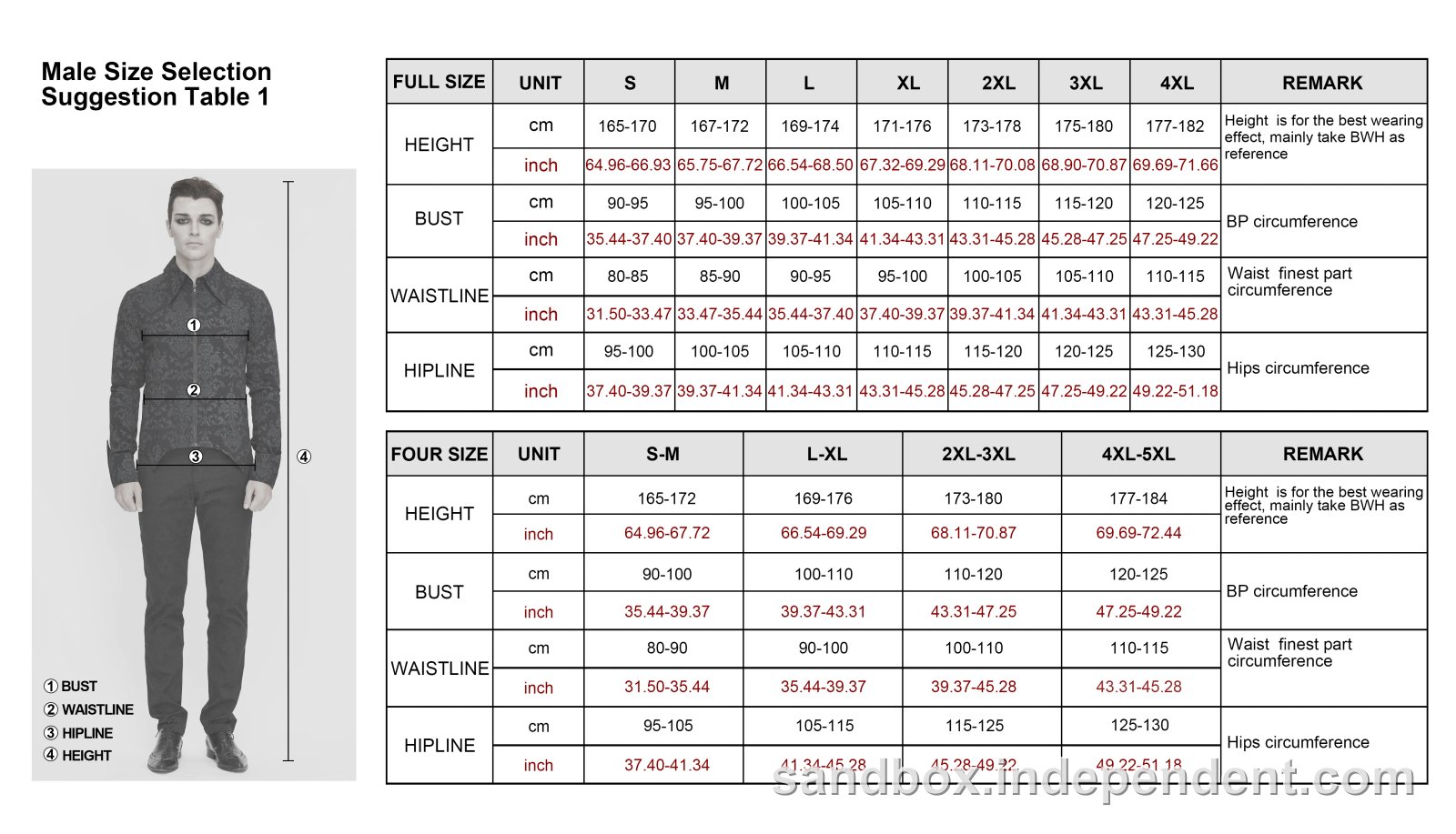
You're here because you need a quick answer, a reliable reference for a chart that's got you stumped. Maybe it's a body mass index (BMI) chart, or a weight-height ratio guide - these can be off the charts confusing! It's easy to feel lost when you're trying to understand the categories and ranges, especially as they can vary depending on where you are and who you ask. But don't worry, we'll get you on track with a simple breakdown. These charts are designed to give you a snapshot of your health, and with a few key insights, you'll be reading them like a pro.
Understanding Body Mass Index (BMI): What It Means to Be "Off the Charts"
Body Mass Index, or BMI, is a simple calculation that helps give an indication of whether your weight is in a healthy range for your height. It's a useful tool to get an overview of your health, but it's not the only measure of health or fitness. So, what does it mean when someone is "off the charts" with their BMI? Let's find out!
Key Details and Categories to Know
The BMI chart is a visual representation of the BMI calculation, which is your weight (in kilograms) divided by the square of your height (in meters). The result is then compared to a standard range to determine your BMI category. These categories are: underweight (below 18.5), healthy weight (18.5 to 24.9), overweight (25 to 29.9), and obese (30 or above). The chart often uses colors or shading to represent these categories, making it easy to see where you fall.
Step-by-Step Guide: Reading and Interpreting Your BMI
To use the BMI chart accurately, follow these steps:
- Weigh yourself and note your weight in kilograms.
- Measure your height accurately and convert it to meters (if needed).
- Square your height (multiply it by itself).
- Divide your weight by the squared height.
- Locate your BMI on the chart.
- Identify the color or category it falls into.
For example, if your BMI is 28, you would be in the overweight category. It's a simple process, but remember, it's just one tool to assess your health.
Variations and Differences: Why BMI Can Vary
It's important to understand that BMI can vary due to several factors. Age, muscle mass, and bone density can all affect your BMI. For instance, highly muscular individuals might have a higher BMI but not be overweight or obese. Additionally, BMI charts and categories can differ slightly depending on the standard used. Some charts might have slightly different ranges or categories, so always check which standard is being used.
- Key factors that can cause BMI variations:
- Muscle mass
- Bone density
- Age
- Body composition
Common Mistakes and How to Avoid Them
When using the BMI chart, be aware of these potential mistakes:
- Assuming BMI is the only health indicator: It's just one tool, so consider other factors like diet, exercise, and overall well-being.
- Forgetting to convert units: Always ensure your height is in meters and weight in kilograms for an accurate calculation.
- Not considering individual differences: BMI is a general guide; it might not apply accurately to everyone.
- Relying solely on the chart: It's a visual aid, but the calculation is more precise.
Remember, being "off the charts" with BMI doesn't always mean there's a health issue. It's a guide, and understanding your individual circumstances is key.
Well, that's a wrap on our exploration of this handy reference tool! We've covered the basics, from understanding the key elements to navigating any variations you might encounter. Remember, while the fundamentals remain consistent, exact details can shift based on your specific context or the source you're referencing.
Feel free to dive into our other guides for more practical tips and tricks. We've got a whole library of resources to help you master various topics, so take a browse and find something that piques your interest!
Related: Roof Pitch Chart: A Simple Guide to Understanding
Many people often overlook the importance of understanding a roof pitch chart and its role in roofing projects. It's a simple yet powerful tool, often underestimated, but it can make a huge difference!
A roof pitch chart is your guide to determining the slope or incline of your roof, offering a clear visual representation. While values may vary, this chart ensures you get the right measurements, whether you're a DIY enthusiast or a professional. It's an essential step to ensure your roof is built or repaired correctly.
Understanding Roof Pitch Charts
A roof pitch chart is a handy tool that helps you visualize and understand the slope or incline of a roof. It provides a simple way to measure and categorize roof angles, which is crucial for various construction and design purposes.
Key Details and Categories
The chart typically displays roof slope values, often in degrees, along with a corresponding pitch ratio. The pitch ratio is a simple way to describe the steepness of the roof, usually given as a fraction or a ratio of rise to run. For example, a 4:12 pitch ratio means the roof rises 4 inches for every 12 inches of horizontal run.
How to Read and Apply the Chart
To use the roof pitch chart, you'll need to measure the roof's slope or angle. This can be done using a simple tool like a level or a more advanced device like a laser distance meter with an angle measurement feature. Once you have the angle, you can find it on the chart and read the corresponding pitch ratio.
Here's a step-by-step guide:
- Measure the roof angle: Place your tool on the roof surface and measure the angle relative to the horizontal plane.
- Locate the angle on the chart: Find the angle value on the chart, which often has a scale or a series of angles listed.
- Read the pitch ratio: Next to the angle, you'll see the pitch ratio, which tells you the steepness of the roof.
- Use the pitch ratio: This ratio is essential for various calculations and considerations, such as determining the amount of roofing material needed, the pitch of gutters, or the structural integrity of the roof.
Variations and Differences
It's important to note that roof pitch charts can vary depending on the standard being used. Different regions and industries may have their own conventions for measuring and categorizing roof slopes. For example, some charts may use different units or have slightly different categories. It's crucial to ensure you are using the right chart for your specific context and region.
Common Mistakes and How to Avoid Them
One common mistake is assuming all roof pitch charts are the same. Always double-check the units and categories used in the chart to ensure accuracy. Another pitfall is misinterpreting the pitch ratio. Remember, the pitch ratio is a simple representation of the roof's steepness, but it doesn't provide all the information about the roof's design.
Practical Tips for Accurate Results
When measuring roof angles, ensure you are measuring the correct surface. Some roofs may have multiple slopes or complex designs, so it's essential to measure the specific area you are interested in. Additionally, consider the roof's orientation and ensure your measurements are consistent with the chart's orientation.
Double-Checking and Handling Exceptions
While roof pitch charts are valuable, they may not cover every possible scenario. For unique or complex roof designs, it's best to consult an expert or refer to detailed specifications. Always double-check critical measurements and consider seeking professional advice for precise results, especially for safety-critical applications.
Hey there! I hope this roof pitch chart guide has been helpful and easy to follow. Remember, while the basics remain the same, the exact details might shift a bit based on your specific project and the standards you're working with.
Feel free to explore our other guides for more practical tips and tricks. We've got a range of topics to help you with all your DIY and home improvement projects. Happy building!
Related: Home Addition Contractors Essential Guide
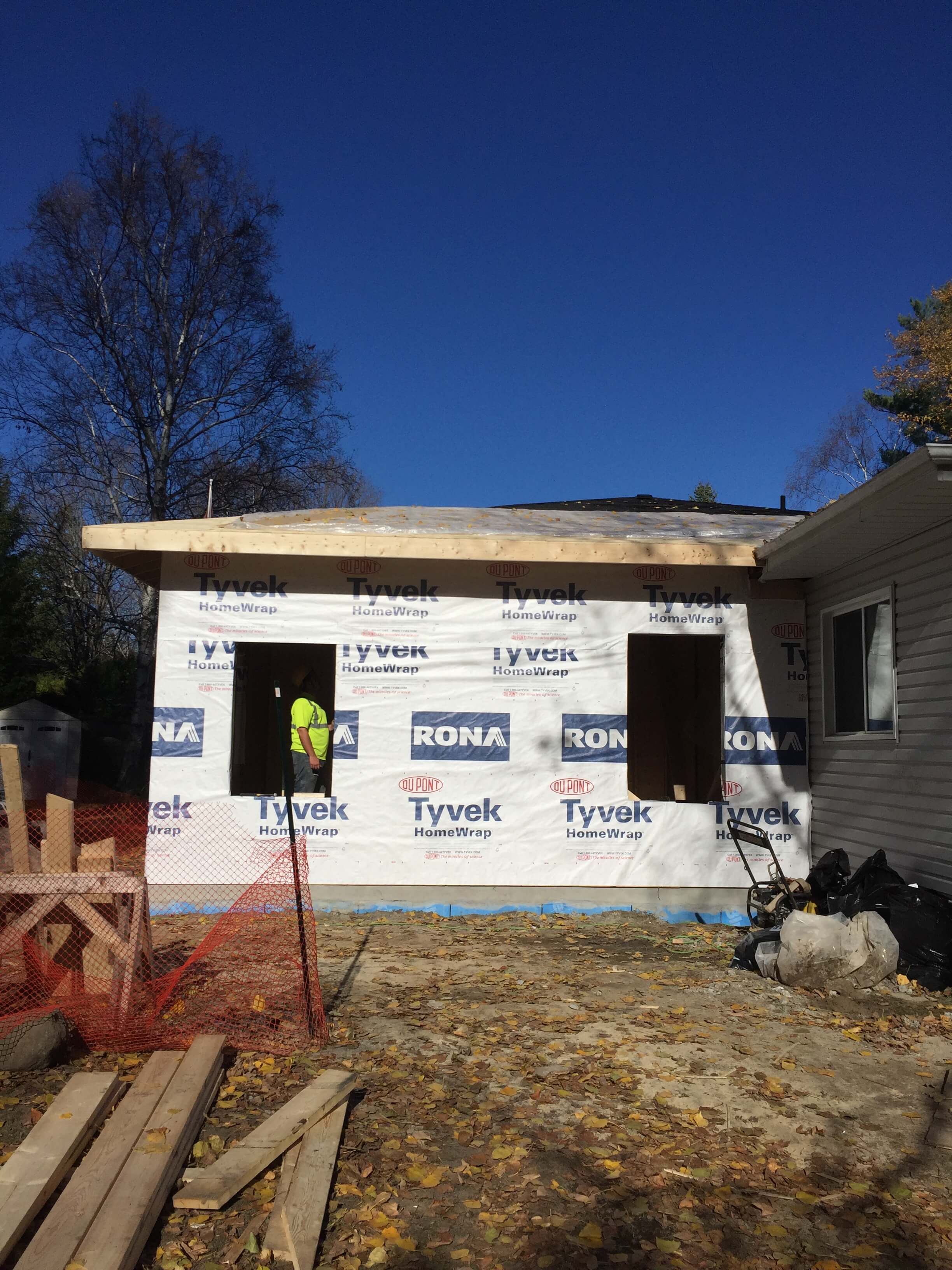
So, I was chatting with my neighbor about their plans to expand their living space, and it got me thinking about home addition contractors. Who do you call when you want to add a room or two to your house?
Understanding Home Additions
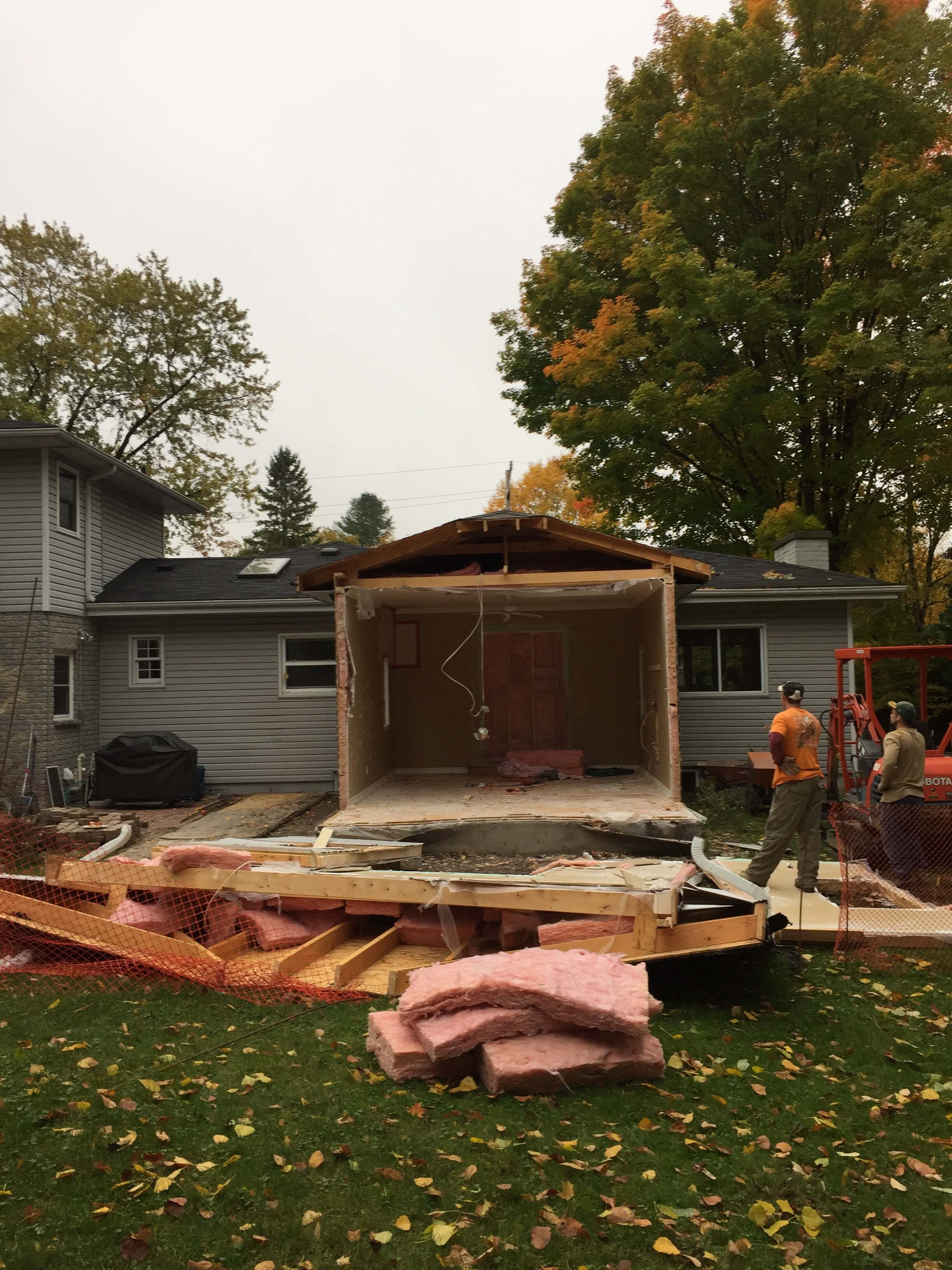
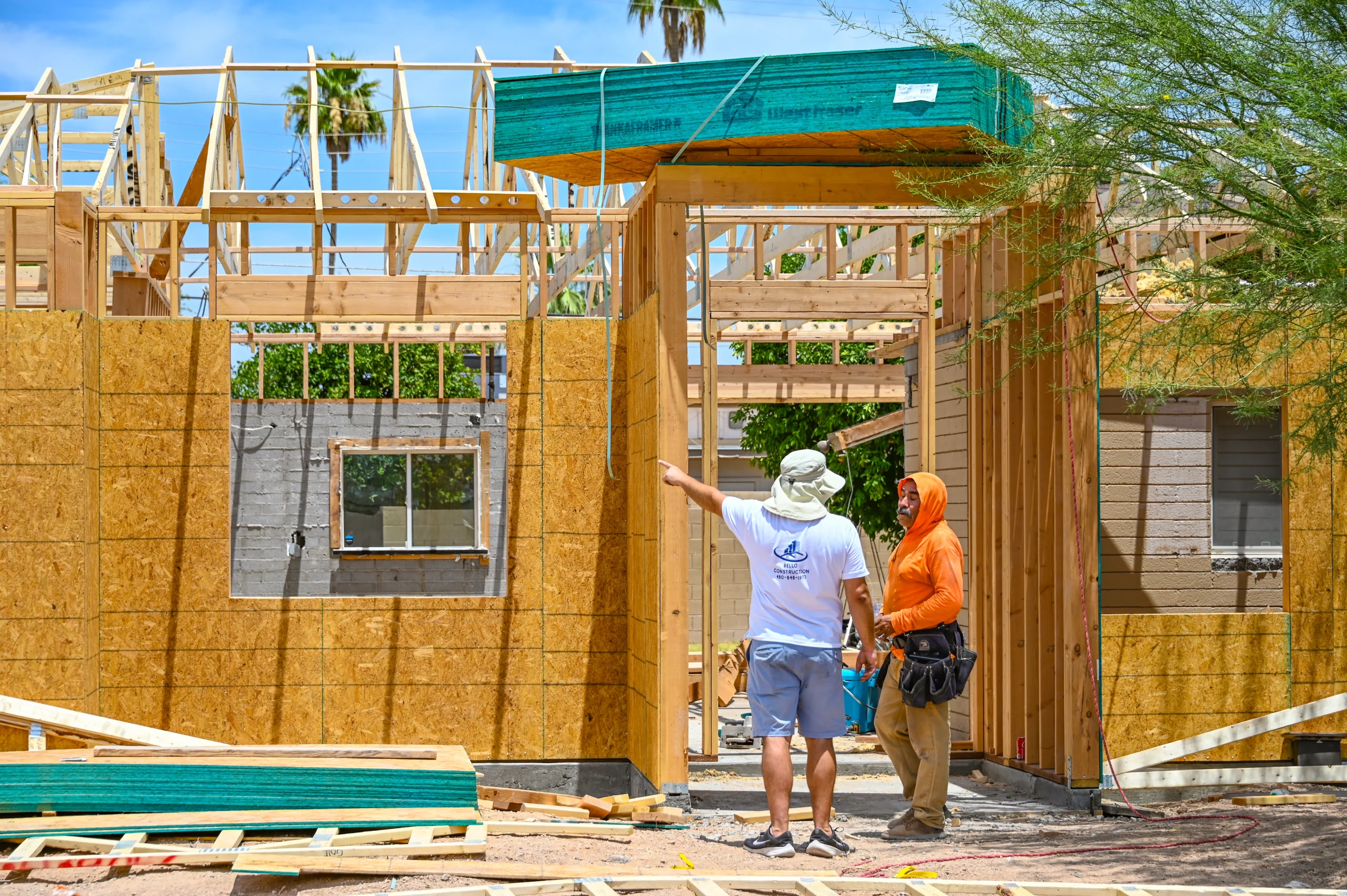
Home additions are a great way to gain more space without moving. It's an exciting project, but it can also be a bit daunting, especially when it comes to finding the right professionals. Home addition contractors are the experts who make these projects happen. They're responsible for the entire process, from planning and design to construction and finishing touches.
When you're considering a home addition, it's essential to find a reliable and experienced contractor. They'll guide you through the process, helping you navigate the various stages and ensuring your vision becomes a reality.
What to Look for in a Contractor
Finding the right home addition contractor is crucial. Here are some key factors to consider:
Experience: Look for contractors with a proven track record in home additions. Ask about their previous projects and, if possible, speak to their past clients about their experiences.
Licensing and Insurance: Ensure the contractor is licensed and insured. This protects you in case of any accidents or issues during the project.
Communication: Effective communication is key. Choose a contractor who listens to your ideas, provides clear explanations, and keeps you updated throughout the process.
Quotes and Pricing: Get multiple quotes to compare. While price is important, don't just go for the cheapest option. Consider the overall value and the contractor's reputation.
Naming Your Construction Business
If you're a contractor or thinking of starting a business, naming it is an important step. A good name should be memorable, reflect your services, and stand out in a crowded market. Some creative name ideas for construction businesses could include:
- BuildCraft
- HomeAdd
- Constructive Solutions
- Room Expansion Pros
- Space Creators
Remember to check the availability of these names and secure the relevant domains and local registrations.
The Construction Industry and You
The construction industry offers a range of roles, from estimators who calculate costs to project managers who oversee the entire process. If you're interested in a career in this field, you'll likely find opportunities in various specializations. Many construction jobs are advertised locally, so keep an eye on local job boards and networks.
Tools of the Trade
In the world of home addition contractors, tools like RSMeans are essential. RSMeans is a cost database that provides valuable information for estimating and planning projects. It helps contractors and estimators calculate material and labor costs accurately, ensuring projects stay on budget.
Large vs. Small Firms
The construction industry is diverse, with both large and small firms operating. Large firms often have more resources and can take on bigger projects, but they may not offer the same personalized service as smaller, local companies. It's a trade-off between scale and customization.
When choosing a home addition contractor, consider your specific needs and the scale of your project. Larger firms might be better suited to complex, multi-room additions, while smaller, local contractors could be ideal for more intimate projects.
Wrapping Up
Finding the right home addition contractor is all about research and due diligence. Take the time to explore your options, ask questions, and get multiple quotes. It's an exciting step towards expanding your living space, so enjoy the process and trust your instincts!