



Rebar Size Chart 2026 Overview
You're probably here because you need a quick answer, right? Well, if you're looking for a door handing chart, you've come to the right place. It's a simple yet handy reference tool that tells you everything you need to know about door handing and its direction. This chart provides a clear visual guide, ensuring you get the door swing direction right, every time. Whether it's for a new installation or a quick fix, the door swing chart is your go-to resource, offering a standard way to determine the door handing direction and hinge placement.
Understanding the Chart: A Quick Overview
The door handing chart is a handy tool that simplifies the process of determining a door's handing and swing direction. It provides a visual reference, typically in the form of a diagram or table, to help you understand how a door should be installed and which way it should open. This chart is especially useful for ensuring proper door installation and functionality.
Comparing Handing Directions: Left, Right, and More
The door handing chart categorizes doors based on their handing direction, which refers to the side from which the door is opened. It usually includes categories like "left-hand inswing" and "right-hand outswing," indicating whether the door opens inward or outward and from which side. These categories are essential for accurate installation.
Step-by-Step Guide to Using the Chart
- Identify the Door: Start by examining the door you want to install or understand. Note its size, shape, and any unique features.
- Locate the Hinge Side: Determine which side of the door has the hinges. This is crucial for identifying the handing direction.
- Refer to the Chart: Consult the door handing chart and find the category that matches your door's hinge placement and swing direction.
- Follow the Chart's Instructions: The chart will provide clear guidance on how to install the door based on its handing. It may include visual aids or written instructions.
- Double-Check: Always verify the measurements and ensure they align with the door's specifications to avoid installation issues.
Common Misreadings and How to Avoid Them
Misinterpreting the door handing chart can lead to installation errors. One common mistake is assuming all doors swing the same way. Remember, the chart provides specific directions for each door type. Another pitfall is ignoring the hinge placement. Always consider the hinge side when referring to the chart. Additionally, be aware that some charts may use different symbols or terminology, so familiarizing yourself with the specific chart's conventions is essential.
Factors Affecting Accuracy and Real-World Use
Several factors can influence the accuracy of the door handing chart. First, ensure you are using the correct chart for your region or standard. Measurements and categories may vary, so double-check the applicable standards. Additionally, consider the door's intended use and any specific requirements, such as security or accessibility features, which might impact the handing direction. Finally, always refer to the manufacturer's guidelines, as they may provide additional specifications or recommendations.
Well, there you have it! A handy door handing chart can make your life so much easier, especially when you're dealing with different door types and their specific requirements. Remember, it's always a good idea to double-check your measurements and ensure you're following the right guidelines for your project.
Feel free to explore our other guides; we've got plenty of practical tips and tricks to share. Happy DIY-ing, and don't forget to keep those doors swinging smoothly!
Related: Understand Verb Anchor Charts Easily
Many folks new to verb anchor charts might think they're just for kids or a basic tool. But these charts are powerful, offering a quick, visual way to grasp verb tenses and forms. A verb anchor chart is an essential reference, a simple yet effective diagram that ensures your verb usage is spot on. It's a handy tool to have, and its format can vary, offering a tailored verb guide for different needs.
Understanding the Verb Anchor Chart
The verb anchor chart is a handy tool that provides a visual representation of verbs and their various forms and tenses. It's like a map for verb usage, guiding you through the different ways verbs can be expressed. This chart is a reference point, offering a clear and organized layout to enhance your understanding and application of verbs.
Key Details and Categories
The verb chart typically includes columns representing different verb tenses, such as present, past, and future, along with their progressive and perfect forms. Each row contains a verb, often listed alphabetically, with its corresponding forms in the respective tense columns. You'll find regular verbs following a consistent pattern, while irregular verbs stand out with their unique forms. The chart may also indicate the verb's type, like action or linking verbs, and provide examples of usage.
Reading and Applying the Chart
To use the verb anchor chart effectively, follow these steps:
Identify the verb you wish to explore. Let's say you're interested in the verb "run."
Locate "run" on the chart. You'll find it listed under the present, past, and future tense columns.
Read across the row to see the different forms. For "run," you'll see "runs" (present), "ran" (past), and "will run" (future).
If you need to use a progressive tense, look for the "-ing" form. In this case, it's "running."
For perfect tenses, check the "have/has" and "had" columns. So, "has run" and "had run" are the perfect tenses for "run."
By following this simple process, you can quickly find the correct verb form for your sentence, ensuring accurate and consistent verb usage.
Variations and Differences
It's important to note that verb charts can vary based on the standard or context. Different regions or styles may have slight variations in verb forms or tenses. Here are some key factors that can cause these variations:
Regional differences: Verb usage can vary between countries or even within regions. For example, British English and American English have some distinct verb forms.
Style guides: Various style guides, like APA or MLA, may have specific preferences for verb tenses or forms, especially in academic writing.
Contextual usage: The verb's function in a sentence, such as whether it's an action or linking verb, can impact its form.
Irregular verbs: These verbs don't follow the typical patterns, so they require special attention and memorization.
Common Mistakes and How to Avoid Them
When using a verb diagram or chart, it's easy to make mistakes if you're not careful. Here are some common pitfalls to watch out for:
Misreading the chart: Always double-check the verb's tense and form. Mistakes can happen when you confuse past and present tenses, for instance.
Neglecting context: Remember that verb forms can change based on the sentence's context. Ensure you choose the right form for your specific usage.
Relying solely on the chart: While the chart is a great tool, it's not exhaustive. Some verbs have unique forms or usages that may not be covered. Always refer to additional resources or examples when in doubt.
Ignoring regional variations: Be mindful of regional differences, especially if your audience is from a different region. Ensure your verb usage aligns with their expectations.
By being aware of these potential issues and taking a careful, contextual approach, you can ensure accurate and effective verb usage in your writing.
So, there you have it! A handy verb anchor chart can be an incredibly useful tool to have in your kit. It's a simple yet effective way to keep your language skills sharp and ensure you're using verbs accurately.
Remember, while this guide offers a general overview, it's always wise to double-check any specific requirements or context-related nuances. Every situation is unique, and language can be a tricky beast!
Feel free to explore our other guides; we've got plenty of resources to help you master various language-related topics. Happy learning, and keep those verbs in check!
Related: How to Read a Cat Growth Chart?
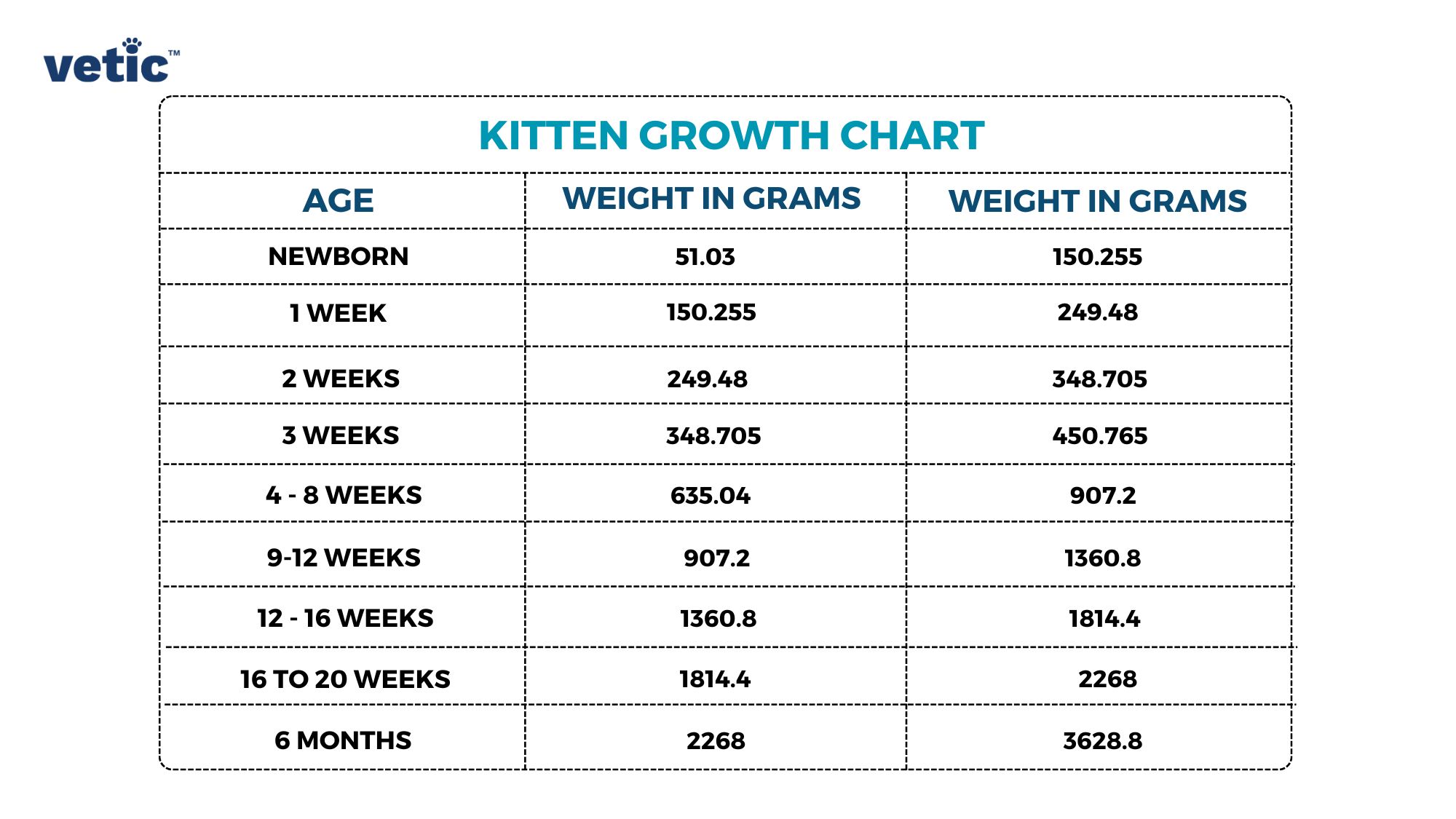
Many pet owners assume that a cat growth chart is a rigid, one-size-fits-all guide, but it's actually a flexible tool with some room for interpretation. While these charts provide a great visual reference, they are not set in stone; they offer a general framework to help you understand your cat's growth and development.
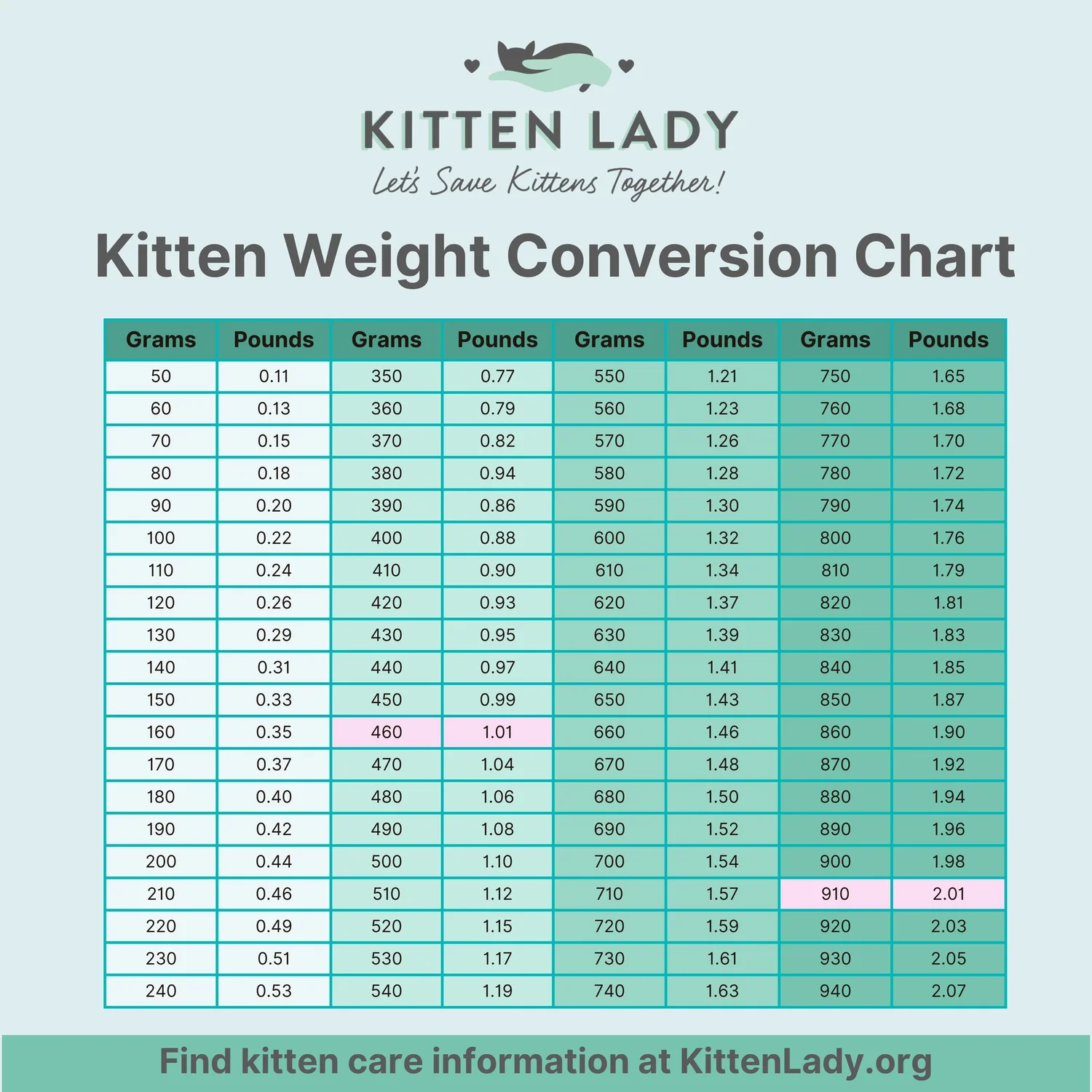
So, when using a cat growth chart, it's important to remember that every cat is unique, and growth rates can vary. These charts give you a handy comparison to ensure your feline friend is on the right track, but they are not an exact science. You might also find charts for specific aspects like cat weight or breed size comparisons, which can provide additional insights.
Understanding Growth Patterns: A Quick Overview
A cat growth chart is a valuable tool for cat owners and breeders, providing a visual representation of a cat's typical growth journey. It offers insights into the average growth rates and sizes cats achieve at different stages of their lives. This chart is a handy reference, especially for new cat parents, as it helps track and understand their feline friend's development.
Comparing Growth Chart Standards and Formats
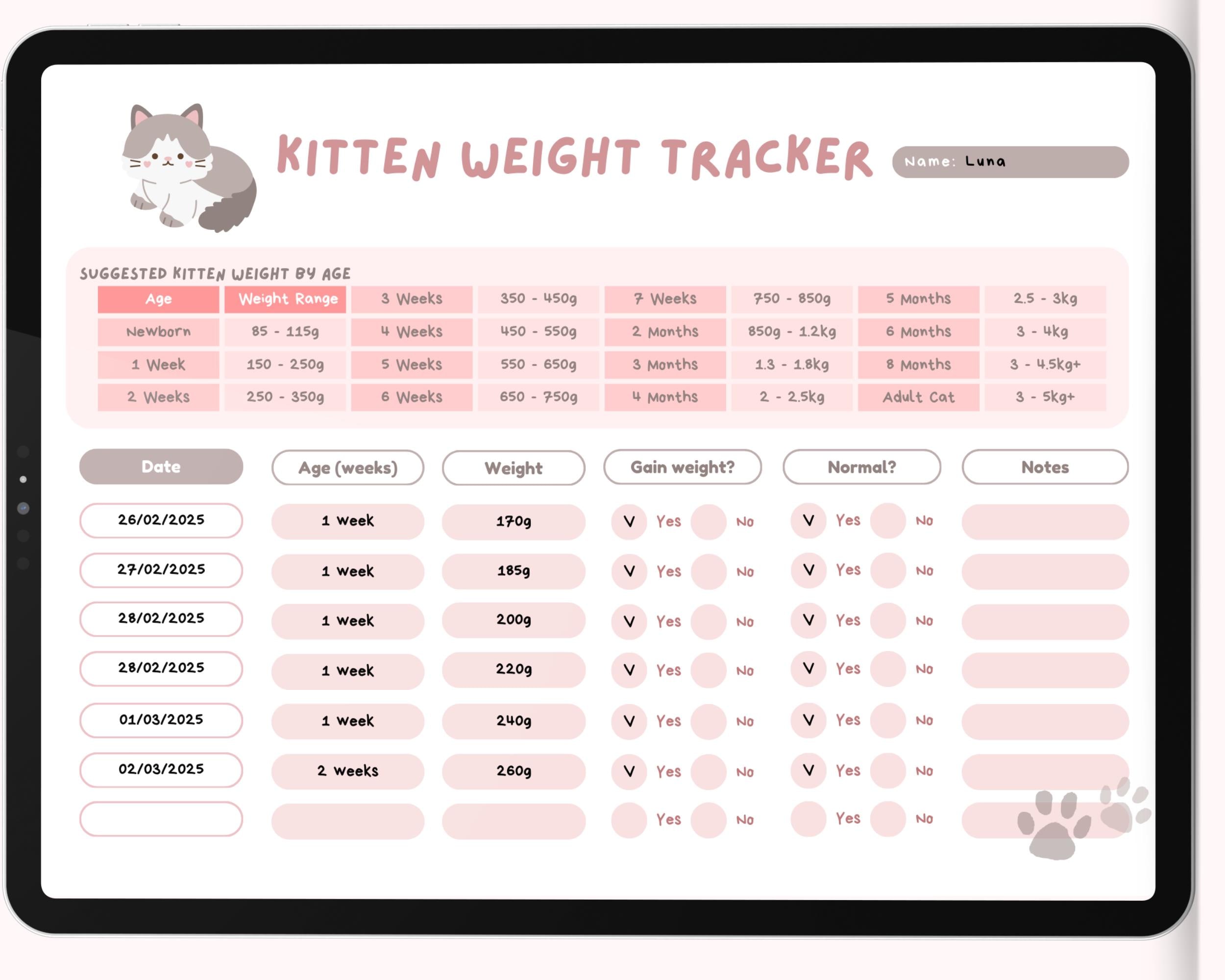
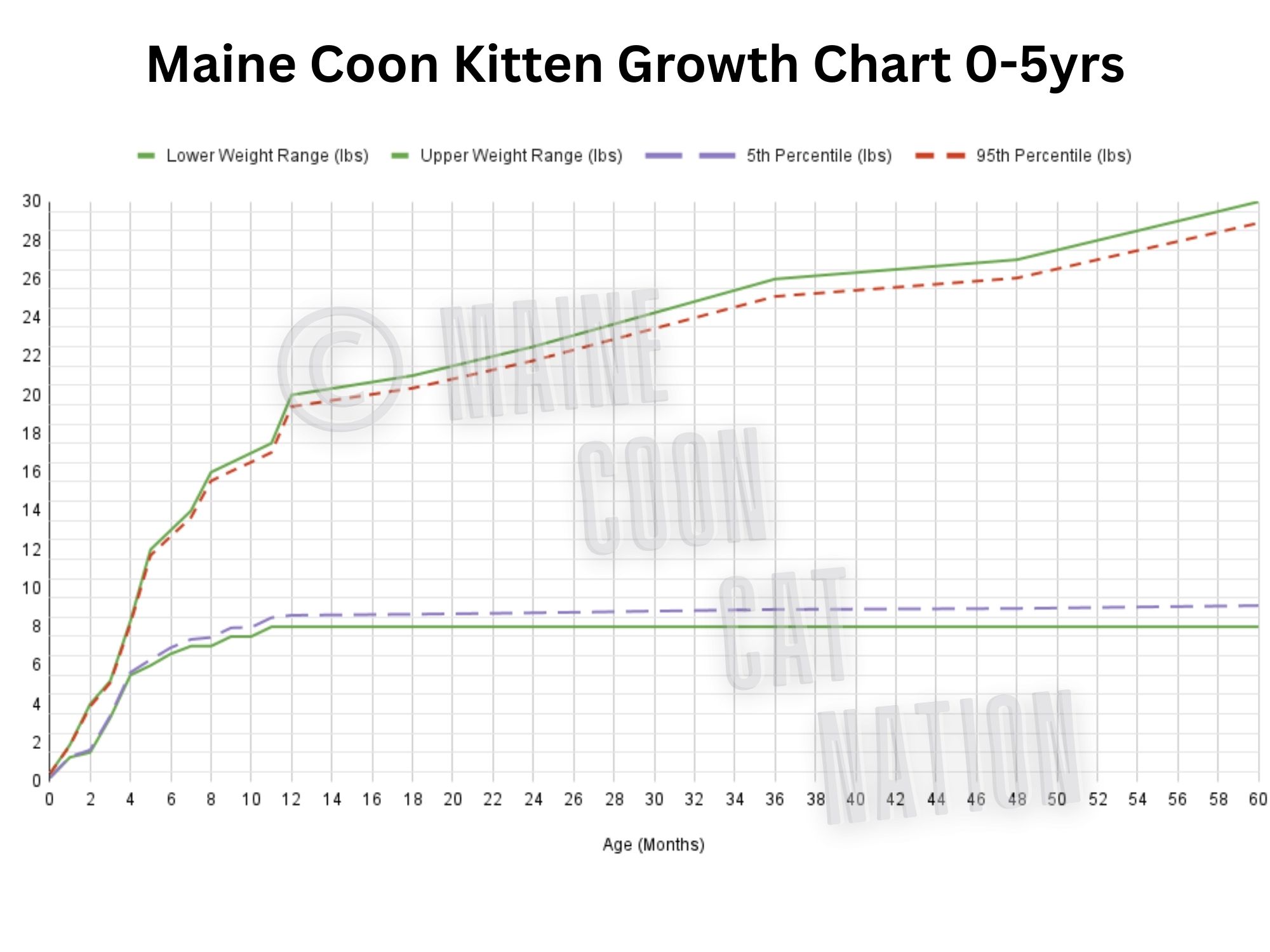
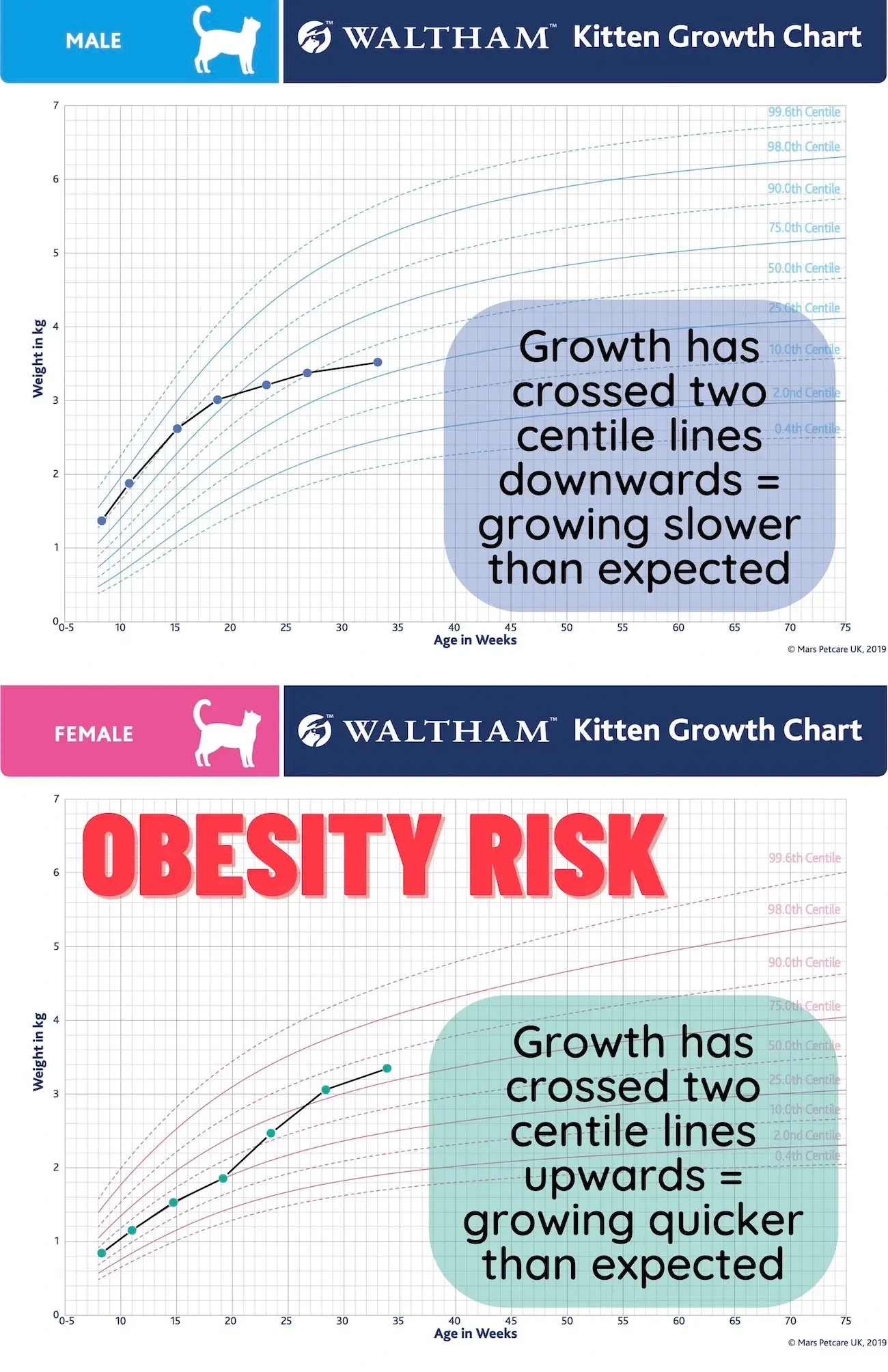
Cat growth charts typically come in two main formats: weight charts and height charts. Weight charts display the average weight a cat should gain over time, often categorized by age or growth stage. Height charts, on the other hand, illustrate the expected height a cat will reach, usually measured from shoulder to paw. Both charts use standard units of measurement, such as pounds or kilograms for weight and inches or centimeters for height. It's essential to note that these charts provide average values; individual cats may vary slightly due to breed, nutrition, and overall health.
Tracking Your Cat's Development: A Step-by-Step Guide
To use a cat growth chart accurately, follow these simple steps:
- Identify the type of chart you have: weight or height. Ensure it aligns with the measurement you wish to track.
- Locate your cat's age or growth stage on the chart. This is typically represented on the horizontal axis.
- Read the corresponding value on the vertical axis, which indicates the average weight or height for that age or stage.
- Compare this value to your cat's actual weight or height. If your cat falls within the average range, they are likely growing as expected. If they are significantly above or below the average, consult a veterinarian to ensure their health and development are on track.
Common Misreadings and How to Avoid Them
One common mistake when using a cat growth chart is failing to consider the chart's specific standard or unit of measurement. Always ensure you are using the correct chart for your region (e.g., US or metric) and that you understand the units displayed. Another pitfall is assuming the chart represents absolute values. Remember, these charts provide averages, and individual cats may vary. Regularly measuring and comparing your cat's actual size to the chart's values is essential to get an accurate reading.
Key Factors Affecting Accuracy and Real-World Use
Several factors can influence a cat's growth and development, causing variations from the average values on the cat growth chart. These include:
Breed: Different cat breeds have distinct growth patterns and sizes. For instance, a Maine Coon may grow larger than the average values on the chart, while a Siamese may be smaller.
Nutrition: A cat's diet plays a crucial role in their growth. Proper nutrition ensures they receive the necessary nutrients for healthy development.
Health: Underlying health issues can impact a cat's growth rate and size. Regular veterinary check-ups are essential to identify and address any potential health concerns.
Activity Levels: Active cats may develop differently than less active ones. Exercise and play can influence muscle development and overall size.
Environment: The living conditions and care a cat receives can also affect their growth. A stimulating and enriching environment can promote healthy development.
By considering these factors and regularly monitoring your cat's growth, you can ensure they are on a healthy development path and make informed decisions regarding their care.
Well, that's a wrap on our cat growth chart guide! We've covered a lot of ground, from understanding the different growth standards to the step-by-step process of using a chart and avoiding common pitfalls. Remember, these charts are a great tool, but exact values may vary slightly, so it's always good to consult a vet for personalized advice.
Feel free to explore our other guides for more practical tips and insights. We've got a whole collection of resources to help you navigate the world of pet care, so don't hesitate to check them out!