
Receipt Template Hong Kong Overview
A kitten age chart is a handy tool for any cat lover or owner, offering a quick glimpse into a kitten's growth and development. This guide will cover the essentials, providing you with the knowledge to interpret and utilize a kitten age chart effectively.
From weeks to months, these charts outline standard milestones and common development stages, giving you an overview of your kitten's progress. While values may vary slightly depending on factors like breed and region, the charts offer a reliable reference point for cat enthusiasts and owners alike.
Understanding the Kitten Age Chart
The kitten age chart is a valuable tool for cat owners and enthusiasts, offering a visual representation of a kitten's growth and development over time. This chart provides a practical guide to understanding a kitten's age and the associated milestones.
Key Details and Categories
The kitten age chart typically presents age in weeks or months, with corresponding physical and behavioral changes. It covers a kitten's journey from birth to adulthood, usually up to one year. The chart may vary slightly depending on the standard used, but it generally follows a consistent format.
Reading and Applying the Chart
To use the kitten age chart accurately, follow these steps:
- Identify the age of your kitten in weeks or months.
- Locate the corresponding age range on the chart.
- Review the physical and behavioral characteristics listed for that age range.
- Compare these characteristics to your kitten's development.
- Note any significant variations or delays, which may indicate the need for veterinary attention.
For instance, a four-week-old kitten should be gaining weight steadily, with eyes and ears opening, and initial attempts at walking. By eight weeks, kittens should be fully weaned and showing more independence.
Variations in Growth
It's important to note that every kitten is unique, and growth rates can vary. Factors such as breed, nutrition, environment, and overall health can influence a kitten's development. Here are some key variations to consider:
- Breed: Different cat breeds have distinct growth patterns. For example, larger breeds may take longer to reach maturity.
- Nutrition: A well-balanced diet is crucial for healthy growth. Malnutrition can lead to stunted development.
- Environment: A stimulating and safe environment promotes healthy growth. Stress or lack of stimulation can impact a kitten's development.
- Health: Underlying health issues can affect growth. Regular veterinary check-ups are essential to identify and address any concerns.
Remember, the kitten age chart provides a general guide, and individual kittens may develop at their own pace. If you have concerns about your kitten's growth, consult a veterinarian for personalized advice.
Remember that while this chart provides a great starting point, the exact details may differ slightly based on your kitten's unique development and the specific guidelines you follow. Every kitten is an individual, so keep an eye on their progress and adjust your expectations accordingly.
Feel free to explore our other guides for more practical tips and insights into the wonderful world of kitten care. You'll find a wealth of information to support you and your furry friend through every stage of their growth and development.
Related: Find Corolla Tide Chart: Quick Reference Guide
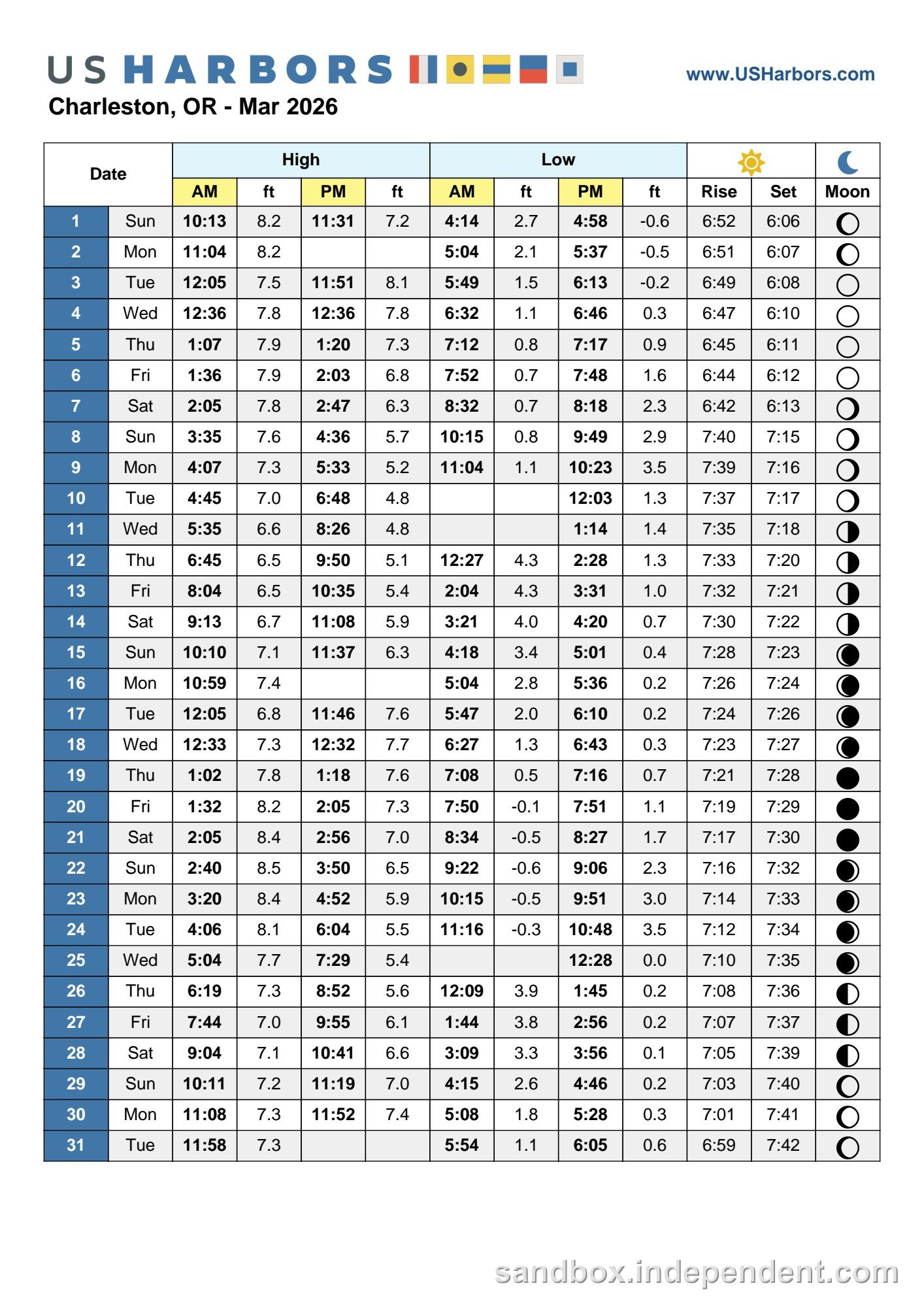
You're probably here because you need a quick answer, a reliable reference, or some clarity on reading Corolla tide charts. These charts are a handy tool, offering a simple visual guide to help you plan your day by the sea. They provide valuable insights into the ebb and flow of the tides, showing you the tide times and heights, which can vary depending on your location.
Understanding Corolla Tide Charts
A tide chart is a handy tool that shows the predicted times and heights of high and low tides for a specific location, like Corolla. These charts are essential for anyone planning activities near the coast, from fishing and boating to beachcombing and surfing. By understanding and using a tide chart, you can make the most of your time on the water or along the shore.
Key Details and Categories
A tide chart typically displays the following information: the date and time of each tide, the height of the tide (usually in feet or meters), and sometimes additional details like the moon phase or tidal current speeds. The times are often given in a 24-hour clock format, so it's good to be familiar with that. The height of the tide is a crucial factor, as it affects water depth and can impact various activities.
Reading and Applying Tide Levels
Here's a step-by-step guide to reading and using a corolla tide chart:
- Identify the date and time you're interested in. Tide charts usually cover a specific period, often a month, so find the relevant date.
- Look for the corresponding high and low tide times. These are typically marked clearly, with the height of the tide noted beside each time.
- Consider the height of the tide for your activity. For example, if you're fishing, you might want to aim for a high tide to access deeper waters.
- Plan your activities accordingly. With the tide times and heights in mind, you can schedule your day to make the most of the conditions.
- Remember to check the moon phase, if available. This can give you an idea of the tidal range and the potential for strong currents.
Variations and Differences
Tide charts can vary based on several factors:
- Location: Different coastal areas will have unique tide patterns due to geographical features and ocean currents.
- Moon and Sun: The gravitational pull of these celestial bodies affects tides, so lunar and solar cycles can cause variations.
- Weather: Storms and high winds can influence tidal behavior.
- Seasonal Changes: Tides can exhibit different patterns throughout the year.
Common Mistakes and How to Avoid Them
- Misreading the Time: Always double-check the time format. A simple mistake like confusing AM and PM can lead to missed opportunities.
- Ignoring Tidal Currents: Strong currents can make boating and fishing challenging. Check for any notes on current speeds on your tide chart.
- Assuming Consistency: Tide patterns can change, so avoid relying solely on past experiences. Always check the latest tide data.
- Forgetting to Adjust for Daylight Saving: Remember to account for time changes, especially during spring and autumn.
Practical Tips for Accurate Results
- Use Reputable Sources: Ensure your tide chart comes from a reliable source, such as a trusted website or a local marina.
- Check Regularly: Tide conditions can change, so update your tide data frequently, especially if you're planning activities over several days.
- Consider Weather Forecasts: Weather can impact tides, so keep an eye on forecasts to anticipate any unusual tidal behavior.
- Learn Local Patterns: If you frequent a specific coastal area, study the local tide patterns to better predict conditions.
Double-Checking and Handling Exceptions
While tide charts are valuable, they are predictions and may not always be accurate, especially during extreme weather events. Always be prepared for variations and:
- Check for Any Alerts: If there's a storm or unusual weather, confirm the tide predictions with local authorities or marine experts.
- Use Multiple Sources: Compare predictions from different sources to get a more accurate picture, especially during exceptional circumstances.
- Plan for Flexibility: If you're dependent on specific tide conditions, consider having a backup plan or being ready to adapt.
- Stay Informed: Keep updated with the latest weather and marine forecasts to make informed decisions.
Well, there you have it! Understanding the Corolla Tide Chart is a handy skill, and now you're equipped with the knowledge to navigate it like a pro. Remember, while this guide provides a solid foundation, always double-check the specific context and requirements for your project or location. It's a good idea to keep an eye on any unique factors that might affect your readings.
Feel free to explore our other resources for more practical insights and guides. We've got you covered with a range of topics to enhance your knowledge and skills. Happy charting!
Related: Construction Escalation Calculator Essential Guide
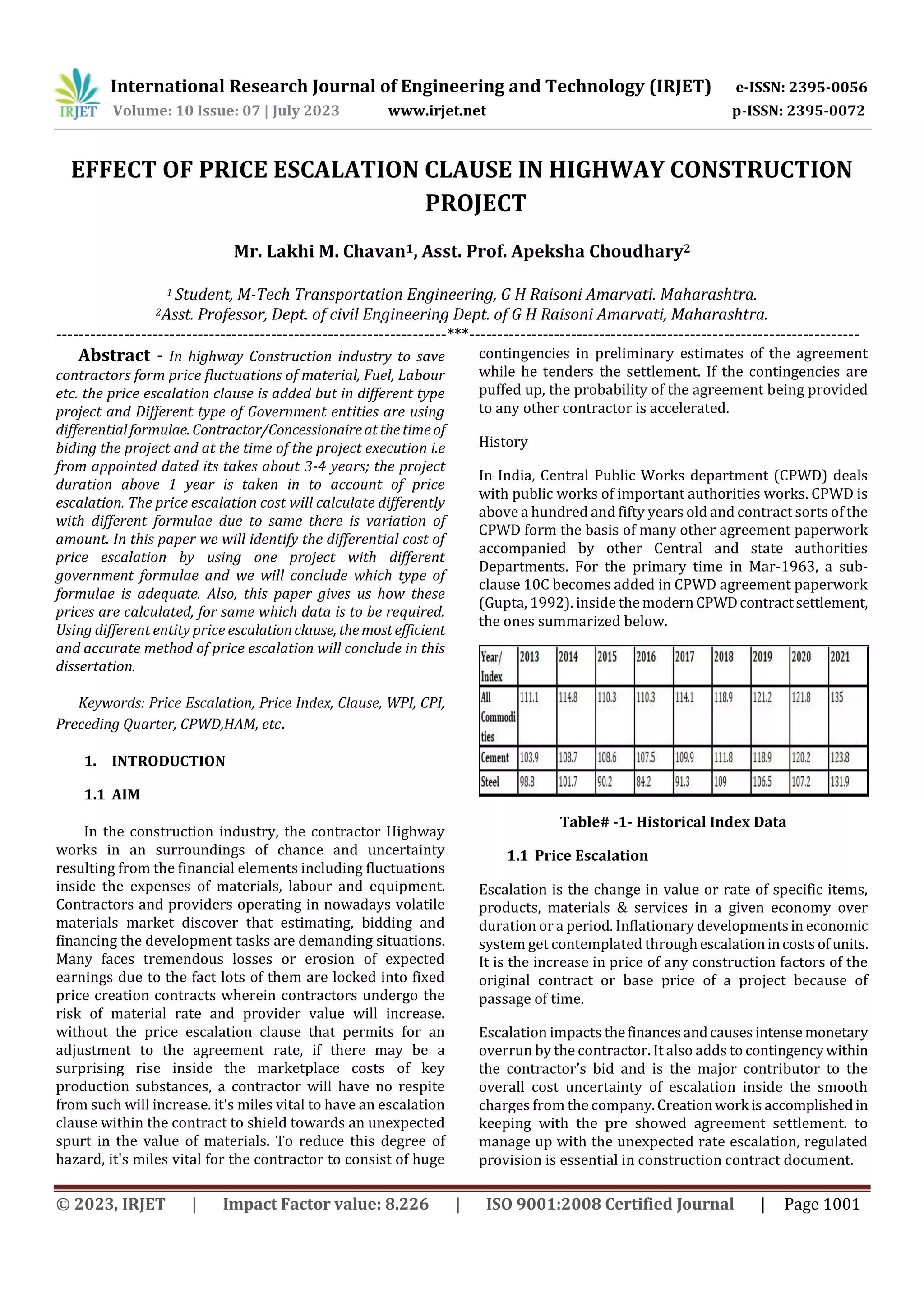
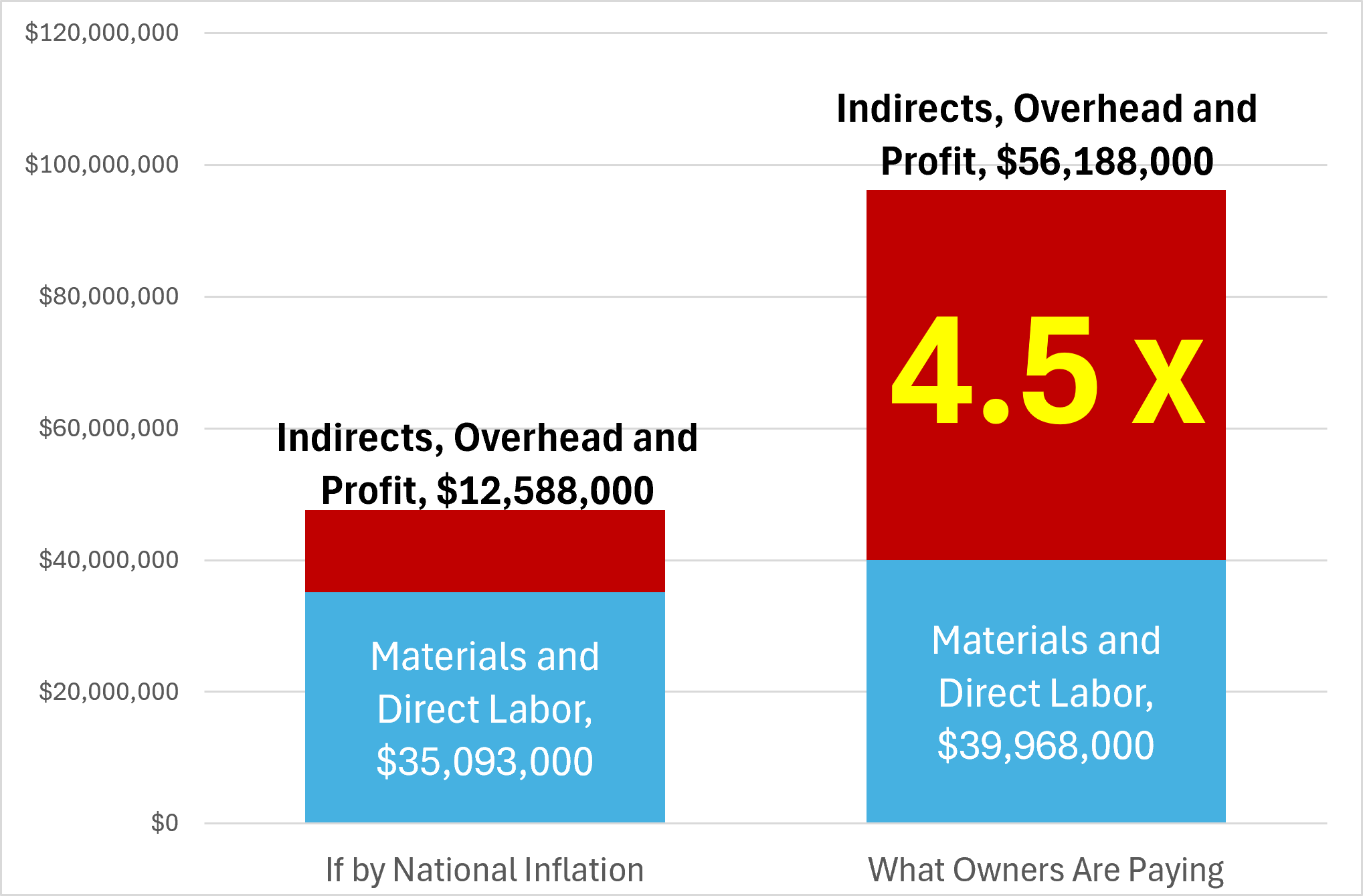
I've got a question for you: how do you keep track of those ever-changing construction costs? You know, the ones that seem to go up every time you turn around? Well, that's where the construction escalation calculator comes in handy! It's like a secret weapon for anyone in the building game, and I'm here to spill the beans on how it works.
Understanding Construction Escalation
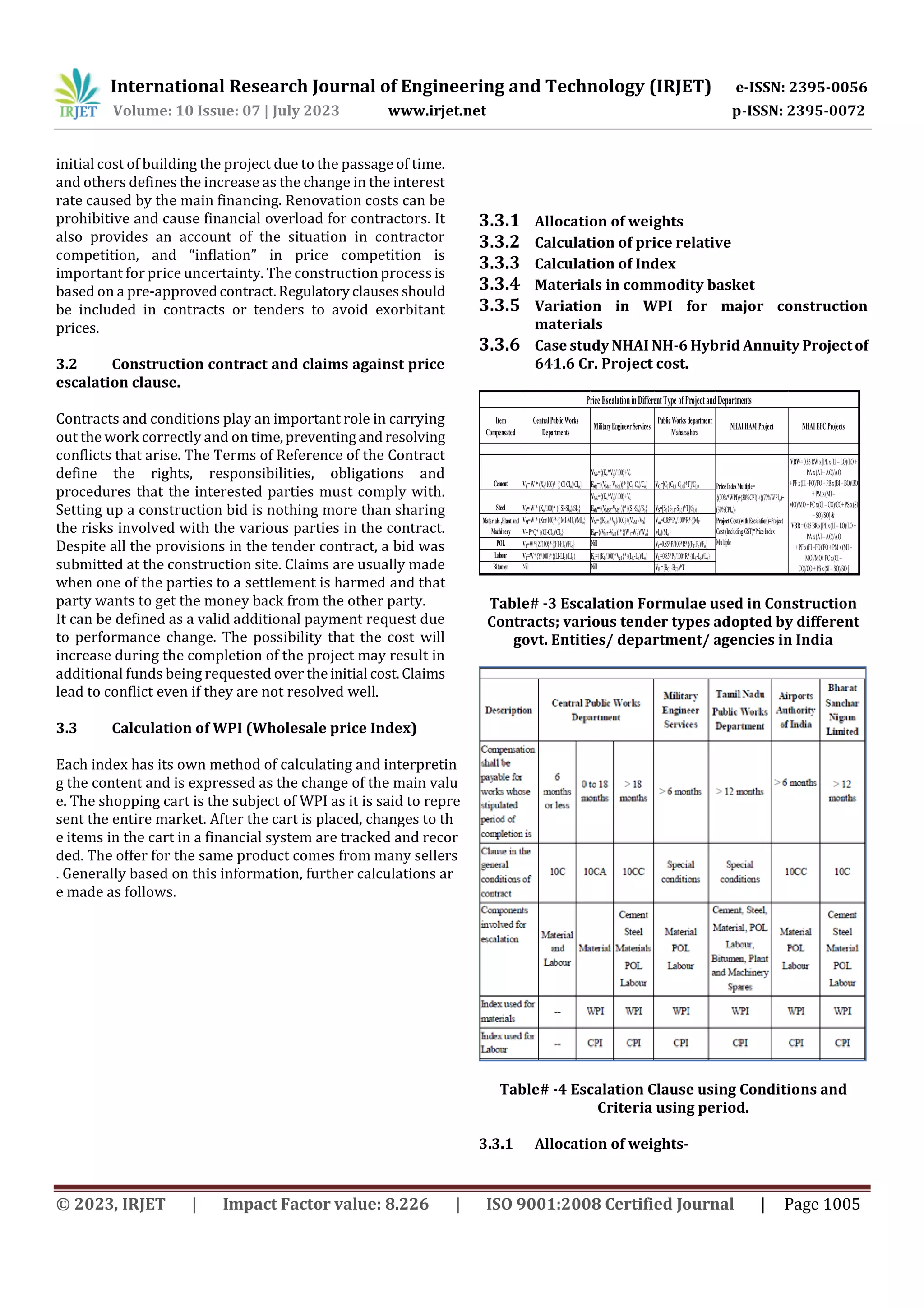
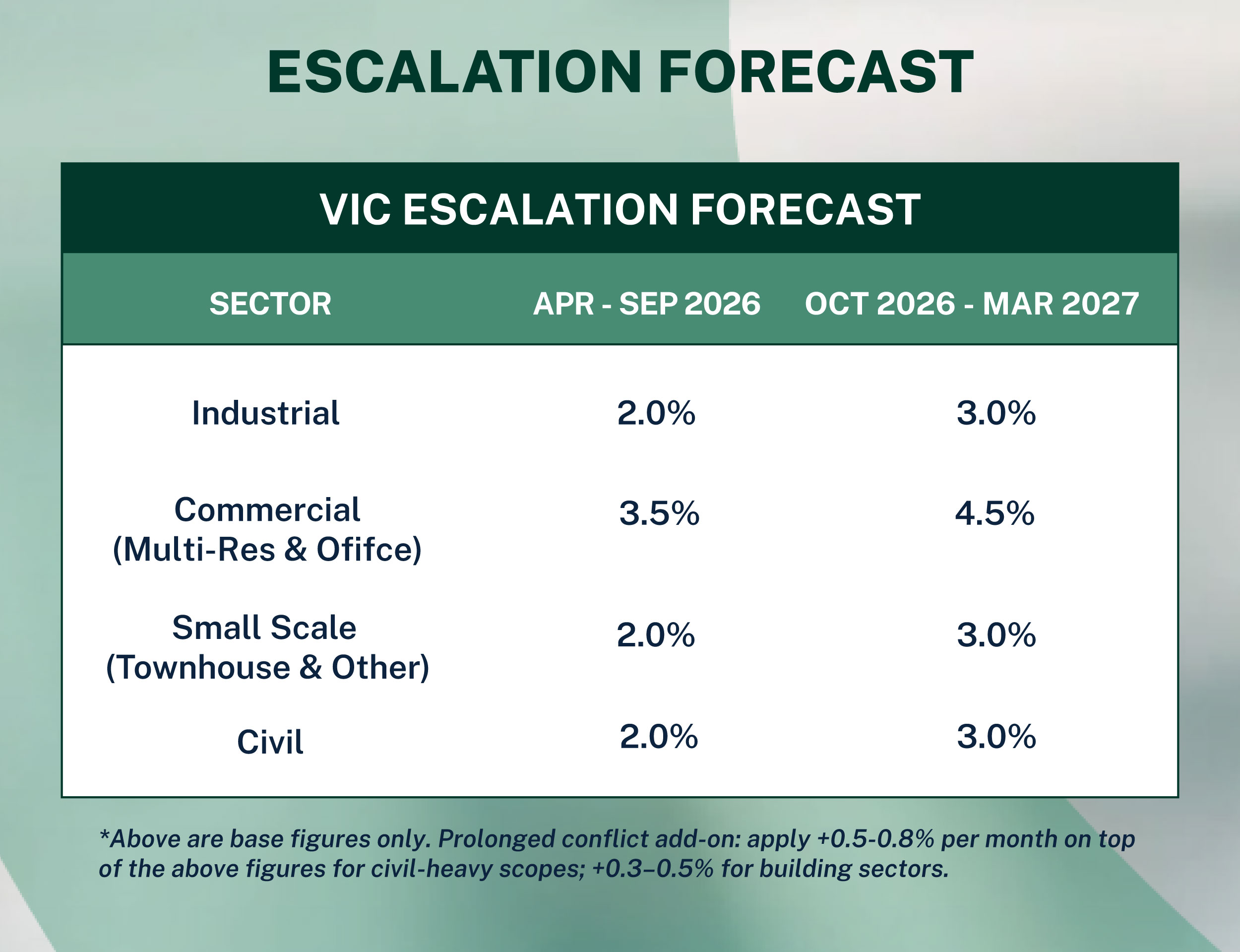
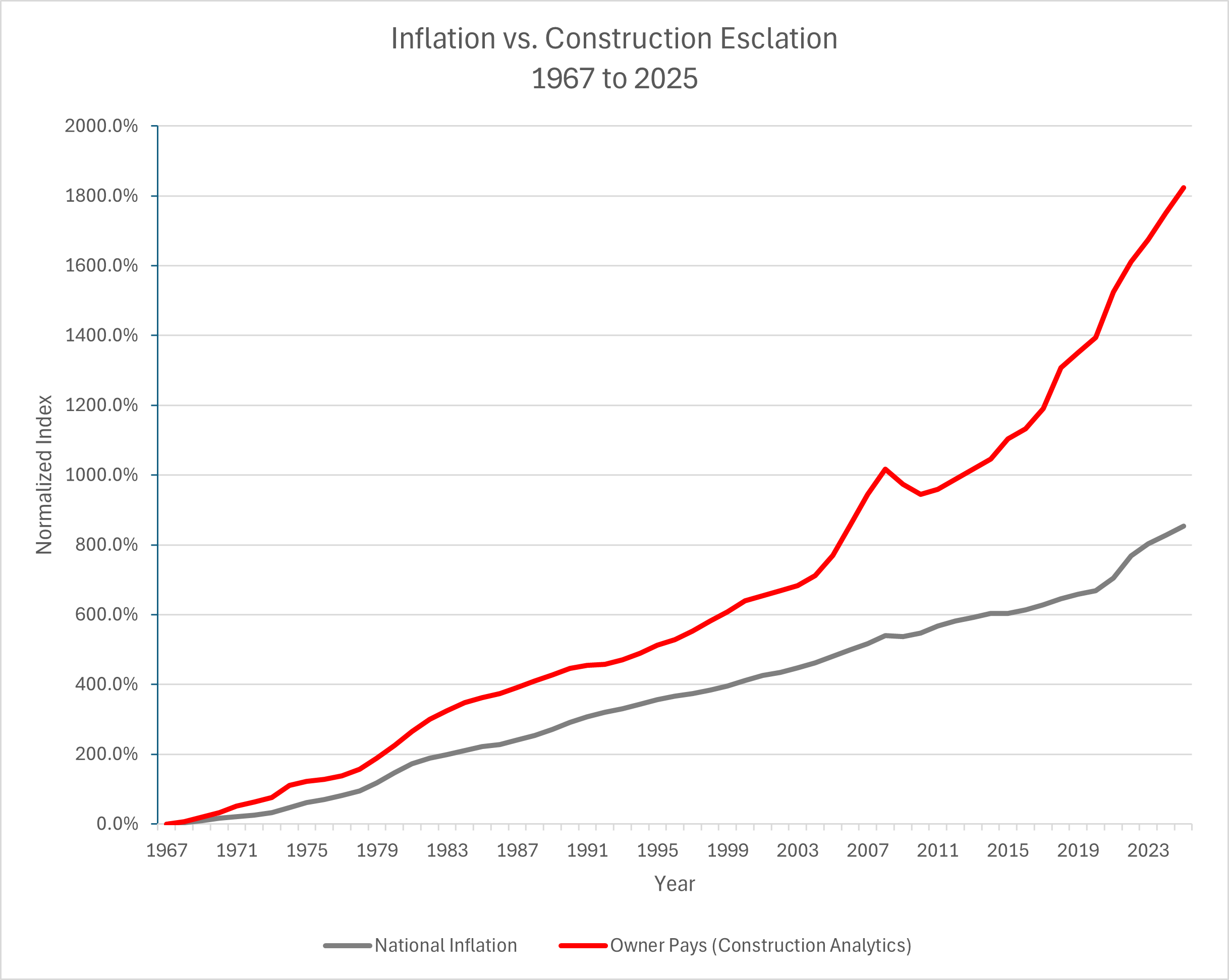
So, what's this construction escalation calculator all about? In a nutshell, it's a tool that helps you predict and manage the rising costs of construction projects. You see, things like materials, labor, and even the cost of living can change over time, and these changes can affect your budget. The calculator takes into account these potential increases, giving you a more accurate picture of what your project might cost in the future. It's a handy way to stay ahead of the game and avoid any nasty surprises down the line.
How It Works for You
The construction escalation calculator is a simple yet powerful tool. You input the current costs of your project, including materials, labor, and any other relevant expenses. Then, you choose an escalation rate, which is basically an estimate of how much costs might increase over time. This rate can vary depending on the project's duration and the market conditions. Once you've got your escalation rate, the calculator does its magic, giving you a projected cost for the future. This way, you can plan your budget and negotiate contracts with a clearer idea of what's to come.
Benefits for Contractors and Homeowners
For contractors, a construction escalation calculator is a lifesaver. It helps you provide more accurate quotes to clients, ensuring you don't undercut yourself. It also allows you to build a more reliable schedule, taking into account potential cost increases. As for homeowners or businesses planning renovations, this tool gives you a clearer idea of the overall cost of your project. You can use it to compare quotes from different contractors and ensure you're getting a fair deal. It also helps you plan your finances, so you're not caught off guard by unexpected expenses.
Naming Your Construction Business
If you're in the market for a catchy name for your construction business, you've got a few things to consider. First, think about what sets your company apart. Is it your specialty in certain types of projects, your unique approach, or maybe your commitment to sustainability? Your business name should reflect this. Keep it simple, memorable, and, if possible, a bit catchy. Here are a few ideas to get you started:
- BuildRight
- Green Construction Co.
- Solid Foundations
- Skyward Builders
- Renova Renovations
Remember, before you settle on a name, check its availability for domains and local registration. You don't want any legal headaches down the line!
Construction Jobs and the Industry
The construction industry offers a wide range of job opportunities, from general contractors and estimators to project managers and specialists in various trades. Estimators, for example, are crucial in putting together accurate quotes and managing costs. They work closely with project managers and clients to ensure the financial side of things runs smoothly. If you're looking for construction jobs, online job boards and industry-specific websites are great places to start. You can also check with local construction companies or reach out to recruitment agencies that specialize in the industry.
The Big Picture: Industry Outlook
When it comes to the construction industry, size matters. Larger firms often have the resources to take on bigger projects and may have more specialized departments, like dedicated cost-estimating teams. They might also have access to better deals on materials and equipment due to their scale. However, smaller companies can offer more personalized service and may be more flexible in their approach. They might be better suited to smaller-scale projects or those with unique requirements. It's all about finding the right fit for your needs.
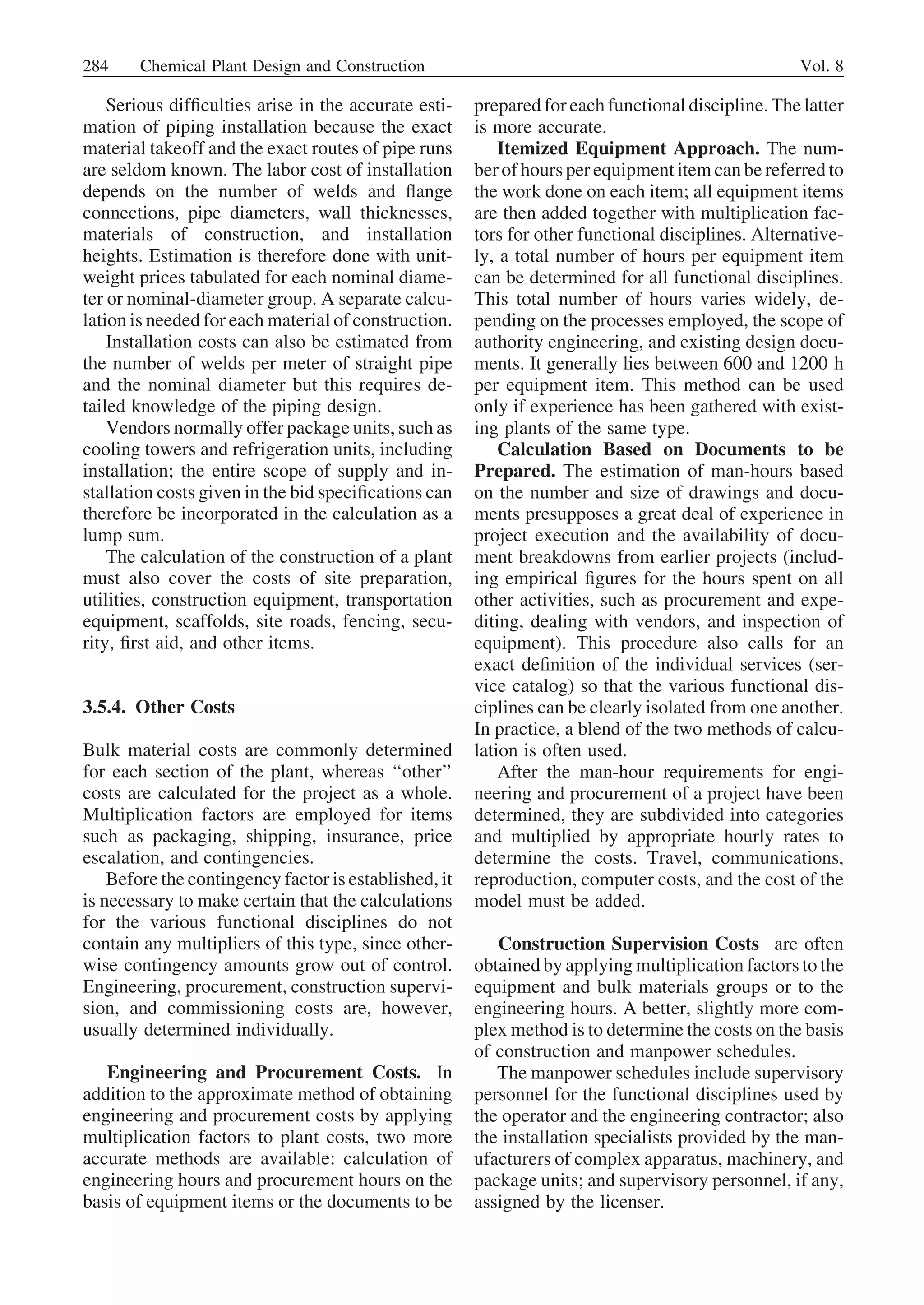
In conclusion, the construction escalation calculator is a valuable tool for anyone involved in the building industry. It helps you plan, budget, and stay ahead of those pesky cost increases. Whether you're a contractor or a homeowner, it's a simple yet effective way to keep your projects on track. So, the next time you're tackling a construction project, remember to give this calculator a try! It might just save you some headaches down the line.