



Receipt Template Html Overview
Ems charts login is a handy tool for anyone in the medical field, offering a quick glance at essential emergency procedures. This guide will take you through the basics, ensuring you know how to access and interpret these charts effectively.
The charts provide a visual overview of emergency protocols, offering a simple and fast reference for medical responders. While the specific values and formats may vary depending on your region or organization, the ems charts login system ensures a standardized approach, making it a reliable and accessible resource.
Understanding EMS Charts Login
EMS charts login is a valuable tool for emergency medical services personnel, providing a quick reference guide to various emergency procedures and treatment protocols. This chart is designed to offer key information at a glance, aiding rapid decision-making during critical situations.
Key Details and Prerequisites
The EMS charts login typically includes a range of categories and symbols, each representing a specific action or response. These categories may cover areas such as patient assessment, vital signs, medication administration, and emergency equipment usage. The chart often uses standardized symbols and colors to ensure easy interpretation. For instance, a red cross might indicate a critical action, while a green symbol could represent a less urgent step.
Interpreting the Data: A Step-by-Step Guide
- Begin by identifying the primary issue or symptom for which you require guidance. This could be a medical condition, an injury, or an environmental factor affecting the patient.
- Locate the relevant section on the chart. EMS charts login are often organized by body systems or common emergency scenarios.
- Follow the flow of the chart, reading the instructions and taking note of any specific actions or medications required. Pay attention to any special symbols or notes that provide additional context.
- Ensure you understand the recommended course of action before proceeding. If in doubt, consult a more detailed reference or seek guidance from a senior medical professional.
- Act upon the instructions, ensuring you follow any specific timing or dosage requirements.
Variations and Differences
It's important to note that EMS charts login may vary depending on the specific standard or protocol being followed. Different regions and organizations may have slightly different approaches to emergency response, so it's crucial to be aware of any local variations. Additionally, the chart's design and content might evolve over time as medical knowledge and practices advance. Always refer to the most up-to-date version of the chart for accurate and reliable information. While EMS charts login provides a comprehensive overview, it is not a substitute for thorough training and medical expertise. It serves as a valuable tool to support decision-making, but individual judgment and clinical skills are essential in emergency situations.
So, there you have it! A simple and practical guide to navigating EMS charts. Remember, these charts are a handy tool, but it's always wise to double-check the specific details and standards relevant to your situation.
Consider bookmarking this page for future reference; it might just save you some time and effort the next time you need a quick refresh on EMS charts. Happy charting!
Related: How to use a kitten age chart?
A kitten age chart is a handy tool for any cat lover or owner, offering a quick glimpse into a kitten's growth and development. This guide will cover the essentials, providing you with the knowledge to interpret and utilize a kitten age chart effectively.
From weeks to months, these charts outline standard milestones and common development stages, giving you an overview of your kitten's progress. While values may vary slightly depending on factors like breed and region, the charts offer a reliable reference point for cat enthusiasts and owners alike.
Understanding the Kitten Age Chart
The kitten age chart is a valuable tool for cat owners and enthusiasts, offering a visual representation of a kitten's growth and development over time. This chart provides a practical guide to understanding a kitten's age and the associated milestones.
Key Details and Categories
The kitten age chart typically presents age in weeks or months, with corresponding physical and behavioral changes. It covers a kitten's journey from birth to adulthood, usually up to one year. The chart may vary slightly depending on the standard used, but it generally follows a consistent format.
Reading and Applying the Chart
To use the kitten age chart accurately, follow these steps:
- Identify the age of your kitten in weeks or months.
- Locate the corresponding age range on the chart.
- Review the physical and behavioral characteristics listed for that age range.
- Compare these characteristics to your kitten's development.
- Note any significant variations or delays, which may indicate the need for veterinary attention.
For instance, a four-week-old kitten should be gaining weight steadily, with eyes and ears opening, and initial attempts at walking. By eight weeks, kittens should be fully weaned and showing more independence.
Variations in Growth
It's important to note that every kitten is unique, and growth rates can vary. Factors such as breed, nutrition, environment, and overall health can influence a kitten's development. Here are some key variations to consider:
- Breed: Different cat breeds have distinct growth patterns. For example, larger breeds may take longer to reach maturity.
- Nutrition: A well-balanced diet is crucial for healthy growth. Malnutrition can lead to stunted development.
- Environment: A stimulating and safe environment promotes healthy growth. Stress or lack of stimulation can impact a kitten's development.
- Health: Underlying health issues can affect growth. Regular veterinary check-ups are essential to identify and address any concerns.
Remember, the kitten age chart provides a general guide, and individual kittens may develop at their own pace. If you have concerns about your kitten's growth, consult a veterinarian for personalized advice.
Remember that while this chart provides a great starting point, the exact details may differ slightly based on your kitten's unique development and the specific guidelines you follow. Every kitten is an individual, so keep an eye on their progress and adjust your expectations accordingly.
Feel free to explore our other guides for more practical tips and insights into the wonderful world of kitten care. You'll find a wealth of information to support you and your furry friend through every stage of their growth and development.
Related: How to use the cat chonk chart?
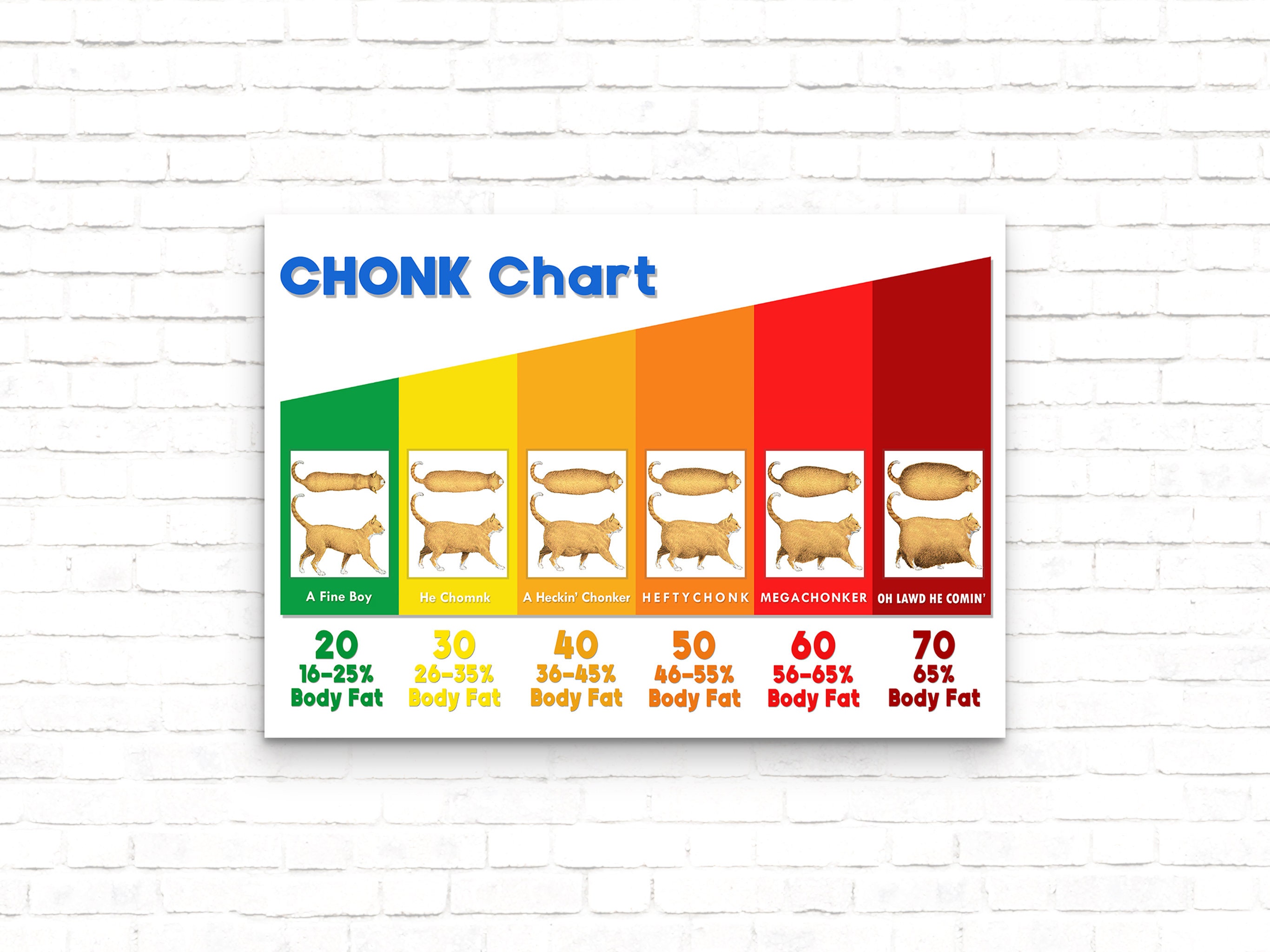
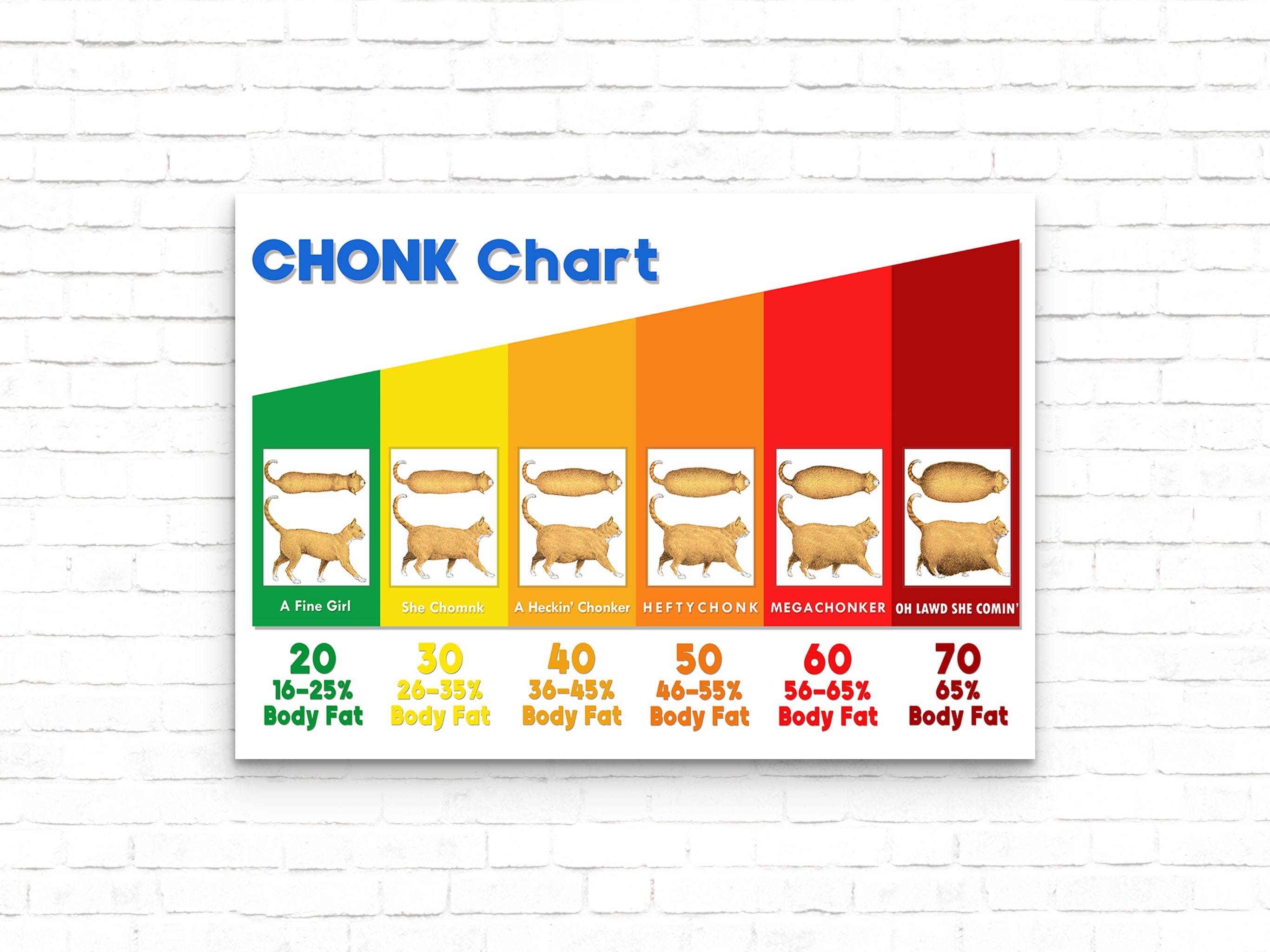
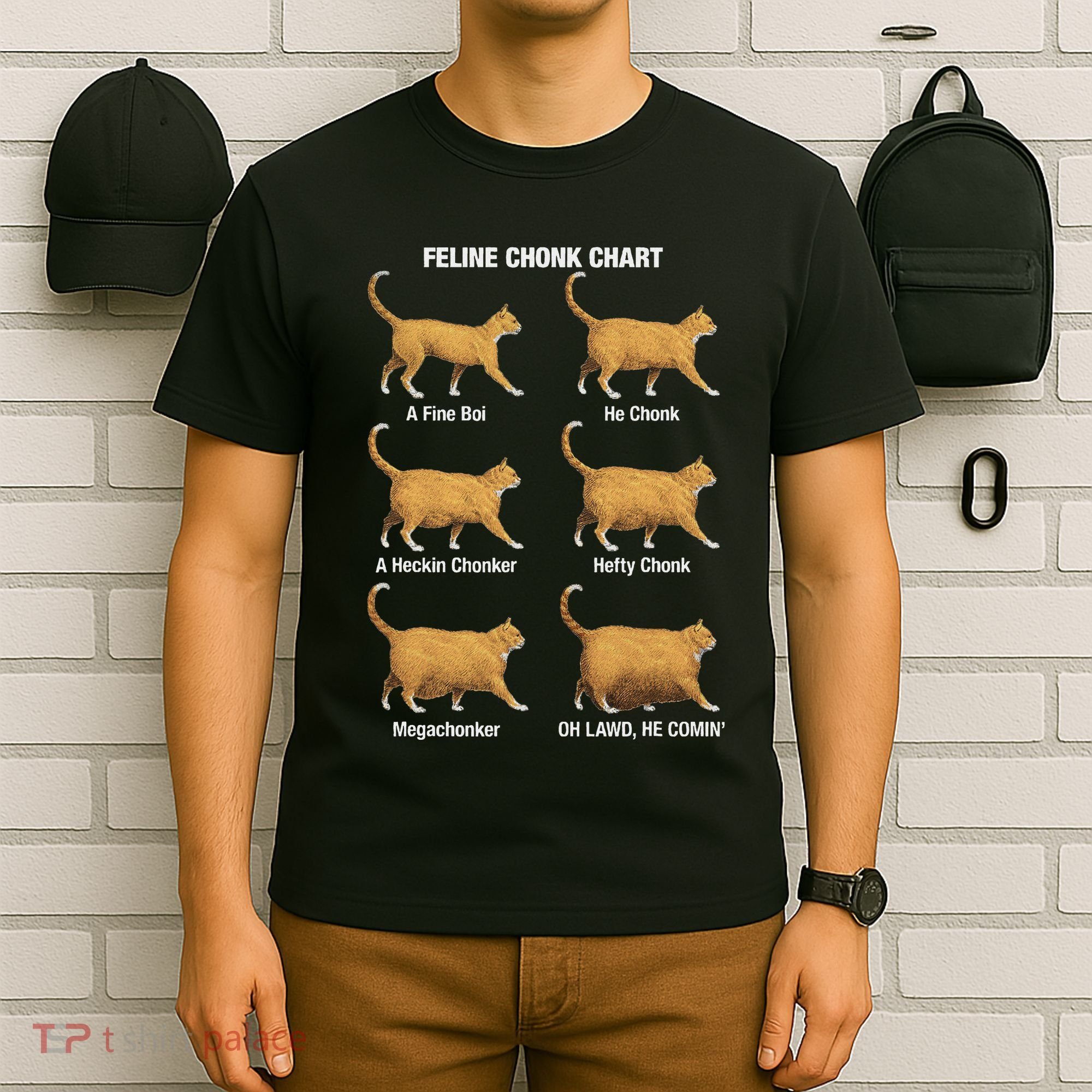
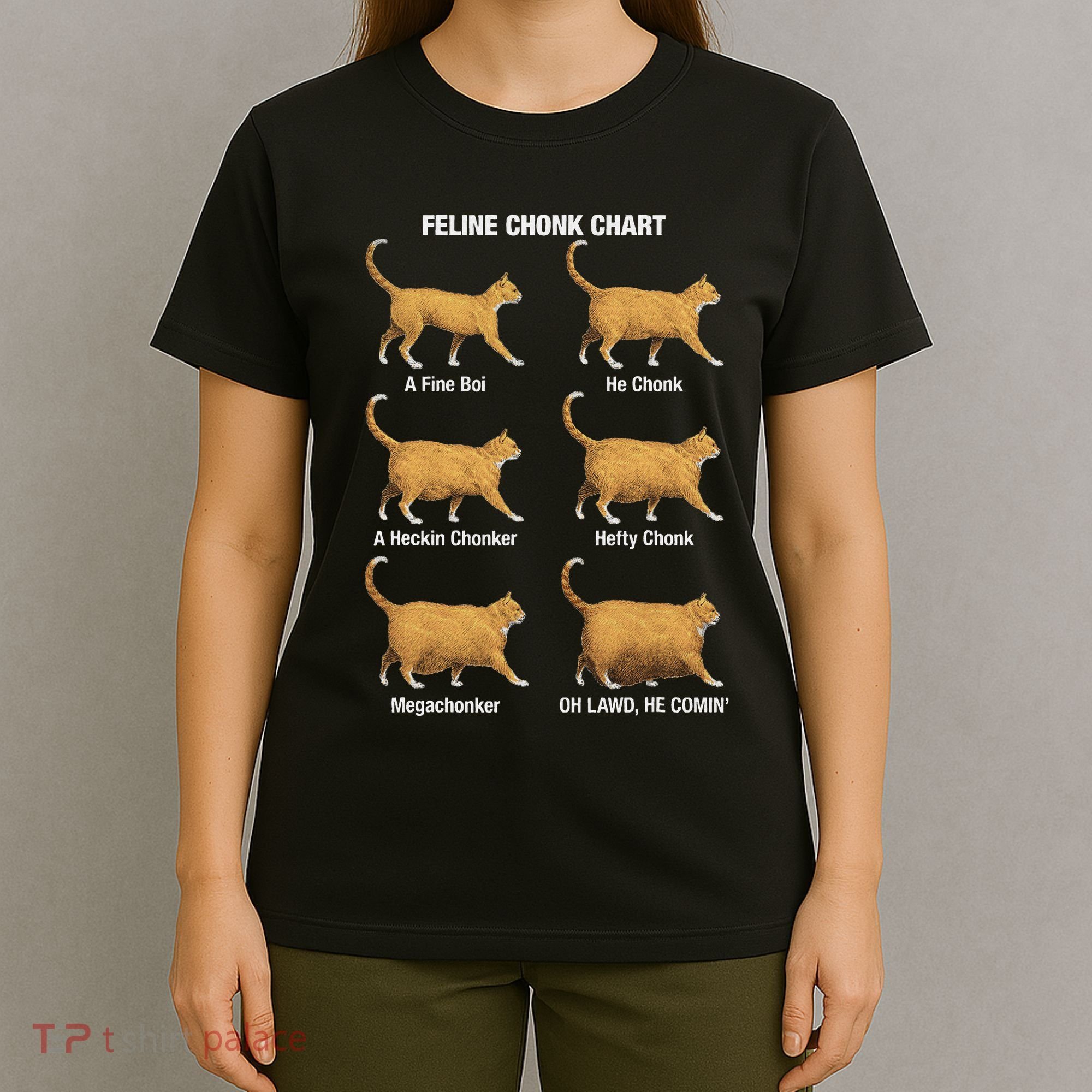
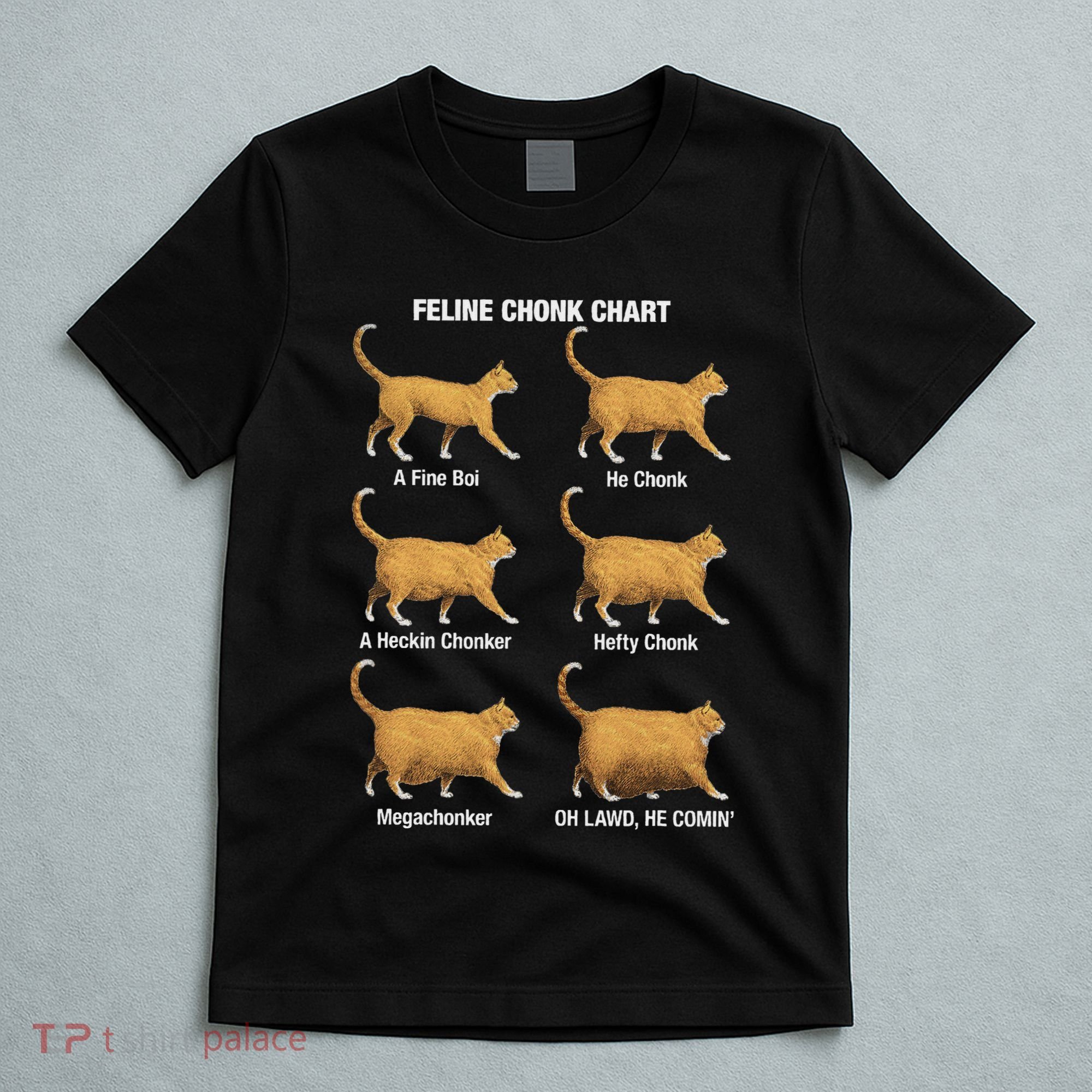
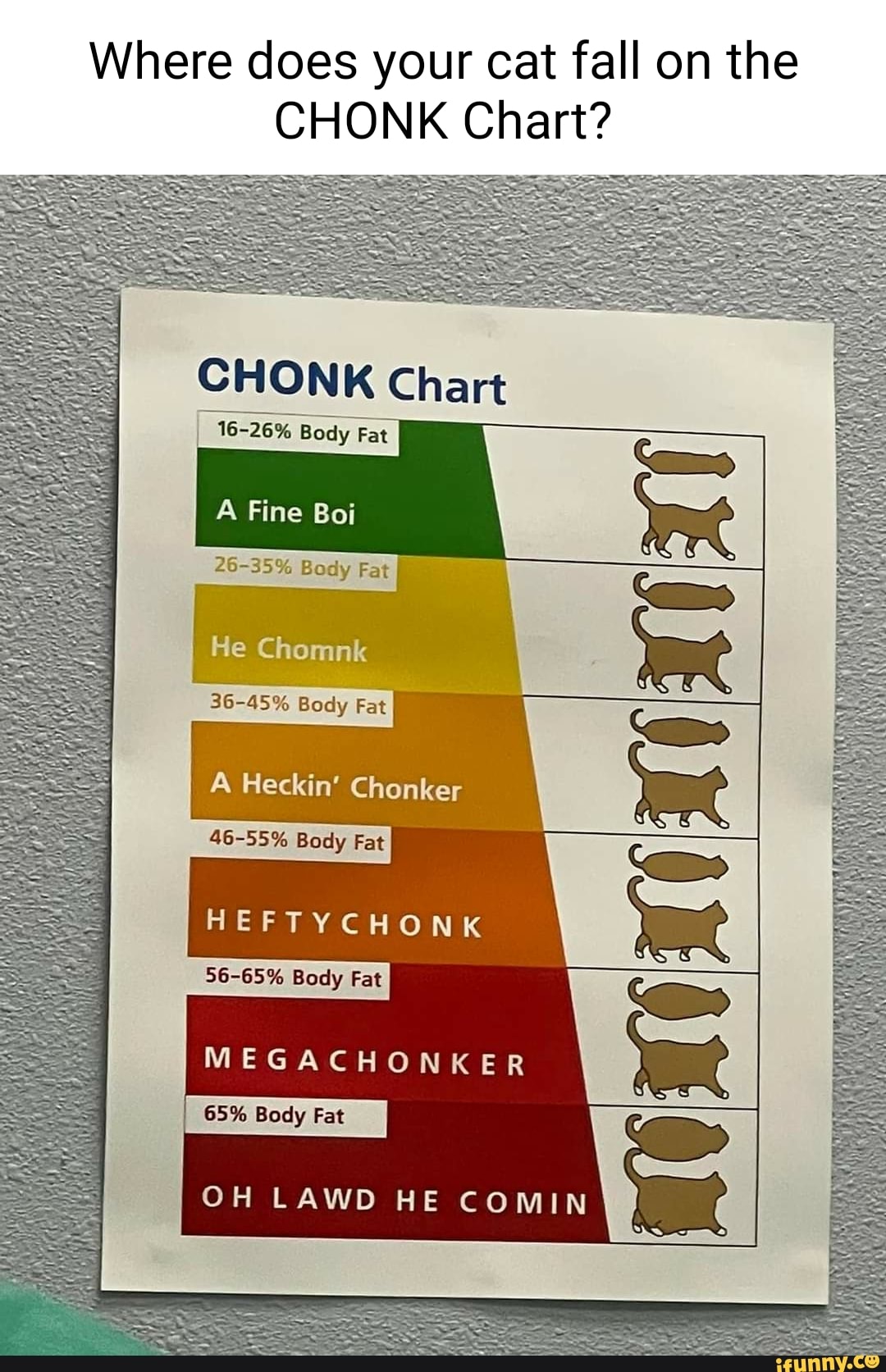
A common misconception about the cat chonk chart is that it's solely about judging a cat's appearance; however, this visual tool serves a much more practical purpose. The cat chonk chart, or feline weight chart, is an essential reference for cat owners, providing a clear guide to assess a cat's body condition and overall health. It offers a simple yet effective way to understand and monitor your cat's weight, ensuring they maintain an ideal and healthy size.
Understanding the Cat Chonk Chart
The cat chonk chart is a valuable tool for cat owners and veterinary professionals to assess a cat's body condition and determine if they are at a healthy weight. It provides a visual representation of different body types and helps identify if a cat falls within the ideal weight range. This chart is a simple yet effective way to monitor a cat's health and make informed decisions about their diet and lifestyle.
Key Details and Categories
The cat chonk chart typically consists of a reference grid or a series of images depicting cats with varying body conditions. It often includes categories such as "Underweight," "Ideal Weight," "Overweight," and "Obese." These categories are further divided into sub-ranges, providing a more detailed assessment. The chart may also feature additional information, such as breed-specific considerations and guidelines for different life stages. It is essential to note that the chart's accuracy depends on the standard used; some charts follow international guidelines, while others may be region-specific.
Interpreting Results: A Step-by-Step Guide
To use the cat chonk chart accurately, follow these steps:
- Familiarize yourself with the chart's layout and categories. Understand the visual representations and their corresponding weight ranges.
- Assess your cat's body condition by feeling their ribcage, spine, and hips. These areas should have a slight covering of fat but not be overly padded.
- Compare your cat's body condition to the images or descriptions on the chart. Look for similarities in terms of body shape, muscle definition, and overall appearance.
- Determine which category your cat falls into. If your cat's body condition aligns with the "Ideal Weight" category, they are likely at a healthy weight. If they are on the border or slightly above, it may indicate a need for weight management.
- Consult with a veterinarian if you have concerns or need further guidance. They can provide personalized advice and help you create a plan to maintain or improve your cat's health.
Variations and Differences Across Standards
It is important to note that cat body condition score charts may vary depending on the standard or region. Different organizations and veterinary associations may have slightly different criteria and weight ranges. Additionally, breed-specific considerations and individual factors can influence the interpretation of the chart. For instance, certain breeds may have naturally larger or smaller frames, affecting their ideal weight range. Always refer to reputable sources and consult professionals to ensure you are using the most appropriate chart for your cat's needs. While the cat chonk chart provides a helpful framework, it is essential to consider each cat's unique characteristics and consult experts for accurate weight management.
While the chart provides a clear and concise guide, it's important to remember that the specifics may differ slightly based on individual circumstances. Each cat is unique, and their health and weight journey is a personal one. So, keep an eye on your furry friend's progress and adjust as needed.
If you're keen to explore more practical guides like this, feel free to browse our other resources. We've got a range of topics covered, so you're sure to find something useful. Happy reading and here's to healthy, happy cats!