







Receipt Template Office Overview
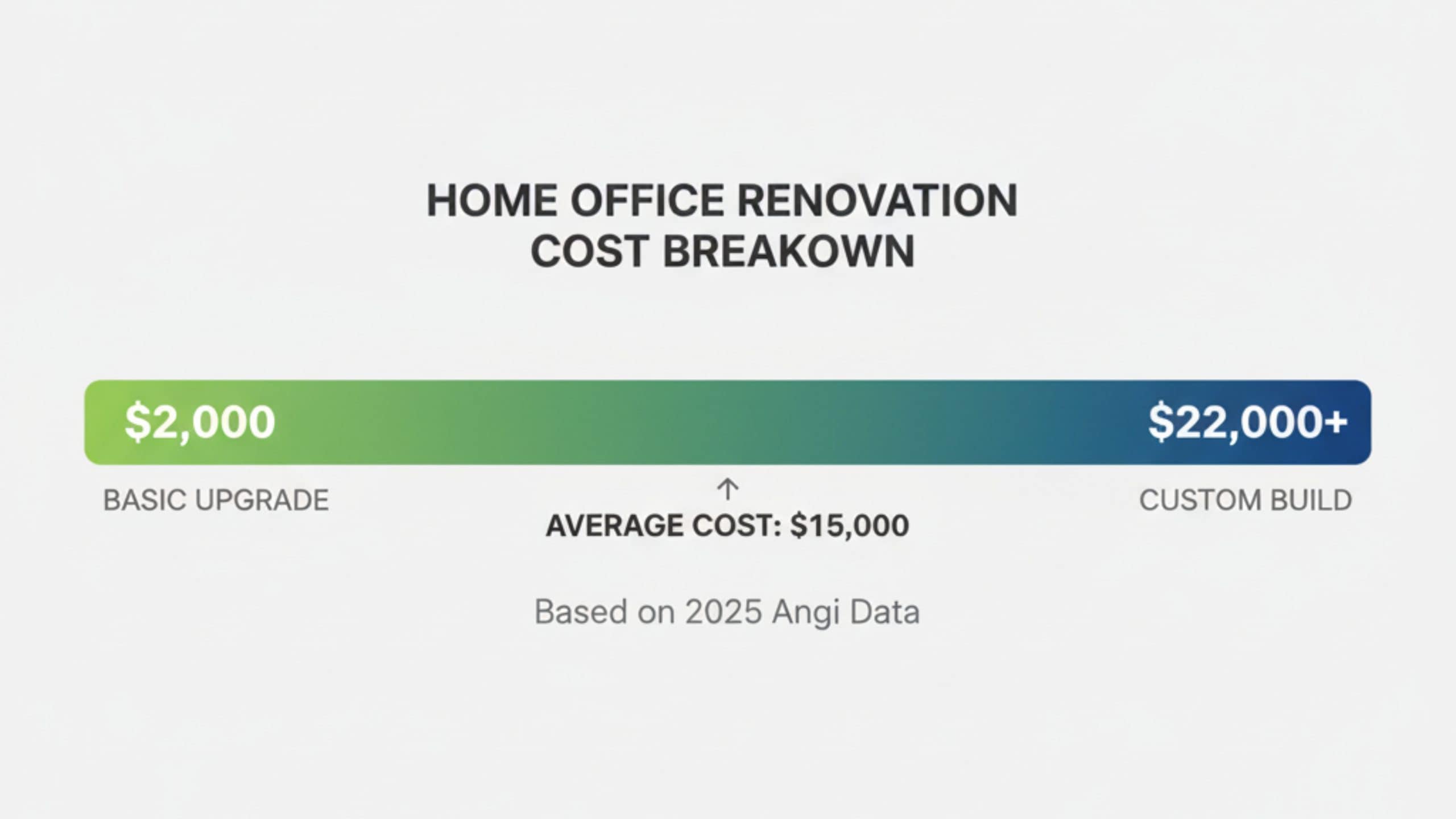
I'm thinking of turning my spare room into a home office. I've been working remotely for a while now, and it's time to create a dedicated space. But home office renovation cost is something I need to consider. I don't want to break the bank, but I also want a functional and comfortable workspace.
Understanding the Costs
When it comes to home office renovations, the costs can vary greatly. It all depends on the size of your project and the specific requirements. You might be surprised at how quickly the expenses add up, so it's essential to have a good understanding of what drives the price.
The main factors that influence home office renovation cost are the materials you choose, the complexity of the design, and the labor involved. For example, if you're converting an existing room, you may need to remove and replace walls, install new flooring, and add electrical outlets and lighting. These tasks can quickly increase the overall cost.
Getting Quotes and Comparing
To get a good idea of the home office renovation cost, it's wise to obtain multiple quotes from different contractors or companies. This allows you to compare not only the prices but also the services offered and the reputation of the businesses.
When comparing quotes, ensure they are detailed and itemized. This makes it easier to identify any significant differences and understand exactly what you're paying for. It's also a good idea to ask for references and check online reviews to get a sense of the contractor's quality of work and reliability.
Hiring a Contractor
Choosing the right contractor is crucial for a successful home office renovation. You'll want to find someone who understands your vision, offers a fair price, and has the skills and experience to deliver high-quality work.
Before hiring, ask about their experience with similar projects and request a portfolio of their past work. Check that they are licensed and insured, and don't be afraid to ask for proof. It's also beneficial to ask about their process, including how they manage timelines and communicate progress.
Construction Company Names
If you're considering starting your own construction business, choosing a name is an important step. The name should be memorable, unique, and reflect the services you offer.
Here are a few examples of construction company names that might inspire you:
- BuildPro
- Crafted Spaces
- Renova Construction
- HomeWorkz
- Constructive Solutions
- BuildTech
Remember to check the availability of your chosen name and secure the relevant domain and local registrations to protect your brand.
Industry Tools and Data
The construction industry uses various tools and resources to estimate costs and manage projects effectively. One such tool is RSMeans, a database that provides cost data for a wide range of construction-related activities.
RSMeans is used by estimators, contractors, and project managers to help determine the home office renovation cost and ensure accurate budgeting. It provides valuable information on labor and material costs, helping to keep projects on track financially.
Construction Jobs and Salaries
The construction industry offers a variety of roles, from skilled tradespeople to project managers and estimators. Salaries can vary depending on the role, experience, and location.
For those interested in a career in construction, it's worth researching the different positions and the skills required. Many jobs are advertised online, and you can also find opportunities through local trade associations or by contacting construction companies directly.
Large vs. Small Firms
When it comes to hiring a construction company, you'll often have the choice between a large, established firm and a smaller, local business. Both have their advantages and disadvantages.
Large firms often have more resources, a wider range of services, and may be able to offer better rates due to economies of scale. On the other hand, smaller firms can provide a more personalized service, with closer attention to detail and a more flexible approach.
Final Thoughts
Understanding the home office renovation cost is key to planning and budgeting for your project. By obtaining multiple quotes, comparing services, and hiring the right contractor, you can ensure a successful renovation. Remember, it's always worth taking the time to research and plan, as it will pay off in the long run.
Related: A Simple Guide to Belt Sizing Charts
You've likely landed here because you're seeking a straightforward solution: a belt sizing chart. This handy reference tool is a quick and reliable way to ensure you get the right belt size, every time. It's a simple visual guide, often presented as a table or diagram, that helps you match your waist measurement to the correct belt length. While the exact values may vary depending on the brand or standard, a good belt sizing chart should provide a clear and easy-to-follow guide, ensuring you can quickly find your ideal belt size. Whether you're looking for a belt size guide or want to convert your dress size, this chart is a valuable tool to have at your disposal.
Understanding the Belt Sizing Chart
The belt sizing chart is a practical tool that helps you find the perfect belt size for your waist. It provides a reference to ensure a comfortable and secure fit, whether you're buying a new belt or adjusting an existing one. This chart is an essential guide for anyone wanting to achieve a well-fitted, stylish look.
Key Details and Units
The belt sizing chart typically displays two key measurements: waist size and belt length. Waist size is measured in inches or centimeters, depending on the standard used. Belt length, on the other hand, is usually given in inches and represents the total length of the belt, including the buckle. It's important to note that these measurements may vary slightly between different standards and manufacturers, so it's always good to check the specific guidelines.
Step-by-Step Guide to Reading the Chart
Follow these steps to accurately use the belt sizing chart:
Measure your waist: Use a flexible tape measure to determine your waist size. Place the tape around your waist at the point where you normally wear your belt. Ensure the tape is snug but not tight, and note the measurement in the appropriate unit.
Find your waist size on the chart: Locate your waist size on the chart. The chart will typically have a range of waist sizes, so find the closest match to your measurement.
Determine the belt length: Once you've identified your waist size, the chart will provide the recommended belt length. This length ensures the belt will fit comfortably and allow for a secure buckle closure.
Adjust for personal preference: While the chart provides a guide, you can adjust the belt length slightly to suit your comfort and style. Some prefer a looser fit, while others may want a more tailored look.
Variations and Differences
Belt sizing charts can vary based on several factors:
Standards and regions: Different countries and organizations may have their own sizing standards, leading to slight variations in waist size and belt length recommendations.
Manufacturer preferences: Some brands might offer slightly different sizing guides to cater to their specific target audience or style preferences.
Material and design: The type of belt material and its design can also influence the recommended sizing. For example, leather belts may stretch over time, affecting the initial sizing.
Common Mistakes and How to Avoid Them
When using a belt sizing chart, avoid these common pitfalls:
Measuring incorrectly: Ensure you measure your waist accurately, following the guidelines mentioned earlier. An incorrect measurement can lead to an ill-fitting belt.
Ignoring personal preferences: While the chart provides a guide, consider your personal comfort and style. Don't be afraid to adjust the recommended belt length to suit your needs.
Relying solely on trouser size: Your trouser size may not directly correspond to your belt size. Always measure your waist specifically for the belt sizing chart.
Tips for a Perfect Fit
To achieve the best results when using a belt sizing chart, keep these tips in mind:
Consider your body type: Different body shapes may require slight adjustments. For example, if you have a larger waist-to-hip ratio, you might need a longer belt for a comfortable fit.
Try before you buy: If possible, try on the belt to ensure it fits well. This is especially important if you're purchasing online or from a brand with unique sizing.
Allow for growth: If you're buying a belt for a child or someone who is still growing, opt for a slightly larger size to accommodate future growth.
Double-Checking and Edge Cases
In some cases, you may need to double-check the specifications or consult additional resources:
Custom or unique designs: If you're dealing with a custom belt or a unique design, the standard belt sizing chart may not apply. Contact the manufacturer or designer for specific sizing guidelines.
Dress size conversion: When converting dress sizes to waist measurements, refer to a reliable dress size conversion chart to ensure accuracy.
Medical conditions: Certain medical conditions or post-surgical changes may affect your waist size. In such cases, consult a healthcare professional for guidance on measuring and fitting belts.
Remember, while this guide provides a solid foundation, exact details may differ slightly based on your specific needs and the standards you follow. It's always a good idea to double-check and ensure you have the right information for your particular situation.
Feel free to bookmark this page for future reference. It's a handy tool to have at your disposal, and you never know when you might need to size a belt accurately!
Related: Uncover the Secrets of a Chord Chart Piano
A common misconception about chord chart piano is that it's a complex and daunting tool, but in reality, it's a simple and incredibly useful resource for any pianist. This chart, often a pianist's best friend, is a straightforward guide, offering a visual representation of chords and their formations. While the format may vary, the essence remains the same: a quick reference for pianists to navigate and understand chord progressions and music notation with ease.
Understanding Chord Chart Piano: A Quick Overview
A chord chart piano is a valuable tool for musicians, offering a visual representation of chord structures and their corresponding finger positions on the piano. This chart acts as a quick reference guide, aiding pianists in playing various chords efficiently. It displays the piano keys and indicates where your fingers should be placed to form specific chords.
Comparing Common Chord Chart Formats
There are several formats for chord chart piano, each with its own advantages. The most common formats include:
Standard Notation: This traditional method uses symbols and notes to represent chords. It provides a comprehensive view of chord structure but can be complex for beginners.
Piano Chord Diagram: A simpler approach, often used for beginners, shows the piano keys and finger positions for each chord. It's an easy-to-read visual guide.
Chord Symbol Notation: A concise format using letters, numbers, and symbols to represent chords. While quick to read, it may require some familiarity to interpret accurately.
Step-by-Step Guide: Reading and Using a Chord Chart Piano
Follow these steps to effectively read and utilize a chord chart piano:
Identify the Chord: Start by locating the chord you want to play. Chord charts often list chords alphabetically or by their function in a song.
Find the Diagram: Look for the corresponding diagram or symbol representing the chord. This will show the finger positions and keys involved.
Place Your Fingers: Position your fingers according to the diagram. Ensure your fingers are correctly placed on the indicated keys.
Strum or Play: Once your fingers are in position, strum or play the chord. Adjust your fingers slightly if needed to achieve a clear, harmonious sound.
Practice and Memorize: Repeat this process for different chords. With practice, you'll memorize common chord shapes and positions, making playing smoother and faster.
Avoiding Common Misreadings and Pitfalls
To ensure accurate interpretation, watch out for these common misreadings:
Chord Chart Piano Variations: Different charts may use slightly different symbols or notations. Always refer to the legend or key provided with the chart to understand the specific symbols used.
Major and Minor Chords: Distinguish between major and minor chords, as their finger positions can be similar but result in different sounds. Pay attention to the chord symbol or diagram to ensure you're playing the correct type.
Finger Positioning: Ensure your fingers are correctly placed on the keys. Misplaced fingers can result in an incorrect chord or a dissonant sound.
Factors Affecting Accuracy and Real-World Use
Several factors can influence the accuracy and practicality of using a chord chart piano:
Instrument Type: While these charts are designed for pianos, they can also be adapted for other keyboard instruments. However, the finger positions may vary slightly due to differences in key sizes and layouts.
Chord Progressions: In real-world playing, you'll often encounter chord progressions, where chords change rapidly. Practicing and memorizing common progressions will help you transition smoothly between chords.
Advanced Chord Techniques: As you advance, you may encounter more complex chords and techniques. Some charts may not cover these, so you might need to refer to more specialized resources.
Choosing the Right Chord Chart Format for Your Needs
Select the most suitable chord chart piano format based on your skill level and goals:
Beginners: Opt for a piano chord diagram or a chart with simple, easy-to-understand symbols. These provide a clear visual guide without overwhelming complexity.
Intermediate Players: Consider a chart that offers a balance between simplicity and detail. Look for charts that include both chord symbols and diagrams, providing a quick reference for common chords.
Advanced Musicians: Choose a comprehensive chart with a wide range of chords and variations. These charts often include advanced techniques and less common chord structures.
Keeping Your Reference Reliable for Future Use
To ensure your chord chart piano remains a reliable reference:
Regular Practice: Consistent practice is key. The more you use the chart, the more familiar you'll become with chord shapes and positions, reducing the need for constant reference.
Update and Expand: As your skills progress, consider updating your chart or adding new sections for advanced chords and techniques. This keeps your reference relevant and useful.
Digital vs. Physical: Digital charts offer convenience, but physical charts can be more durable and easier to reference quickly during live performances. Consider having both for different scenarios.
Chord charts are a fantastic tool, and it's great to have a solid understanding of how to use them effectively. Remember, the exact details may differ slightly based on your specific needs and the resources you're working with, so adapt and customize as you see fit.
There's a wealth of knowledge to explore in the world of music, and we've got plenty of guides to help you along the way. Feel free to browse our other resources; you might find some hidden gems to enhance your musical journey!