



Receipt Template Online Free Overview
Many people tend to overlook the importance of a rodent poop chart, assuming it's a trivial matter. However, this chart is a valuable tool with a simple yet effective purpose.
It offers a straightforward way to identify and understand rodent droppings, which can be crucial for various reasons. While the values and formats may vary depending on your region or specific needs, the rodent poop chart provides a reliable guide to help you make informed decisions and take appropriate actions.
Understanding the Rodent Poop Chart: A Practical Guide
The rodent poop chart is a handy tool for identifying and distinguishing between different types of rodent droppings. It provides a visual reference guide, often in the form of a chart or table, to help you accurately identify the type of rodent you may be dealing with based on their waste. This chart is particularly useful for pest control, wildlife enthusiasts, and anyone curious about the rodents in their environment.
Key Details and Categories
The rodent poop chart typically includes visual representations of various rodent droppings, often displayed as images or drawings. These visual aids show the size, shape, and color of the droppings, which are crucial for accurate identification. The chart may also provide additional information such as the average length and width of the droppings, helping to further narrow down the specific rodent species. It's important to note that while the chart offers a comprehensive guide, there can be slight variations in droppings due to factors like diet and environment.
Reading the Chart: A Step-by-Step Guide
To use the rodent poop chart effectively, follow these steps:
Observe the droppings you want to identify. Take note of their overall size, shape, and color. Are they long and thin, or more rounded? What shade of brown or black are they?
Compare your observations to the chart. Look for droppings that match or closely resemble the ones you found. Pay attention to the provided measurements and visual cues.
Consider the context. The chart may provide additional information, such as common habitats or dietary preferences, to help narrow down the species. For instance, if you find droppings in a rural area with access to grains, it could indicate a different rodent than if you found them in an urban setting with more varied food sources.
Confirm your findings. Once you've identified a potential match, double-check the species' characteristics and behavior to ensure a correct identification.
Variations and Differences: Why It Matters
While the rodent poop chart is a valuable resource, it's important to understand that droppings can vary due to various factors. Diet plays a significant role; a rodent's diet can affect the size and color of their droppings. Additionally, environmental conditions can impact droppings, as rodents in different habitats may have access to varying food sources. It's also worth noting that while the chart provides standard measurements, there can be slight variations between individuals of the same species. Therefore, it's essential to consider these factors when using the chart and to consult additional resources for a more accurate identification if needed.
Hey there, fellow rodent enthusiasts! We hope this guide has given you a clear understanding of the rodent poop chart and its practical uses. Remember, while the basics remain the same, exact details can differ slightly, so always refer to the most relevant and up-to-date sources for your specific needs.
If you're keen to explore more, why not check out our other guides on related topics? We've got a whole range of fun and informative content to keep you entertained and educated. Happy reading!
Related: ENR Construction Cost Index 2026 Essential Guide
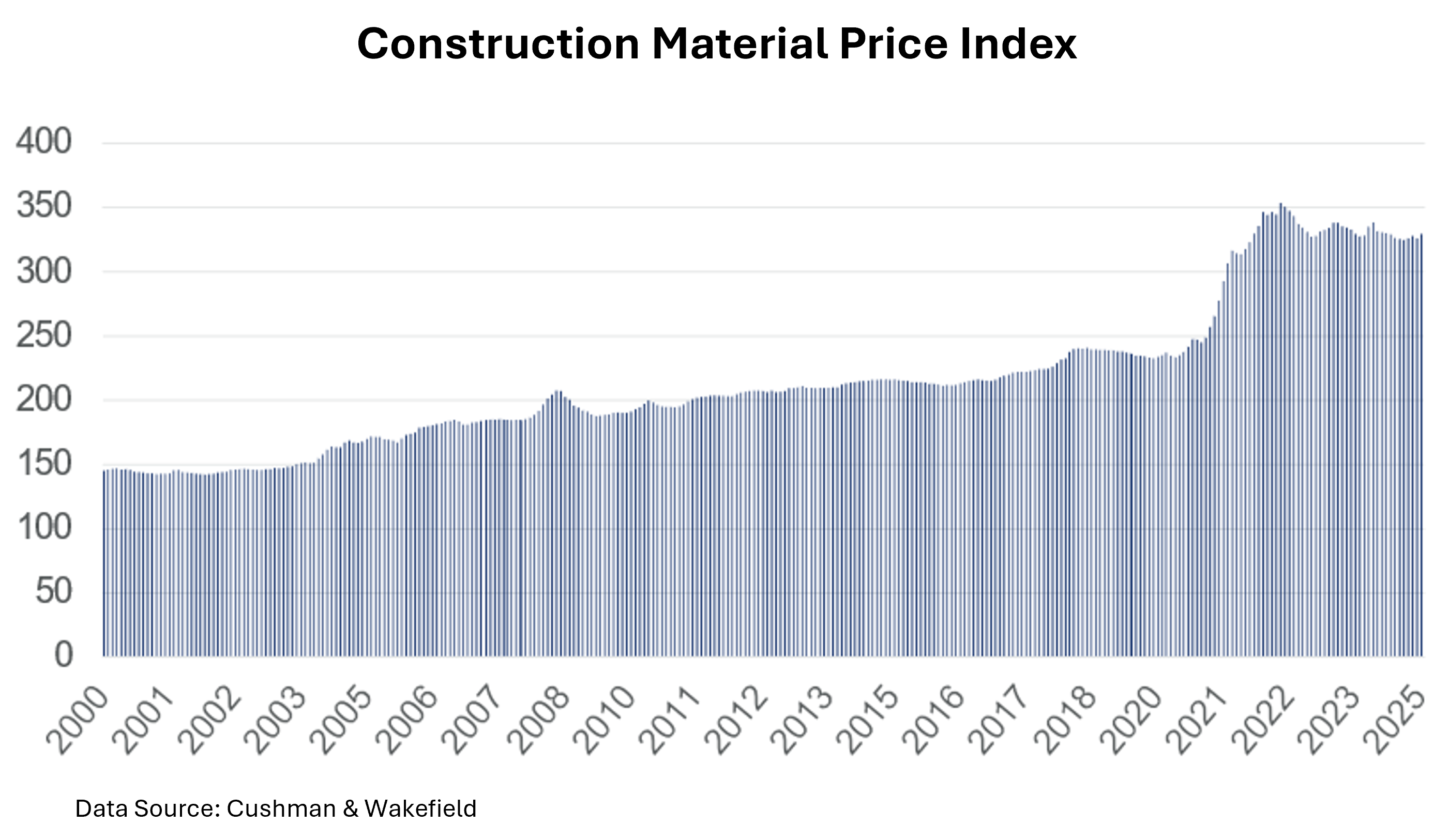
So, I was browsing the web the other day, curious about the ENR Construction Cost Index 2026, and I realized it's not as straightforward as it seems. I mean, it's an important indicator, but what does it really tell us? Let's break it down and see how it affects us regular folks.
Understanding the ENR Construction Cost Index
The ENR Construction Cost Index is a tool that keeps an eye on construction costs over time. It's like a thermometer for the industry, giving us a sense of how prices are moving. This index is super helpful for folks in construction, whether they're building companies, contractors, or even homeowners planning a remodel.
It covers a bunch of stuff, from materials to labor, and it's updated regularly. So, if you're thinking of starting a project, it's a good idea to check the index to get a feel for the market. It might just save you some headaches down the line!
How Does It Work, and Why Should I Care?
The index is all about tracking the costs of construction, which is crucial for anyone in the industry. It helps builders and contractors plan their projects and stay on budget. For homeowners, it's a way to understand the bigger picture of construction costs and how they might affect your renovation or new build.
Say you're planning a kitchen remodel. Checking the ENR Construction Cost Index can give you a sense of whether now is a good time to start, or if costs are likely to drop in the near future. It's a bit like timing the stock market, but for construction!
Practical Tips for Using the Index
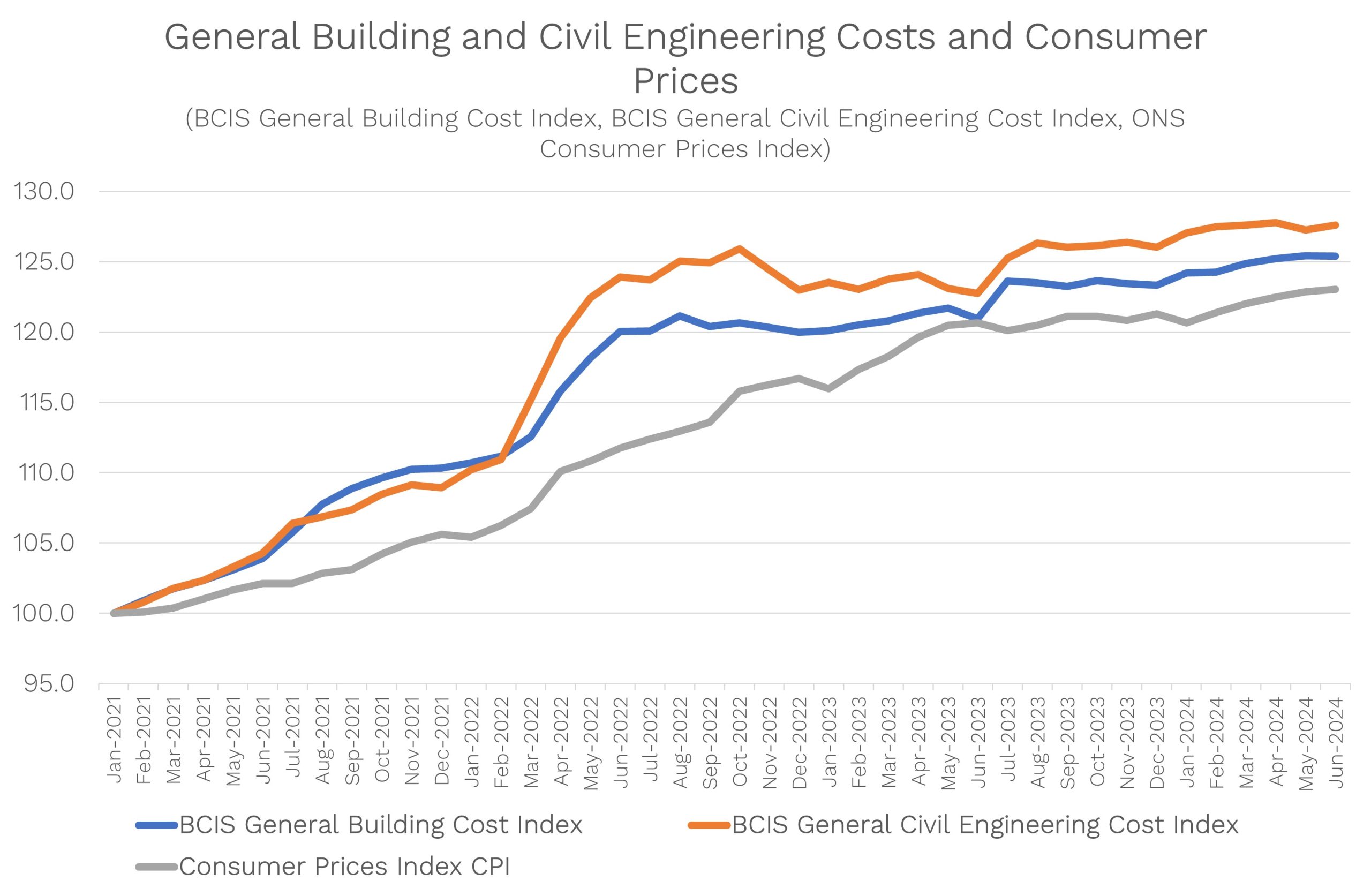
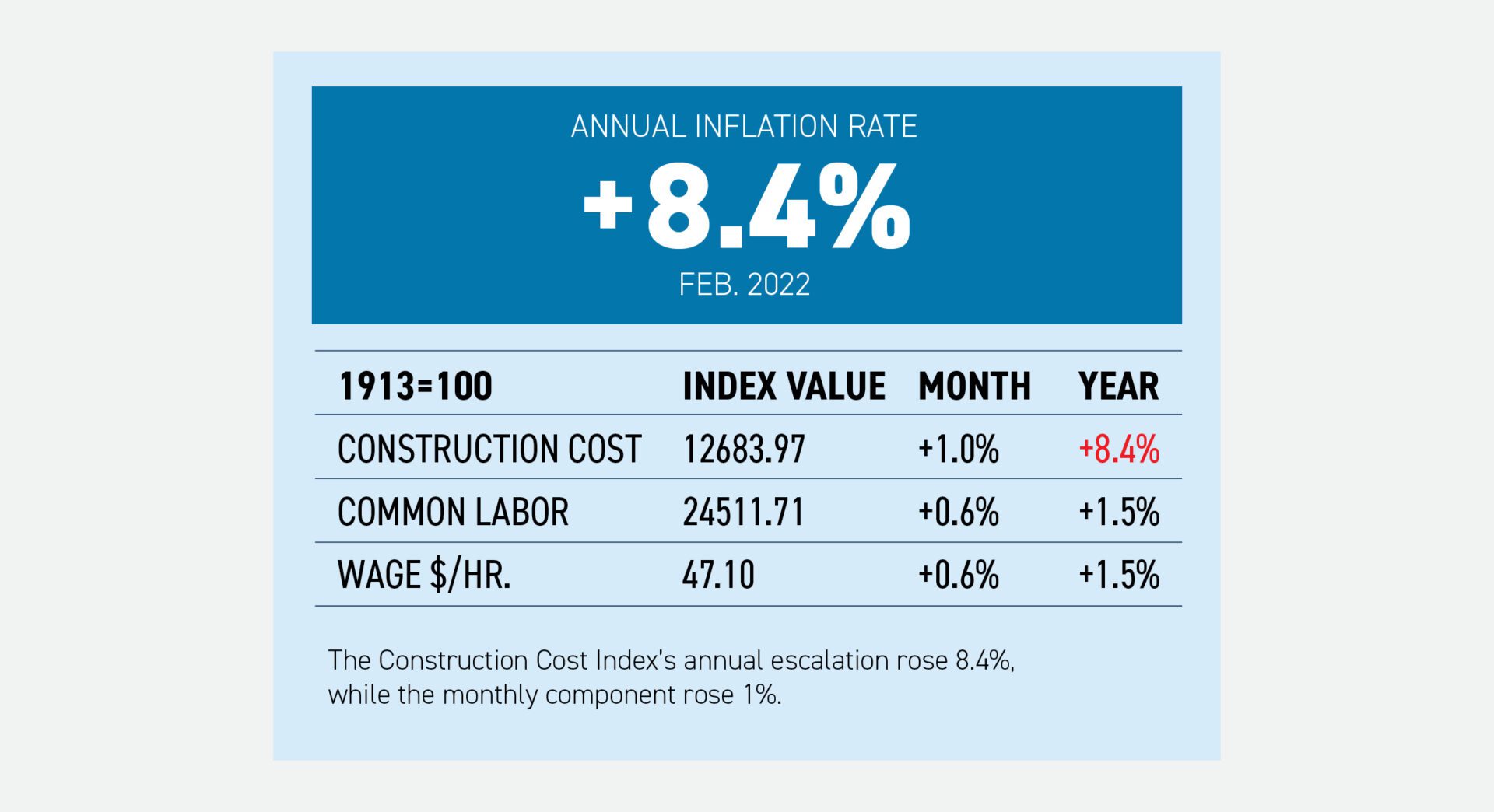
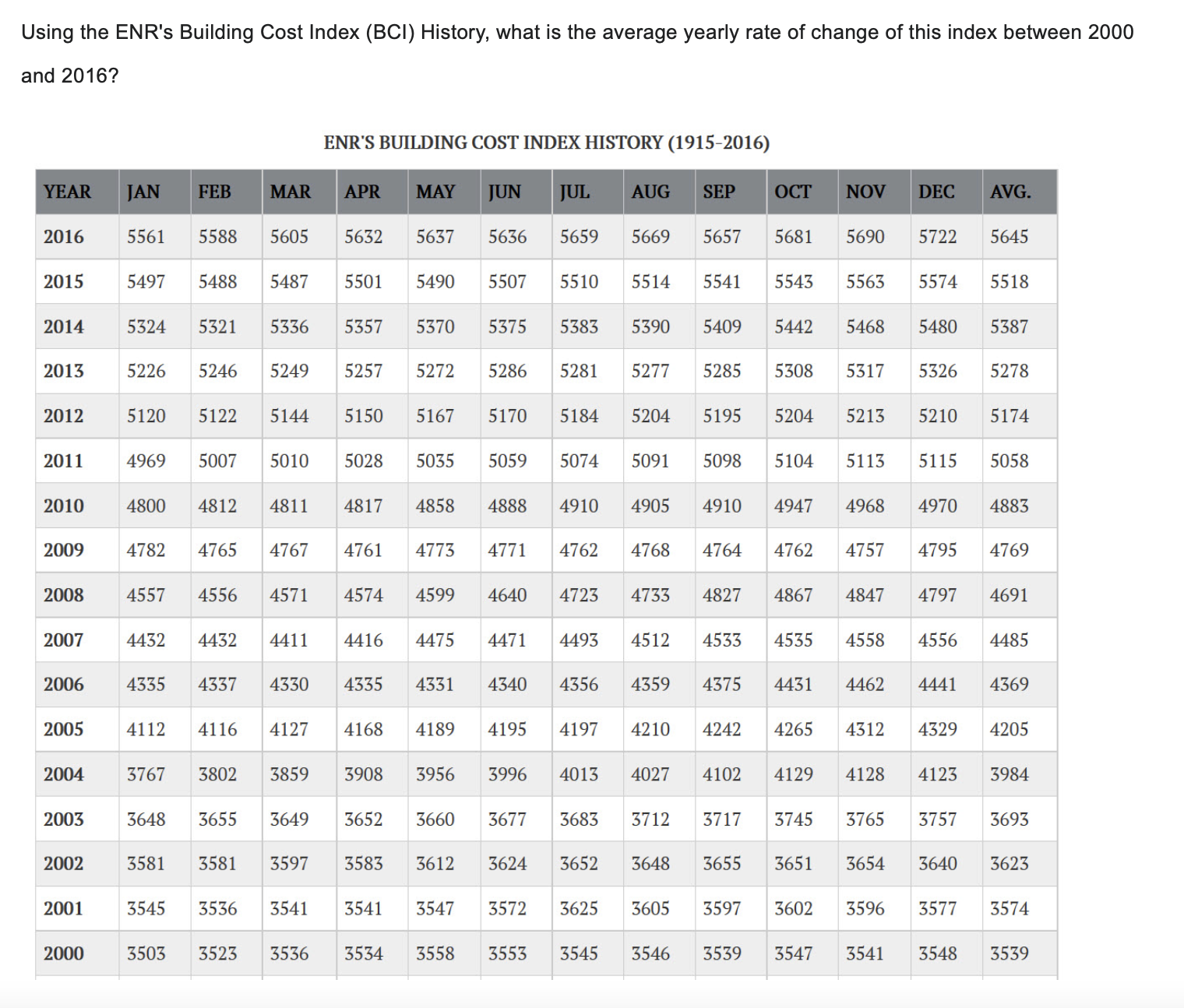
So, how do you use this index in your daily life? Well, it's simple. Just head over to the ENR website (or your favorite construction data source) and take a look. You'll see the index value and maybe some charts or graphs to give you a visual idea of the trends.
If you're a builder or contractor, you can use this info to bid on projects and set your prices. For homeowners, it's a way to get a sense of the market and compare quotes from different companies. Remember, construction costs can vary a lot, so getting a few quotes is always a good idea.
Naming Your Construction Business
If you're starting a construction company, one of the first things you'll need to do is come up with a name. It's not just about being creative; the name should reflect your business and its values. Keep it simple and memorable, and make sure it's unique.
Here are a few ideas to get you started:
- Build-It-Right Construction
- Solid Foundations
- Skyward Builders
- HomeCrafters
- Earthworks
- Constructive Solutions
Don't forget to check name availability and secure your domain and local registration before you get too attached to a name!
Construction Jobs and the Industry
The construction industry offers a wide range of jobs, from general contractors to estimators and project managers. These roles involve everything from planning and managing projects to actually building and remodeling.
If you're looking for construction jobs, check out local job boards and industry-specific websites. You might also want to reach out to construction companies directly or consider joining a union. It's a great industry to be in, with lots of opportunities for growth and development.
Wrapping Up
So, there you have it! The ENR Construction Cost Index 2026 is a handy tool for anyone in the construction game. It's a simple way to stay informed and make smarter decisions, whether you're a builder, contractor, or just a homeowner with a project in mind.
Why not take a look at the index today and see what it can tell you about the construction world? It might just give you a new perspective on your next project.
Related: How to Read the FDNY Salary Chart?
You're here, searching for that fdny salary chart, probably to get a quick glimpse of the numbers and understand what you're dealing with. It's a handy reference, and these charts can vary, so it's great to have an overview. The FDNY salary structure is designed to reward experience, and you'll see that reflected in the different roles and their pay grades. From firefighters to EMS, captains, and lieutenants, each position has its own pay scale, and the fdny salary chart gives you a snapshot of these.
Understanding the FDNY Salary Chart
The FDNY salary chart is a valuable tool that provides insight into the compensation structure for firefighters and emergency medical services (EMS) personnel within the Fire Department of New York City (FDNY). It offers a clear overview of the salary ranges, rank-based pay, and benefits associated with different positions.
Key Details and Categories
When examining the FDNY salary chart, you'll notice it's organized by rank and position. The chart typically includes roles such as firefighters, lieutenants, captains, and EMS personnel. Each position is further categorized by years of service or experience, with corresponding salary ranges. Additionally, the chart may provide information on overtime pay and pension calculations, which are essential components of FDNY compensation.
Reading and Applying the Chart
To utilize the FDNY salary chart effectively, follow these steps:
- Identify your position and rank within the FDNY. This is crucial as it determines your specific salary range.
- Locate your rank on the chart and find the corresponding salary column. Ensure you're considering the correct pay grade based on your years of service.
- Review the salary range provided for your position and rank. This range typically represents the minimum and maximum earnings for that role.
- Understand that overtime pay is often calculated separately and may not be included in the base salary range.
- If you're planning for retirement, use the pension calculator section of the chart to estimate your pension benefits.
- Remember, the chart provides a general overview, so individual circumstances and factors may impact your exact compensation.
Variations and Differences
Salary variations within the FDNY can occur due to several factors:
- Years of Service: As you gain experience and progress in your career, your salary range typically increases.
- Rank and Position: Different ranks and positions within the FDNY have distinct salary structures.
- Overtime Pay: FDNY personnel may earn additional income through overtime work, which can significantly impact their overall compensation.
- Pension Benefits: Retirement benefits vary based on individual contributions and years of service.
- Special Assignments: Certain roles or assignments within the FDNY may come with unique compensation packages.
Common Mistakes and How to Avoid Them
When interpreting the FDNY salary chart, avoid these common pitfalls:
- Assuming the chart covers all aspects of compensation: Remember, it provides a general overview. Double-check with official FDNY resources for detailed information on specific benefits and allowances.
- Ignoring rank-based pay differences: Each rank has its own salary range, so ensure you're considering the correct pay grade.
- Overlooking overtime pay: Overtime work can significantly boost your earnings, so factor it into your financial planning.
- Forgetting about pension calculations: Retirement planning is crucial. Use the pension calculator to estimate your future benefits accurately.
- Not considering individual factors: Your exact compensation may vary based on personal circumstances and performance. Consult with FDNY resources for a precise understanding of your earnings.
Well, there you have it! A handy guide to understanding the FDNY salary chart. It's always good to have a clear picture of the numbers, and now you know where to start.
Remember, these figures are a great reference, but it's important to check the specifics for your situation. Exact values may differ slightly, so always double-check the official sources for your context. It's a quick and easy process, and now you have the tools to do it confidently.