

Red Wine Chart Black And White Overview
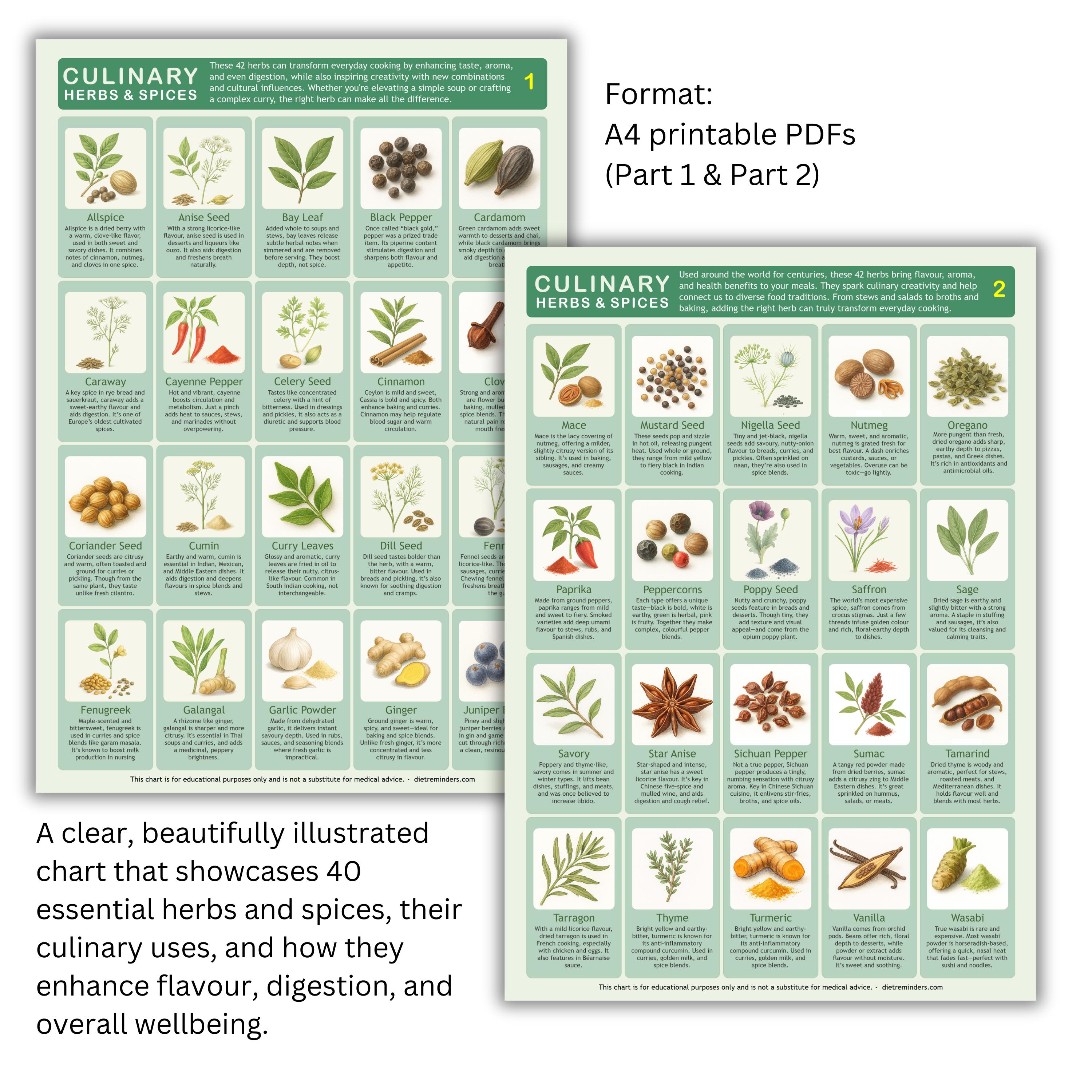
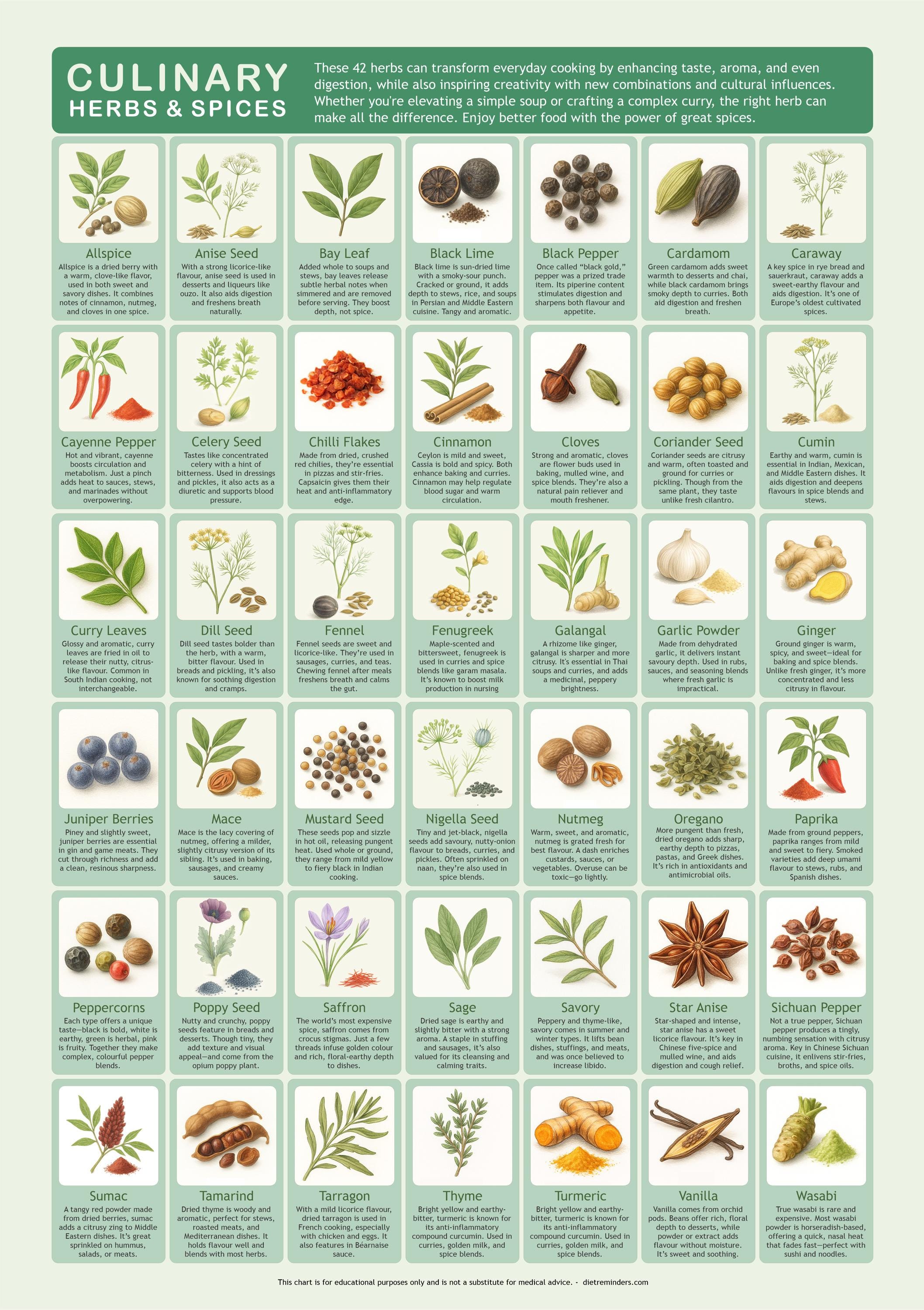
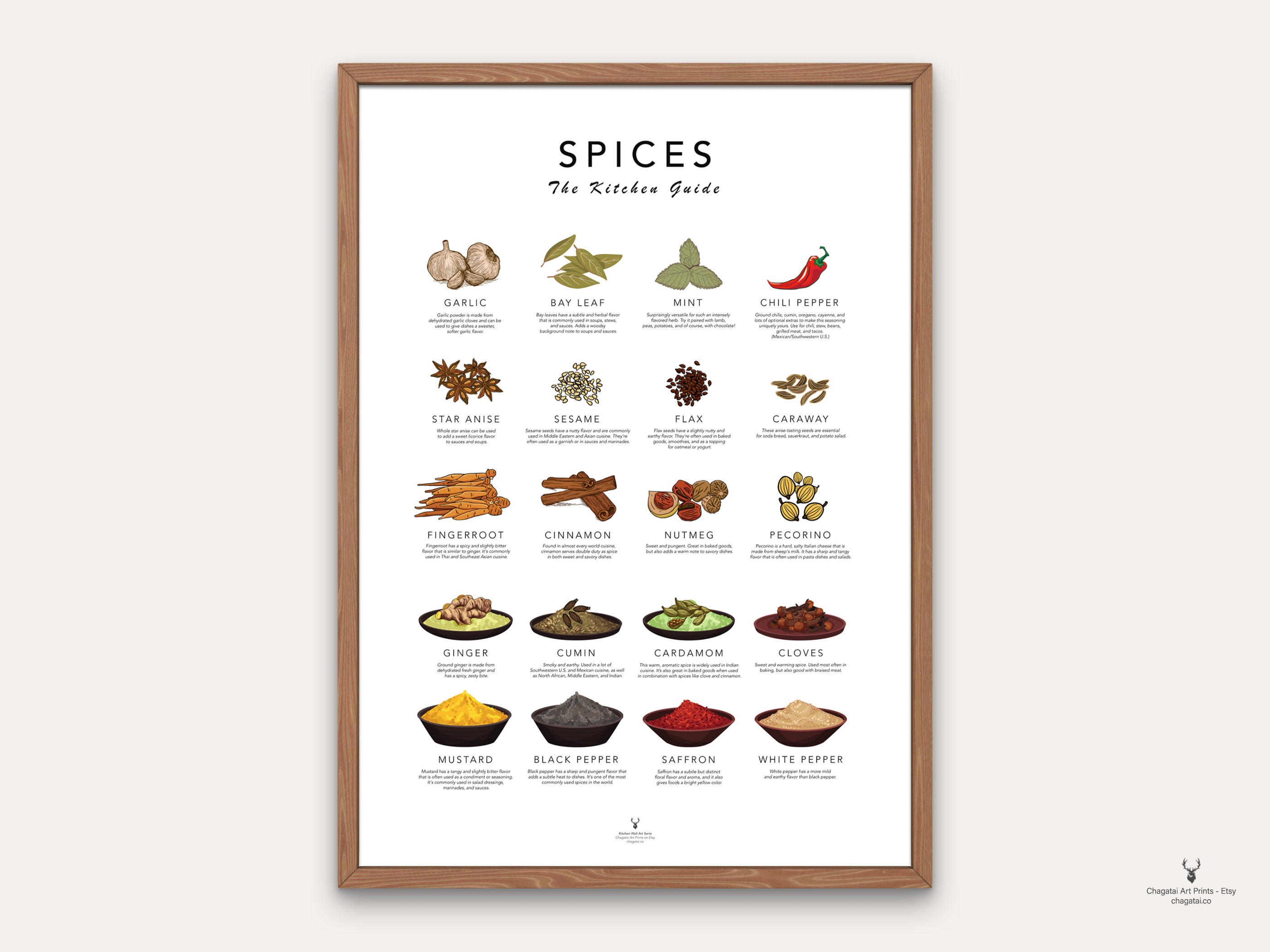
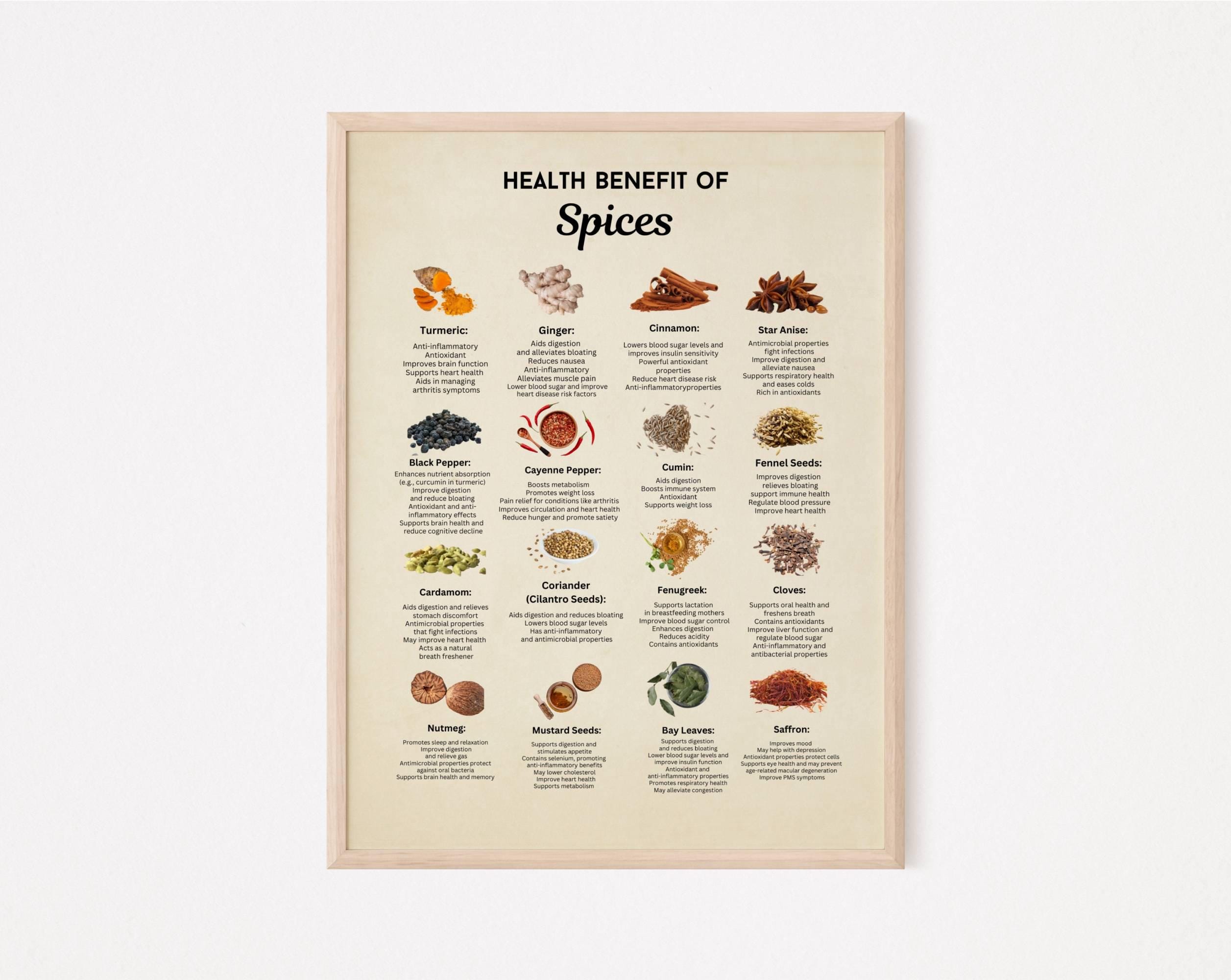
You're here because you need a quick fix, a reliable source to refer to when it comes to spices and their measurements. Well, look no further than the Spice T Chart! It's a handy tool that simplifies the often confusing world of spice quantities. This chart is your go-to guide, offering a visual representation of spice measurements, ensuring your dishes are perfectly seasoned every time. Whether you're a cooking novice or a pro, having this reference can make all the difference.
What is a Spice T Chart?
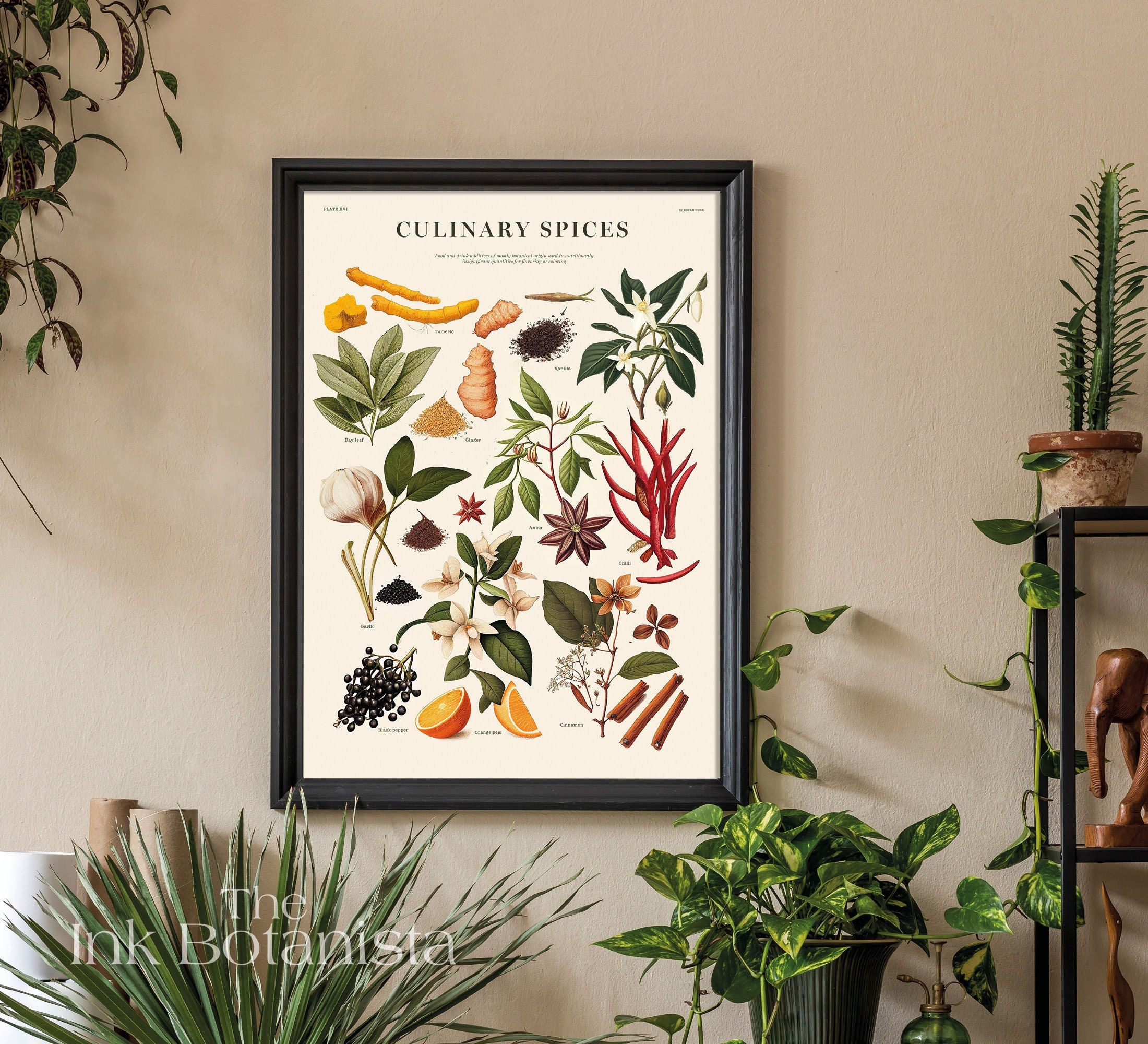
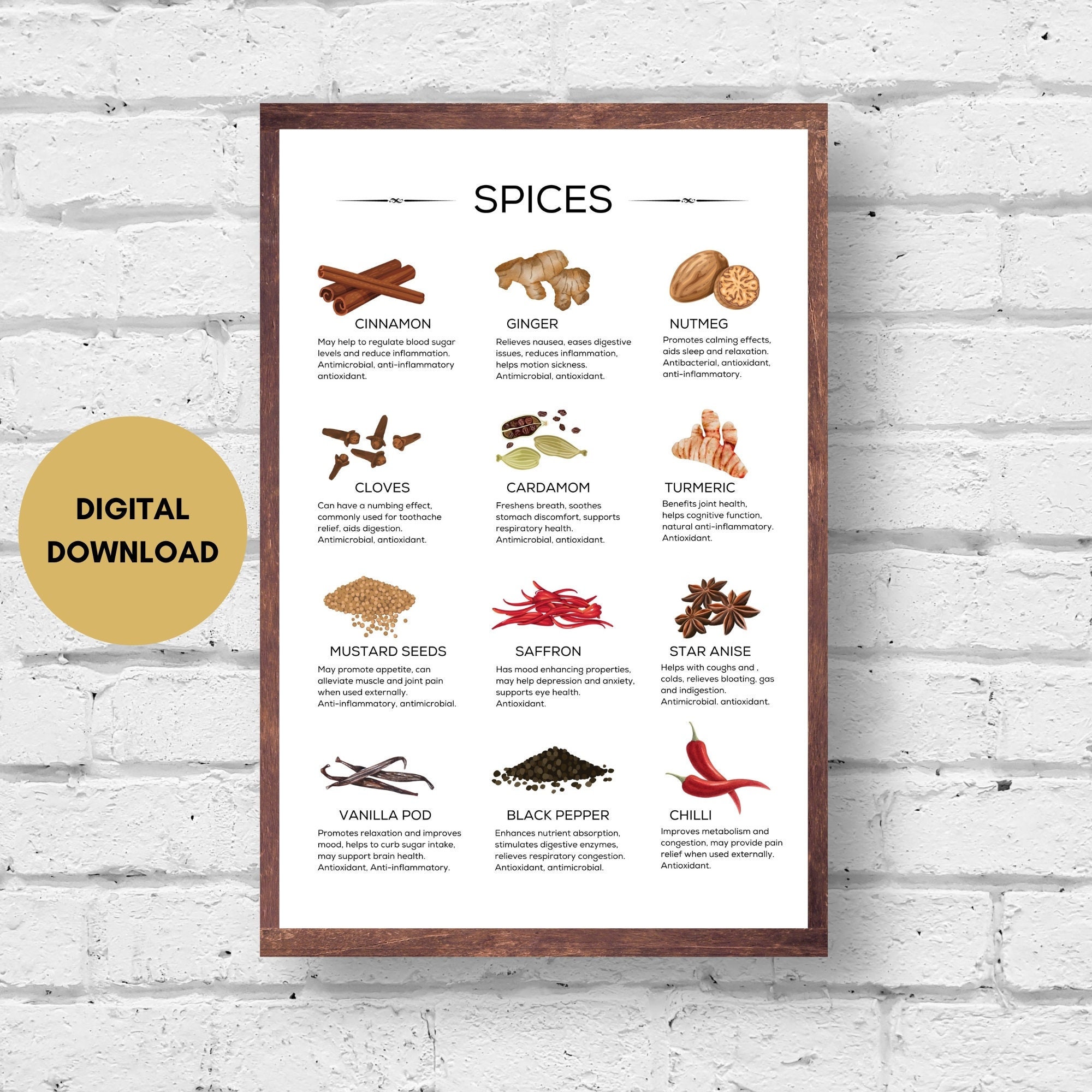
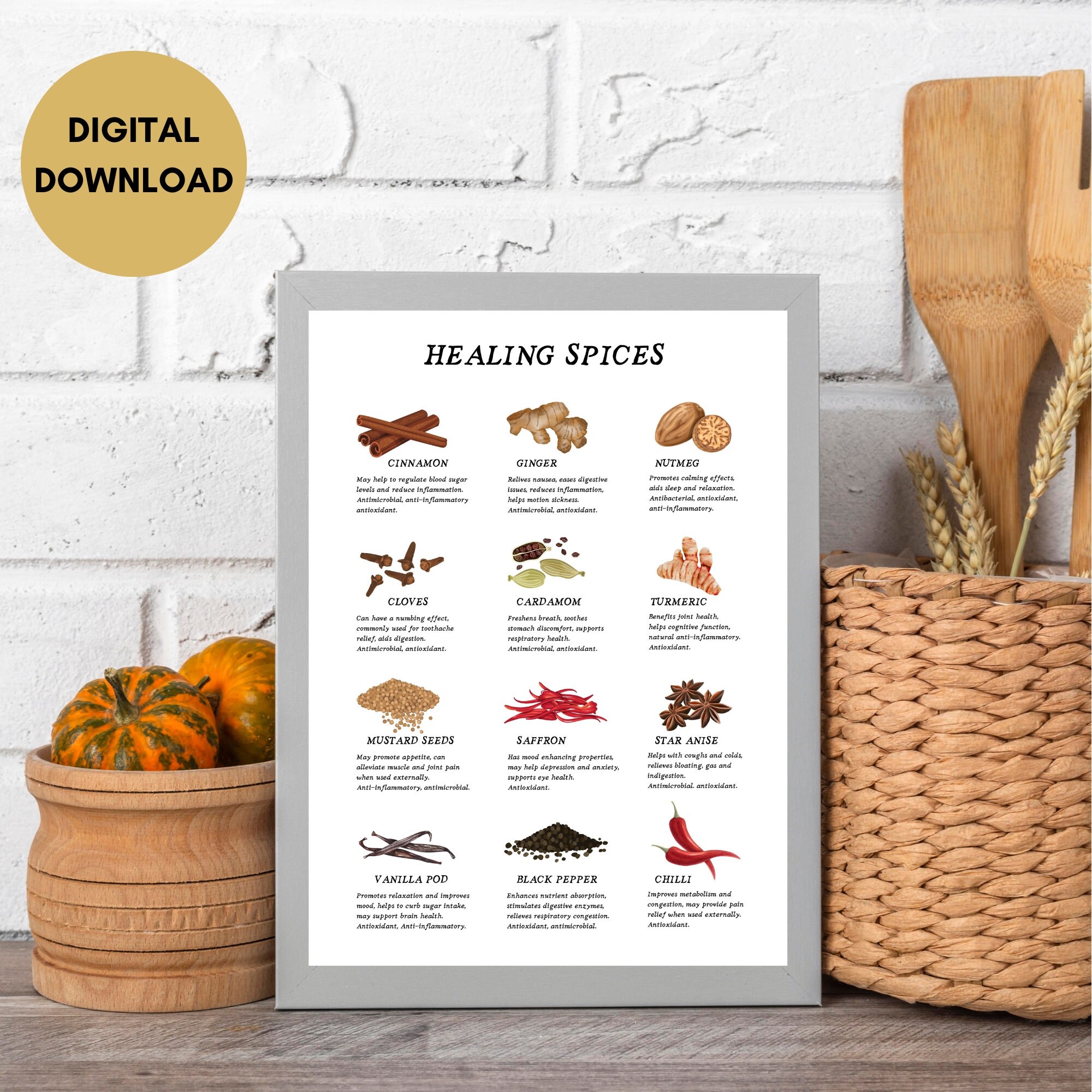
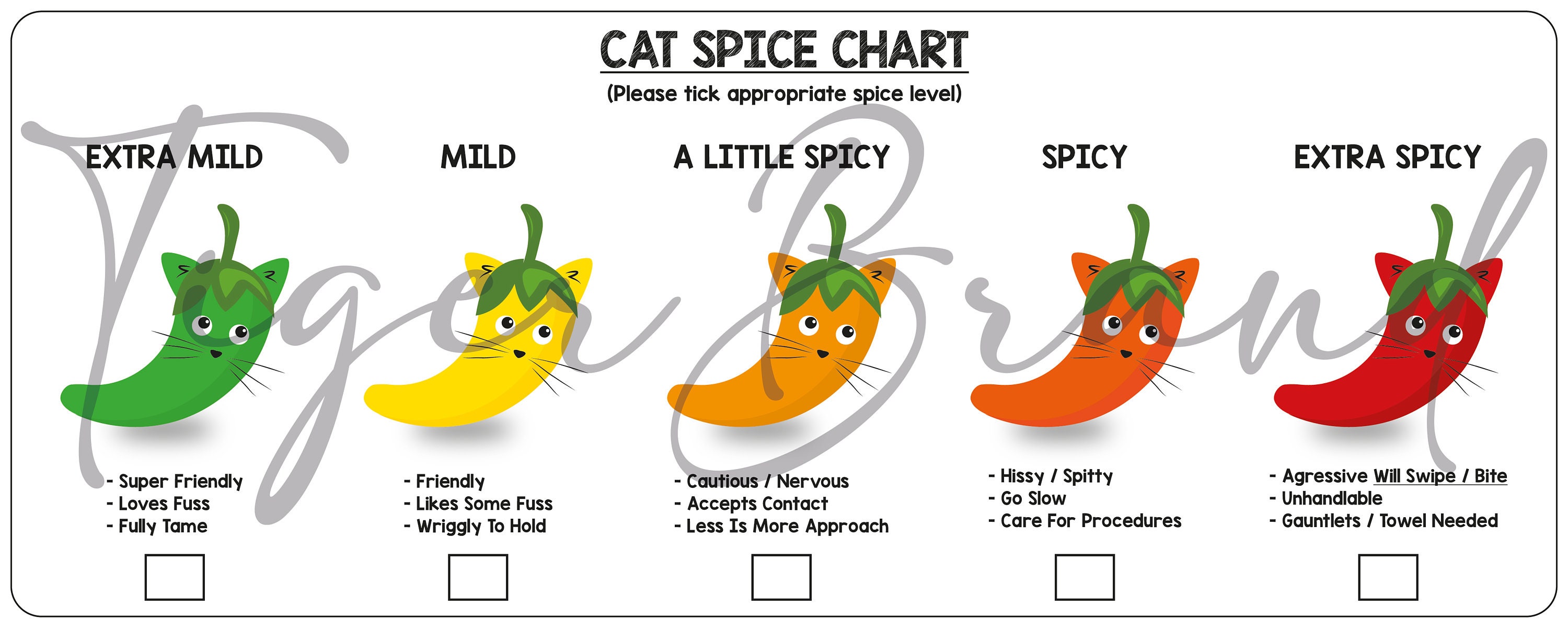
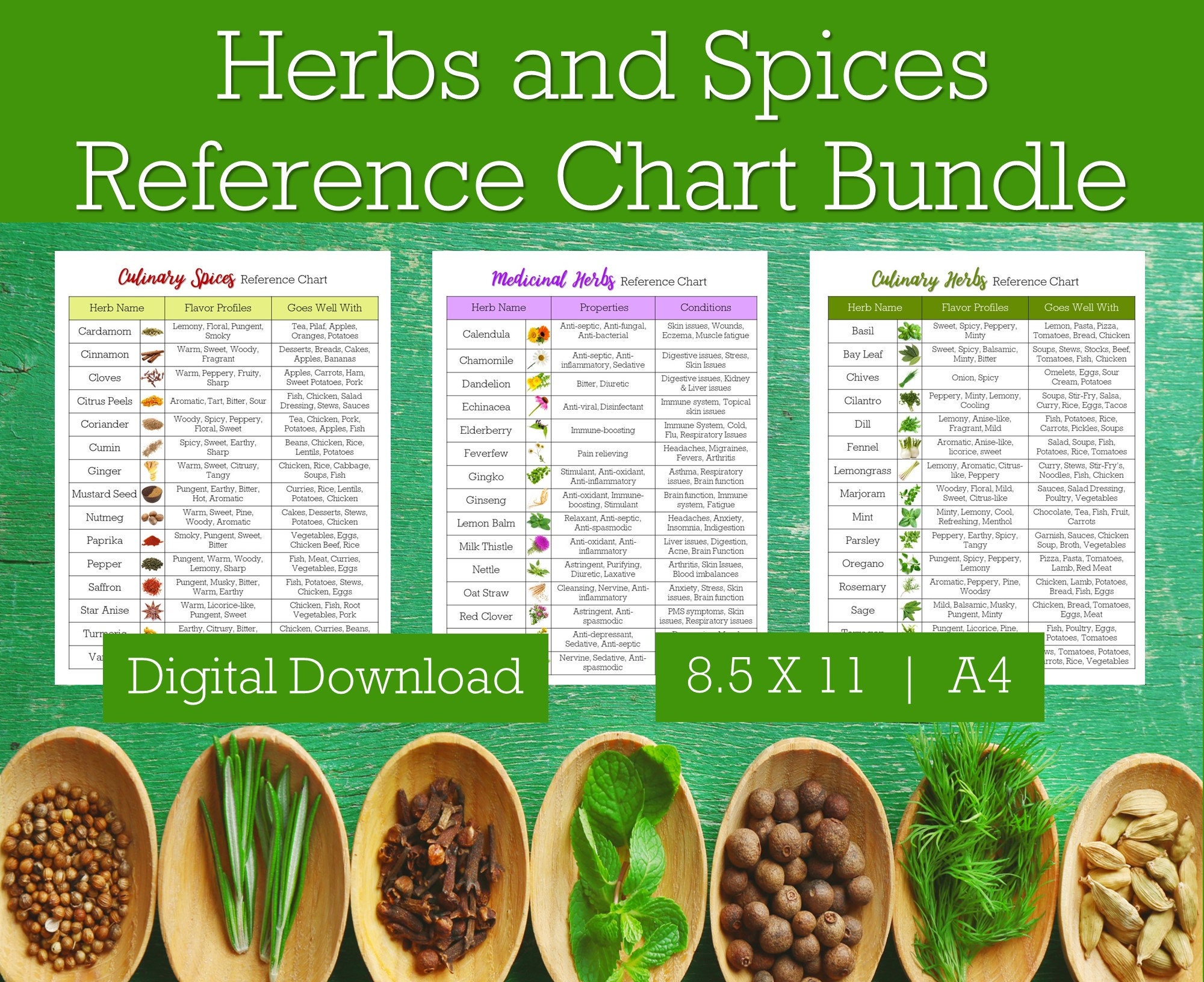
A spice chart is a handy reference tool for anyone who loves to cook or wants to explore the world of spices. The Spice T Chart is a visual guide that helps you understand the heat intensity and flavor profiles of various spices. It's like having a spice expert right in your kitchen!
Key Details and Categories
The Spice T Chart typically features a range of common spices, organized by their heat level and flavor characteristics. You'll find spices like chili peppers, paprika, cumin, and many more. Each spice is assigned a heat rating, often on a scale of 1 to 10 or using a simple heat indicator like mild, medium, or hot. Additionally, the chart provides a brief description of the spice's flavor, including its aroma and any unique qualities.
How to Read and Use the Spice T Chart
Using the Spice T Chart is a breeze! Here's a simple step-by-step guide:
Identify the Spice: Look for the spice you want to use or explore on the chart. It's usually listed by name or with a small illustration.
Check the Heat Rating: Locate the spice's position on the heat scale. This will give you an idea of how spicy it is. A higher number or a 'hot' indicator means a more intense heat level.
Explore Flavor Notes: Read the description provided for each spice. This will help you understand its unique flavor profile, including any dominant aromas or tastes.
Choose and Experiment: Now you can confidently select spices for your dish! Consider the heat level and flavor notes to create a balanced and delicious meal.
Variations and Differences
It's important to note that spice charts can vary depending on the source and intended audience. Different regions and cuisines may have their own spice preferences and intensity scales. For example, a chart designed for Indian cuisine might emphasize certain spices and heat levels that are less common in other cuisines. Always check the source and intended use of the Spice T Chart to ensure it aligns with your culinary goals.
Common Mistakes and How to Avoid Them
One common mistake is assuming that all chili peppers or spice blends will have the same heat level. In reality, even within a single type of chili pepper, there can be significant variations in heat intensity. Always refer to the specific heat rating on the Spice T Chart and consider trying a small amount first to gauge the spice's true heat. Additionally, be mindful of the freshness of your spices. Old spices may have lost some of their potency, so adjust the quantity accordingly.
Practical Tips for Accurate Results
To get the most out of your Spice T Chart, consider the following tips:
- Start with a small amount of spice and gradually increase to find the perfect balance.
- Fresh spices can have more intense flavors, so adjust your quantities if using fresh ingredients.
- Experiment with different spice blends to create unique flavor profiles.
- Keep your Spice T Chart handy in the kitchen for quick reference.
- If you're trying a new spice, research its traditional uses and cultural significance to understand its role in various dishes.
Remember, the Spice T Chart is a guide, and cooking with spices is an art. Have fun exploring the world of spices and creating delicious, flavorful dishes!
Well, there you have it! The spice t chart is a handy tool, and with these tips, you should feel confident using it. Remember, always check the specific guidelines or standards relevant to your project, as exact values may differ slightly.
This chart is a great reference, so be sure to keep it close by and bookmark this page for future use. Happy spicing!
Related: A Simple Guide to Blanket Size Chart
A blanket size chart is a handy tool to have when you're shopping for the perfect blanket, whether it's for your bed or a cozy throw. This guide will show you how to navigate and understand these charts, ensuring you get the right size every time.
Blanket size charts can vary, offering different measurements and sizes, so it's helpful to know the standard sizes like twin, full, and queen, and even the metric conversions. With this knowledge, you'll be able to choose the ideal blanket size with confidence.
A Quick Overview of Blanket Size Charts
Blanket size charts are a handy reference tool to help you choose the right blanket size for your needs. These charts provide standard dimensions for various blanket sizes, making it easier to find the perfect fit for your bed or specific use. Whether you're shopping for a new blanket or just want to understand the sizes better, this guide will walk you through the basics.
Comparing Blanket Size Standards and Formats
Blanket size charts can vary depending on the standard or region. In the US, you'll often find measurements in inches, with common sizes like twin, full, queen, and king. Internationally, metric measurements are used, and you might see sizes like single, double, queen, and super king. It's important to know which standard you're dealing with to ensure accurate sizing.
Step-by-Step Guide to Reading a Blanket Size Chart
Here's a simple process to read and understand a blanket size chart:
Identify the Standard: First, check if the chart uses US or metric measurements. This will impact the dimensions and size labels.
Locate the Size Category: Look for the size you're interested in, such as twin, full, or queen. These categories are typically listed clearly on the chart.
Read the Dimensions: Under each size category, you'll find the width and length measurements. These are the standard dimensions for that particular size.
Consider Variations: Keep in mind that while charts provide standard sizes, there can be slight variations between manufacturers. Always check the exact specifications if precision is crucial.
Common Misreadings and How to Avoid Them
It's easy to misinterpret a blanket size chart if you're not familiar with the format. Here are some common mistakes and how to avoid them:
Mixing Up Standards: Always double-check if the chart uses US or metric measurements. Using the wrong standard can lead to significant sizing errors.
Assuming Exact Fit: Blanket size charts provide standard dimensions, but actual products might have slight variations. Always check the product specifications for precise measurements.
Ignoring Size Labels: Pay attention to the size labels on the chart. Each label corresponds to a specific size category, so ensure you're looking at the right one.
Factors Affecting Size Variations
Several factors can cause variations in blanket sizes:
Manufacturer Differences: Each manufacturer might have slight variations in their sizing, so always check the product details.
International Standards: Blanket sizes can vary between countries due to different standards and measurements.
Product Type: Different types of blankets, such as crib blankets or throw blankets, might have unique sizing. Always check the specific product category.
Choosing the Right Size for Your Needs
When selecting a blanket size, consider your specific requirements:
Bed Size: Ensure the blanket fits your bed size comfortably. A queen-size blanket won't fit a king-size bed, for example.
Personal Preference: Some people prefer oversized blankets for extra coverage. If you like a snug fit, choose a size that matches your bed dimensions.
Blanket Type: Consider the purpose of the blanket. A crib blanket will have different dimensions compared to a standard bed blanket.
Keeping Your Reference Reliable for Future Use
To ensure you can rely on your blanket size chart for future purchases:
Save the Chart: Keep a digital or printed copy of the chart for easy reference.
Check for Updates: Blanket size standards might evolve over time. Periodically review the chart to ensure it's up-to-date.
Note Product Variations: If you find a blanket with slightly different dimensions, make a note of it for future reference. This can help you make more informed choices.
Well, that's a wrap on our blanket size chart adventure! We've covered a lot of ground, from understanding the different options to learning how to use and adapt them to your needs. Remember, the exact details might vary slightly, so always double-check the source or standard you're using.
Feel free to explore more of our practical guides and resources. We've got a whole collection of tips and tricks to make your life easier, so don't be a stranger!
Related: Find Your Perfect Fit: The Levi Size Chart Guide
You're here because you need a quick solution, right? Well, if you're looking for a bold and reliable way to find your perfect Levi's fit, the Levi size chart is your go-to tool. It's a simple yet effective guide, offering a visual representation of sizes and measurements, making it easy to navigate. With just a glance, you can ensure you're getting the right size, whether it's for yourself or a gift. This chart is a handy reference, especially when you're in a rush and need a quick sizing solution.
Understanding the Levi Size Chart
The levi size chart is your go-to guide for finding the perfect fit in Levi's jeans and clothing. It's a simple tool to ensure you get the right size, whether you're shopping online or in-store. This chart provides measurements and size categories to help you choose the best fit for your body.
Standard Sizing Options
Levi's size chart follows a standard sizing system, typically based on waist size and inseam length. This means you'll find consistent sizing across their products, making it easier to find your fit. The chart usually includes categories like waist size (in inches or centimeters), inseam length, and sometimes additional measurements like hip and thigh circumference.
How to Use the Levi Size Chart: A Step-by-Step Guide
- Identify your waist size. This is the most critical measurement for jeans. Measure your waist at the point where you usually wear your pants, keeping the tape measure snug but not tight.
- Determine your inseam length. This is the distance from your crotch to the hem of your pants. You can measure this while wearing well-fitting pants or by standing against a wall and measuring the distance from your crotch to the floor.
- Refer to the levi size chart. Find your waist size and inseam length on the chart. The chart will provide you with the corresponding size, typically in numerical or alphabetical categories.
- Consider other measurements. If the chart offers additional measurements like hip or thigh circumference, you can use these to ensure an even better fit.
Common Misreadings and How to Avoid Them
One common mistake is assuming all brands use the same sizing standards. While Levi's size chart is consistent within their brand, sizes may vary across different brands and styles. Always double-check the specific size guide for the item you're interested in. Additionally, be mindful of the units used. Some charts may use inches, while others use centimeters. Ensure you're comparing like with like.
Factors Affecting Size Variations
Several factors can influence the accuracy of your size determination. First, body shape varies, and the chart provides a general guide. Second, the fit you prefer (e.g., slim, regular, or relaxed) can affect the size you choose. Lastly, the fabric and stretchiness of the material can impact the fit, so consider the fabric type when using the chart. Remember, the levi size chart is a helpful tool, but it's always a good idea to try on clothing to ensure the perfect fit.
Hey there! We hope you found this guide on the Levi size chart helpful and that it's made your sizing quest a little easier. Remember, when it comes to size charts, exact details can differ slightly, so always double-check the source and standard you're using.
We've got a bunch of other guides on various topics, so feel free to explore and discover more practical tips and tricks. Happy reading, and we hope to see you around!