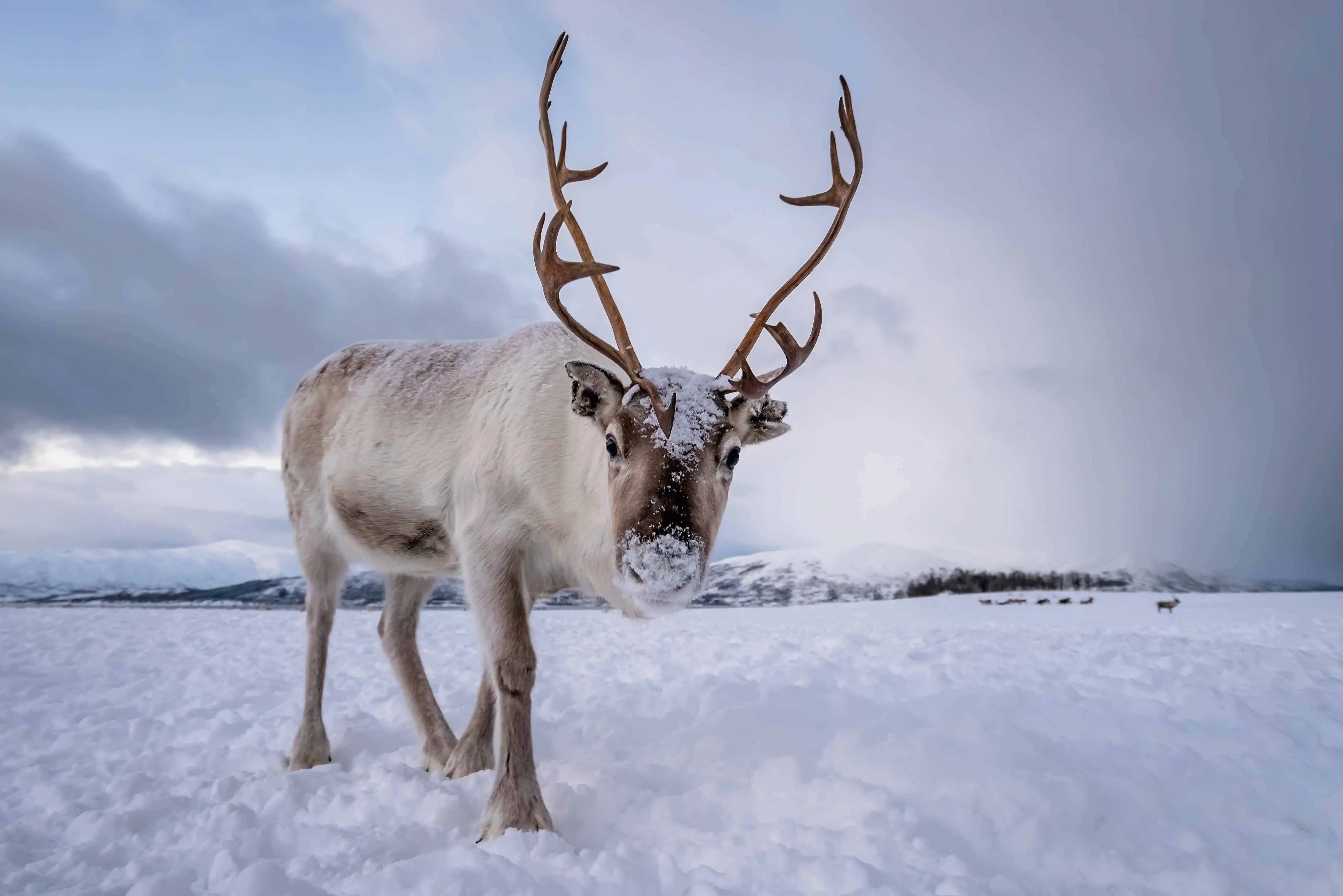
In the harsh, yet breathtakingly beautiful Arctic landscape, a remarkable story of resilience and adaptation unfolds with the arrival of reindeer babies. These tiny creatures, born into a world of snow and ice, must navigate the challenges of their unforgiving environment from the very first moments of life. The survival of reindeer babies is a testament to the extraordinary adaptability of nature and the remarkable strategies that have evolved to ensure the continuation of their species.
Early Life: The First Critical Hours
The birth of a reindeer baby, also known as a calf, is a pivotal moment that sets the stage for its future survival. Reindeer calves are born after a gestation period of about 7-8 months, typically in the spring when food is more plentiful. At birth, they weigh around 3-4 kg (6.6-8.8 lbs) and are remarkably precocious, able to stand and walk within the first hour of life. This early mobility is crucial, as it allows them to follow their mothers to safer locations and to begin feeding soon after birth. The first milk, or colostrum, is rich in antibodies that provide the calf with its initial immune defense against the pathogens of its new environment.
Nutrition and Growth
The diet of a reindeer calf consists mainly of its mother’s milk during the first few months. Reindeer milk is particularly rich in fat and proteins, which are essential for the calf’s rapid growth and development in the cold Arctic climate. As summer progresses, the calf begins to transition to a diet that includes vegetation, learning what plants are safe and nutritious from its mother. This transition is critical for the calf’s survival, as it must be able to sustain itself independently before the winter, when food sources become scarce.
Predator Avoidance and Safety
One of the most significant threats to the survival of reindeer babies is predation. In the Arctic, predators such as wolves, bears, and eagles view reindeer calves as vulnerable prey. To mitigate these risks, reindeer employ several strategies. The calves are born with coat patterns and colors that help them blend into their surroundings, reducing their visibility to predators. Additionally, reindeer herds often move to higher ground or areas with less vegetation during calving, as these open spaces provide better visibility and fewer places for predators to hide. The maternal bond is also strong, with mothers being highly protective of their calves and often forming small groups with other females and their calves for added safety.
Adaptation to the Arctic Environment
Reindeer babies have several adaptations that enable them to survive the extreme conditions of the Arctic. Their fur, for instance, is specially adapted to provide excellent insulation against the cold, with a thick undercoat and a longer, guard hair layer that helps to repel snow and ice. Their feet are also remarkably adapted, with concave, hoof-like structures that act as snowshoes, allowing them to move efficiently on snow and ice. Furthermore, reindeer have a specialized circulatory system in their legs, which helps to conserve heat in extreme cold by reducing blood flow to the extremities.
Human Impact and Conservation Efforts
While reindeer have evolved remarkable strategies to survive in their natural habitat, human activities pose significant threats to their populations and habitat integrity. Climate change, in particular, affects the availability of their food sources and alters the migratory patterns of reindeer herds. Additionally, habitat fragmentation due to infrastructure development, mining, and other human activities can isolate reindeer populations, reducing their genetic diversity and making them more vulnerable to environmental changes. Conservation efforts are underway to protect reindeer habitats and to study the impacts of climate change on reindeer populations, aiming to preserve the delicate balance of the Arctic ecosystem.
Practical Tips for Observing Reindeer in Their Natural Habitat
For those interested in observing reindeer in their natural habitat, several guidelines can help minimize the impact on these animals and their environment: - Respect Distance: Keep a safe distance to avoid disturbing the reindeer, especially during calving season when they are most vulnerable. - Follow Local Guidelines: Adhere to any local regulations or guidelines provided by tour operators or park rangers. - Stay on Designated Trails: To avoid habitat disruption and minimize the risk of disturbing reindeer, stay on designated trails when hiking or roaming in areas where reindeer are known to inhabit. - Be Aware of Your Surroundings: Recognize signs of reindeer presence, such as tracks or droppings, and adjust your behavior accordingly to avoid unexpected encounters.
Conclusion
The story of reindeer babies is one of resilience, adaptation, and the enduring power of life in the face of adversity. Through their unique adaptations and the careful strategies of their mothers, these calves survive and thrive in one of the world’s harshest environments. As we continue to learn more about these incredible creatures, we are also reminded of our responsibility to protect and preserve their habitats, ensuring that future generations can continue to marvel at the beauty and resilience of reindeer in the Arctic wilderness.
How do reindeer babies stay warm in cold temperatures?
+Reindeer babies are born with a thick coat of fur that provides excellent insulation against the cold. Additionally, they have a specialized circulatory system in their legs that helps to conserve heat in extreme cold by reducing blood flow to the extremities.
What do reindeer babies eat?
+Initially, reindeer babies rely on their mother’s milk, which is rich in fat and proteins. As they grow, they begin to eat vegetation, learning from their mothers which plants are safe and nutritious.
How can humans help protect reindeer habitats?
+Humans can help protect reindeer habitats by supporting conservation efforts, respecting reindeer during observations by keeping a safe distance, and adhering to local guidelines and regulations that aim to minimize human impact on these sensitive ecosystems.