

Remarkable Planner Pages Overview
A willy size chart is a handy tool, offering a simple visual guide to understanding penis measurements. This guide aims to demystify these charts, ensuring you can navigate and utilize them effectively.
Whether you're curious about average penis length, girth measurements, or simply need a cm to inches conversion, these charts provide a quick reference. While values may vary depending on standards and regions, the willy size chart offers a reliable starting point for understanding and comparing sizes.
Understanding the Willy Size Chart
The willy size chart is a reference guide that provides a visual representation of penis dimensions, offering a standardized way to understand and compare sizes. This chart is a valuable tool for educational purposes and can be particularly useful for those seeking information on average sizes or wanting to understand the range of variations.
Comparing Standards and Categories
When referring to a willy size chart, it's important to note that different standards and measurement systems exist. The most common standards are the US and international (metric) systems, which use different units of measurement. The chart typically displays length and girth measurements, often in both centimeters and inches, to cater to various regions and preferences.
Step-by-Step Guide to Using the Chart
To utilize the willy size chart accurately, follow these steps:
Identify the standard: Determine whether you are using the US or international standard. This information is usually indicated on the chart itself or in the accompanying documentation.
Measure accurately: Take precise measurements of your penis. For length, measure from the base to the tip when erect. Girth is measured at the widest point, usually just below the head.
Convert if needed: If your measurements are in a different unit than the chart, convert them. For example, if you measured in centimeters but the chart uses inches, use the cm to inches conversion factor (1 inch = 2.54 cm) to ensure accuracy.
Compare and understand: Place your measurements on the chart and compare them to the various categories or percentiles. This will give you an idea of how your size compares to the general population.
Common Misconceptions and Pitfalls
Willy size chart is not an exact science: While the chart provides a standardized reference, it's important to remember that penis sizes can vary greatly, and individual differences are normal.
Personal experience vs. statistics: Your personal experience may not align with the chart, especially if you have a unique size or if the chart is based on a different population.
Age and growth: Penis size can change with age, especially during puberty and early adulthood. The chart may not account for these growth stages, so it's important to consider your age when interpreting the results.
Measurement techniques: Inaccurate measurements can lead to incorrect placements on the chart. Ensure you follow proper measuring techniques to get the most accurate representation.
Remember, the willy size chart is a guide, and individual variations are normal and healthy. If you have specific concerns or questions about your sexual health, it's always best to consult a healthcare professional.
So, there you have it, a handy willy size chart to guide you through the various measurements and standards. Remember, these charts provide a general overview, and exact values may differ slightly across sources.
It's always a good idea to cross-reference and ensure you're using the right measurements for your specific needs. Feel free to explore our other guides; we've got a range of interesting topics that might pique your curiosity and provide practical insights. Happy reading!
Related: Find Your Perfect Fit: Jeans Size Chart Guide
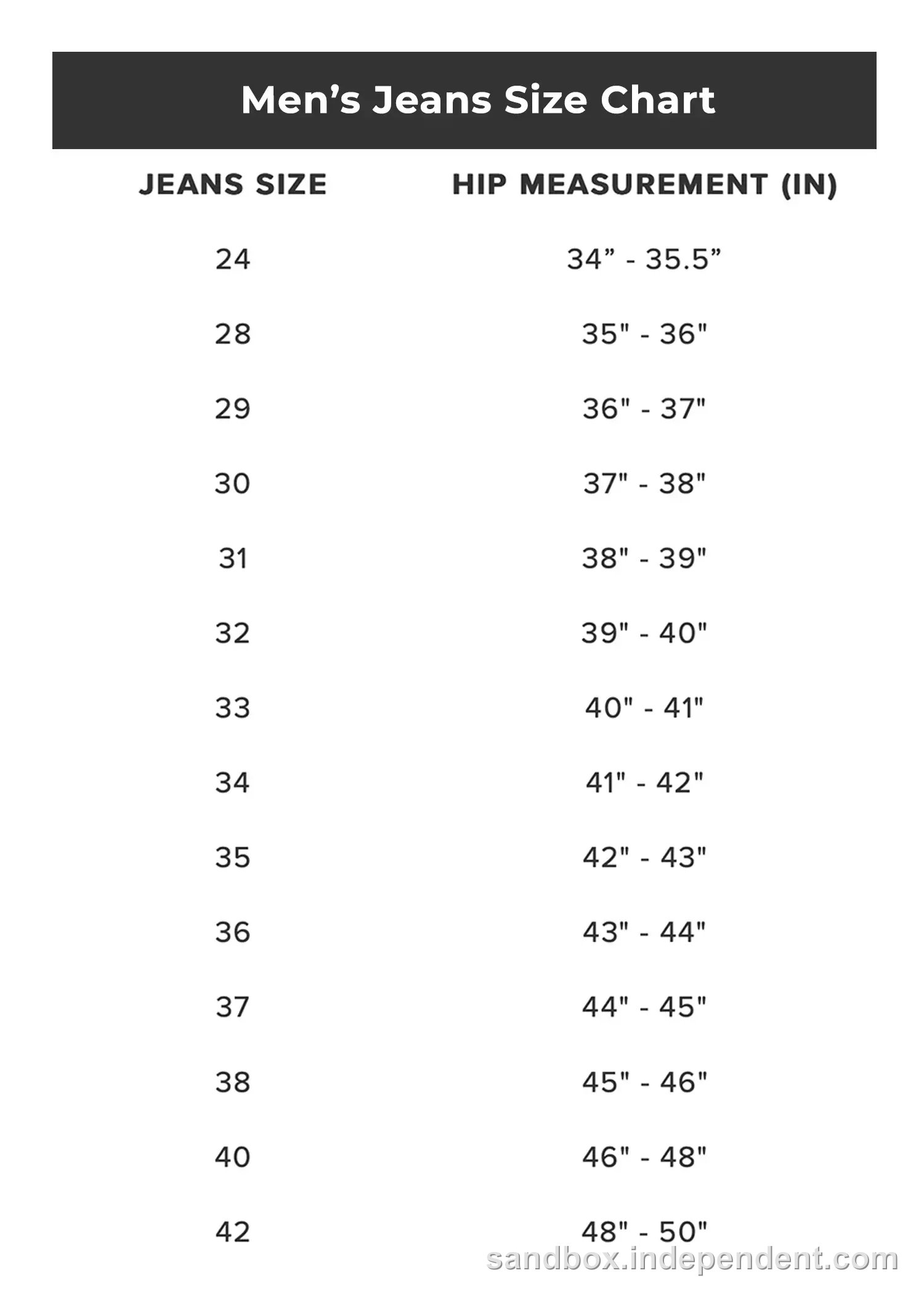
Many people struggle with the idea of a jeans size chart, assuming it's a complex and confusing tool. But it's actually a simple and handy reference, a quick guide to finding your perfect fit!
The chart offers a visual or tabular overview, providing waist and hip size measurements, along with other key details like inseam length and leg opening. While values may vary slightly between brands and regions, the jeans size chart is a reliable starting point for an accurate fit.
Understanding the Jeans Size Chart
The jeans size chart is your guide to finding the perfect fit for your denim dreams! It's a handy tool that translates your body measurements into the right jeans size, ensuring you look and feel great. This chart is like a secret code, but don't worry, it's easy to crack!
Key Details and Categories
Let's break down the chart's categories. Typically, a jeans size chart will have two main measurements: waist size and hip size. These are the most critical factors in finding a comfortable and flattering fit. You'll also find other details like inseam length, leg opening, and rise, which add precision to your choice. These measurements are usually in inches or centimeters, depending on the standard used. Always check the chart's units to ensure accuracy.
How to Read and Apply the Chart
Using the jeans size chart is a breeze! Here's a step-by-step guide:
- Measure your waist and hip sizes. Ensure you're measuring at the right points; for the waist, it's the narrowest part of your torso, and for the hips, it's the widest part.
- Find your waist and hip measurements on the chart. The chart will often have a grid or table format, with waist sizes along one axis and hip sizes on the other.
- Look for the intersection of your waist and hip measurements. This will give you your recommended jeans size. For example, if your waist is 28 inches and your hips are 36 inches, the chart might recommend a size 6.
- Consider other details like inseam length. If you prefer a specific leg length, choose a size that accommodates your desired inseam.
- Try it on! While charts are accurate, personal preferences and body shapes vary. So, it's always best to try the jeans and see how they feel and look.
Size Variations and Differences
It's important to note that jeans size charts can vary slightly between brands and manufacturers. This is because each brand might have a unique fit philosophy or use different measurement standards. Additionally, regional differences can impact size charts, with some countries using different sizing systems. Always check the brand's specific size guide or denim size chart to ensure you're using the right measurements. It's a good idea to refer to the brand's size guide when shopping online to avoid any surprises.
Finding the perfect jeans size is an adventure, and with this guide, you're equipped to navigate the jeans size chart like a pro!
Well, there you have it! A handy jeans size chart to keep on hand for all your denim adventures. Remember, these charts are a great starting point, but it's always wise to check the specific brand's size guide for any unique fits or styles.
Jeans shopping can be a fun and practical experience, and with this guide, you're well-equipped to find your perfect fit. So, happy browsing and remember to bookmark this page for future denim missions!
Related: RSMeans Cost Estimating Essential Guide
I was chatting with a friend the other day, and they mentioned how they wanted to do some home renovations but were overwhelmed by the costs. That got me thinking about means cost estimating and how it can help us navigate these projects. So, let's break it down and see what it's all about!
Understanding Means Cost Estimating
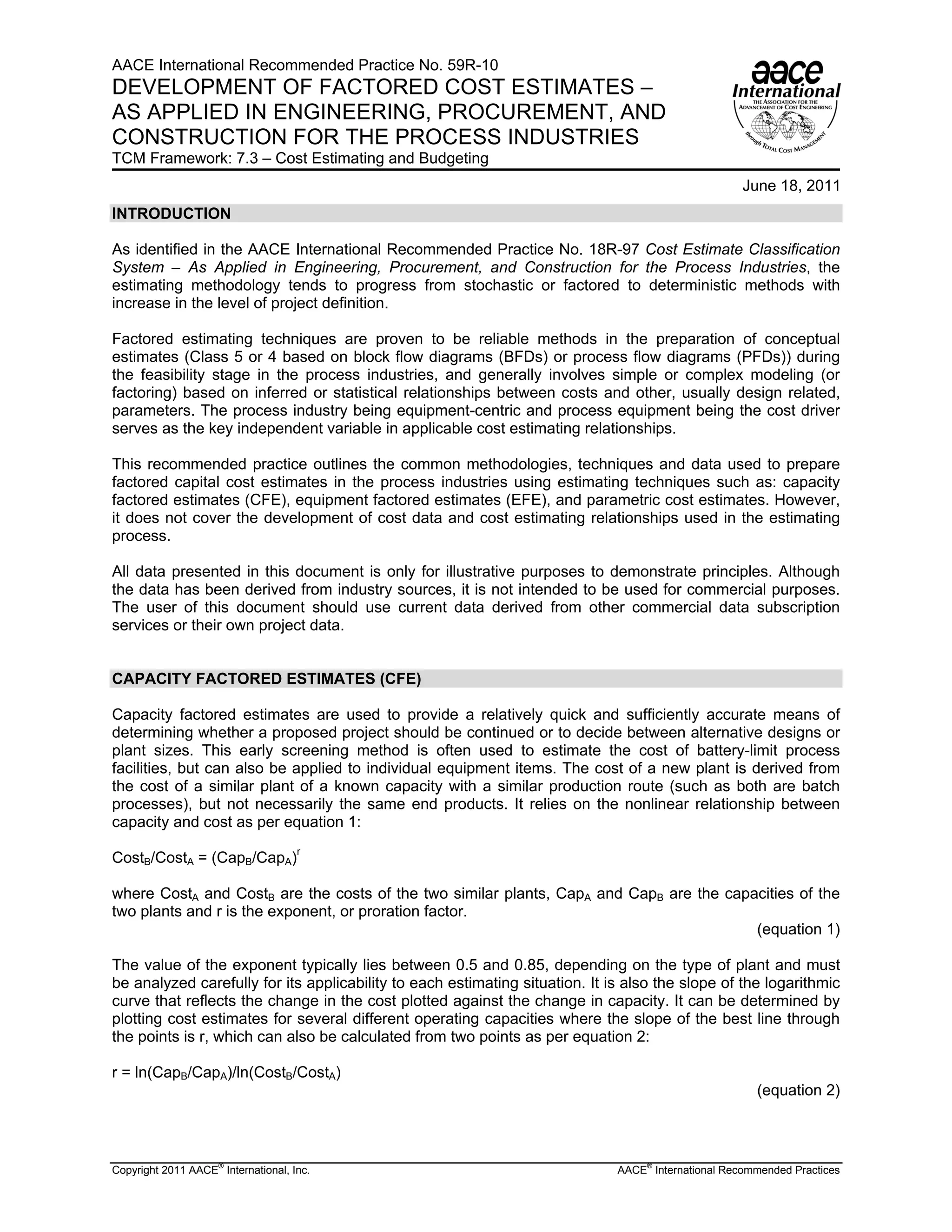
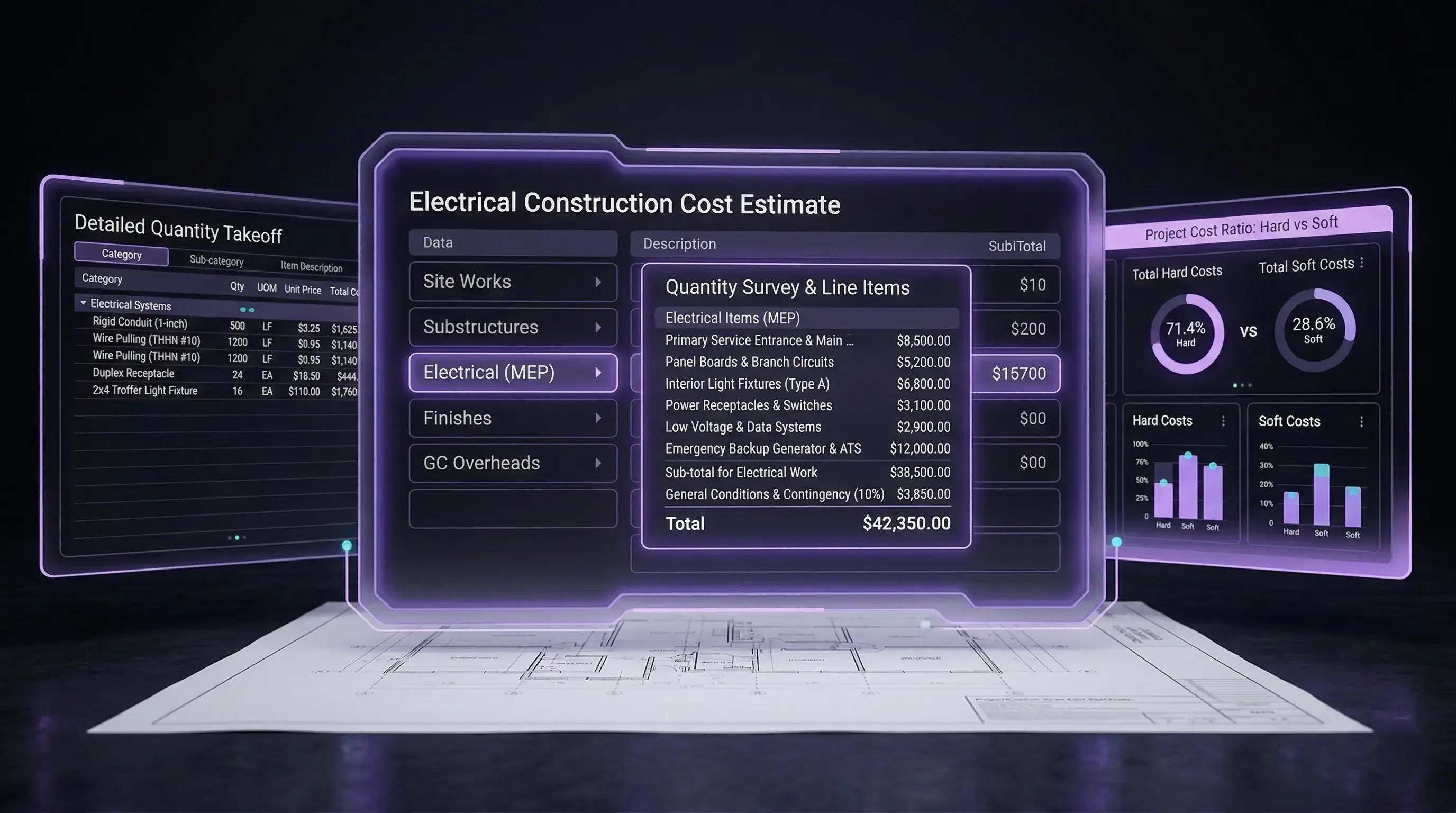
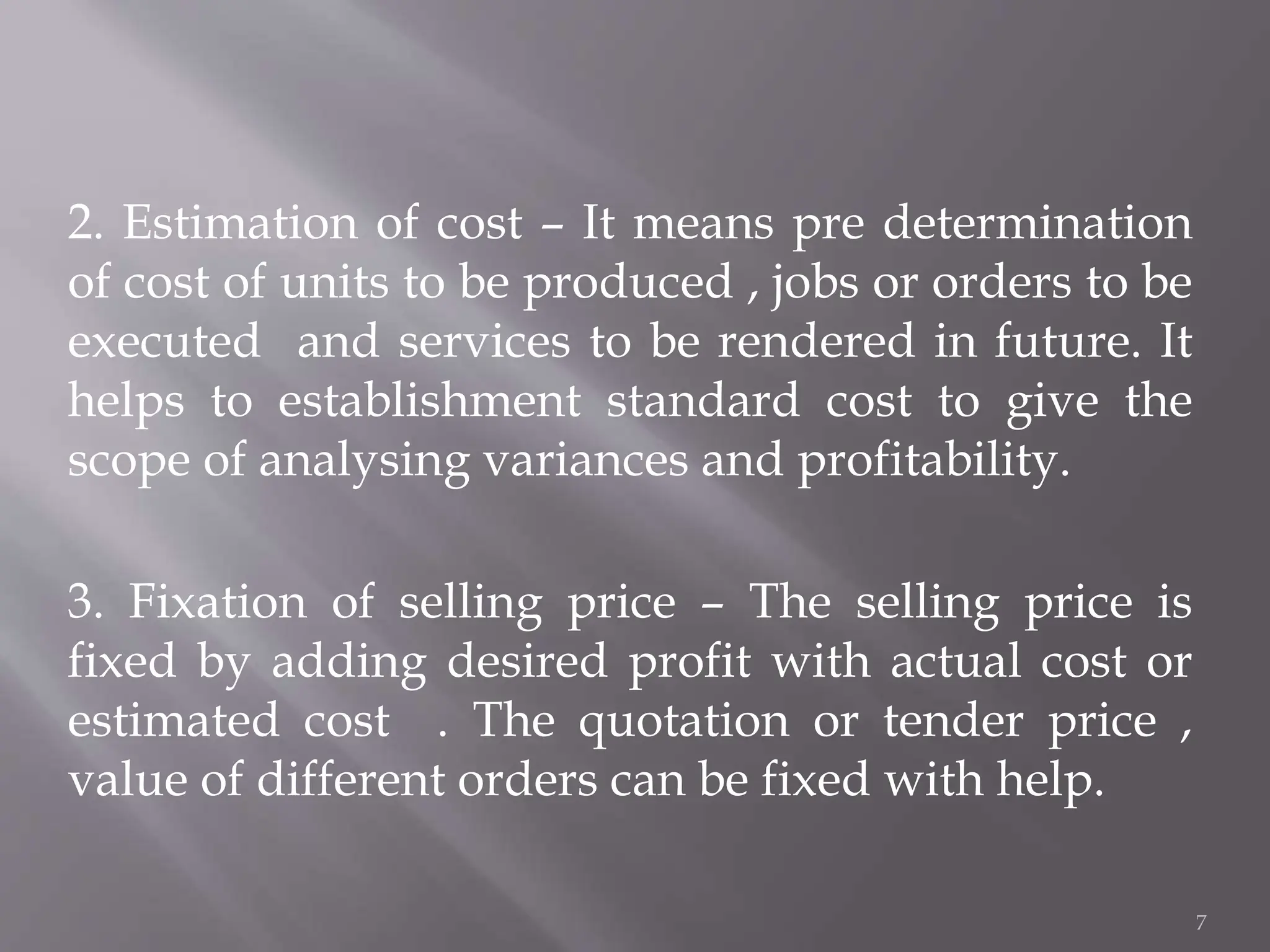
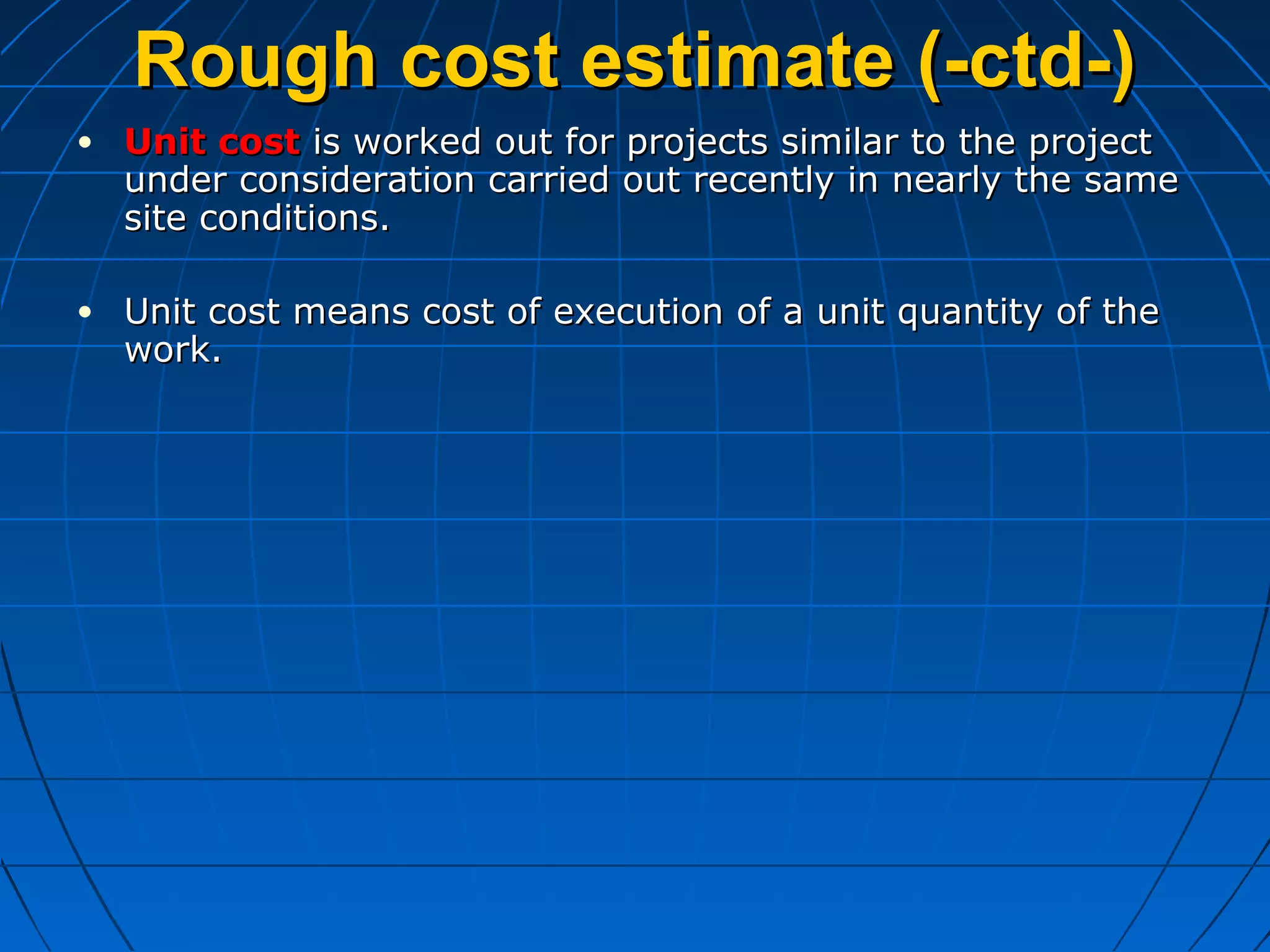
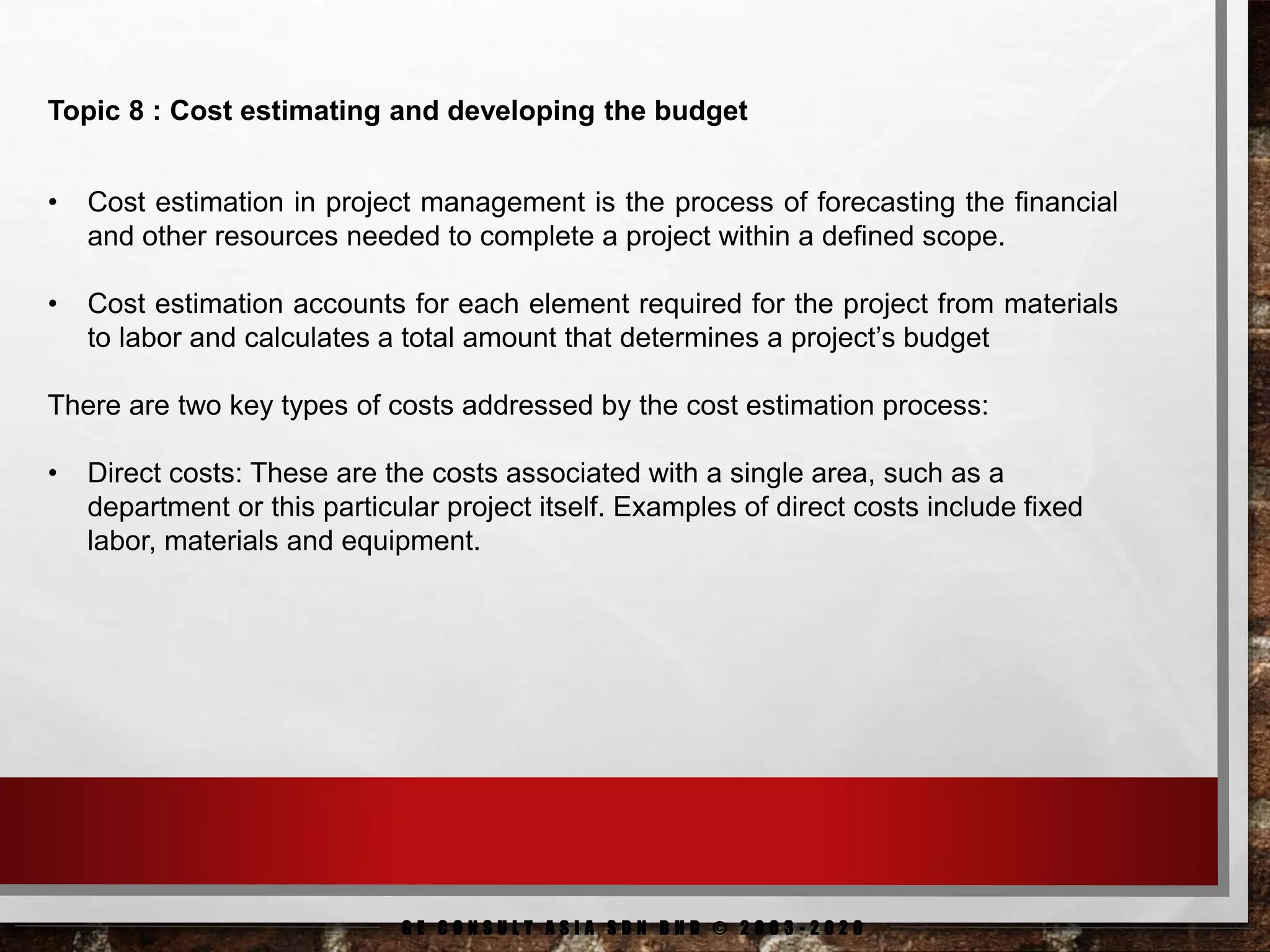
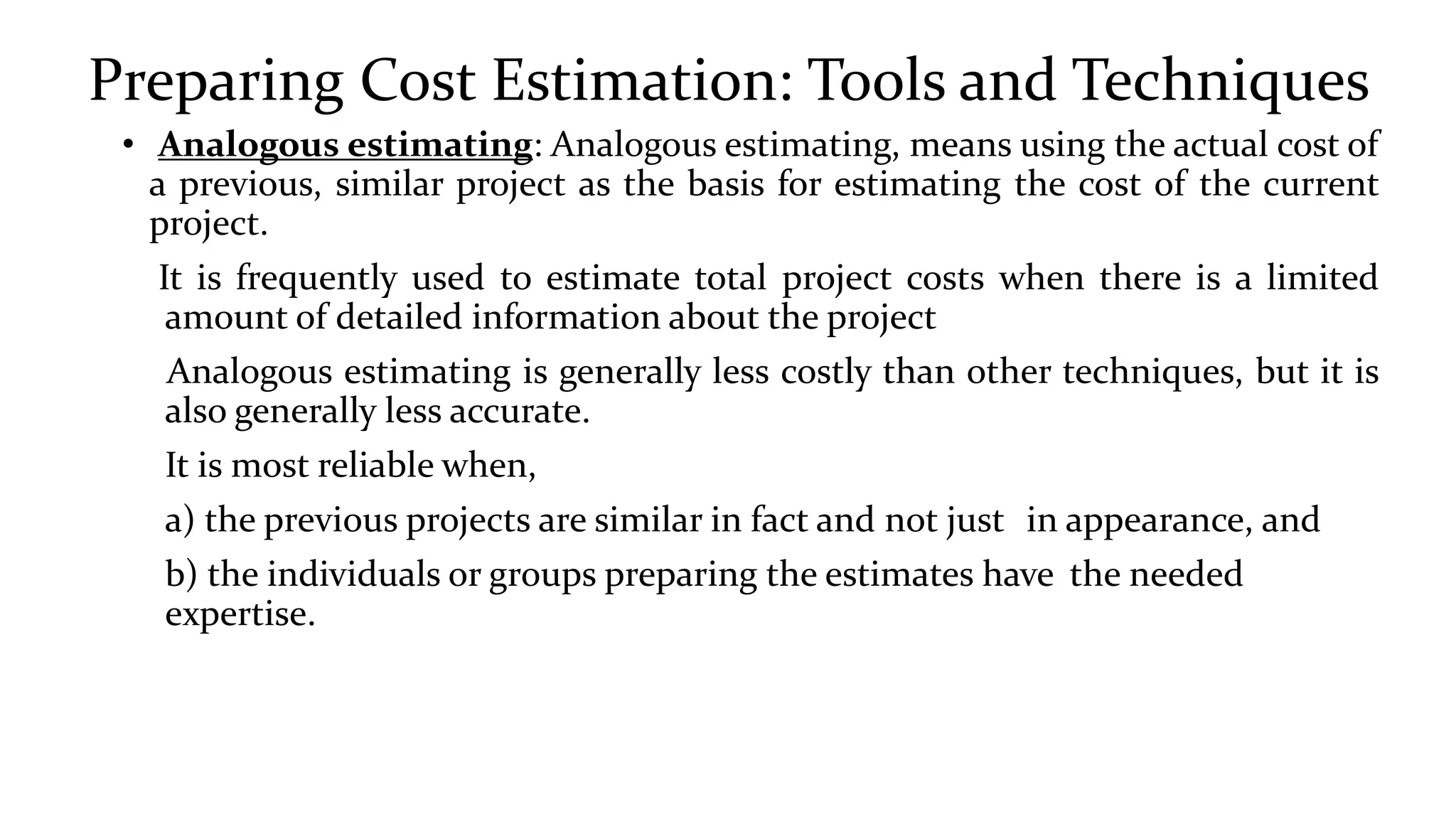
Means cost estimating is a method used in the construction industry to calculate and predict the expenses of a project. It's like a roadmap for builders, helping them plan and budget effectively. This process considers various factors, such as materials, labor, equipment, and even unexpected costs, to provide an accurate estimate. It's a crucial step for any construction project, big or small, and it ensures that you, as a homeowner or business owner, have a clear idea of what you're getting into financially.
What Affects the Cost?
The cost of a construction project can vary greatly depending on several factors. For instance, the size and complexity of the project play a significant role. A simple bathroom renovation will differ greatly from a full-scale house addition. The materials chosen also impact the budget; high-end finishes will cost more than basic ones. Additionally, labor costs can vary by region and the availability of skilled workers. It's essential to get multiple quotes to compare and understand these variations.
Hiring a Contractor
When it comes to hiring a contractor, there are a few things to consider. First, check their credentials and experience. Ask for references and examples of their previous work. A good contractor will provide a detailed estimate, outlining the costs and scope of the project. Ensure they have the necessary licenses and insurance. It's also beneficial to ask about their process and how they handle unexpected issues. A transparent and communicative contractor is often a good sign.
Construction Company Names
Naming a construction company is an important step. It should be memorable, reflect your business values, and stand out. Some construction company names I've come across that I quite like are:
- Build-It-Right
- HomeCrafters
- SkyHigh Construction
- Earthbound Builders
- Structure Solutions
- Renova Renovations
Remember to check the availability of these names and secure the relevant domains and local registrations.
Jobs and Opportunities
The construction industry offers a range of jobs, and means cost estimating is just one aspect. There are roles for estimators, project managers, site supervisors, and more. These jobs often involve working with clients, understanding their needs, and providing solutions. Many construction companies post job openings on their websites or local job boards. It's a great industry to be in, offering a variety of career paths and the satisfaction of seeing your work come to life.
Industry Tools and Resources
Means cost estimating often utilizes tools like RSMeans, a comprehensive database that provides cost data for various construction projects. It's a valuable resource for estimators and contractors, offering accurate information on material and labor costs. Additionally, the industry uses cost indexes to track and predict price fluctuations, ensuring estimates remain relevant. These tools help keep the construction industry efficient and competitive.
Large vs. Small Firms
The construction industry has a range of companies, from small, local businesses to large, national firms. Small firms often provide a more personalized service and may be more flexible with pricing. They tend to focus on local projects and have a deep understanding of the community. Large firms, on the other hand, have the resources to take on bigger projects and often have a wider reach. They may offer more specialized services and have a broader network of connections.
Wrapping Up
So, there you have it! Means cost estimating is a vital process in the construction world, helping us understand and manage costs effectively. Whether you're a homeowner planning renovations or a business owner looking to expand, it's a tool that can provide valuable insights. Remember, when it comes to construction, knowledge is power, and a well-informed decision is always the best one.