

Rent Receipt Template Simple Overview
A common misconception about CNA POC charting is that it's a complex and overwhelming task, but it's actually a straightforward and essential practice for healthcare professionals. This type of charting, often referred to as point-of-care documentation, is a vital tool for CNAs and other healthcare providers to record and track patient observations and vital signs efficiently. It's a simple yet powerful way to ensure accurate and timely patient care planning. While the format and specifics may vary, the purpose remains the same: to provide a clear and concise snapshot of a patient's condition.
Understanding CNA POC Charting
CNA POC charting is a vital tool for healthcare professionals, particularly Certified Nursing Assistants (CNAs), to record and track patient observations and vital signs. This charting method provides a structured and organized way to document patient care, ensuring accurate and consistent records.
Key Details and Categories
The CNA POC charting system typically includes various categories and sections to capture essential patient information. These may include:
- Patient Identification: Name, age, gender, and unique identifiers.
- Date and Time: Precise recording of observations to track progress and changes.
- Vital Signs: Temperature, blood pressure, pulse rate, and respiratory rate.
- Patient Observations: Notes on behavior, mood, pain levels, and any significant changes.
- Interventions and Care: Details of nursing care provided, treatments, and medications.
- Physician Orders: Instructions and prescriptions from doctors.
Step-by-Step Guide to Reading and Applying CNA POC Charts
- Start by locating the patient's record in the chart. Ensure it is correctly identified with the patient's name and other details.
- Check the date and time of the previous entry to understand the context and any recent changes.
- Record vital signs accurately using the appropriate units (e.g., °F or °C for temperature, mmHg for blood pressure).
- Observe and document any changes in the patient's condition, behavior, or mood. Use clear and concise language to describe these observations.
- Note any interventions, treatments, or medications administered, including the time and dosage.
- Refer to physician orders and ensure they are followed accurately. Document any deviations or additional instructions.
- Sign and date the chart to maintain accountability and track changes over time.
Variations and Differences in Charting Standards
While the core structure of CNA POC charting remains consistent, variations may occur due to different healthcare settings, regions, and specific patient needs. For instance, some charts may include additional sections for specialized care, such as wound care or diabetic management. It is essential to be familiar with the specific charting standards and guidelines in your facility or region. Always refer to the latest protocols and ensure you are using the correct chart format.
Common Mistakes and How to Avoid Them
- Inaccurate or incomplete vital sign recordings: Always double-check your measurements and ensure they are within the normal range for the patient's age and condition.
- Forgetting to record the date and time: This basic step is crucial for tracking changes and ensuring continuity of care.
- Inadequate patient observations: Take time to observe and document any changes, even if they seem minor. These details can be vital for patient care planning.
- Omitting or misinterpreting physician orders: Always clarify and understand instructions before acting on them.
- Failing to sign and date the chart: This simple step ensures accountability and helps track changes made by different healthcare professionals.
Best Practices for Accurate and Effective Charting
- Familiarize yourself with the charting standards and guidelines specific to your facility and region.
- Use clear and concise language when recording observations and notes. Avoid abbreviations that may be unclear to others.
- Stay updated with any changes or additions to the charting system to ensure your records are accurate and complete.
- Regularly review and analyze patient charts to identify trends, progress, or areas of concern.
- Collaborate with other healthcare professionals to ensure consistent and accurate charting practices.
CNA POC charting is a valuable tool that, when used correctly, provides a comprehensive overview of patient care and facilitates effective communication among the healthcare team. By following these guidelines and best practices, you can ensure accurate and reliable patient records, contributing to high-quality patient care.
Well, I hope this guide has provided a clear and concise overview of CNA POC charting. Remember, it's always best to refer to the specific guidelines and standards relevant to your context, as exact values and procedures may vary slightly.
Consider bookmarking this page for future reference; it might just save you some time and effort the next time you need a quick refresher on CNA POC charting. Until then, happy charting!
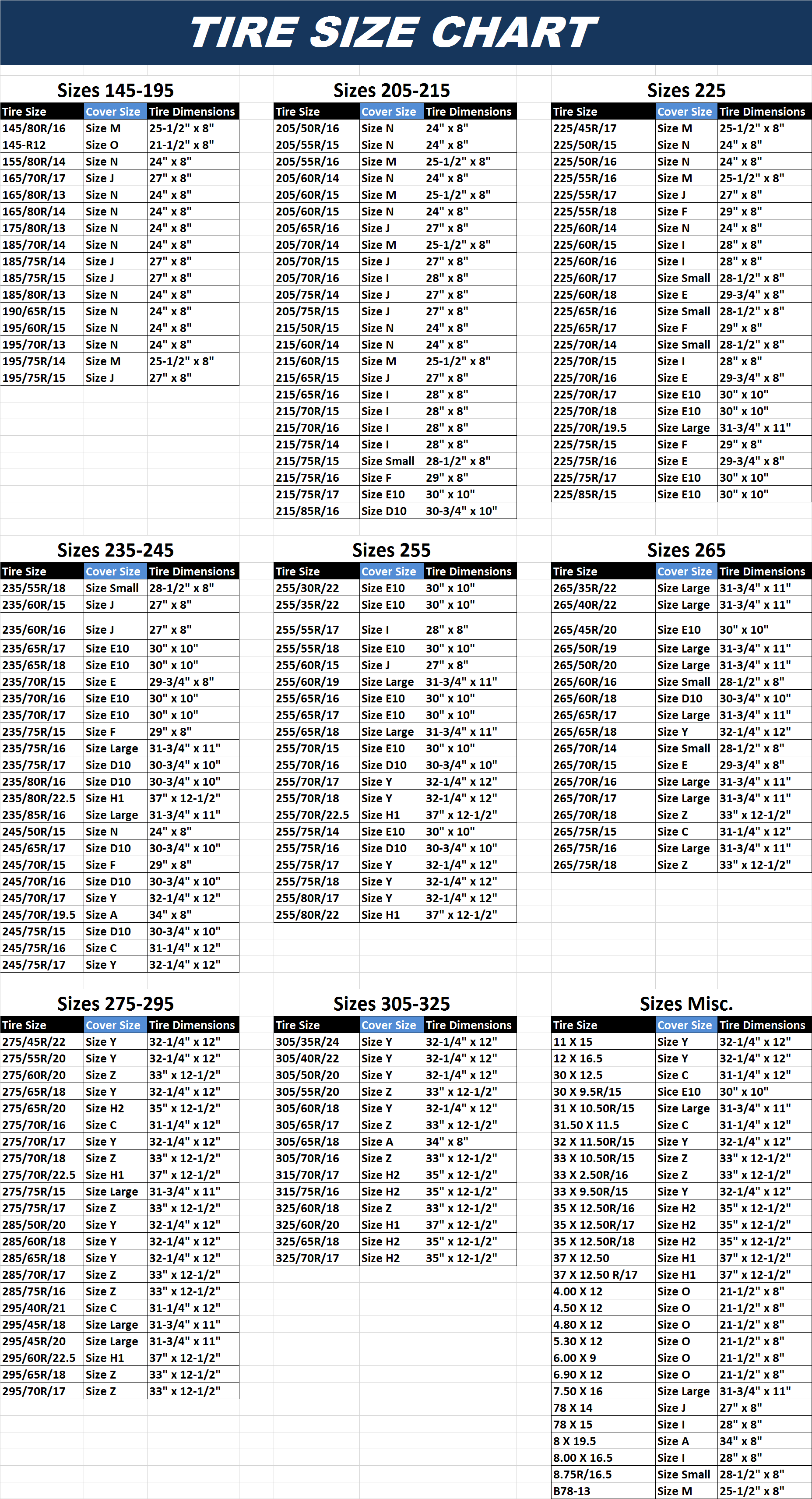
Related: Find Your Perfect Tire Size: A Comprehensive Chart
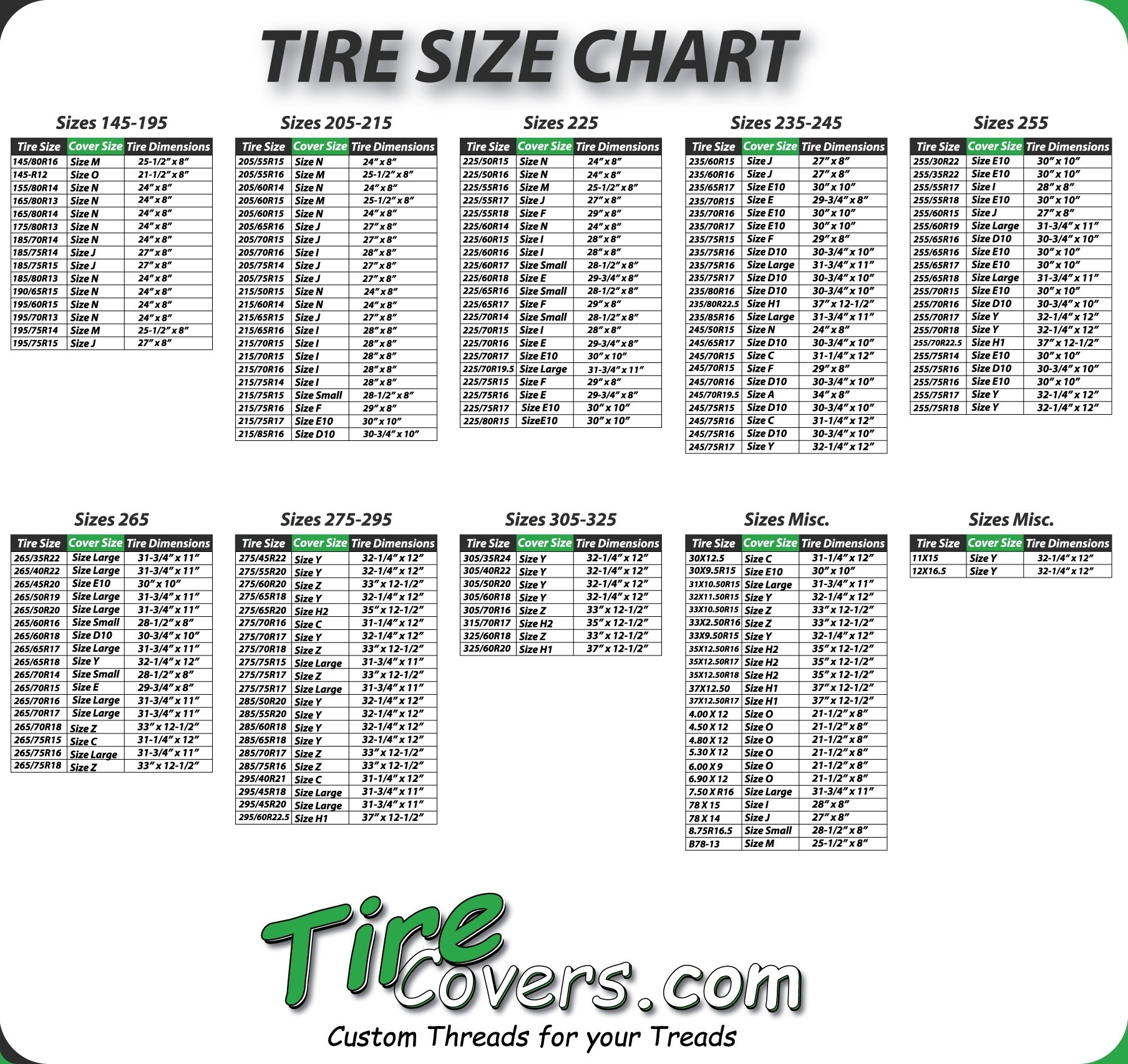
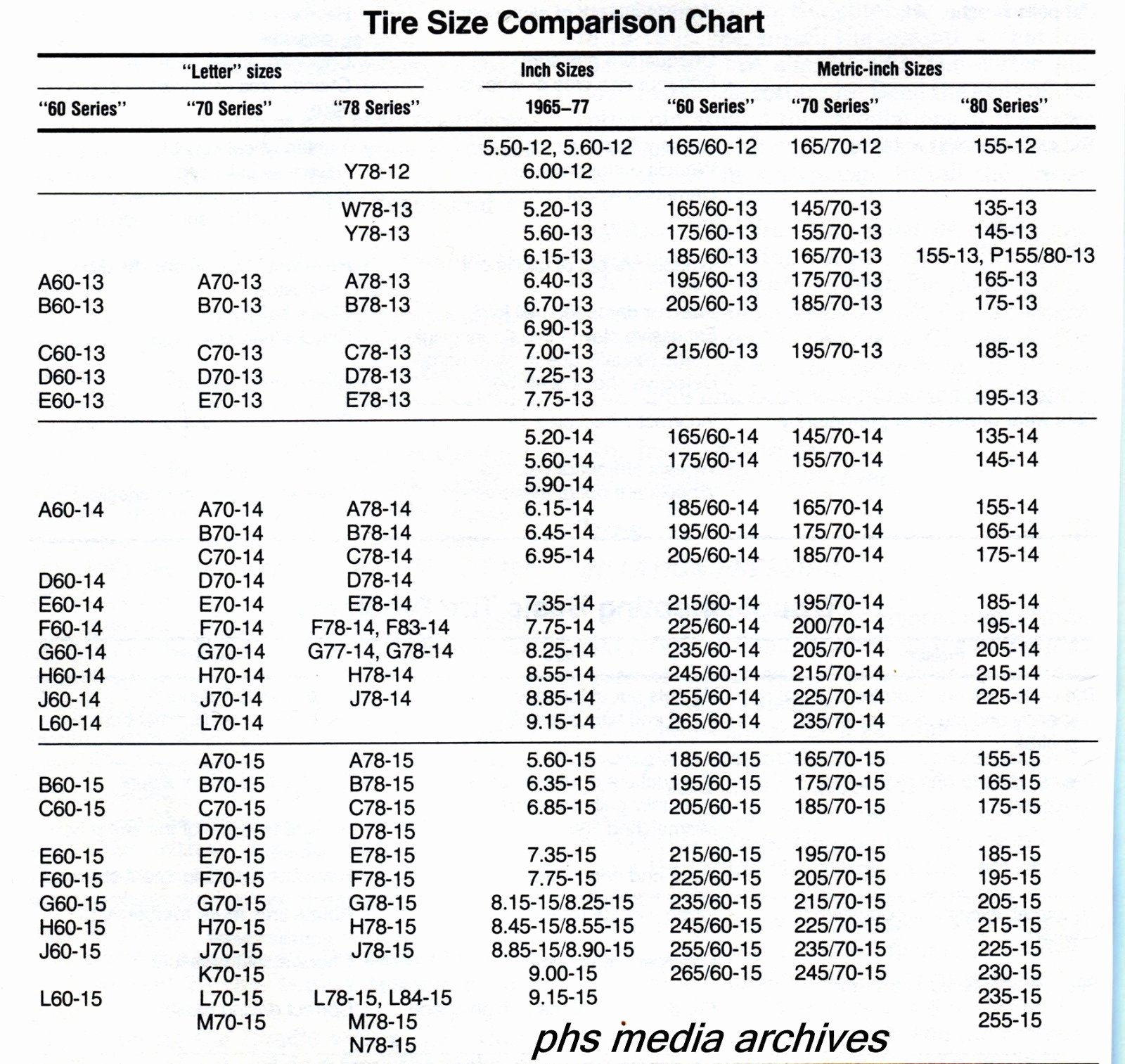
Finding the right tire size can be a straightforward process with the right tools. A tire size chart is an essential reference, offering a clear overview to help you make an informed decision. This chart, a simple yet powerful tool, provides a quick and reliable way to match your needs with the right tire specifications. From tire diameter charts to rim size guides, these resources offer a comprehensive view, ensuring you find the perfect fit for your vehicle.
Understanding Tire Size Charts: A Quick Overview
A tire size chart is an essential tool for anyone dealing with tires, offering a comprehensive guide to tire dimensions and specifications. It provides a clear, visual representation of various tire sizes, helping you make informed choices for your vehicle.
Comparing Tire Size Chart Standards and Formats
There are different standards and formats for tire size charts, primarily the metric tire size chart and the one based on imperial units. The metric system is widely used internationally, while the imperial system is more common in the US. These charts may also vary based on the tire manufacturer's specific guidelines.
Practical Guide to Reading Tire Size Charts
To use a tire size chart accurately, follow these steps:
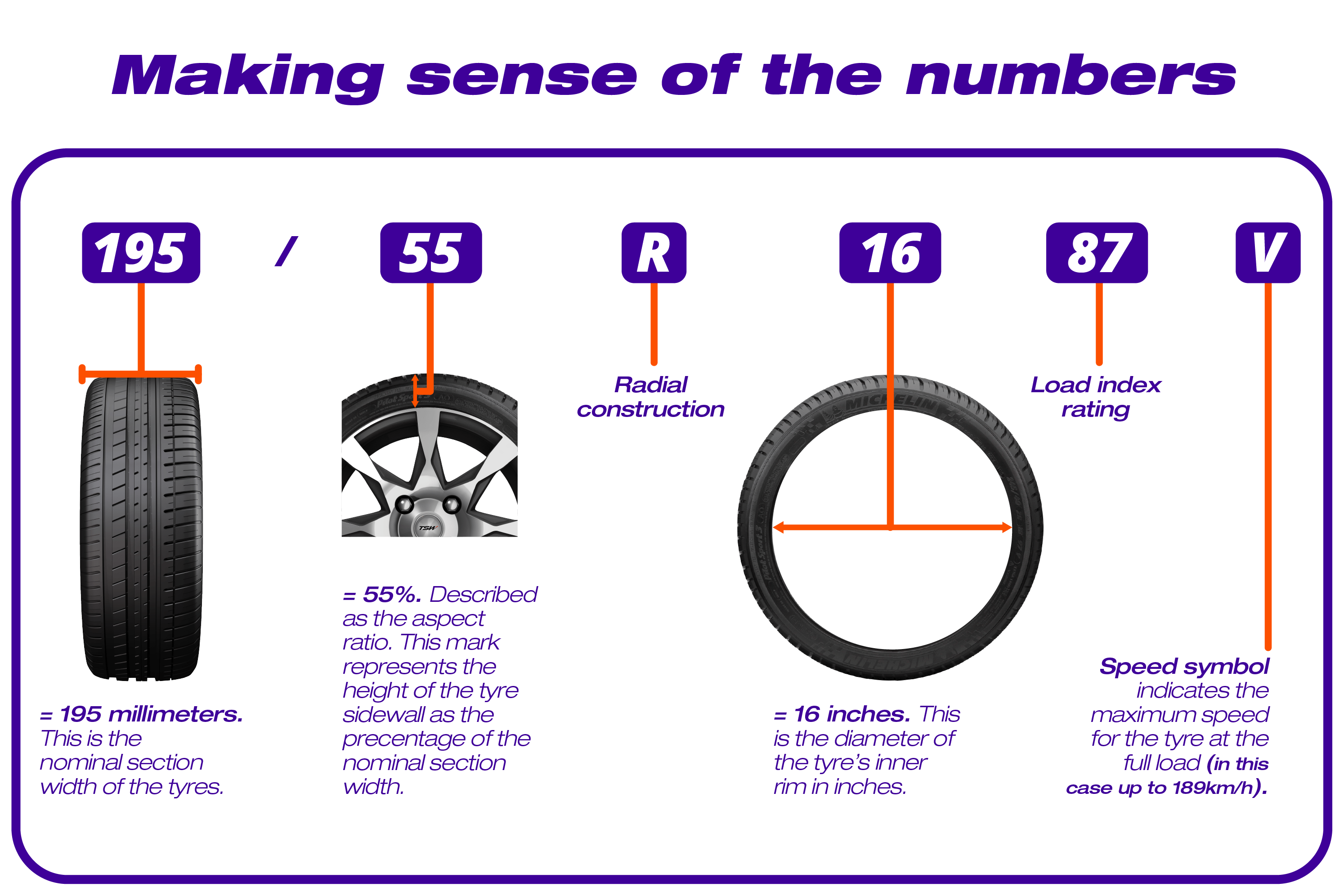
Identify the tire size code on your existing tire. This code typically starts with a letter (e.g., P for passenger vehicle) followed by numbers indicating the width in millimeters, aspect ratio, and rim diameter in inches.
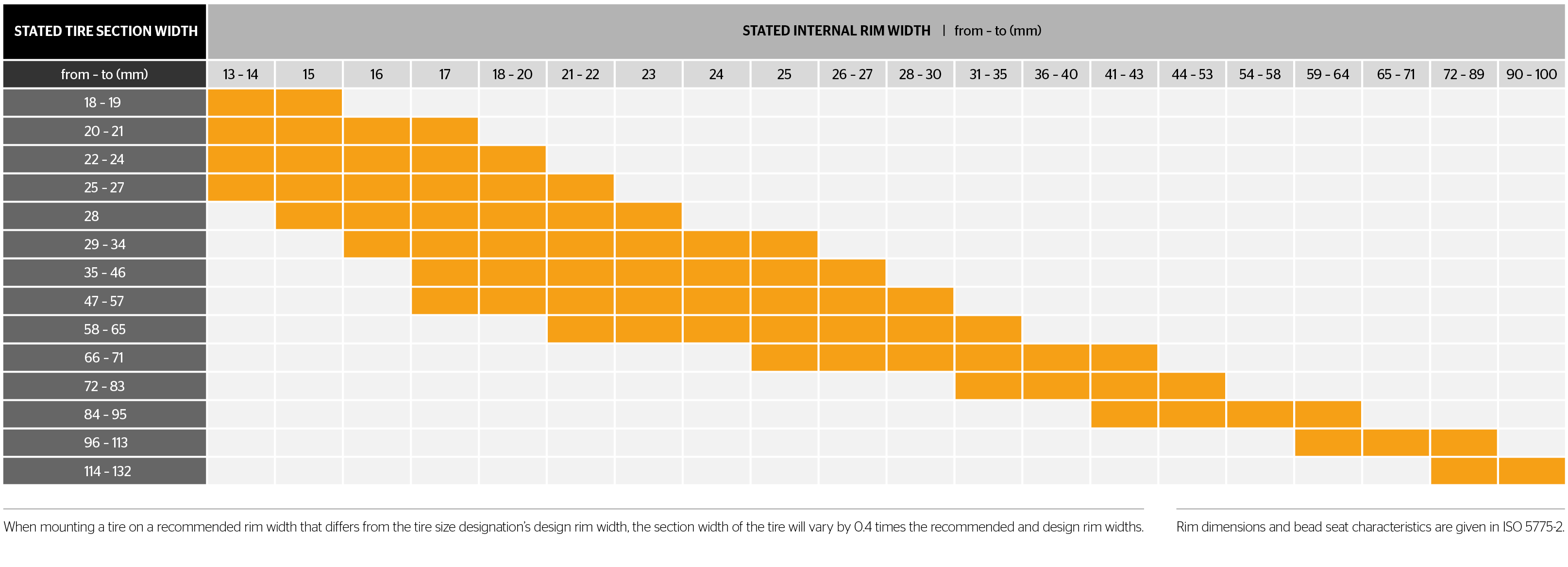
Locate the corresponding size on the chart. Most charts are organized with tire width on one axis and aspect ratio on the other, with rim sizes indicated along the edges.
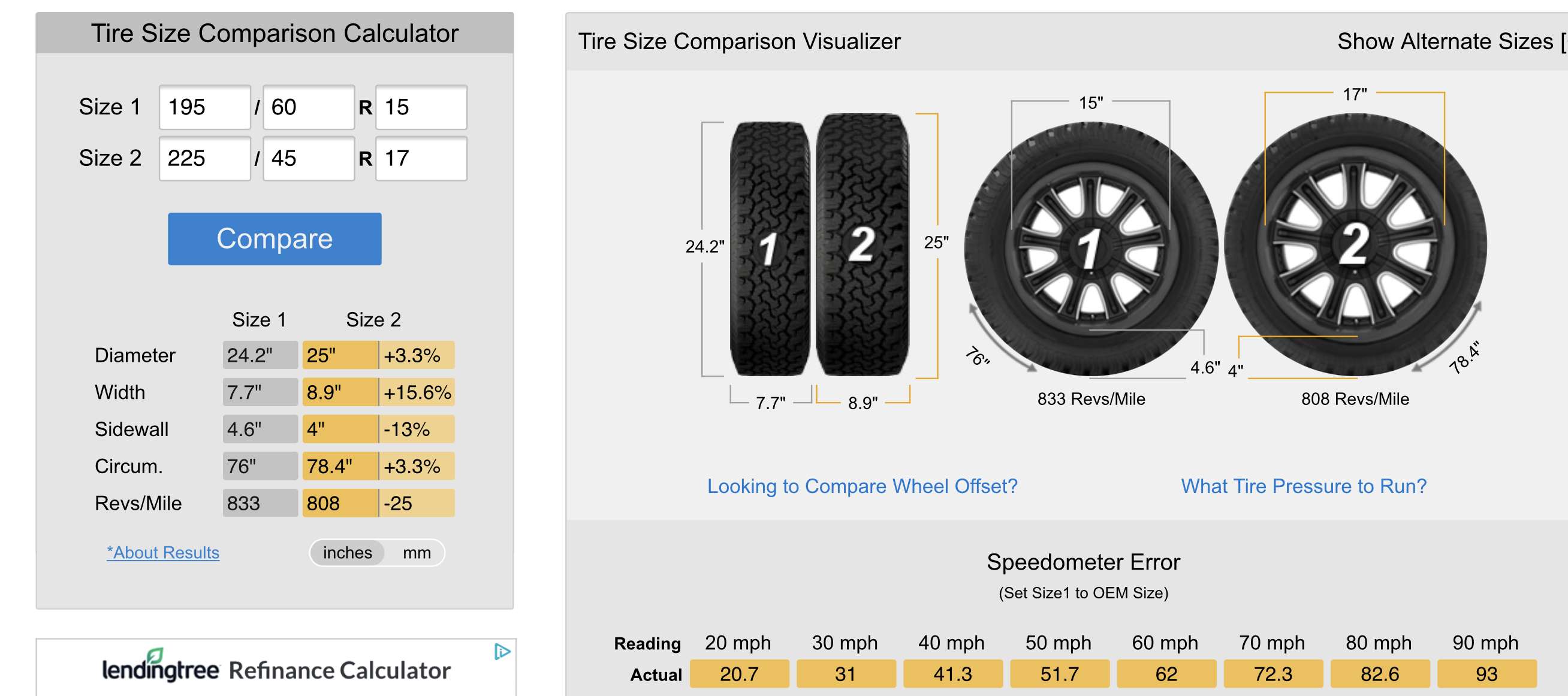
Cross-reference the size code with the chart to find the tire's diameter, load index, and other relevant specifications.
Ensure the tire size you choose is compatible with your vehicle's make and model, as well as the intended use (e.g., off-road vs. highway driving).
Common Misreadings and How to Avoid Them
Tire size charts can be misinterpreted if you confuse the tire width with the rim size. Always check the chart's labels to ensure you're reading the correct values.
Aspect ratio, which represents the tire's sidewall height, is often misunderstood. It's a percentage of the tire width, not an absolute value.
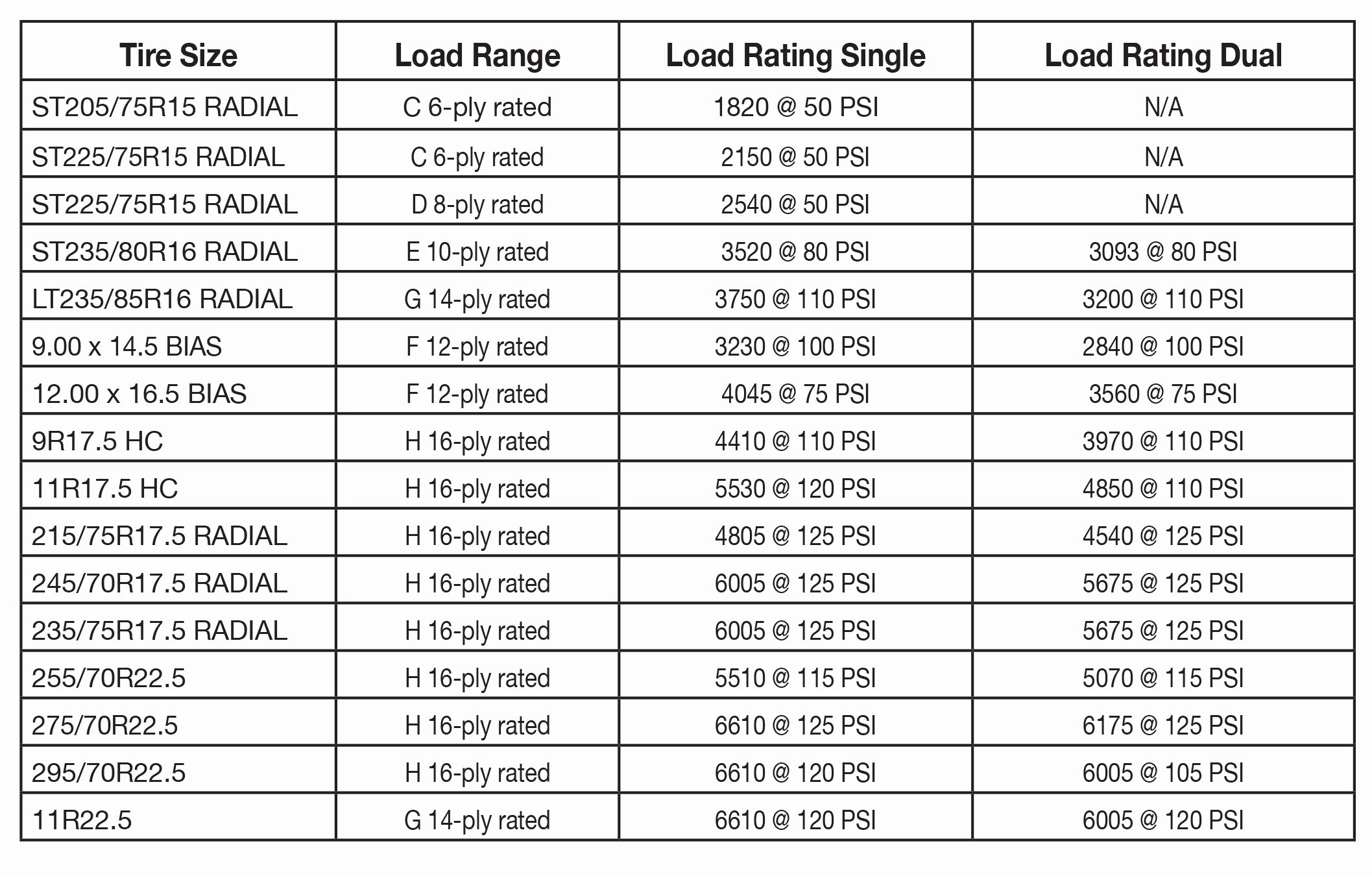
Load index, indicating the maximum weight a tire can carry, is another critical specification. Ensure you understand the load index range for your vehicle and choose tires within this range.
Remember, while tire size charts provide valuable guidance, they may not cover every possible variation. Always double-check exact specifications, especially when dealing with specialized tires or unique vehicle requirements.
While the chart provides a comprehensive guide, it's important to remember that tire sizing can have slight variations, so always double-check the specifics for your vehicle. These details might differ based on your region and the tire manufacturer's standards.
Feel free to explore our other guides for more practical tips and insights. We've got a range of topics covered, so you can find the information you need to make informed decisions. Happy reading!
Related: Need a Lacoste Size Chart?
When it comes to shopping for Lacoste clothing, having a reliable Lacoste size chart at hand is essential. This guide will provide you with the tools to navigate and understand the size charts accurately, ensuring a perfect fit every time. Whether you're after a men's polo shirt or a women's dress, knowing how to interpret size guides is key.
Understanding the Lacoste Size Chart
The Lacoste size chart is a valuable tool for anyone looking to purchase clothing from this iconic brand. It provides a clear guide to help you find your perfect fit, ensuring a comfortable and stylish experience. This chart offers a standardized sizing system, making it easy to navigate and understand.
Comparing Size Standards and Formats
Lacoste's size chart follows a straightforward format, typically featuring columns for different clothing categories, such as tops, bottoms, and dresses. Each category further breaks down into specific garment types, like polo shirts or jeans. The chart provides measurements in both centimeters (cm) and inches, catering to international customers.
Measuring Yourself Accurately: A Step-by-Step Guide
- Start by identifying the clothing category you're interested in, whether it's a men's polo shirt or a women's dress.
- Locate the corresponding section on the Lacoste size chart.
- Measure your body accurately using a flexible tape measure. For tops, measure your chest circumference at the fullest part. For bottoms, measure your waist and hip circumference.
- Compare your measurements to the size chart. Find the row that most closely matches your measurements.
- Consider the fit you prefer. If you like a looser fit, choose a size slightly larger than your exact measurements. For a more tailored look, go for a size that aligns with your measurements.
Common Size Discrepancies and How to Avoid Them
It's important to note that size charts can vary slightly between brands and even within a brand's different collections. While Lacoste's size chart is a reliable guide, there might be minor variations. To ensure an accurate fit, always double-check the specific size guide for the item you're interested in. Additionally, be aware of the standard being used. Lacoste, like many brands, provides measurements in both cm and inches, so ensure you're referencing the correct column. Remember, accurate measuring is key to achieving the perfect fit.
Remember, when it comes to sizing, a little extra care goes a long way. While our guide provides a solid framework, it's always wise to consider your unique needs and preferences. The exact values can vary, so take a moment to ensure you've accounted for any specific requirements you may have.
Feel free to explore our other resources and guides; we've got plenty of practical tips and tools to help you navigate the world of fashion and sizing with ease. Happy browsing!