


Reta Dosing Chart Black And White Overview
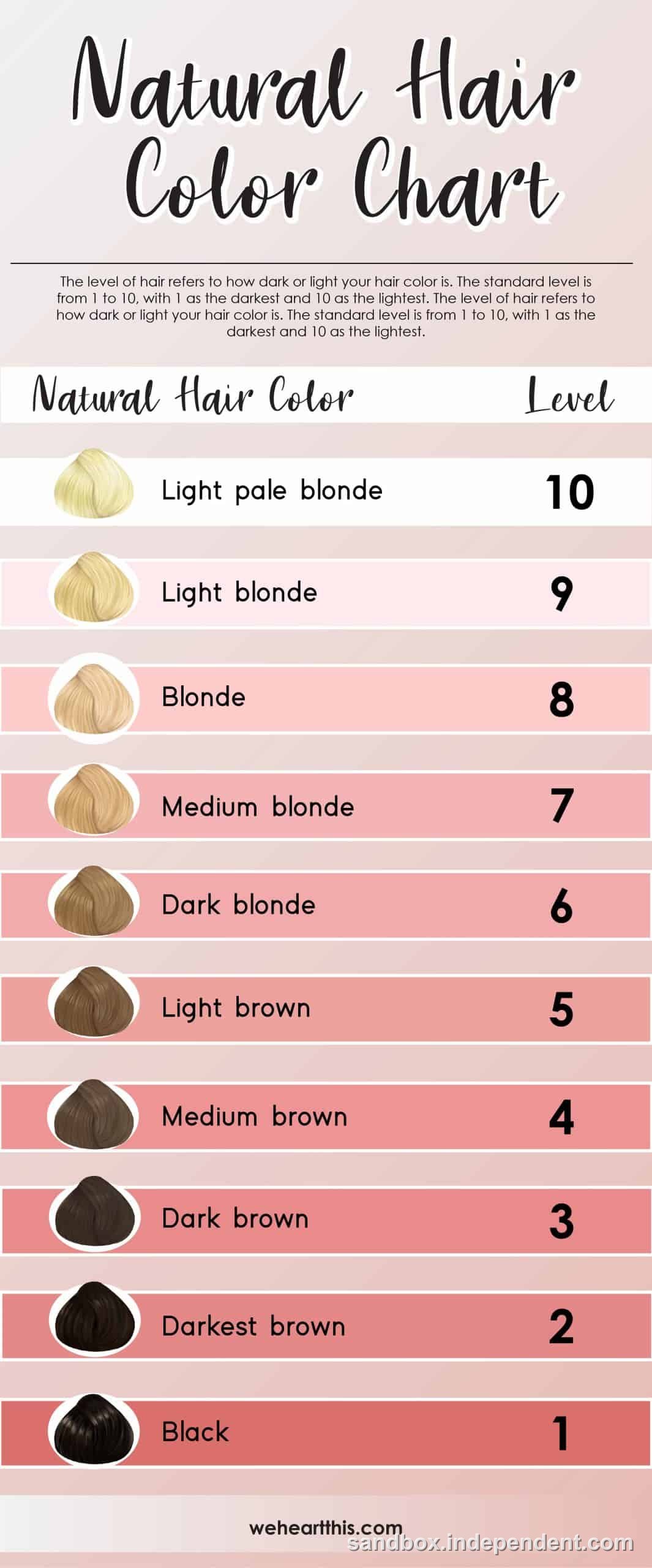
Many people approach hair colors charts with a bit of trepidation, assuming they are complex and confusing. But fear not! These charts are your friends and can be incredibly useful tools.
They provide a simple, visual way to understand and choose hair colors. While the specific values and formats may vary, the hair colors chart remains a reliable guide, offering a clear path to achieving your desired hair color. Think of it as a map, leading you to your perfect shade, with the color wheel and hair color levels acting as your compass.
Hair Colors Chart: A Visual Guide to Hair Dye Shades
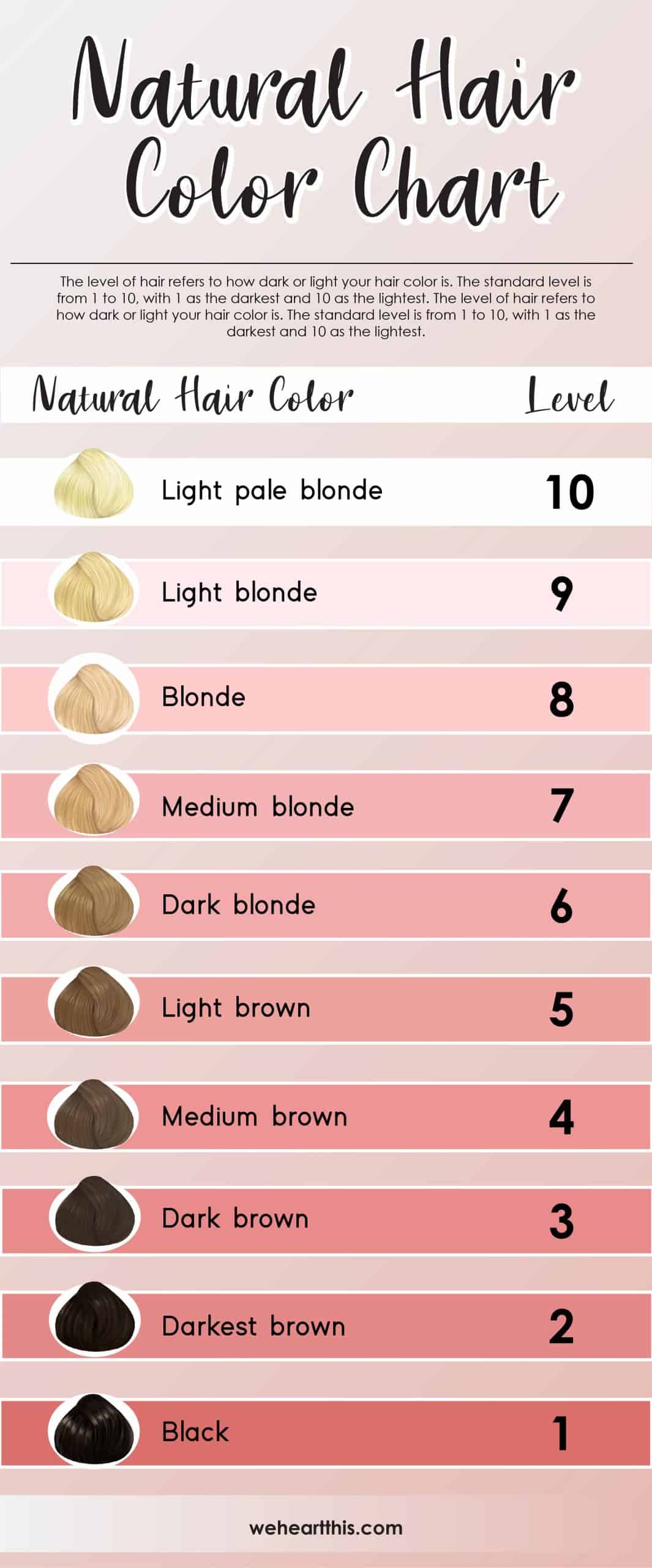
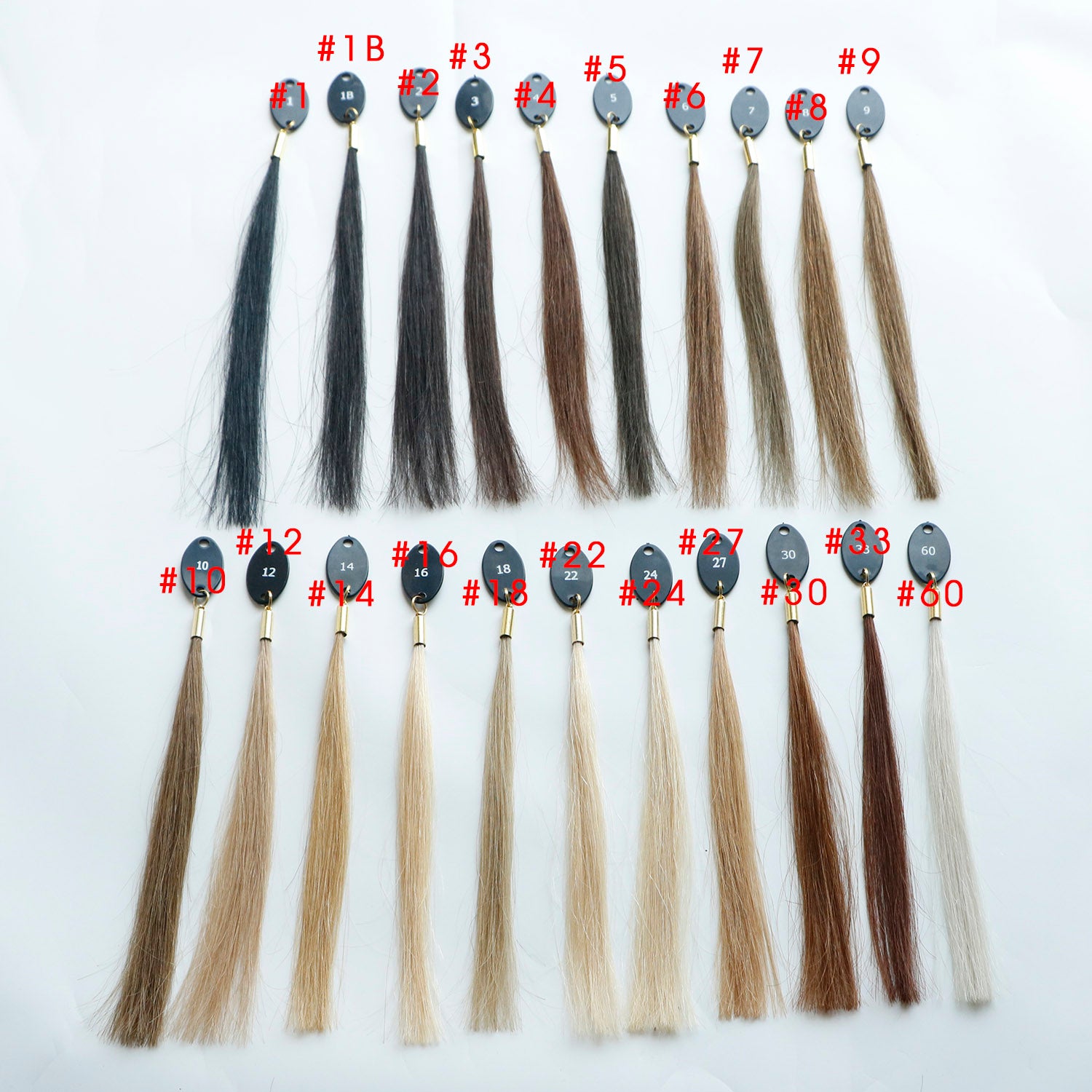
The hair colors chart is a handy reference tool for anyone looking to experiment with hair dye. It's a visual representation of different hair colors, shades, and tones, helping you choose and understand the various options available. This chart is a great starting point for anyone new to hair coloring or those seeking a specific shade.
Key Details and Categories
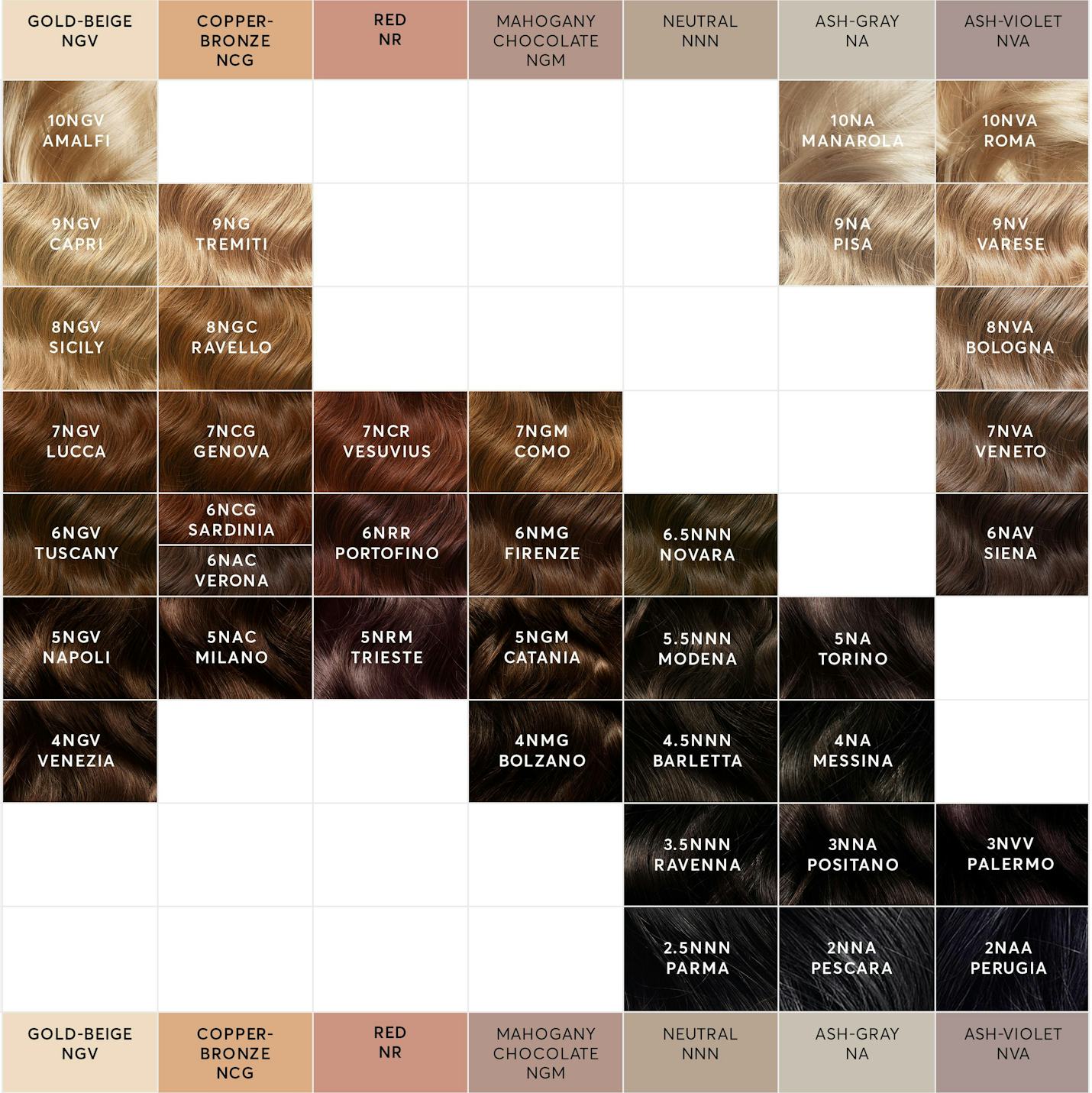
The hair color guide typically features a range of colors, organized into sections or families. You'll often find categories like "blonde," "brunette," "red," and "black," with further subdivisions for specific shades. Each color is usually represented by a swatch or a small square, showing the exact shade. Additionally, the chart may include a color wheel or a visual representation of color theory, which helps understand the relationships between colors.
Reading and Applying the Chart
To use the hair colors chart, start by identifying the color family you're interested in. Let's say you're looking for a specific shade of brown. Locate the "brunette" section and explore the various shades within. Each shade will have a unique code or number, which represents the specific formulation of that color. These codes are essential when purchasing hair dye, as they ensure you get the exact shade you want.
Here's a step-by-step guide:
- Identify the color family.
- Locate the specific shade you desire.
- Note the corresponding code or number.
- Use this code when purchasing hair dye to ensure an accurate match.
Variations and Differences
It's important to note that hair color charts may vary depending on the brand or manufacturer. Different companies may use slightly different shades or numbering systems. Additionally, the way hair reacts to dye can vary based on individual hair types and previous coloring treatments. Here are some key factors that can cause variations:
- Tone and depth: Hair color can appear different depending on the natural tone and depth of your hair.
- Previous coloring: If your hair has been dyed before, the new color may interact with the existing dye, resulting in a unique outcome.
- Hair type: The porosity and texture of your hair can affect how it absorbs and holds color.
- Environmental factors: Sun exposure and water quality can impact the longevity and vibrancy of your hair color.
When using a hair color chart, it's always a good idea to consult with a professional stylist, especially if you're aiming for a specific look or have unique hair characteristics. They can guide you towards the best shade and provide tips for achieving and maintaining your desired hair color.
Hey there! So, we've covered a lot of ground with this hair color chart, and I hope it's given you a clear picture of what you need to know. Remember, these charts are a great starting point, but exact details can differ slightly, so it's always good to double-check.
Feel free to explore our other guides; we've got plenty of practical tips and tricks to help you navigate the world of hair care and styling. Happy coloring!
Related: What's the lip piercing chart all about?
A common misconception about lip piercing charts is that they are solely for aesthetic purposes, but these charts are far more practical and informative than many realize. While they do showcase the various piercing placements and styles, their primary function is to guide and educate individuals on the different types of lip piercings and their specific details.
The lip piercing chart serves as a visual reference, offering insights into lip piercing placement, sizes, and even anatomy. It ensures that those interested in this body modification can make informed decisions and understand the unique characteristics of each piercing type. Whether it's the classic labret piercing or the iconic Monroe piercing, these charts provide a clear roadmap, ensuring an accurate and safe piercing experience.
Understanding the Lip Piercing Chart
The lip piercing chart is a valuable reference tool for anyone considering or already sporting a lip piercing. It provides a visual guide to the various types of lip piercings, their placements, and standard measurements. This chart simplifies the process of understanding lip piercings and helps individuals make informed decisions about their body modifications.
Key Details and Categories
The lip piercing chart typically includes a range of information. It showcases different lip piercing types, such as the popular monroe piercing, labret piercings, and more. Each piercing type is associated with specific anatomical placements on the lip, such as the center, corners, or above the lip. The chart also displays standard gauges or sizes for each piercing, usually measured in millimeters or fractions of an inch. These measurements indicate the thickness of the jewelry used for the piercing.
Reading the Chart: A Step-by-Step Guide
To utilize the lip piercing chart effectively, follow these steps:
- Identify the type of lip piercing you are interested in or already have.
- Locate the corresponding piercing type on the chart.
- Note the recommended gauge or size for that piercing, ensuring it aligns with your preferences or existing jewelry.
- If you are considering a new piercing, consult with a professional piercer to discuss the specific placement and size options suitable for your anatomy.
- For existing piercings, compare the chart's measurements with your current jewelry to ensure a proper fit and avoid discomfort.
Variations and Differences
It's important to note that lip piercing charts may vary depending on the standard being used. Different regions and piercing communities might have slightly different measurements or labels. Additionally, individual anatomy plays a significant role; what works for one person might not be ideal for another. Factors like lip thickness, skin elasticity, and personal comfort levels can influence the chosen gauge and placement.
Common Mistakes and How to Avoid Them
One common mistake is assuming that a single chart covers all piercing scenarios. While lip piercing charts provide valuable guidance, it's crucial to double-check exact specifications, especially when dealing with unique anatomy or specific piercing types. Another pitfall is ignoring aftercare instructions; proper care is essential for healing and maintaining a healthy piercing.
Practical Tips for Accurate Results
To ensure accurate results when using a lip piercing chart, consider the following:
- Consult with experienced piercers who can provide personalized advice based on your anatomy.
- Understand that the chart serves as a guide, and some adjustments might be necessary to suit your unique features.
- Stay informed about the latest piercing trends and techniques to make well-informed decisions.
- Prioritize your comfort and safety by choosing a reputable piercing studio and following aftercare guidelines diligently.
Well, there you have it! A comprehensive guide to lip piercing charts, covering all the essential information you need to know. Remember, these charts are a great tool, but it's always wise to ensure you're using the right one for your specific situation.
So, before you dive in, double-check your context and requirements to ensure you're getting the most accurate and relevant information. This chart is a handy reference, so feel free to bookmark this page for future use. It's a quick and easy way to refresh your memory whenever you need a piercing guide.
Related: Decoding Theme Anchor Charts: A Simple Guide
You've stumbled upon the theme anchor chart, a handy tool that's a real lifesaver for quick reference and understanding. It's like having a secret weapon, a simple yet powerful visual guide that keeps you on track.
This chart is your go-to for theme-related queries, offering a clear and concise way to navigate and apply themes. While some details may vary depending on context, the theme anchor chart provides a solid foundation, ensuring you're equipped with the right knowledge.
What is a Theme Anchor Chart?
A theme anchor chart is a visual tool designed to help identify and understand the underlying themes in a text or story. It provides a structured framework to analyze and interpret narratives, making it a valuable resource for readers, writers, and educators alike. These charts are particularly useful for literary analysis, helping to uncover the deeper meanings and messages within a piece of writing.
Comparing Theme Anchor Chart Formats
There are various formats and styles of theme anchor charts, but they generally share common elements. The charts often feature a central theme or topic, with supporting details and examples branching out. These details can include character motivations, setting influences, symbolic elements, and recurring motifs. The structure allows users to visually connect these elements to the main theme, aiding in a comprehensive understanding of the text's message.
Step-by-Step Guide to Using a Theme Anchor Chart
Using a theme anchor chart is a straightforward process:
Identify the Main Theme: Start by determining the primary theme or idea that the text revolves around. This could be a moral lesson, a social issue, or an emotional journey, for instance.
Gather Supporting Details: Look for elements in the text that reinforce or relate to the main theme. This could include specific scenes, character actions, or even word choices that contribute to the overall message.
Plot on the Chart: Place the identified theme at the center of your chart. Then, branch out with supporting details, creating a visual representation of how these elements connect to and reinforce the theme.
Analyze and Interpret: Review your completed chart to gain a deeper understanding of the text. Consider how the various elements work together to convey the theme and the overall message the author intended.
Common Misinterpretations and How to Avoid Them
While theme anchor charts are a powerful tool, they can be misinterpreted if not used correctly. One common mistake is over-simplifying the theme. Themes are often complex and multi-faceted, so it's essential to consider various aspects and not reduce them to simplistic interpretations. Another pitfall is focusing solely on the chart and neglecting the text itself. The chart is a tool to enhance understanding, but the analysis should always be grounded in the text's content and context.
Factors Affecting Theme Anchor Chart Accuracy
The accuracy of a theme anchor chart depends on several factors. Firstly, the chart's effectiveness relies on a thorough understanding of the text. Readers must carefully analyze the narrative, considering its nuances and subtleties. Additionally, the chart's structure and design can impact its usefulness. A well-designed chart should be clear, organized, and flexible enough to accommodate various themes and texts.
Adapting Theme Anchor Charts for Specific Needs
Theme anchor charts are versatile and can be adapted for different purposes. For instance, educators can create customized charts to align with specific learning objectives or curriculums. Writers can use them as a tool to develop and refine their themes, ensuring a coherent and impactful narrative. Moreover, charts can be tailored to different genres, with variations for poetry, fiction, non-fiction, or even visual narratives like films or graphic novels.
Maintaining Reliability for Future Use
To ensure the reliability of theme anchor charts for future use, it's essential to maintain a consistent approach. This includes using a standardized format, ensuring clarity in labeling and categorization, and regularly updating charts to reflect new insights or interpretations. Additionally, encouraging open dialogue and feedback can help refine and improve the chart's effectiveness over time. By treating the chart as a living document, it can evolve to meet the changing needs and understandings of its users.
Well, there you have it! A comprehensive guide to theme anchor charts and their practical use. You should now feel equipped to create your own chart, tailor it to your needs, and avoid any potential pitfalls.
Remember, while this guide offers a solid framework, your specific context matters. Double-check your requirements and adapt the chart to suit your unique situation.
If you're keen to explore more practical tips and guides, feel free to browse our other resources. We've got a range of topics covered, so you're sure to find something useful. Happy learning!