






Reta Dosing Chart Editable Overview
The Brooks size chart is a valuable tool for anyone seeking accurate sizing information, offering a simple and effective way to find the right fit. This guide will navigate you through the various charts and sizing guides Brooks provides, ensuring you understand the process and can make an informed choice. Whether you're after a precise shoe size or need to find the perfect bra fit, these charts are designed to simplify the process, and we'll explore how to utilize them effectively.
Understanding the Brooks Size Chart
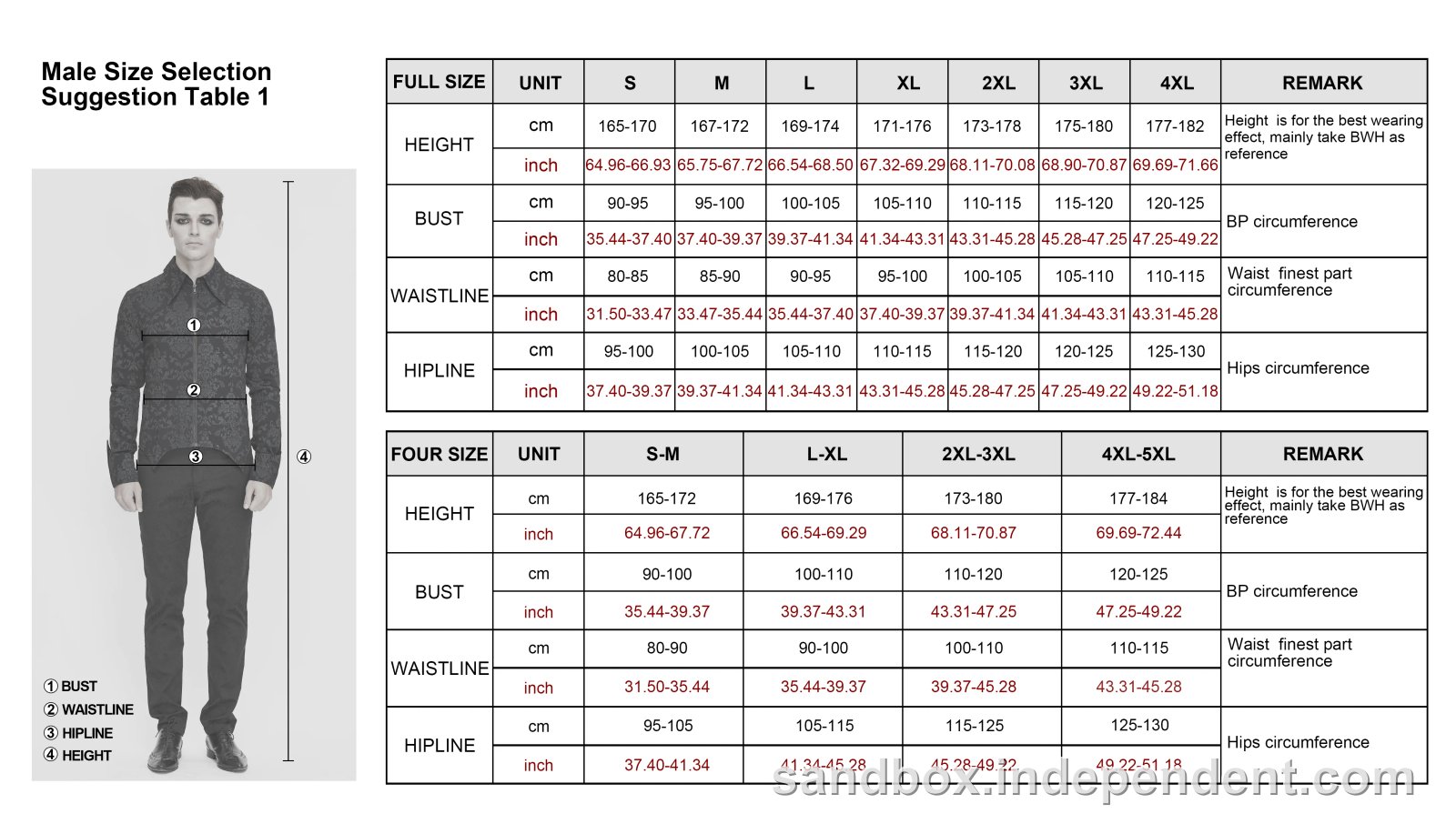
The Brooks size chart is a valuable tool for anyone looking to find their perfect fit in Brooks footwear and apparel. It provides a comprehensive guide to help you determine your ideal size across various Brooks products, ensuring a comfortable and precise fit. This chart serves as a reference, offering size conversions and measurements to assist you in making informed choices.
Key Details and Categories
The Brooks size chart covers a range of sizes, typically starting from smaller sizes like 5 or 6 and extending up to larger sizes, such as 12 or 13, depending on the product category. It includes both men's and women's sizes, with separate charts for shoes and apparel. The shoe size chart provides measurements in both US and UK sizes, offering a conversion guide for international customers. For apparel, the chart typically uses standard sizing categories like small, medium, and large, with specific measurements for each category.
Step-by-Step Guide: Reading and Applying the Size Chart
To utilize the Brooks size chart, follow these steps:
- Identify the product category you are interested in, whether it's shoes or apparel.
- Locate the corresponding size chart for your gender.
- For shoes, find your US or UK size and refer to the provided measurements. Ensure you measure your foot length accurately, as this is crucial for a precise fit.
- In the case of apparel, identify your size category (e.g., small, medium) and refer to the provided measurements for chest, waist, and hip sizes.
- Compare your measurements with the size chart to determine the best fit. If your measurements fall between sizes, consider opting for the larger size for a more comfortable fit.
- Remember, the Brooks size chart serves as a guide, and individual preferences may vary. It's always a good idea to try on the product to ensure the perfect fit.
Size Variations and Differences
It's important to note that size variations can occur across different Brooks products and even within the same product line. These variations may be due to factors such as the intended use of the product, the materials used, or design differences. For instance, running shoes might have a slightly different fit compared to casual footwear. Additionally, Brooks may offer specialized fits, like wide or narrow options, to cater to individual foot shapes. Always refer to the specific size chart for the product you are interested in to ensure accuracy.
Common Mistakes and How to Avoid Them
When using the Brooks size chart, avoid these common mistakes:
- Relying solely on your usual shoe size without considering the specific fit of Brooks shoes.
- Neglecting to measure your feet accurately, especially if you're between sizes.
- Assuming that all Brooks apparel will fit the same; always refer to the size chart for each product.
- Failing to account for personal preferences; some may prefer a tighter or looser fit, so consider your comfort level.
- Not checking the size chart for any specific fit options, like wide or narrow, that may be available. By being mindful of these potential pitfalls, you can ensure a more accurate and satisfying shopping experience with the Brooks size chart.
Well, there you have it! A simple yet effective guide to understanding Brooks' size chart. Remember, these charts are a great tool, but it's always wise to confirm the specific details for your unique needs.
Don't forget to keep this page handy for future reference. It's a quick and easy way to ensure you're on the right track when it comes to sizing, and it might just save you some time and hassle down the line. Consider it your go-to resource for a smooth and stress-free sizing experience.
Related: How to Read a Bangle Size Chart?
You're here because you need a simple solution, and the bangle size chart is your answer. This handy tool, whether a visual guide or a reference table, is a quick way to get the right bangle size. It's a straightforward process, but with so many options, it's easy to get confused. So, let's keep it simple and ensure you find the perfect fit. The chart may vary, offering different measurements and standards, but we'll navigate that together, ensuring you understand the key details.
Bangle Size Chart: A Simple Guide
The bangle size chart is a handy tool that helps you find the perfect fit for your bangles or bracelets. It's a reference guide that provides measurements and sizes to ensure you get the right size every time. This chart is especially useful when shopping online or if you're unsure about your wrist size.
Key Details and Measurements
Before we dive in, let's understand the basics. The bangle size chart typically includes two main measurements: the inner circumference and the diameter. The inner circumference is the distance around the inside of the bangle, while the diameter is the width across the opening. These measurements are usually provided in inches or centimeters, depending on the standard used. It's important to note that different regions and manufacturers may have slight variations in their charts, so always check the specific guidelines.
Reading the Chart and Sizing Your Bangles
Using the bangle size chart is straightforward. Here's a step-by-step guide:
Measure your wrist: Take a flexible measuring tape and wrap it around your wrist at the point where you'd like to wear the bangle. Ensure it's snug but not too tight. Note down the measurement in inches or centimeters.
Find your size: Refer to the bangle size chart. Look for the column or section that matches your wrist measurement. The chart will provide you with the corresponding bangle size, often labeled with letters or numbers.
Choose the right size: Select the bangle size that aligns with your wrist measurement. If your wrist measurement falls between two sizes, it's generally recommended to go for the larger size for a comfortable fit.
Consider the bangle style: Some bangles are designed to be worn loosely, while others are meant to fit snugly. Adjust your choice based on the style and your personal preference.
Double-check: If you're ordering online, ensure the retailer provides accurate size guides and specifications. It's always a good idea to cross-reference with multiple sources to ensure an accurate fit.
Variations and Differences to Consider
While bangle size charts are a great starting point, there can be variations across different standards and contexts. Here are some factors to keep in mind:
- Wrist circumference: The size of your wrist can vary based on factors like bone structure, muscle tone, and personal preferences for a snug or loose fit.
- Bangle style: Different bangle designs may have unique sizing requirements. For example, hinged bangles often have a different fit compared to open-ended styles.
- Material: The flexibility and stretch of the bangle material can impact the sizing. Some materials, like resin or plastic, may have more give, while metals like silver or gold may be more rigid.
- Personal comfort: Ultimately, the right size is the one that feels comfortable to you. Trust your instincts and choose a size that allows for easy wear and removal.
Remember, the bangle size chart is a practical tool to guide you, but it's always a good idea to check specific brand guidelines and consider your personal preferences for a perfect fit.
Hey there, I hope this bangle size chart has been a helpful tool for you! Remember, when it comes to these charts, the exact values might differ slightly depending on the source or standard you're using. It's always a good idea to double-check and ensure you're using the right measurements for your specific needs.
Feel free to explore our other guides and resources on similar topics. We've got plenty of practical tips and tricks to share, so make sure to check them out and keep learning!
Related: Understand NPT Thread Chart: A Quick Guide
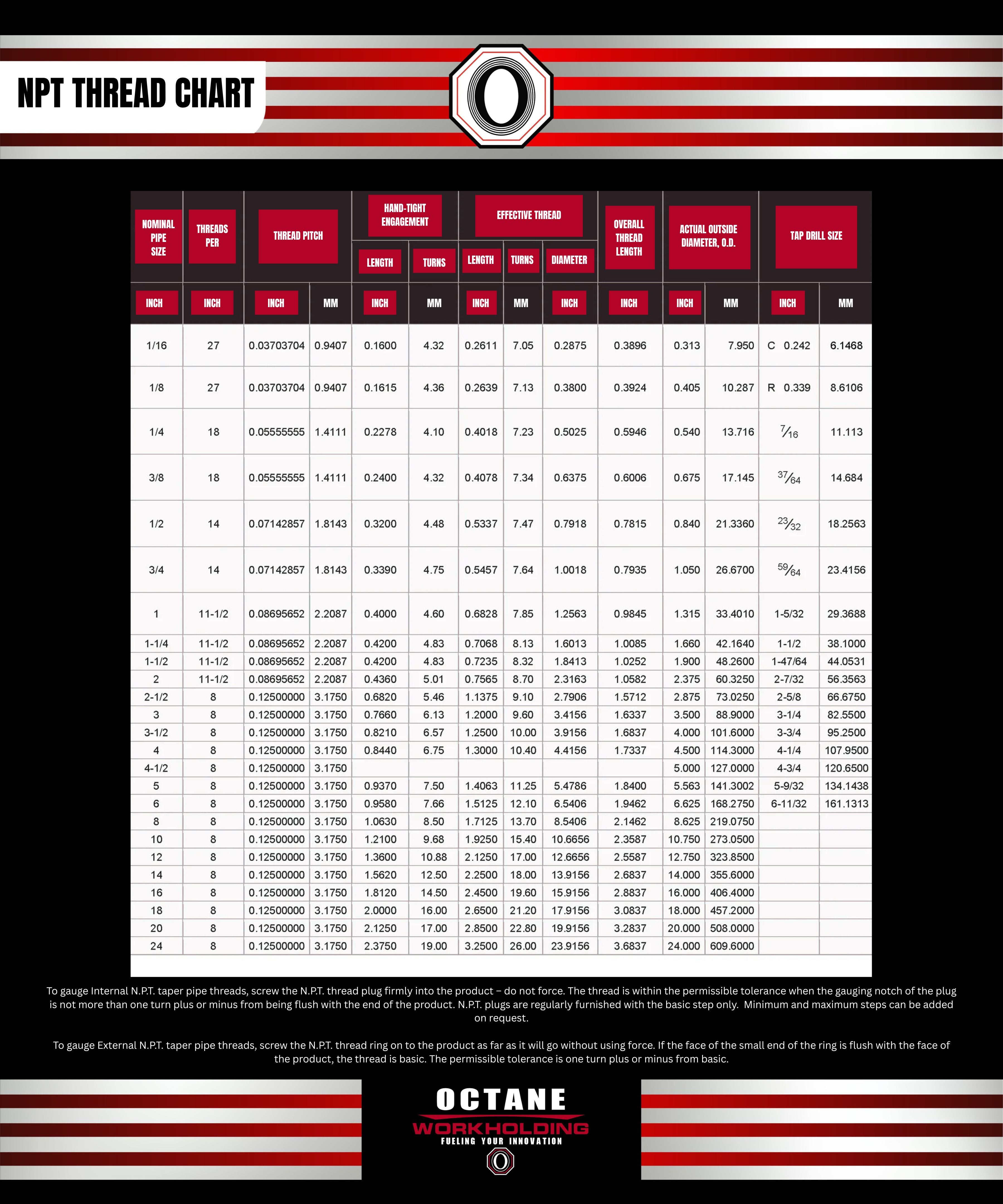
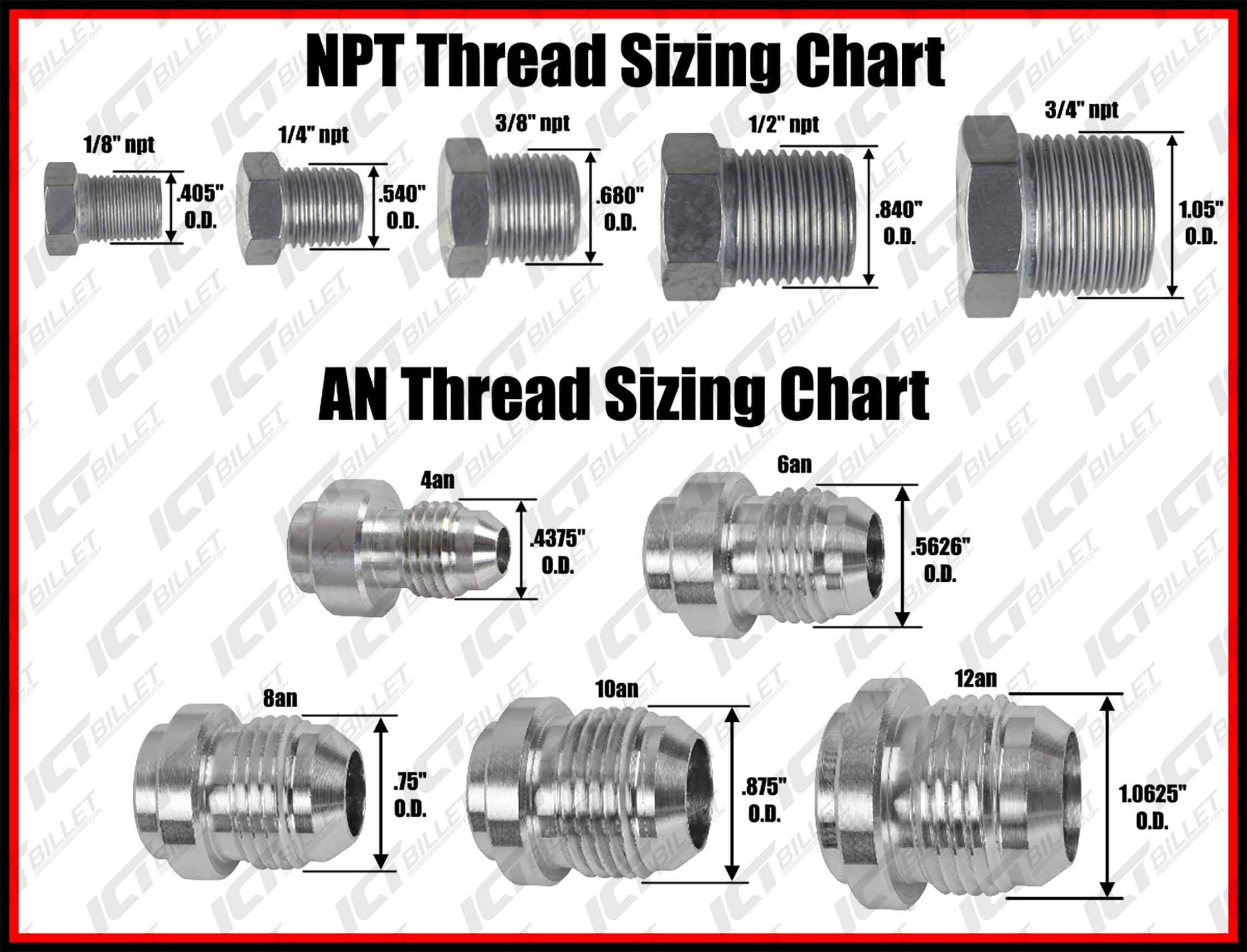
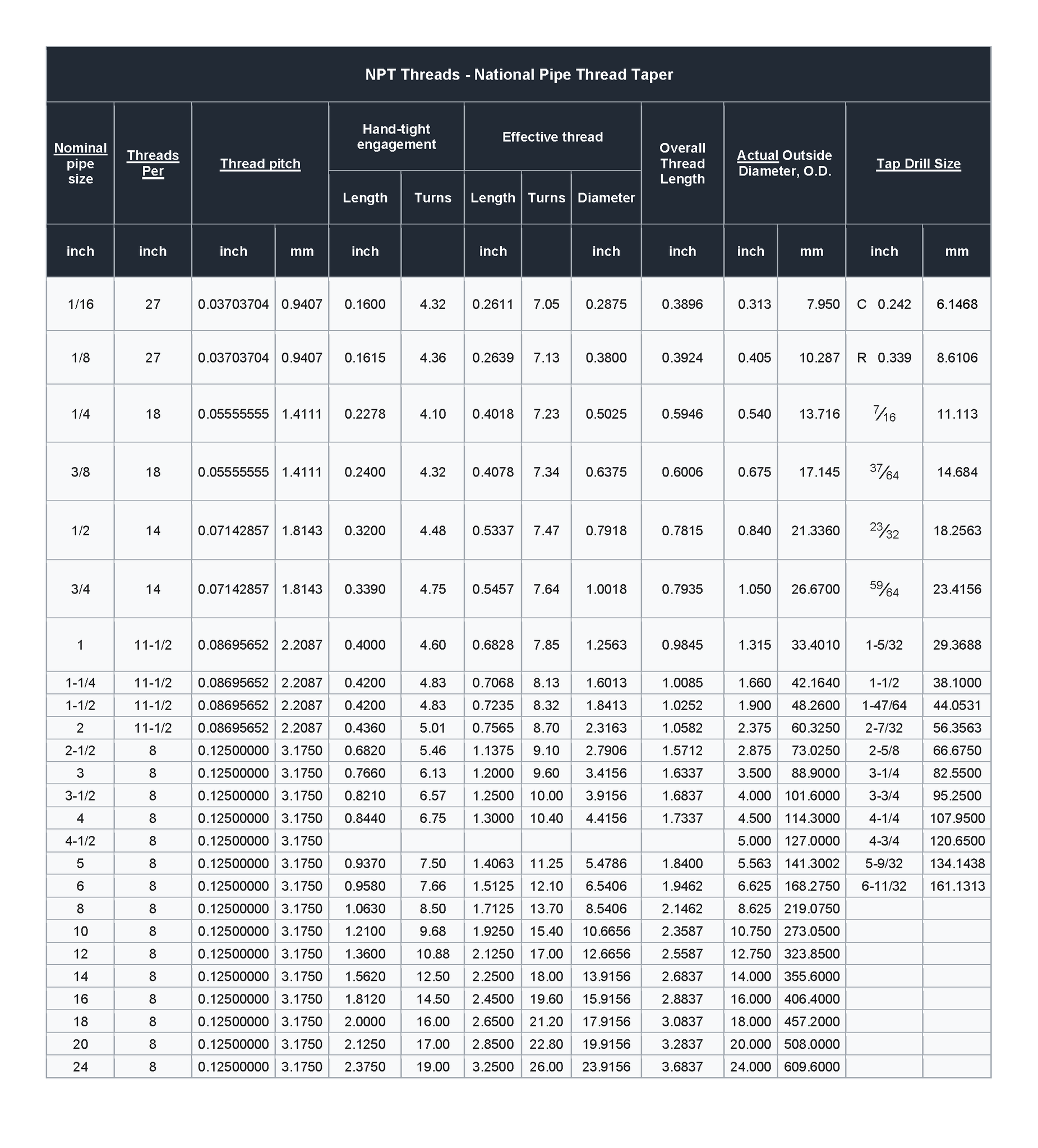
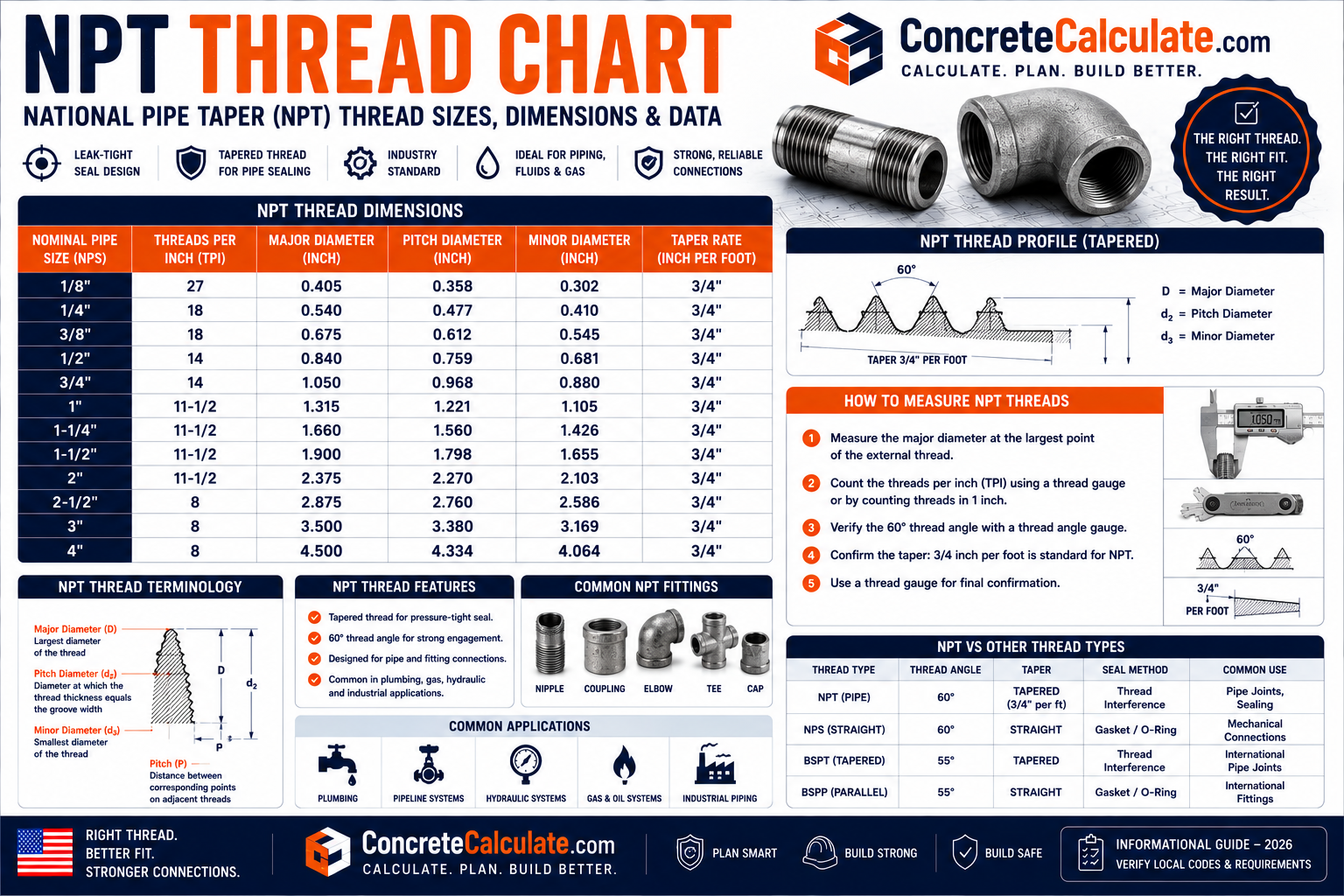
A common misconception about the NPT thread chart is that it's solely for professionals; however, this handy reference tool is accessible to anyone seeking precise thread information. The chart, often presented as a concise table or diagram, serves as a quick guide to understanding and identifying different NPT thread dimensions and standards. It's an essential resource for those working with pipes and fittings, offering a clear overview of the various thread types and their specifications.
Understanding the NPT Thread Chart
The NPT thread chart is a valuable reference tool for anyone working with pipe fittings and connections. It provides a comprehensive overview of the National Pipe Thread standards, offering a quick and accurate way to identify and select the right thread size and type for your needs. This chart is an essential guide for engineers, plumbers, and anyone dealing with fluid systems and piping.
Key Details and Categories
The NPT thread chart typically includes columns for thread size, pitch, and depth, along with other relevant specifications. Thread size refers to the nominal size of the pipe, usually in inches, and is a critical factor in ensuring a proper fit. Pitch, measured in threads per inch, indicates the spacing between threads, while depth refers to the height of each thread. Other details may include the thread's taper and the recommended sealing method. It's important to note that the chart's measurements and categories are based on the NPT standard, which is widely used in the United States.
Reading and Applying the Chart: A Step-by-Step Guide
- Identify the nominal pipe size you require. This is usually specified by the system or component you are working with.
- Locate the corresponding size on the NPT thread chart. The chart typically lists sizes in ascending order, making it easy to find.
- Check the thread pitch and depth for your chosen size. These values ensure a compatible fit with other components.
- Note any additional specifications, such as the thread's taper or sealing recommendations. These details are crucial for a secure and leak-free connection.
- Select the appropriate fittings and components based on the chart's specifications. Ensure that all parts align with the NPT standard for a proper seal.
Variations and Differences Across Standards
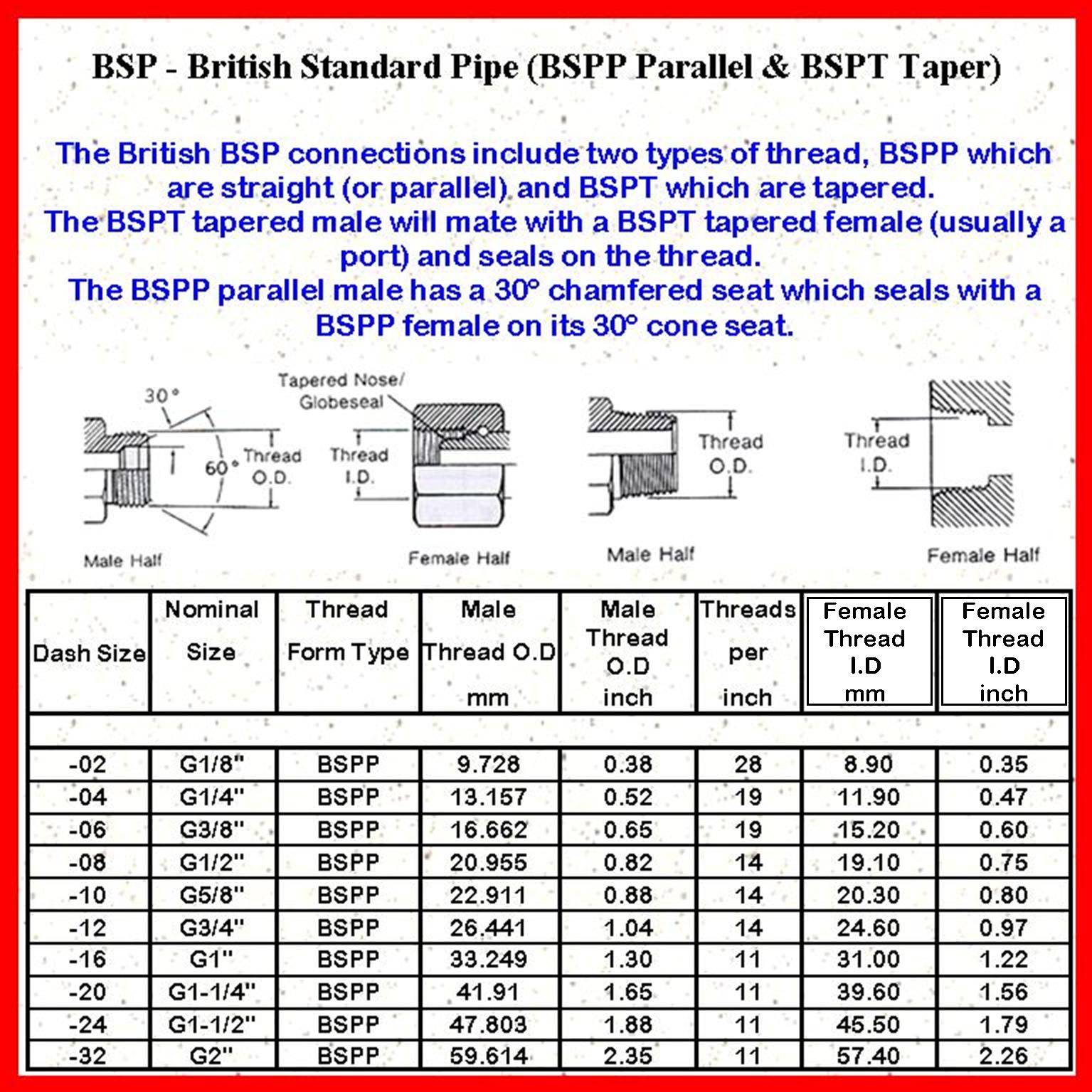
While the NPT thread chart provides a comprehensive guide, variations can occur due to different standards and regional practices. For instance, the NPT standard is specific to the United States, and other countries may use different thread standards, such as the metric system. Additionally, within the NPT standard, there are variations like the NPTF (dryseal) and NPSM (straight mechanical) threads, each with unique specifications. It's essential to double-check the exact standard and any specific requirements for your project to avoid compatibility issues.
Common Mistakes and How to Avoid Them
One of the most common mistakes is assuming that all pipe threads follow the NPT standard. Always confirm the thread standard for your project, especially when working internationally or with specialized systems. Another pitfall is overlooking the thread's taper, which can lead to leaks or poor connections. The NPT thread chart includes this information, so be sure to check it. Finally, remember that while the chart provides a guide, exact specifications and tolerances may vary slightly between manufacturers. Always refer to the manufacturer's documentation for precise details, especially for critical applications.
Well, that's a wrap on our guide to the NPT thread chart. We've covered a lot of ground, from the basics to the practical application, and I hope it's given you a clear understanding of this useful reference tool.
Remember, while this guide provides a solid foundation, it's always wise to verify the specific details for your unique situation. Exact values and standards can vary, so double-check the relevant sources for your project. Consider this page bookmarked for a quick refresh whenever you need a reminder!