


Rifle Recoil Chart Editable Overview
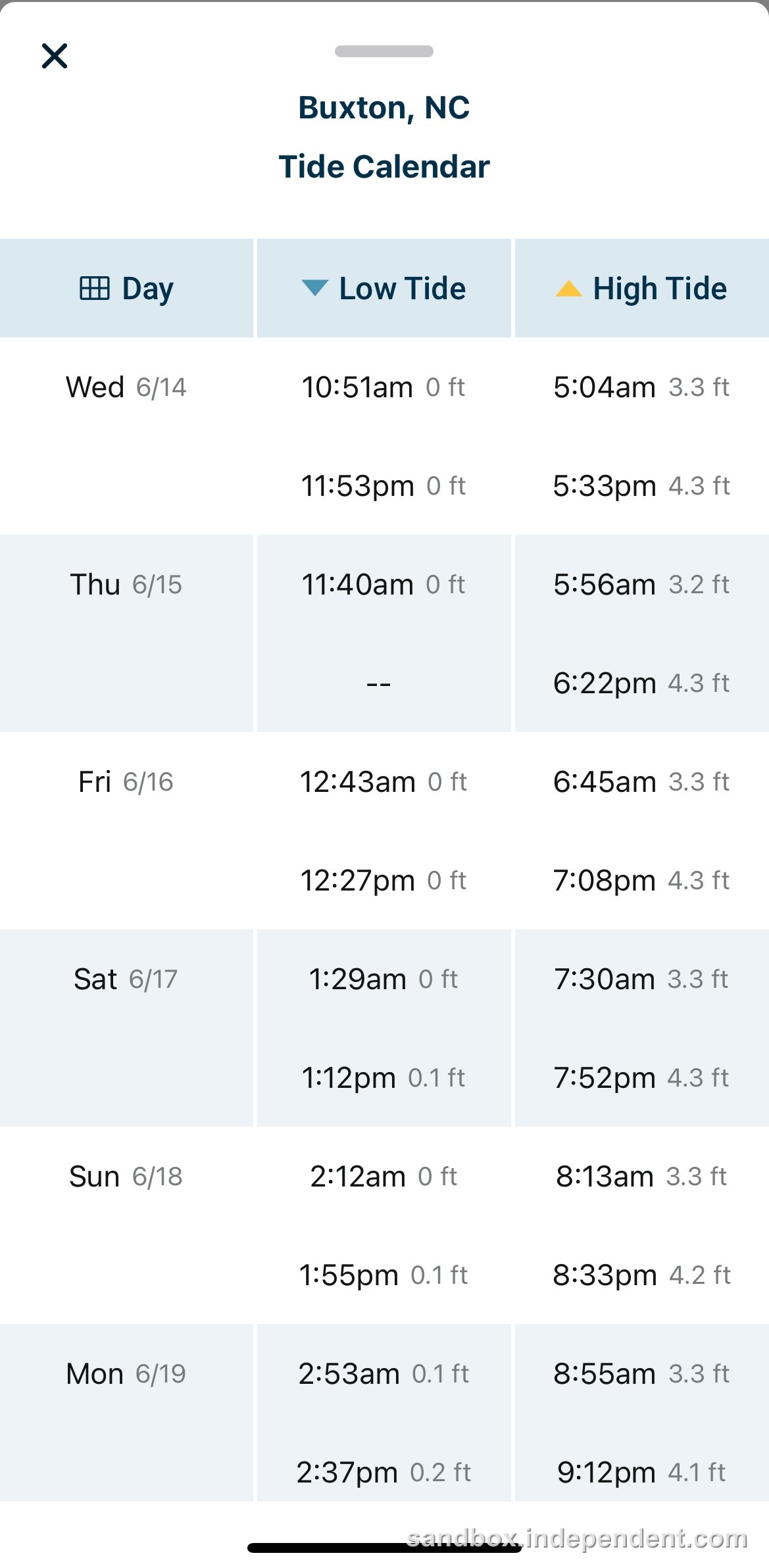
You've landed here because you need a reliable, quick reference for your Newport tide chart. This essential tool, whether a chart, table, or diagram, provides crucial information for your planning and activities. It's a simple yet powerful resource, offering a snapshot of tidal movements and water levels for Newport and its surrounding areas.
The beauty of the Newport tide chart is its precision and ease of use. While the specific values and formats may vary depending on your region and the source of the data, the core purpose remains the same: to provide an accurate and accessible guide to Newport's tidal rhythms. Whether you're a sailor, fisherman, or just a curious beachgoer, this chart is your key to understanding and navigating the ebb and flow of Newport's waters.
Understanding Newport Tide Charts
Newport tide charts are an essential tool for anyone planning coastal activities, offering a glimpse into the ebb and flow of tide heights and water levels in the region. These charts provide a visual representation of the tidal patterns, helping users navigate the waters safely and efficiently.
Key Details and Categories
The newport tide chart typically displays two main categories: tide times and tide heights. Tide times indicate the specific moments when the tide will be at its highest or lowest points, often referred to as high tide and low tide. These times are crucial for planning activities such as boating, fishing, or beachcombing. Tide heights, on the other hand, represent the vertical difference between high and low tide, providing an understanding of the water's depth and movement.
Reading and Applying the Chart: A Step-by-Step Guide
- Begin by identifying the date and time for which you need the tide information. Newport tide charts often cover a specific period, so ensure you are referring to the correct chart for your intended activity.
- Locate the tide times on the chart. These are usually marked with clear indicators, such as "High Tide" and "Low Tide," along with the corresponding time.
- Once you have the tide times, you can plan your activities accordingly. For instance, if you're boating, you might want to time your departure or arrival with the high tide to ensure sufficient water depth.
- The tide heights section of the chart provides additional insights. It shows the difference in water levels between high and low tide, which is particularly useful for understanding the current flow rates and potential changes in water depth.
- Remember, these charts are a guide, and actual conditions may vary slightly due to weather or other environmental factors. Always exercise caution and stay updated with the latest weather reports and marine forecasts.
Common Variations and Safety Considerations
While newport tide charts are highly accurate, it's important to note that variations can occur due to several factors. Weather conditions, such as strong winds or storms, can influence tide levels and times. Additionally, certain coastal areas may experience unique tidal patterns due to their geographical features. It's crucial to cross-reference the chart with real-time observations and local knowledge, especially in unfamiliar locations. Safety should always be a priority when relying on tide charts, so stay informed and be prepared for any unexpected changes in tide behavior.
It's always a good idea to familiarize yourself with the unique tidal patterns of any new location you visit. While the Newport tide chart provides a reliable reference, remember that exact values can vary, so it's wise to double-check with local sources for the most accurate and up-to-date information.
Feel free to bookmark this page for future reference. It's a handy tool to have on hand when planning your next coastal adventure or activity, ensuring you're always prepared and making the most of the tides.
Related: What is the vocal ranges chart?
Many people mistakenly believe that vocal ranges charts are complex and intimidating, but in reality, they are a simple and powerful tool for singers and vocal enthusiasts. These charts, often presented as visual guides, provide a clear overview of the different voice types and their respective ranges. While the specifics may vary slightly depending on the source, the vocal ranges chart serves as an accessible reference, helping singers navigate and understand their vocal potential.
Understanding the Chart: An Overview
The vocal ranges chart is a handy reference tool for singers and vocal enthusiasts. It provides a visual representation of the different vocal ranges, helping you identify and understand your voice type and its capabilities. This chart is a great starting point for anyone wanting to explore their singing potential and improve their vocal technique.
Comparing Voice Types and Ranges
The chart typically categorizes vocal ranges into several standard types, including soprano, mezzo-soprano, alto, tenor, baritone, and bass. Each category has a specific range of notes, shown as a visual scale, that defines the voice's capabilities. For instance, a soprano voice, often associated with higher pitches, has a range that extends to the higher end of the scale.
How to Read and Use the Chart
Using the vocal ranges chart is straightforward:
- Identify your voice's general range by singing through a scale or using a pitch-detecting app.
- Locate your lowest and highest comfortable notes.
- Refer to the chart and match your range with the closest vocal type.
- Use this information to choose songs that suit your voice and explore your vocal potential.
For example, if your range aligns with the soprano category, you'll know you can comfortably sing higher-pitched songs.
Common Misconceptions and Pitfalls
One common mistake is assuming that the chart provides an exact, rigid definition of your voice type. In reality, vocal ranges can overlap, and some voices may not fit neatly into one category. It's essential to understand that the chart is a guide, and your voice may have unique characteristics that set it apart. Additionally, factors like age, training, and vocal health can influence your range, so regular assessment is beneficial.
Factors Affecting Accuracy and Real-World Use
Several key factors can impact the accuracy of the vocal ranges chart and its real-world application:
- Age and Development: Vocal ranges can change as you age, especially during puberty and early adulthood.
- Training and Practice: Consistent vocal training can expand your range and improve your technique.
- Vocal Health: Illness, strain, or damage to the vocal cords can temporarily alter your range.
- Musical Style and Genre: Different music genres may require specific vocal ranges or techniques.
Adapting the Chart for Specific Needs
While the standard vocal ranges chart is a great starting point, it might not cater to everyone's needs. For instance, some charts provide more detailed subdivisions for specific voice types, offering a more precise guide. Others might use different measurement systems or cater to non-traditional vocal styles. It's essential to choose a chart that aligns with your musical goals and preferences. If you're unsure, consulting a vocal coach or expert can provide valuable guidance.
Hey there! I hope this vocal ranges chart guide has been a helpful tool for you. Remember, these charts are a great reference, but they are not set in stone; the exact details might differ slightly based on your specific needs and the context.
Feel free to explore other guides and resources to deepen your understanding. And don't forget to bookmark this page for future reference; it's always handy to have these tools at your fingertips!
Related: How to Read a Puppy Shot Chart?
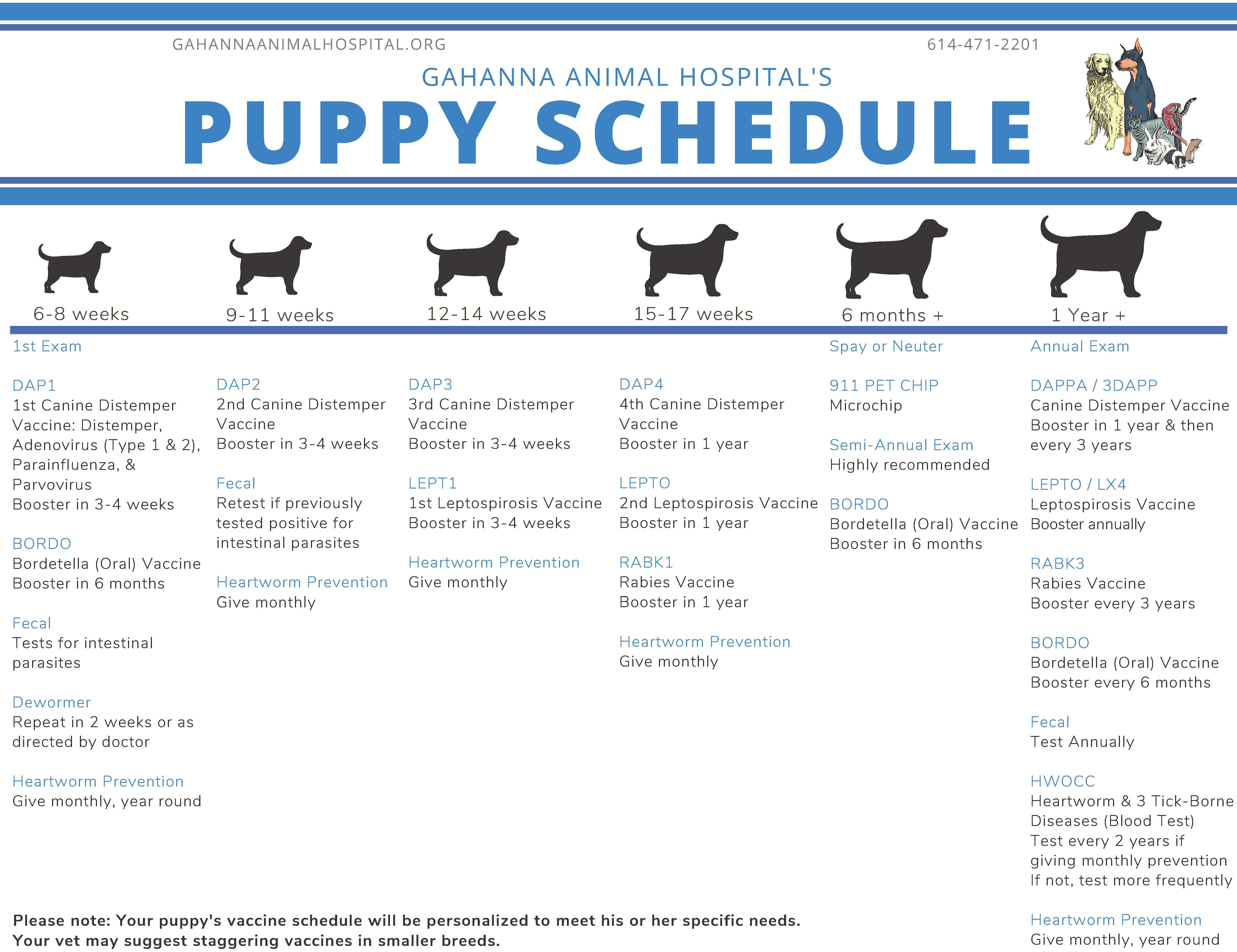
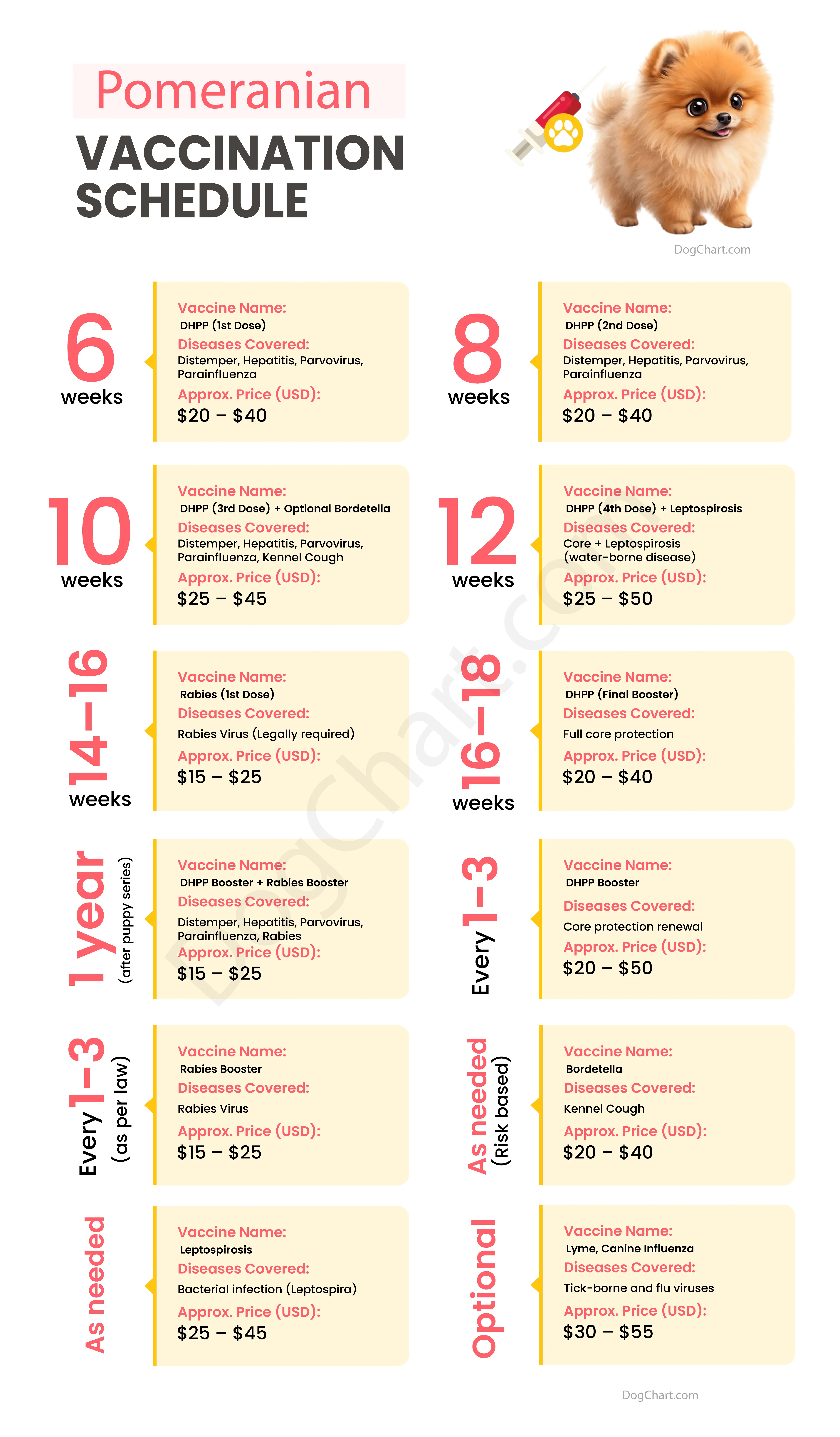
A puppy shot chart is a handy tool for any pet owner, offering a clear overview of your pup's vaccine journey. This guide will navigate you through the essential info, ensuring you understand the basics of reading and using the chart effectively.
It's a simple yet powerful reference, providing a snapshot of your puppy's health and the crucial vaccinations they need. While the specific values and formats may vary, the puppy shot chart remains a reliable companion, guiding you through the core and non-core vaccine protocol.
Understanding the Puppy Shot Chart
The puppy shot chart is a valuable tool for dog owners, providing a clear guide to vaccinating your furry friend. It's essentially a roadmap, ensuring your puppy gets the right vaccines at the right time. This chart simplifies the process, helping you keep track of your puppy's health and ensuring they receive the necessary protection.
Comparing Vaccine Options and Standards
When it comes to puppy vaccines, there are two main categories: core and non-core vaccines. Core vaccines are essential and recommended for all puppies, protecting against serious, often life-threatening diseases. These typically include distemper, parvovirus, adenovirus, and rabies. Non-core vaccines, on the other hand, are optional and depend on your puppy's lifestyle and risk factors. Examples include vaccines for leptospirosis, Lyme disease, or bordetella (kennel cough). The puppy shot chart will usually list these vaccines separately, allowing you to make informed decisions with your vet.
Step-by-Step Guide to Using the Chart
Here's a simple process to follow when using the puppy shot chart:
Start by familiarizing yourself with the chart. It will typically list the vaccine type, the recommended age or time interval for administration, and sometimes the dosage or volume.
Begin vaccinations early. Puppies are generally given their first set of core vaccines between 6 and 8 weeks of age. This early start is crucial as it helps build their immunity quickly.
Follow the recommended schedule. The chart will guide you on when to give subsequent doses. For core vaccines, these are usually given every 3-4 weeks until the puppy is around 16-18 weeks old.
Discuss non-core vaccines with your vet. Based on your puppy's lifestyle and exposure risks, your vet may recommend additional vaccines. The chart can help you keep track of these too.
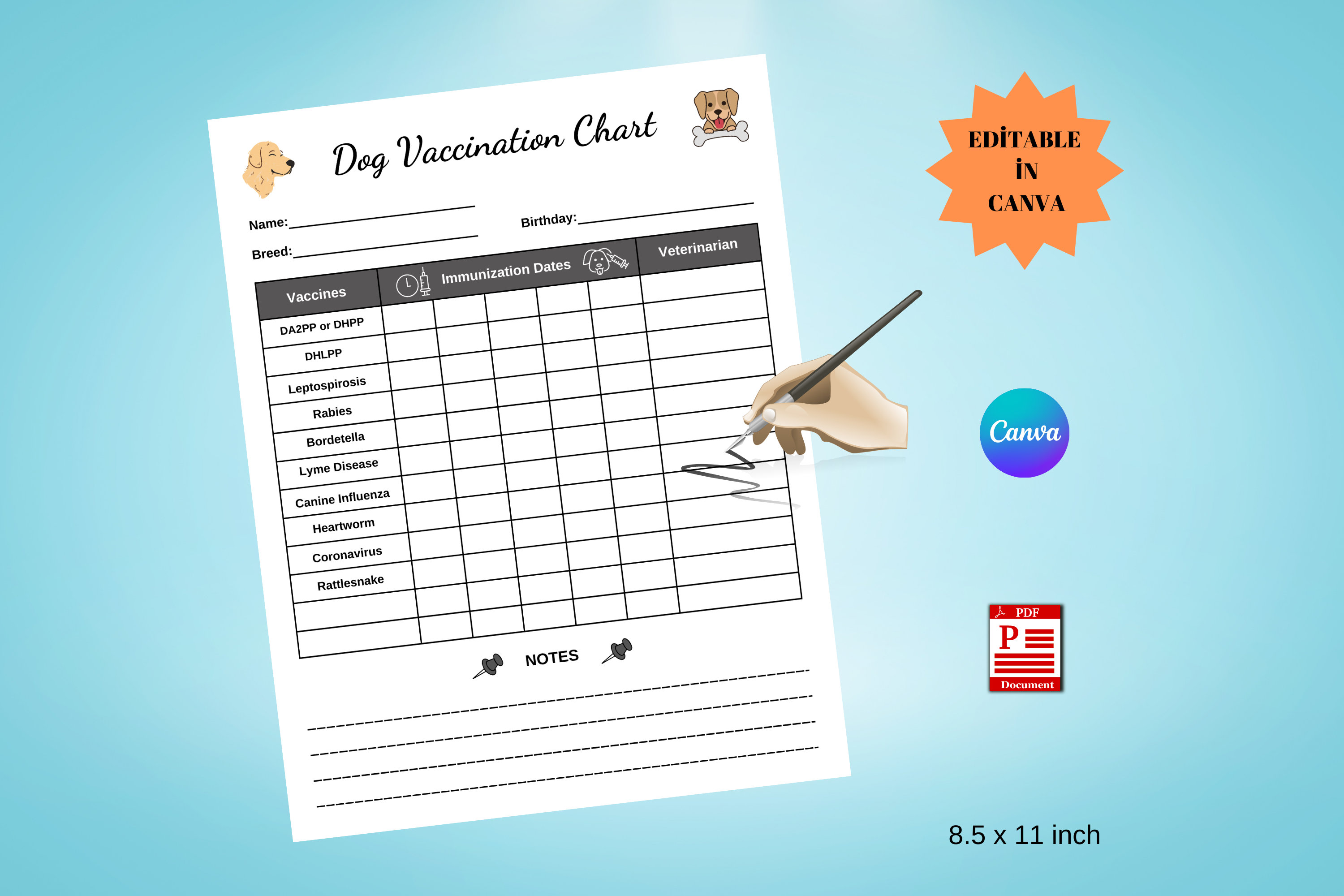
Keep a record. It's a good idea to maintain a shot record or health chart for your puppy. This ensures you stay on top of their vaccination schedule and provides a clear history for future reference.
Avoiding Common Misreadings and Pitfalls
While the puppy shot chart is straightforward, there are a few potential pitfalls to watch out for:
Age vs. Weight: Some charts may list vaccine doses based on weight rather than age. Always ensure you're following the correct guidelines for your puppy's age.
Core vs. Non-Core: Distinguish between core and non-core vaccines. Core vaccines are essential, while non-core ones are optional. Your vet will guide you on the best choices for your puppy.
Multiple Doses: Remember that some vaccines require multiple doses to be effective. The chart will guide you on the timing of these doses.
Key Factors Affecting Accuracy and Real-World Use
Several factors can influence the accuracy and application of the puppy shot chart:
- Breed and Size: Different breeds and sizes of puppies may have slightly varied vaccine schedules. Always consult your vet for breed-specific advice.
- Health Status: A puppy's overall health can impact the vaccine protocol. Puppies with certain health conditions may require adjusted timing or doses.
- Lifestyle and Environment: Your puppy's lifestyle and the environment they're exposed to can influence the choice of non-core vaccines. For example, a puppy that spends a lot of time outdoors may need different vaccines than one that mostly stays indoors.
- Regional Differences: Vaccine protocols can vary slightly between regions or countries. Always check with your local vet for the most accurate and up-to-date information.
Adapting the Chart to Your Needs
While the puppy shot chart provides a standard guide, it can be adapted to suit specific needs:
Customizable Charts: Some charts allow you to input your puppy's details, such as breed, age, and weight, to generate a personalized vaccine schedule.
Digital Tools: There are digital puppy health charts and apps that can help you track your puppy's vaccinations and overall health. These can send reminders and provide additional information.
Veterinary Advice: Your vet is the best resource for adapting the chart to your puppy's unique needs. They can guide you on any adjustments needed based on your puppy's health and lifestyle.
Hey there, fellow pet parents! We hope this guide has given you a clear picture of the puppy shot chart and its importance. Remember, while we've covered the basics, the exact details might differ slightly based on your specific circumstances and the recommendations of your veterinarian.
Feel free to bookmark this page for future reference, and don't forget to explore our other guides for more practical pet care tips!