




Rifle Recoil Chart Sheet Overview
"Vuori size chart" is your trusted companion when shopping for the perfect fit. This guide will walk you through the essentials, ensuring you understand how to navigate and utilize this valuable tool effectively.
The Vuori size chart is a simple yet powerful resource, offering a clear and concise overview of sizing options. It's a quick reference, ensuring you find the right fit for Vuori's activewear and apparel. While standards can vary, this chart provides a reliable starting point for your sizing journey.
Understanding the Vuori Size Chart
The Vuori size chart is a handy tool that helps you find the perfect fit for your activewear. It's a simple guide that ensures you get the right size for your body and the style you want. This chart is a great way to shop with confidence, especially when buying online.
Key Details and Categories
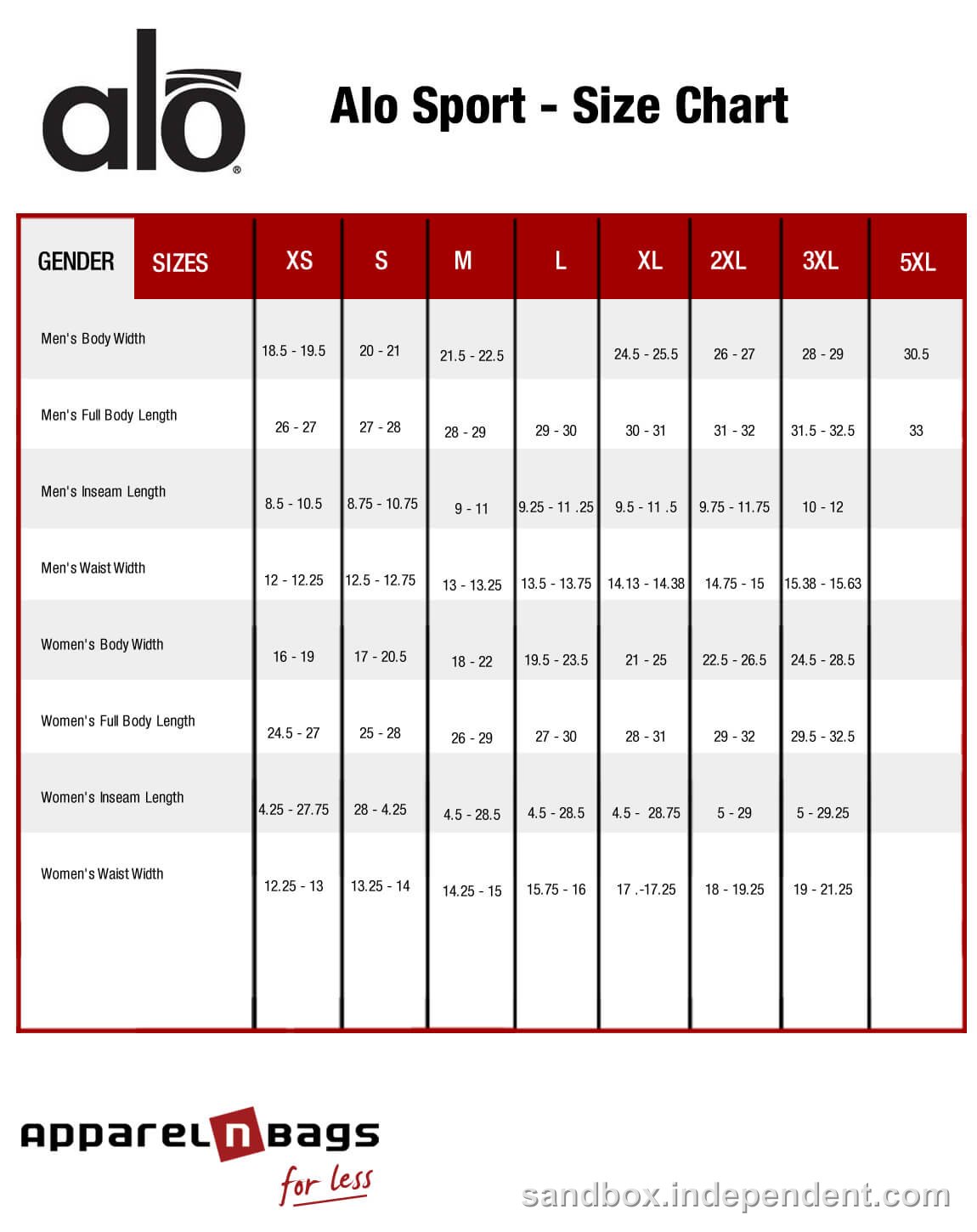
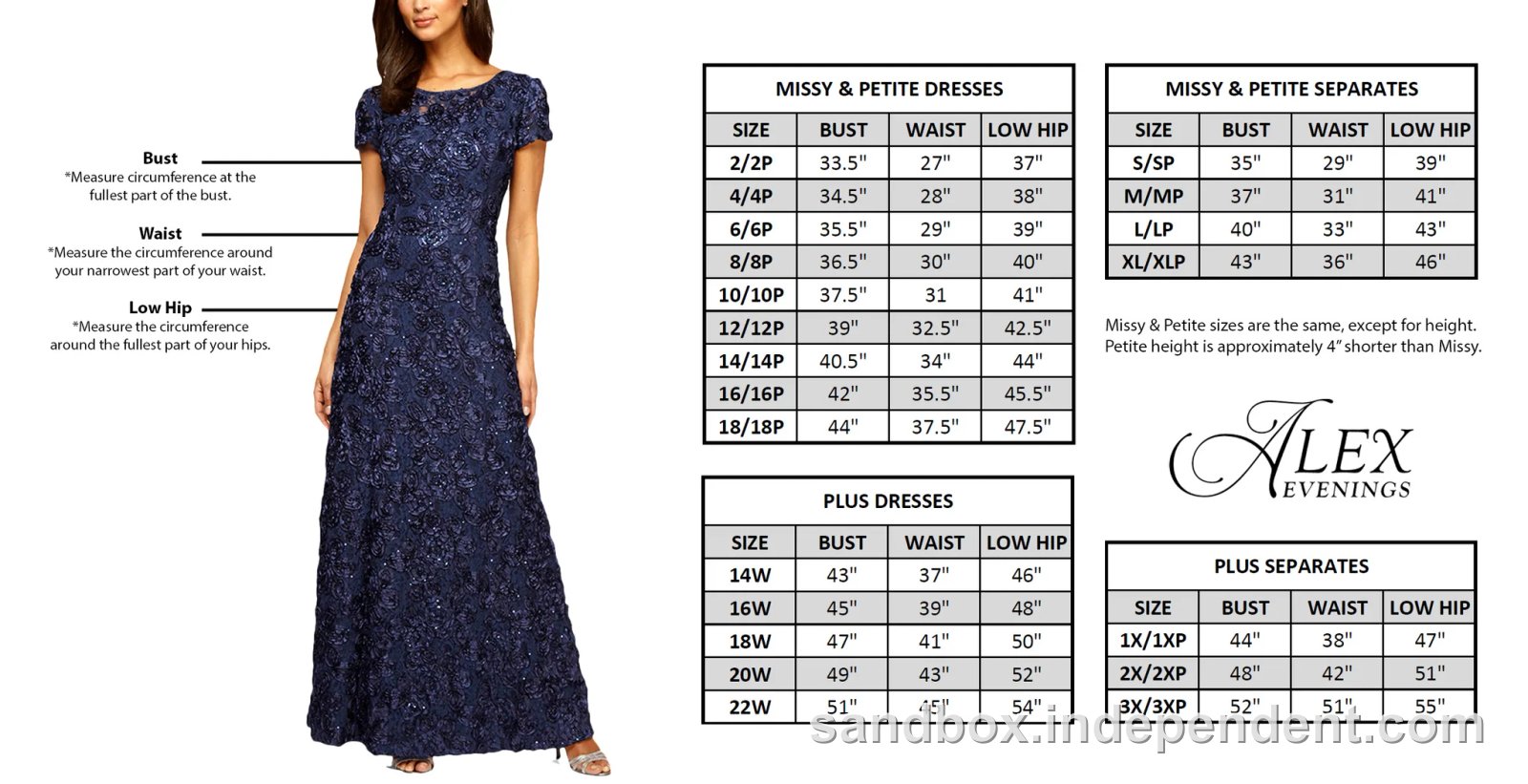
The Vuori size chart covers a range of sizes, typically from extra small to extra large, and sometimes even beyond. It provides measurements for key body parts, such as chest, waist, hips, and inseam length. These measurements are crucial for a comfortable and flattering fit. The chart also includes specific size categories, like small, medium, and large, which are standard across many clothing brands.
Reading and Applying the Chart
Using the Vuori size chart is straightforward. First, locate your usual size based on your height and weight. Then, check the corresponding measurements for chest, waist, and other relevant body parts. Compare these measurements with your own body's dimensions. If you're between sizes, consider going for the larger size for a more relaxed fit, or the smaller size for a more fitted look. It's all about personal preference and the style of the garment.
Size Variations and Differences
It's important to note that size charts can vary slightly between brands and even within a brand's different product lines. Vuori apparel sizing guide may have slight variations depending on the fabric and design of the garment. For instance, a relaxed-fit top might have a looser fit than a more structured jacket, even if they are the same size. Additionally, personal preferences and body types can also influence the fit. Some people prefer a snug fit, while others like a looser, more comfortable feel.
Common Mistakes and How to Avoid Them
One common mistake is relying solely on your usual size without considering the specific measurements. Every brand's size chart can differ, so always refer to the Vuori size chart for accurate sizing. Another pitfall is not measuring yourself correctly. Ensure you measure your body accurately, following the guide's instructions. Lastly, don't forget to consider the style and fit of the garment. Some items are designed to be more fitted, while others are meant to be loose and relaxed.
Tips for a Perfect Fit
To ensure the best fit, always measure yourself before ordering. Use a flexible tape measure and follow the guide's instructions for accurate measurements. If you're unsure, it's a good idea to measure a garment you already own and love the fit of. Compare these measurements with the Vuori size chart to find your ideal size. Remember, the chart is a guide, and personal preferences play a role. If you prefer a looser fit, choose a size up; for a more tailored look, go for a size down.
By following these tips and understanding the Vuori size chart, you'll be able to shop with confidence and enjoy the perfect fit for your activewear. Happy shopping!
Well, there you have it! A size chart can be a handy tool, but it's important to remember that these are general guides, and your personal fit may vary. Always consider your own preferences and the specific garment's style when choosing a size.
So, before you hit the checkout, take a moment to ensure you've got the right measurements and context covered. It's a simple step that can save you time and ensure a perfect fit. And hey, if you need a quick reference in the future, just bookmark this page for easy access!
Related: What is my Grady Chart and How to Use It?
My Grady Chart is a valuable tool for anyone working with lighting and color. It offers a simple yet effective way to understand and control the color temperature of light sources. This guide will cover the essentials of the Grady chart, its purpose, and how it can benefit your lighting design or photography projects. Whether you're a professional or a hobbyist, having a grasp of this chart's principles is key to achieving accurate and consistent results.
Understanding My Grady Chart: A Quick Overview
My Grady Chart is a valuable tool for anyone working with lighting design, photography, or video production. It provides a visual representation of color temperature, a critical factor in achieving the desired mood and atmosphere in your visual media. This chart offers a simple yet effective way to understand and manage color temperature, helping you create consistent and accurate lighting conditions.
Comparing Color Temperature Standards: The Grady Scale vs. Kelvin Scale
The Grady Chart utilizes the Grady scale, which is a standardized method for measuring and representing color temperature. It is based on the Kelvin scale, a widely accepted standard in the lighting industry. The Grady scale provides a practical and easy-to-use reference for photographers and videographers, offering a visual guide to various light sources and their corresponding color temperatures.
Step-by-Step Guide: Using My Grady Chart Accurately
To make the most of My Grady Chart, follow these simple steps:
Identify the Light Source: Start by determining the type of light you are working with. Different light sources, such as sunlight, fluorescent, or incandescent bulbs, have unique color temperatures.
Refer to the Chart: Locate the light source on the chart. Each light source is represented by a specific color and temperature range. For instance, daylight might be indicated by a blue color, while tungsten lighting could be represented by a warmer, yellow tone.
Adjust Your Equipment: Once you've identified the color temperature, you can adjust your camera or lighting equipment accordingly. This ensures that the colors in your image or video are balanced and true to the intended effect.
Fine-Tune with White Balance: If needed, you can further refine the color temperature by adjusting the white balance settings on your camera. This step allows for precise control over the overall warmth or coolness of the image.
Avoiding Common Misreadings and Pitfalls
While My Grady Chart is a straightforward tool, there are a few potential pitfalls to be aware of:
Regional Variations: Color temperature standards may vary slightly between regions or industries. Always double-check the specific standards relevant to your project.
Light Source Changes: Be mindful that the color temperature of a light source can change over time, especially with natural light. Regularly check and adjust your settings to maintain consistency.
Creative Interpretations: While the chart provides a guide, it's important to remember that color temperature is a creative tool. Feel free to experiment and adjust to achieve your desired artistic vision.
Your Grady chart is a valuable tool, a quick and efficient reference, and a great starting point for your projects. It offers a structured approach, guiding you through the process with clarity.
Remember, while this chart provides a solid framework, your unique circumstances may require some customization. So, take a moment to review your specific needs and adapt the chart accordingly. It's a simple yet powerful resource, and with a bit of tailoring, it can become an indispensable part of your workflow.
Feel free to explore our other guides and resources. We've got a range of practical tools and tips to enhance your productivity and streamline your processes. Happy organizing!
Related: A Simple Guide to Blanket Size Chart
A blanket size chart is a handy tool to have when you're shopping for the perfect blanket, whether it's for your bed or a cozy throw. This guide will show you how to navigate and understand these charts, ensuring you get the right size every time.
Blanket size charts can vary, offering different measurements and sizes, so it's helpful to know the standard sizes like twin, full, and queen, and even the metric conversions. With this knowledge, you'll be able to choose the ideal blanket size with confidence.
A Quick Overview of Blanket Size Charts
Blanket size charts are a handy reference tool to help you choose the right blanket size for your needs. These charts provide standard dimensions for various blanket sizes, making it easier to find the perfect fit for your bed or specific use. Whether you're shopping for a new blanket or just want to understand the sizes better, this guide will walk you through the basics.
Comparing Blanket Size Standards and Formats
Blanket size charts can vary depending on the standard or region. In the US, you'll often find measurements in inches, with common sizes like twin, full, queen, and king. Internationally, metric measurements are used, and you might see sizes like single, double, queen, and super king. It's important to know which standard you're dealing with to ensure accurate sizing.
Step-by-Step Guide to Reading a Blanket Size Chart
Here's a simple process to read and understand a blanket size chart:
Identify the Standard: First, check if the chart uses US or metric measurements. This will impact the dimensions and size labels.
Locate the Size Category: Look for the size you're interested in, such as twin, full, or queen. These categories are typically listed clearly on the chart.
Read the Dimensions: Under each size category, you'll find the width and length measurements. These are the standard dimensions for that particular size.
Consider Variations: Keep in mind that while charts provide standard sizes, there can be slight variations between manufacturers. Always check the exact specifications if precision is crucial.
Common Misreadings and How to Avoid Them
It's easy to misinterpret a blanket size chart if you're not familiar with the format. Here are some common mistakes and how to avoid them:
Mixing Up Standards: Always double-check if the chart uses US or metric measurements. Using the wrong standard can lead to significant sizing errors.
Assuming Exact Fit: Blanket size charts provide standard dimensions, but actual products might have slight variations. Always check the product specifications for precise measurements.
Ignoring Size Labels: Pay attention to the size labels on the chart. Each label corresponds to a specific size category, so ensure you're looking at the right one.
Factors Affecting Size Variations
Several factors can cause variations in blanket sizes:
Manufacturer Differences: Each manufacturer might have slight variations in their sizing, so always check the product details.
International Standards: Blanket sizes can vary between countries due to different standards and measurements.
Product Type: Different types of blankets, such as crib blankets or throw blankets, might have unique sizing. Always check the specific product category.
Choosing the Right Size for Your Needs
When selecting a blanket size, consider your specific requirements:
Bed Size: Ensure the blanket fits your bed size comfortably. A queen-size blanket won't fit a king-size bed, for example.
Personal Preference: Some people prefer oversized blankets for extra coverage. If you like a snug fit, choose a size that matches your bed dimensions.
Blanket Type: Consider the purpose of the blanket. A crib blanket will have different dimensions compared to a standard bed blanket.
Keeping Your Reference Reliable for Future Use
To ensure you can rely on your blanket size chart for future purchases:
Save the Chart: Keep a digital or printed copy of the chart for easy reference.
Check for Updates: Blanket size standards might evolve over time. Periodically review the chart to ensure it's up-to-date.
Note Product Variations: If you find a blanket with slightly different dimensions, make a note of it for future reference. This can help you make more informed choices.
Well, that's a wrap on our blanket size chart adventure! We've covered a lot of ground, from understanding the different options to learning how to use and adapt them to your needs. Remember, the exact details might vary slightly, so always double-check the source or standard you're using.
Feel free to explore more of our practical guides and resources. We've got a whole collection of tips and tricks to make your life easier, so don't be a stranger!