




Rug Size Chart Easy Overview
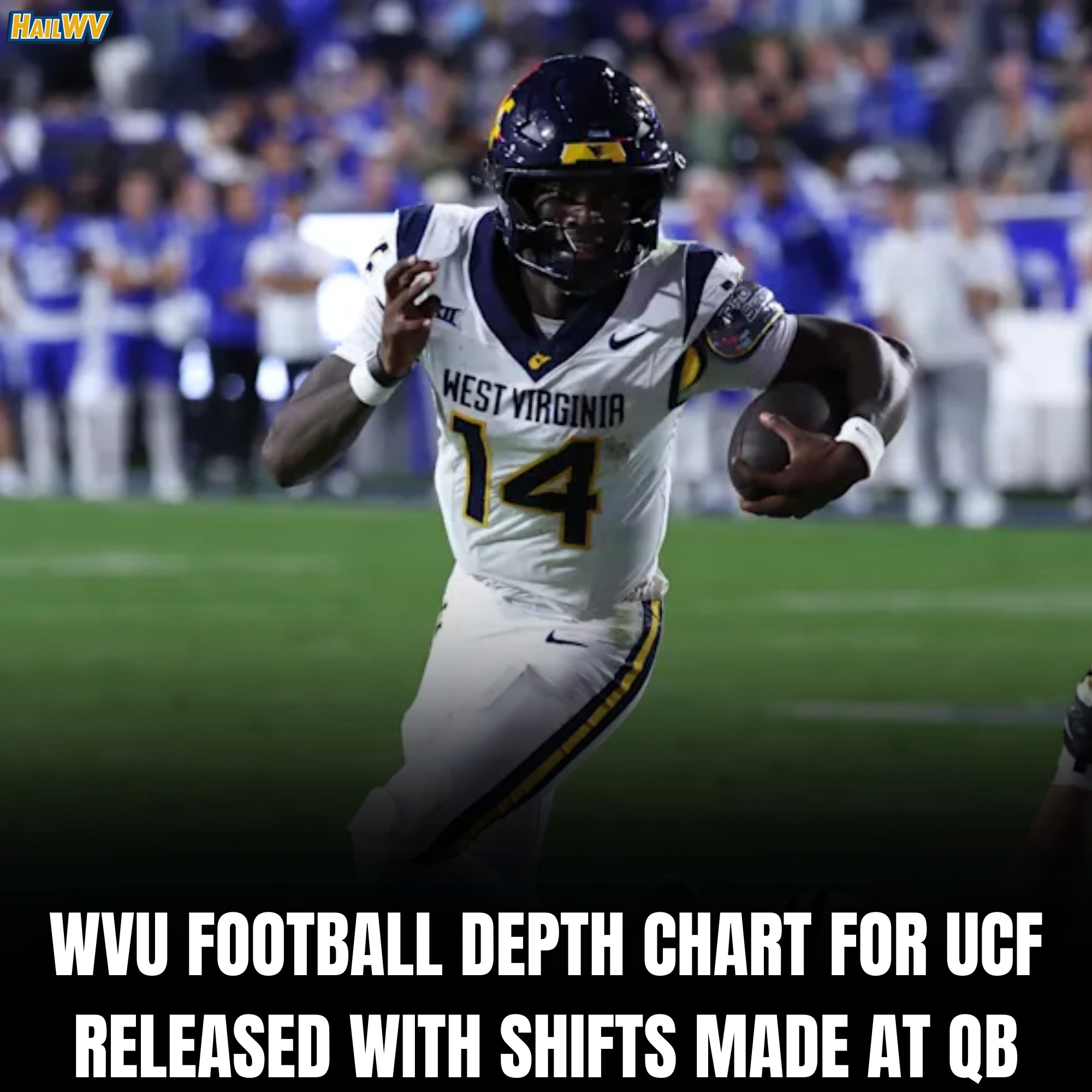
If you're here, you're likely seeking a straightforward guide to understanding the UCF depth chart. This essential tool provides a snapshot of the team's player positions and roles, offering a quick reference for fans and enthusiasts alike. The depth chart is a dynamic resource, and its format may vary, but its purpose remains consistent: to present a clear picture of UCF's roster and the players' positions.
Understanding the Chart: A Quick Overview
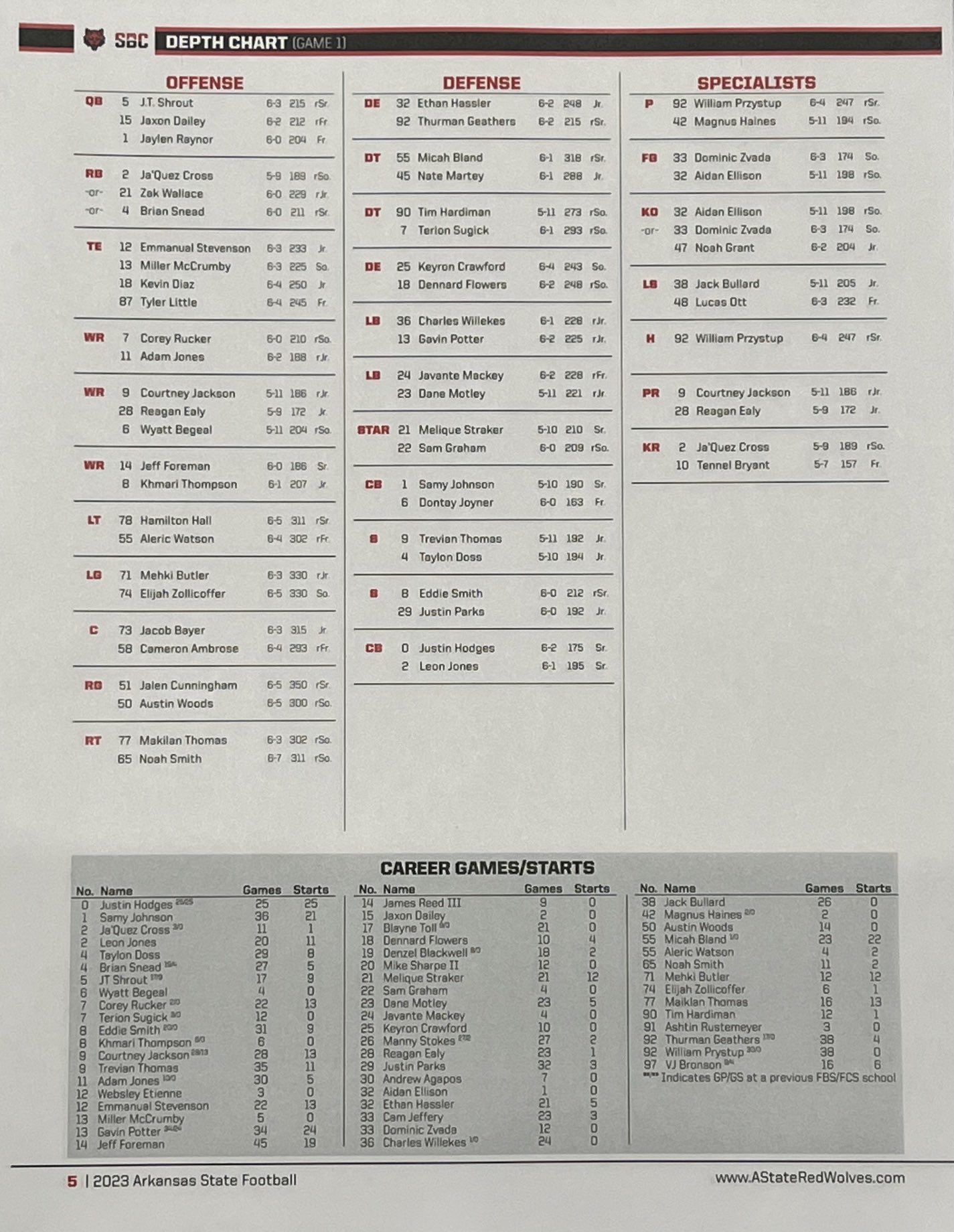
The ucf depth chart is a valuable tool for sports enthusiasts, providing an insightful look into a team's player lineup and their positions. It offers a clear visual representation of the team's depth and strategy, allowing fans and analysts to grasp the team's composition and potential.
Key Player Positions and Their Formats
The ucf depth chart typically features a standardized format, with columns representing different player positions and rows indicating the players' names or numbers. Common positions include quarterback (QB), running back (RB), wide receiver (WR), and more. Each position has its own set of skills and responsibilities, and the chart helps identify these roles.
Reading the Lineup: A Step-by-Step Guide
To read a ucf depth chart accurately, follow these steps:
Identify the position columns: Look for the labels or abbreviations indicating player positions. These columns provide an overview of the team's strategy and depth for each role.
Analyze the player rows: Each row represents a player, with their name, number, or both. This information helps identify individual contributors and their specific roles.
Note the depth: The depth chart often includes multiple rows for each position, indicating the team's depth and potential substitutions. The top row typically represents the starting lineup, while subsequent rows showcase backup players.
Understand the strategy: By comparing the depth for different positions, you can gain insights into the team's strategy and potential weaknesses or strengths. For example, a deep roster at running back suggests a strong running game, while a shallow roster at wide receiver may indicate a reliance on the passing game.
Common Misreadings and How to Avoid Them
While the ucf depth chart is a valuable tool, it's essential to avoid common misreadings:
Don't assume starting positions: The top row often represents the expected starting lineup, but coaches may make last-minute changes due to injuries, performance, or strategic decisions. Always confirm the official starting lineup before the game.
Understand positional flexibility: Some players may be listed under multiple positions, indicating their versatility. This flexibility can be an asset, allowing coaches to adapt their strategy during the game.
Consider injury reports: Injuries can significantly impact a team's depth chart. Always check the latest injury reports to understand which players may be unavailable and how that affects the lineup.
Factors Affecting Accuracy and Real-World Use
Several factors can influence the accuracy and real-world application of a ucf depth chart:
Coaching strategies: Coaches may choose to keep their strategies hidden, making depth charts less accurate as a predictive tool.
Injuries and performance: Player injuries or sudden drops in performance can quickly render a depth chart obsolete.
Player development: Young or developing players may quickly improve, challenging the depth chart's accuracy over time.
Opponent analysis: Depth charts are often used to counter an opponent's strategy, so understanding their lineup is crucial for effective game planning.
Remember, while the ucf depth chart provides valuable insights, it's just one tool in a sports analyst's arsenal. Always stay updated with the latest news and reports to ensure your analysis remains accurate and relevant.
Remember, while this depth chart offers a comprehensive guide, it's always wise to consider your unique circumstances. Exact values and details may vary, so a quick check ensures you're on the right track.
Feel free to explore our other resources for a deeper understanding. We've got plenty of guides to help you navigate and make informed decisions. Happy reading and best of luck with your project!
Related: Understand Utah's Depth Chart Easily
A Utah depth chart is a handy tool for any sports fan or enthusiast, offering a clear snapshot of a team's lineup and player positions. This guide will walk you through the ins and outs of reading and understanding these charts, ensuring you can quickly reference and interpret them accurately. From the Utah football depth chart to any team's roster depth, we'll cover it all, providing a practical understanding of this essential sports reference.
Understanding the Utah Depth Chart
The Utah depth chart is a valuable tool for any sports fan, especially those following American football. It's like a map that shows you the team's lineup and the players' positions, giving you an overview of the team's strength and strategy. This chart is a visual representation of the players' rankings and their roles, helping you understand the team's dynamics and potential.
Key Positions and Categories
The depth chart is divided into different sections, each representing a specific player position. You'll find categories like quarterbacks, running backs, wide receivers, tight ends, offensive linemen, defensive linemen, linebackers, defensive backs, and special teams. Each position has its own unique role and impact on the game. The chart typically lists the players' names, their jersey numbers, and their rank within their position group. It's a quick way to see who's starting and who's on the bench, and it gives you an idea of the team's depth and options.
Reading and Applying the Depth Chart
Here's a step-by-step guide to using the Utah depth chart:
Start by familiarizing yourself with the different positions and their roles. Understand the basic strategies and tactics of American football to get the most out of the chart.
Look at the chart and identify the starting lineup. These are the players who are currently ranked highest and will likely be on the field for the majority of the game. Their names are often highlighted or listed first.
Explore the depth of the team. Scroll down or look for the players listed below the starters. These are the backups, ready to step in if needed. They provide flexibility and can be crucial in case of injuries or strategic substitutions.
Pay attention to the rankings within each position. The chart often uses a simple ranking system, like 1st string, 2nd string, and so on. This indicates the players' current standing and their likelihood of playing time.
Note any special teams or units. These are players with specialized roles, like kickers, punters, or return specialists. They have unique skills and are an important part of the team's overall strategy.
Variations and Differences
It's important to remember that Utah depth charts can vary depending on the coach's strategy and the team's needs. Factors like injuries, player performance, and game plans can influence the chart. For instance, a key player's injury might result in a backup moving up the ranks, or a strategic change could lead to a different starting lineup. These variations are part of the game and can make the depth chart dynamic and exciting to follow.
Common Mistakes and How to Avoid Them
One common mistake is assuming that the depth chart is set in stone. It's a living document, and changes are frequent. Keep an eye on updates, especially before game days, as last-minute adjustments are not uncommon. Another pitfall is overlooking the impact of special teams. These players often have a significant influence on the game, so don't underestimate their importance. Lastly, remember that the depth chart is a guide, not a guarantee. Player performance and game flow can deviate from the expected lineup, so stay flexible and enjoy the surprises that football can bring!
Well, there you have it! You're now equipped with the knowledge to tackle the Utah depth chart like a pro. Remember, these charts are a handy tool, but it's always wise to double-check the specific details relevant to your project or context.
Feel free to explore our other guides; we've got a range of practical resources to help you navigate various topics with ease. Happy learning, and may your projects be successful!
Related: What's the youth size chart I need?
A youth size chart is a handy tool for parents and caregivers, offering a quick and accurate way to find the right fit for kids' clothing and shoes. This guide will show you how to navigate these charts, ensuring you get the perfect size every time.
Understanding the youth size chart is essential, especially when shopping online or for specific brands. While the charts provide standard measurements, they can vary slightly, so knowing how to read them is key.
Youth Size Chart: A Practical Guide
A youth size chart is an essential tool for parents and caregivers to ensure kids' clothes and shoes fit comfortably and correctly. This chart provides a standardized guide to help you choose the right size for children's apparel and footwear.
Key Details and Categories
The youth size chart typically includes categories for clothing and shoes, with specific measurements for each. For clothing, you'll find sizes ranging from XS (extra small) to XL (extra large), each with corresponding chest, waist, and height measurements in inches or centimeters. Shoe sizes, on the other hand, are numbered and often include an age range as a reference.
Understanding the Chart: Step-by-Step
To use the youth size chart accurately, follow these steps:
- Measure your child's chest, waist, and height. Ensure you use a flexible measuring tape for an accurate reading.
- Locate the appropriate category on the chart: clothing or shoes.
- For clothing, find the size that best matches your child's measurements. If their measurements fall between two sizes, choose the larger size for comfort and room to grow.
- For shoes, identify the size that aligns with your child's age or foot length.
- Always double-check the specific brand or manufacturer's guidelines, as sizing can vary slightly between brands.
Common Size Variations and Why They Occur
It's important to note that youth sizes can vary depending on several factors:
- Region and Standard: International youth size charts may use different units or have slightly different measurements. Always check if the chart follows US or international standards.
- Clothing Style: Different types of clothing, like shirts, pants, or jackets, may have unique sizing requirements.
- Shoe Type: Athletic shoes, for instance, might have a different fit compared to dress shoes.
- Individual Differences: Every child's body is unique, so variations in body shape and size are common.
Practical Sizing Tips and Common Mistakes to Avoid
Here are some tips to ensure accurate sizing:
- Measure your child regularly, as they grow quickly!
- Don't assume that all brands follow the same sizing guidelines.
- When in doubt, opt for a slightly larger size to allow for growth.
- Avoid relying solely on age for shoe sizing; foot length is a more accurate indicator.
- Remember that comfort and fit are crucial, so always try items on if possible.
By following these guidelines and understanding the factors that influence youth sizing, you'll be able to choose the perfect fit for your child's clothes and shoes.
Hey there, I hope this youth size chart guide has been a helpful resource for you. Remember, when it comes to sizing, exact values can differ slightly, so always double-check the source and standard you're using.
It's always a good idea to bookmark pages like these for future reference, especially when you're shopping for kids and need a quick reminder of the right measurements. Feel free to explore our other guides too; we've got plenty of practical tips and tricks to make your life easier!