



Rug Sizes Chart Template Overview
You've landed on this page, so you're likely seeking a quick glimpse at the eagles depth chart or wanting to understand its layout. It's a handy tool for eagle enthusiasts and bird watchers, offering a simple way to visualize the hierarchy and organization of these majestic birds. The chart provides a snapshot of eagle species, with potential variations depending on your region and the specific eagles you're studying. It's a great reference, especially when you're out spotting these birds of prey and need a quick reminder of their unique characteristics and rankings.
Understanding Rankings: Eagles Depth Chart 101
The eagles depth chart is a valuable tool for bird enthusiasts and observers, offering a structured overview of eagle species and their unique characteristics. It's like a roadmap to the world of eagles, helping you navigate and understand these magnificent birds better. This chart ranks and organizes eagles based on various factors, providing a quick reference guide.
Comparing Standards and Formats
When it comes to eagles depth charts, there can be variations in the standards and formats used. Different regions and organizations may have their own ways of categorizing and presenting eagle data. For instance, some charts might focus on size and wingspan, while others prioritize hunting techniques or breeding behaviors. It's important to be aware of these differences to interpret the charts accurately.
Step-by-Step Guide: Using the Eagles Depth Chart
Using the eagles depth chart is straightforward and practical. Here's a simple guide:
Start by identifying the purpose of your observation. Are you interested in eagle sizes, hunting strategies, or something else?
Locate the relevant section on the chart. It will typically have categories like size, hunting techniques, or breeding behaviors.
Within each category, you'll find a ranking or list of eagle species. Compare the values or descriptions to identify the eagles that match your interest.
Take note of any additional information provided on the chart, such as brief descriptions or fun facts.
Cross-reference with other resources if needed, especially for specific details or regional variations.
Common Misreadings and Pitfalls
One common mistake is assuming that all eagles depth charts are universal. While they provide a great overview, certain charts may have limitations or focus on specific aspects. Always double-check the chart's scope and purpose to ensure you're using it correctly. Additionally, be cautious of charts that claim to cover every detail; sometimes, more specialized resources are needed for specific information.
Factors Affecting Accuracy and Real-World Use
The accuracy of eagles depth charts can be influenced by various factors. Firstly, the data collection methods and sources play a crucial role. Charts based on extensive research and reliable data are more accurate. Secondly, regional variations and eagle behaviors can impact the rankings. Eagles in different parts of the world may exhibit unique characteristics, so it's important to consider the chart's geographical focus. Lastly, the chart's purpose and intended audience can affect its content and presentation.
Adapting the Format for Specific Needs
The beauty of eagles depth charts is their adaptability. If you have specific requirements or a unique focus, you can create or customize a chart to suit your needs. For instance, if you're interested in eagle breeding pairs, you can design a chart that highlights this aspect, including information on nesting behaviors and preferred habitats. This flexibility allows you to create a personalized tool for your bird-watching adventures.
Remember, while these depth charts offer a great starting point, the specifics can differ based on your unique circumstances. It's always a good idea to tailor them to your needs and keep an eye on any updates or changes.
Feel free to explore our other guides for more practical insights and tips. We've got a range of topics covered, so you can dive deeper into the world of sports analysis and strategy. Happy reading!
Related: Understand the Hair Shade Chart: A Simple Guide
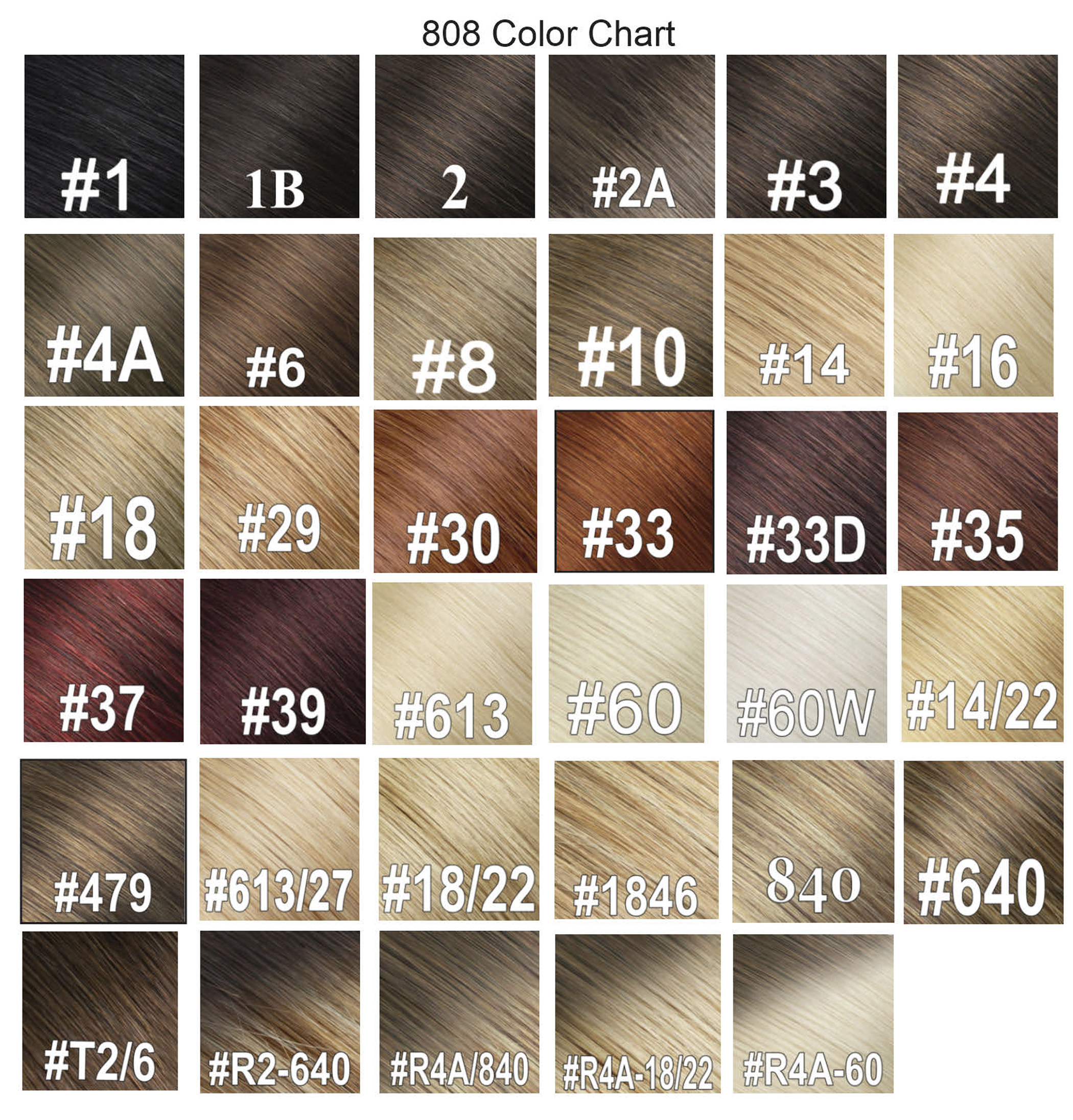
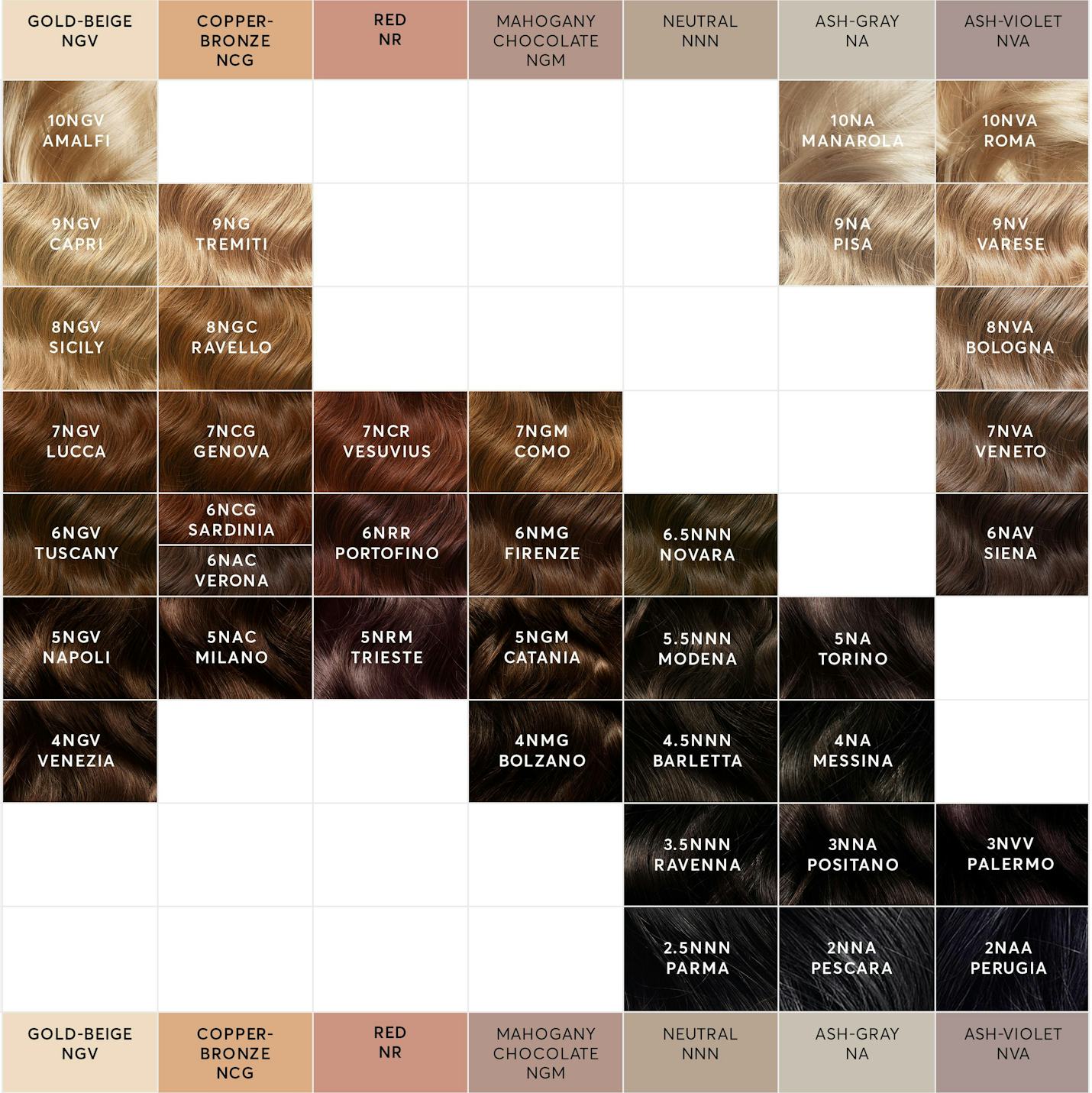
You're here because you need a quick fix, right? A simple, reliable reference for your hair color adventure. Well, the hair shade chart is your trusty guide, a visual map to navigate the world of hair colors. It's a handy tool, a quick-glance reference, offering a range of shades and tones to explore. From natural hues to bold, vibrant choices, the chart lays it all out. You'll find tone levels, hair dye shades, and even a color wheel to help you match and create your desired look.
Understanding the Hair Shade Chart: Your Guide to Hair Color
The hair shade chart is a handy tool that helps you navigate the world of hair color. It's a visual reference, often in the form of a color wheel or a detailed table, that displays a range of hair colors and their corresponding shades. This chart is your friend when you want to achieve a specific hair color or match a particular shade.
Comparing Hair Color Standards and Formats
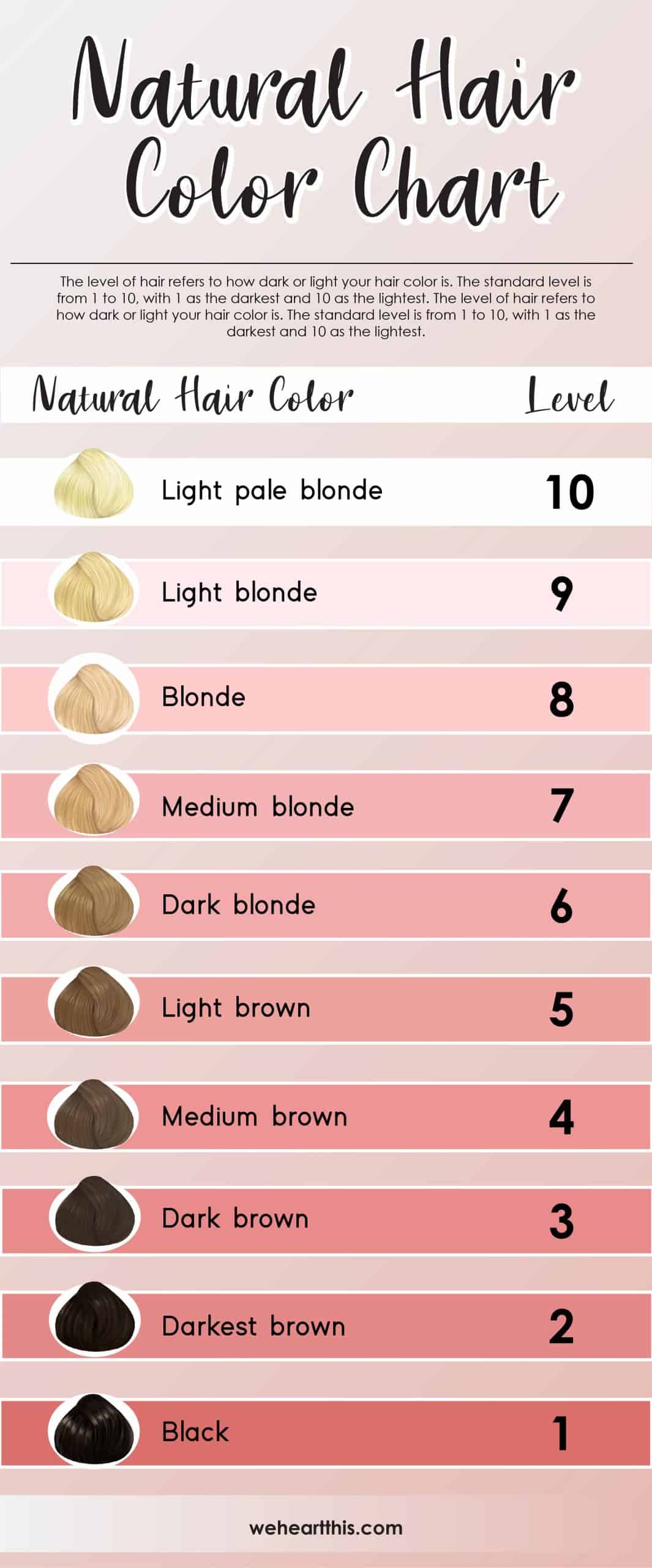
There are different standards and formats for hair color charts, which can vary based on the region and the manufacturer. The most common ones are the hair dye shades charts, which use a numerical system to represent different tones. These charts often have a range of numbers, like 1 to 10 or 1 to 12, with each number representing a distinct shade. For instance, a level 1 might be the darkest black, while a level 10 could be a light blonde.
Using the Hair Shade Chart: A Step-by-Step Guide
Using the hair shade chart is simple once you know how. First, identify the standard or brand you're working with. This ensures you're using the right chart for your hair color products. Next, locate your current hair color on the chart. This gives you a starting point. Then, decide on your desired hair color. The chart will help you visualize the difference and choose the right shade.
For example, if you have dark brown hair (let's say a level 4) and want to go lighter, you might aim for a level 6 or 7, which could be a beautiful, warm medium brown. Always remember to consider your natural hair color and its condition. If your hair is very dark, achieving a light blonde might require multiple sessions and a professional's expertise.
Avoiding Missteps: Common Pitfalls and How to Avoid Them
One common mistake is not considering your natural hair color's base. The hair shade chart often shows the results on pre-lightened hair, so if your hair is darker, the result might be different. Always check the chart's instructions or consult a professional for guidance.
Another pitfall is not accounting for tone. The chart might show a single number for a shade, but in reality, there are often variations within that shade, like ash, golden, or warm tones. These subtle differences can make a big impact on the final result, so choose wisely!
Factors Affecting Accuracy: Key Considerations
- Hair tint: Your natural hair color and its condition play a significant role. Pre-lightened or bleached hair will react differently to dye compared to virgin hair.
- Tone levels: The tone of your desired shade matters. A warm tone, for instance, will look different on someone with cool undertones.
- Shade guide: Always refer to the specific shade guide provided by the dye manufacturer. These guides often offer more detailed information about the results on different hair types and tones.
Choosing the Right Chart: Adapting to Your Needs
There are various charts available, each with its own system and range. Some charts might use letters or even a combination of numbers and letters. It's essential to choose the right chart for your needs. If you're using a specific brand of hair dye, they often provide their own shade chart. Alternatively, you can find generic charts that offer a broader range of shades.
Keeping Your Reference Reliable for Future Use
To ensure you can rely on your hair shade chart in the future, it's important to keep it in a safe place. Consider making a digital copy or taking a photo of the chart for easy reference. This way, you can quickly access it whenever you need to choose or match a hair color. Additionally, stay updated with the latest charts and standards. Hair color trends and technologies evolve, so having the most current reference ensures accurate results.
Hey there! I hope this guide has been helpful in navigating the world of hair shade charts. Remember, these charts are a great tool, but the specifics can vary, so always double-check the source and standard you're using.
Feel free to explore other guides on our site to learn more about related topics and discover practical tips for your hair journey. We've got you covered with simple, straightforward advice!
Related: How to Read the Newport Tide Chart?
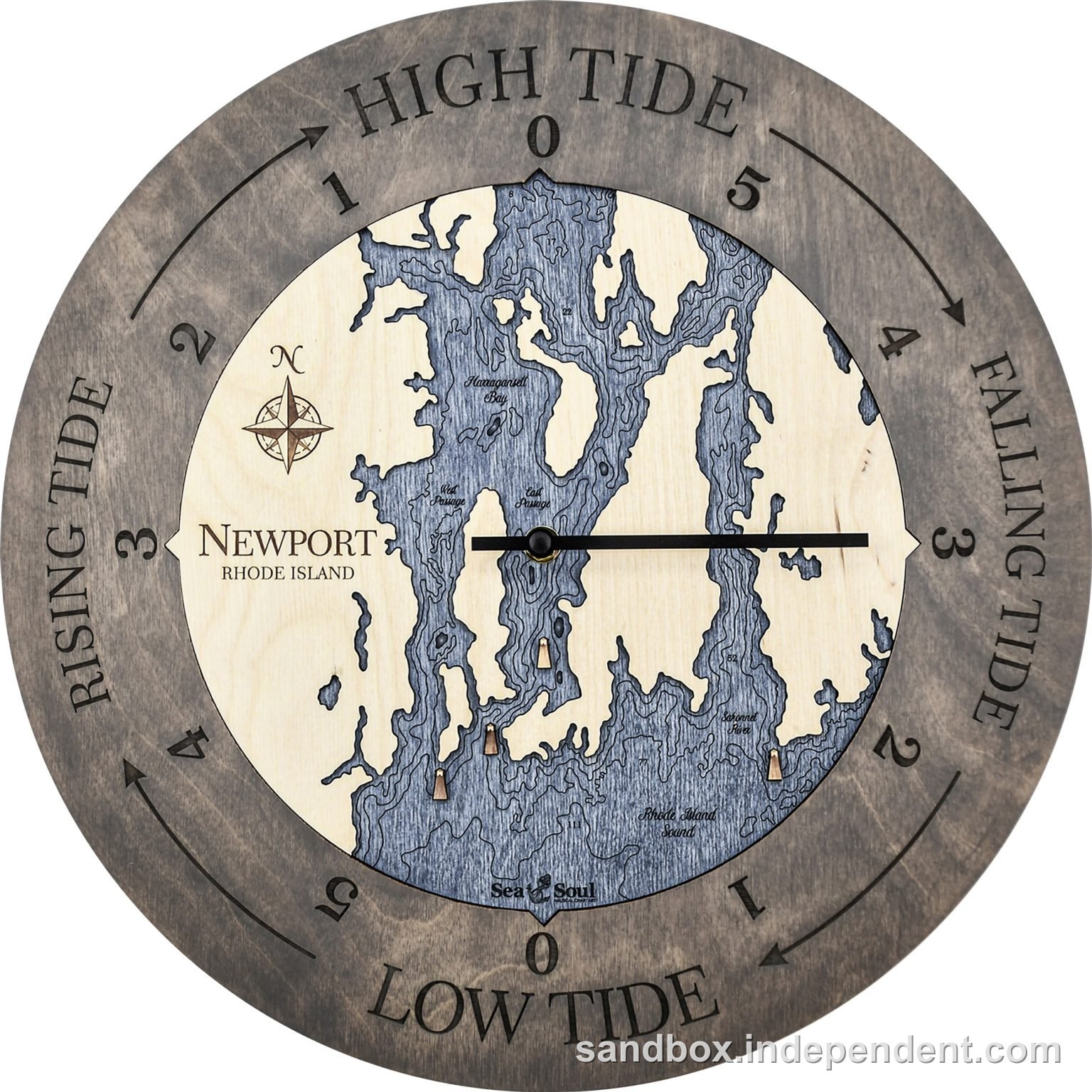
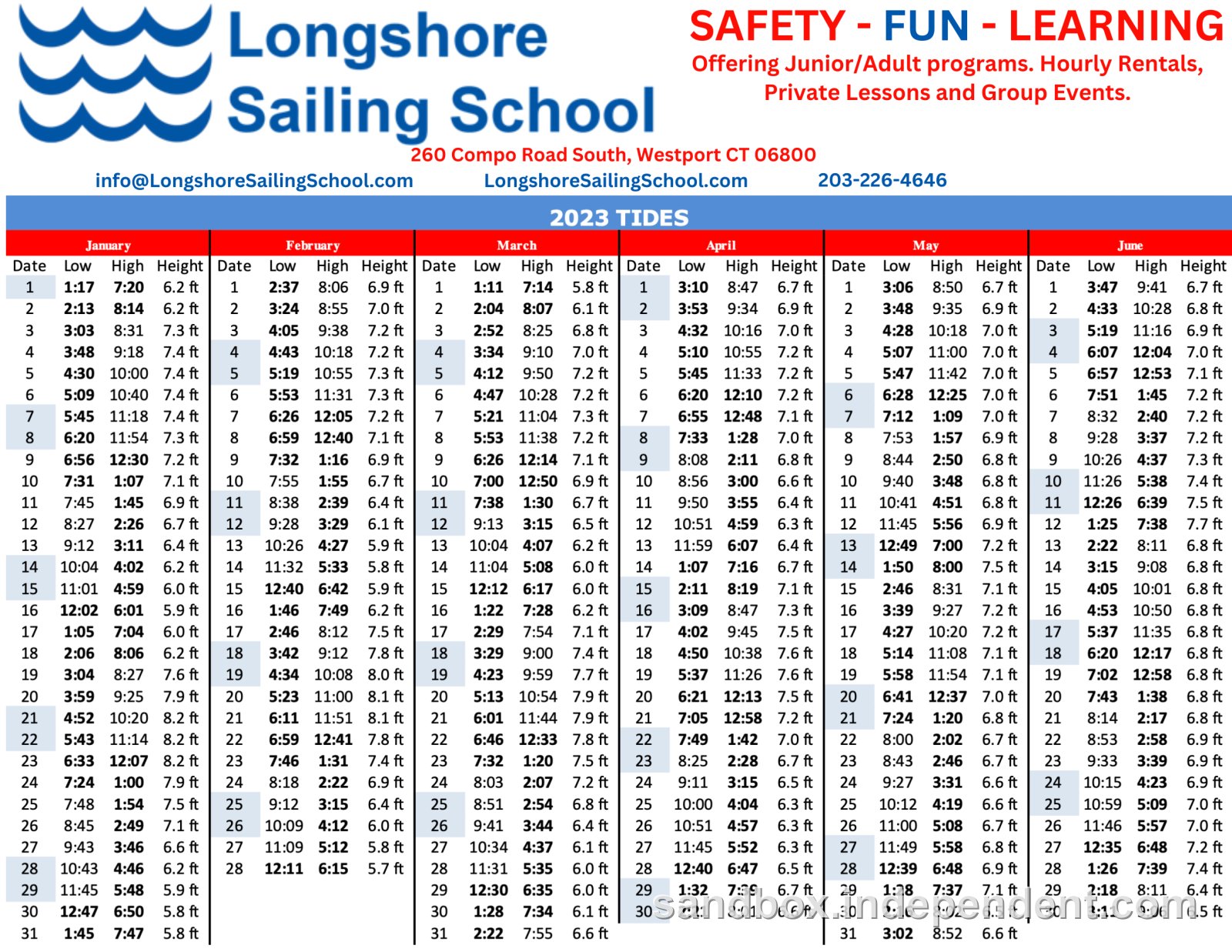
You've landed here because you need a reliable, quick reference for your Newport tide chart. This essential tool, whether a chart, table, or diagram, provides crucial information for your planning and activities. It's a simple yet powerful resource, offering a snapshot of tidal movements and water levels for Newport and its surrounding areas.
The beauty of the Newport tide chart is its precision and ease of use. While the specific values and formats may vary depending on your region and the source of the data, the core purpose remains the same: to provide an accurate and accessible guide to Newport's tidal rhythms. Whether you're a sailor, fisherman, or just a curious beachgoer, this chart is your key to understanding and navigating the ebb and flow of Newport's waters.
Understanding Newport Tide Charts
Newport tide charts are an essential tool for anyone planning coastal activities, offering a glimpse into the ebb and flow of tide heights and water levels in the region. These charts provide a visual representation of the tidal patterns, helping users navigate the waters safely and efficiently.
Key Details and Categories
The newport tide chart typically displays two main categories: tide times and tide heights. Tide times indicate the specific moments when the tide will be at its highest or lowest points, often referred to as high tide and low tide. These times are crucial for planning activities such as boating, fishing, or beachcombing. Tide heights, on the other hand, represent the vertical difference between high and low tide, providing an understanding of the water's depth and movement.
Reading and Applying the Chart: A Step-by-Step Guide
- Begin by identifying the date and time for which you need the tide information. Newport tide charts often cover a specific period, so ensure you are referring to the correct chart for your intended activity.
- Locate the tide times on the chart. These are usually marked with clear indicators, such as "High Tide" and "Low Tide," along with the corresponding time.
- Once you have the tide times, you can plan your activities accordingly. For instance, if you're boating, you might want to time your departure or arrival with the high tide to ensure sufficient water depth.
- The tide heights section of the chart provides additional insights. It shows the difference in water levels between high and low tide, which is particularly useful for understanding the current flow rates and potential changes in water depth.
- Remember, these charts are a guide, and actual conditions may vary slightly due to weather or other environmental factors. Always exercise caution and stay updated with the latest weather reports and marine forecasts.
Common Variations and Safety Considerations
While newport tide charts are highly accurate, it's important to note that variations can occur due to several factors. Weather conditions, such as strong winds or storms, can influence tide levels and times. Additionally, certain coastal areas may experience unique tidal patterns due to their geographical features. It's crucial to cross-reference the chart with real-time observations and local knowledge, especially in unfamiliar locations. Safety should always be a priority when relying on tide charts, so stay informed and be prepared for any unexpected changes in tide behavior.
It's always a good idea to familiarize yourself with the unique tidal patterns of any new location you visit. While the Newport tide chart provides a reliable reference, remember that exact values can vary, so it's wise to double-check with local sources for the most accurate and up-to-date information.
Feel free to bookmark this page for future reference. It's a handy tool to have on hand when planning your next coastal adventure or activity, ensuring you're always prepared and making the most of the tides.