

Sample Quotation Template Editable Overview
Many people mistakenly believe that the au periodic chart is solely for scientists and chemists, but this couldn't be further from the truth! It's a handy tool for anyone seeking precise information about gold and its various forms.
The chart offers a straightforward way to understand gold's atomic weight, purity levels, and even its role in alloy creation. While the values may differ slightly depending on the standard or region, the au periodic chart remains a reliable and accessible reference for all things gold-related, from the atomic weight chart to the karat purity scale.
Understanding the AU Periodic Chart: An Overview
The AU periodic chart is a handy reference tool for anyone working with gold and its alloys. It provides a quick and easy way to understand the composition and purity of gold-based materials. This chart is especially useful for jewelry makers, metalworkers, and anyone dealing with precious metals.
Comparing Standards and Formats
The AU periodic chart comes in various formats and standards, depending on your region and specific needs. The most common standards are the US and international (metric) systems, each with its own set of measurements and categories. For instance, the US standard uses the karat scale to indicate gold purity, while the international standard often refers to fineness or parts per thousand.
Using the AU Periodic Chart: A Step-by-Step Guide
Here's a simple guide on how to use the AU periodic chart:
Identify the Standard: First, determine which standard your chart follows. Is it the US or international standard? This information is usually indicated on the chart itself.
Read the Karat Scale: If you're using a US-standard chart, the karat scale will be your primary guide. It shows the percentage of pure gold in an alloy. For example, 24 karat gold is pure gold, while 18 karat gold contains 75% pure gold and 25% other metals.
Understand Fineness: In the international standard, fineness indicates the parts per thousand of pure gold. So, 999 fineness means 99.9% pure gold.
Common Alloy Blends: The chart often includes common alloy blends and their compositions. These blends can vary, but typical alloys include copper, silver, and other metals to enhance durability and color.
Convert and Calculate: If you need to convert between standards or calculate specific alloy compositions, the chart may provide conversion factors or formulas. These can be useful for precise measurements.
Avoiding Misreadings and Pitfalls
It's important to avoid common misreadings when using the AU periodic chart. Here are some tips:
Pay attention to the standard: Ensure you're using the right standard for your region or project. Mixing up US and international standards can lead to significant errors.
Understand the scale: Whether it's the karat scale or fineness, make sure you know how to interpret the values correctly. Misreading these scales can result in inaccurate alloy compositions.
Check for updates: AU periodic charts may get updated periodically to reflect new industry standards or discoveries. Always double-check if you're using an outdated chart to avoid inaccurate information.
Key Factors Affecting Accuracy
Several factors can impact the accuracy of the AU periodic chart and its real-world application:
Precious metal measurements: The purity and composition of gold alloys can vary slightly depending on the source and manufacturing process. Always refer to the specific tolerances and specifications provided by the manufacturer or supplier.
Alloy composition: While the chart provides common alloy blends, actual compositions can vary. Some alloys may contain trace elements not listed on the chart, especially in specialty or custom blends.
Environmental factors: Over time, gold alloys can undergo changes due to exposure to certain chemicals or extreme conditions. These factors can alter the alloy's composition and, consequently, its properties.
Manufacturing processes: Different manufacturing techniques can impact the final composition of the alloy. For instance, casting and rolling processes may introduce variations in the alloy's structure and purity.
Adapting the AU Periodic Chart for Specific Needs
While the AU periodic chart offers a comprehensive guide, it may not cover every specific need or exception. In such cases, you might need to adapt or customize the chart:
Industry-specific charts: Certain industries, like dentistry or electronics, may have their own gold standard references with unique composition requirements. Ensure you're using the right chart for your industry.
Custom blends: If you're working with custom alloy blends, you may need to create your own reference chart or consult with a metallurgist to determine the exact composition and properties of your alloy.
Regional variations: Some regions may have unique standards or traditions when it comes to gold alloys. Always consider local practices and regulations when adapting the chart for your specific needs.
So, there you have it! A comprehensive guide to navigating the au periodic chart. Remember, this chart is a handy tool, but it's always wise to double-check the specifics for your unique situation. No two projects are the same, and while this chart offers a great starting point, your context might require some tweaks.
Feel free to bookmark this page for future reference. It's a simple yet effective resource to have at your fingertips, and you never know when it might come in handy!
Related: Find the Perfect Fit: Gildan Size Chart
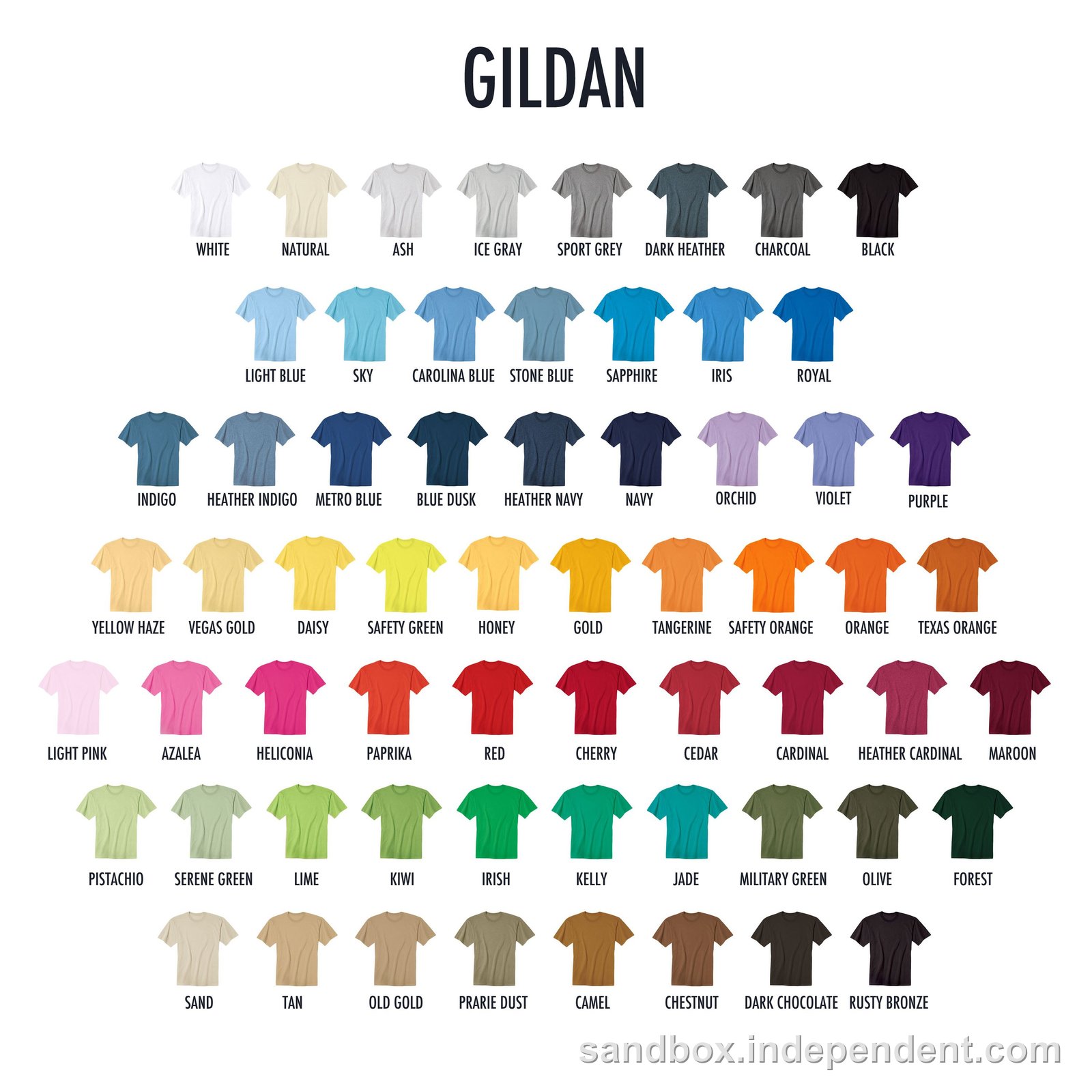
You're likely here because you need to find the right size for a Gildan garment, and the Gildan size chart is your trusted tool for this task. This simple yet effective chart provides a quick and accurate way to determine the perfect fit, whether you're shopping for yourself or others. With various sizes and measurements, the chart offers a clear guide, ensuring you can make an informed choice. It's a handy reference, especially when considering the brand's popular unisex fit and the potential variations in sizing standards.
Understanding the Gildan Size Chart
The gildan size chart is a valuable tool for anyone looking to purchase Gildan apparel, providing a clear guide to help you choose the right size for a perfect fit. This chart is designed to offer a standardized sizing reference, ensuring consistency across their range of clothing.
Key Details and Categories
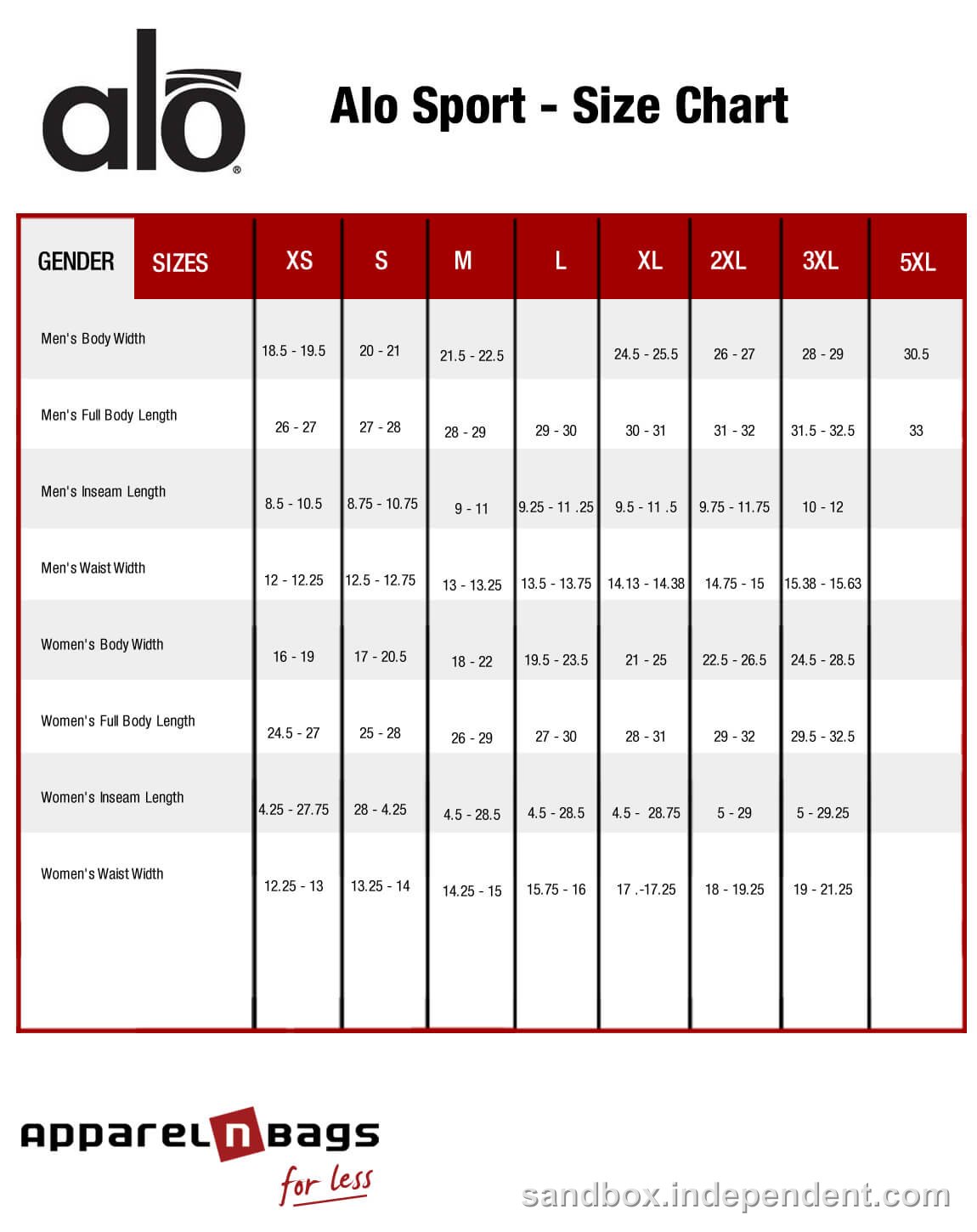
The chart typically displays a range of sizes, from extra-small to 5XL, and sometimes even larger. Each size is represented by a numerical value, such as 'S' for small or '3XL' for triple extra-large. These sizes are further categorized into specific measurements for various body parts, including chest, waist, and height. The measurements are provided in both inches and centimeters, offering a versatile reference for international customers.
Step-by-Step Guide to Reading the Chart
- Identify the type of garment you're interested in, as different apparel may have slightly different measurements. For instance, t-shirts and hoodies might have distinct fit specifications.
- Locate your body measurements on the chart. You'll typically find columns for chest, waist, and height, with corresponding rows for different sizes.
- Compare your measurements to the values on the chart. If your chest measurement falls within the range specified for a particular size, that's a good indication of the right fit.
- Consider the overall fit you prefer. If you like a looser fit, you might opt for a size larger than your exact measurements suggest. Conversely, for a more tailored look, you might choose a size slightly smaller.
Size Variations and Differences
It's important to note that size charts can vary between manufacturers and even between different Gildan product lines. This is because clothing is designed to fit differently, whether it's a relaxed, regular, or slim fit. Additionally, the intended use of the garment can influence the sizing. For example, a t-shirt designed for athletic wear might have a different fit than a casual t-shirt.
Common Mistakes and How to Avoid Them
One of the most common mistakes is assuming that all clothing brands use the same size standards. Always refer to the specific size chart for the brand and product you're interested in. Another pitfall is relying solely on your usual size without considering the fit you desire or the unique specifications of the garment. It's always a good idea to measure yourself and compare those measurements to the chart.
Practical Tips for Accurate Fitting
- When measuring yourself, ensure you're using a flexible tape measure for accurate results.
- Take measurements at the appropriate points on your body, such as the fullest part of your chest or the natural waistline.
- If you're between sizes, consider the fabric and style of the garment. Stretchy fabrics might allow for a slightly looser fit, while structured garments may require a more precise measurement.
- Don't forget to check the size chart for the specific product you're interested in, as sizing can vary even within the same brand.
- If you're still unsure, many online retailers offer size guides or customer reviews that can provide additional insights into the fit of a particular item.
Remember, while this guide provides a comprehensive overview, the specifics may shift slightly based on your unique context. Every brand and standard has its nuances, so it's essential to double-check the source for the most accurate information.
We have a range of other practical guides and resources on our site to help you navigate similar topics. Feel free to explore and discover more tips and tricks to make your sizing and fitting processes a breeze!
Related: Link Seal Chart: Your Simple Reference Guide
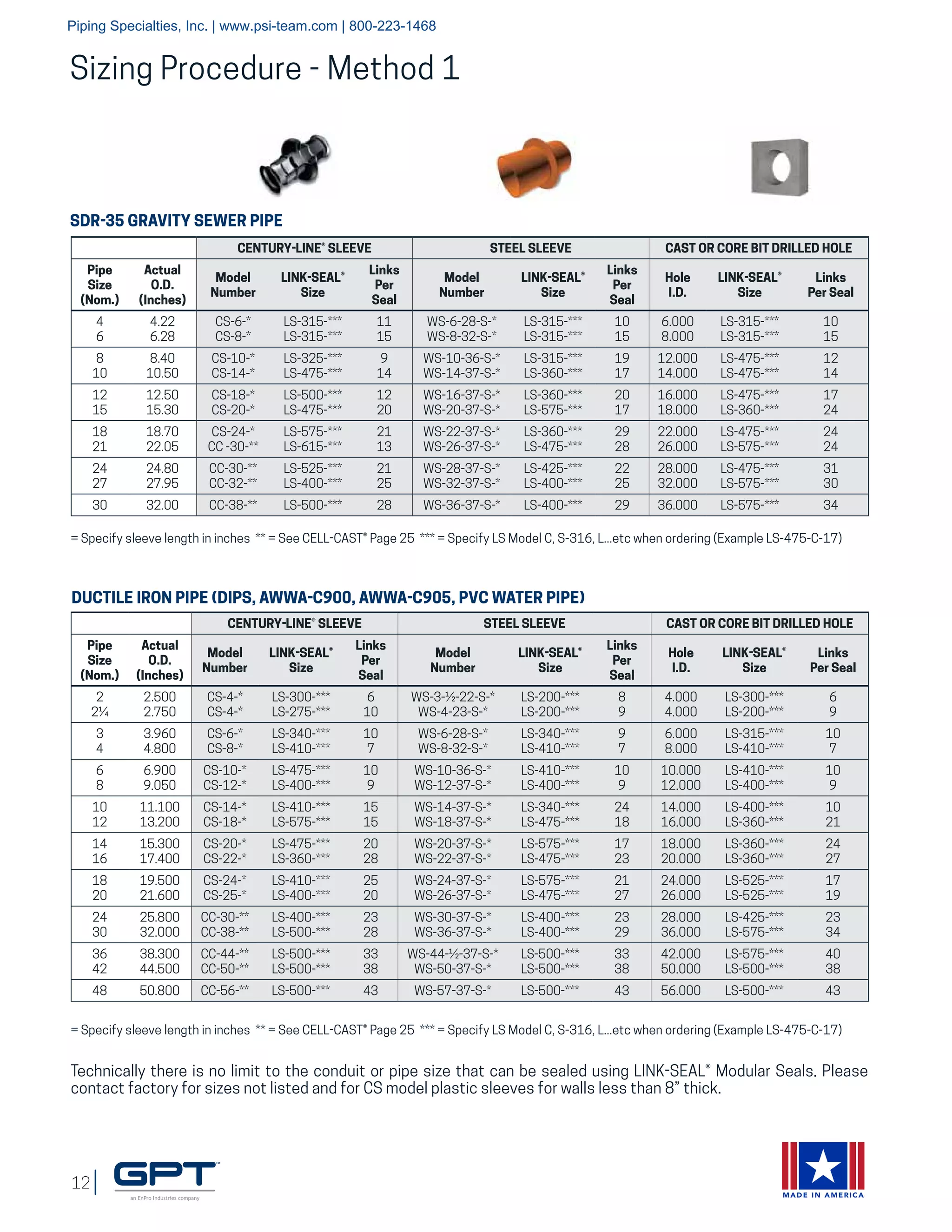
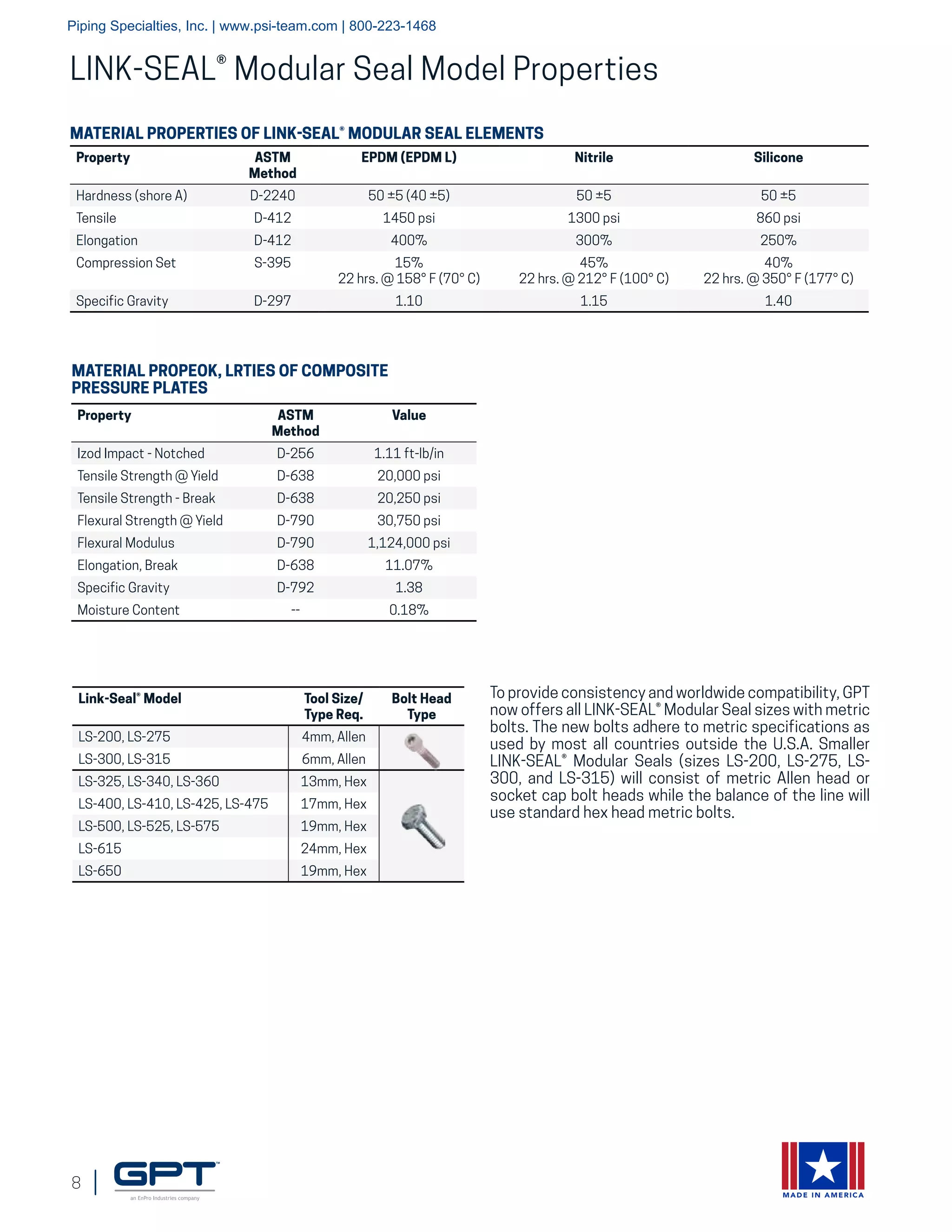
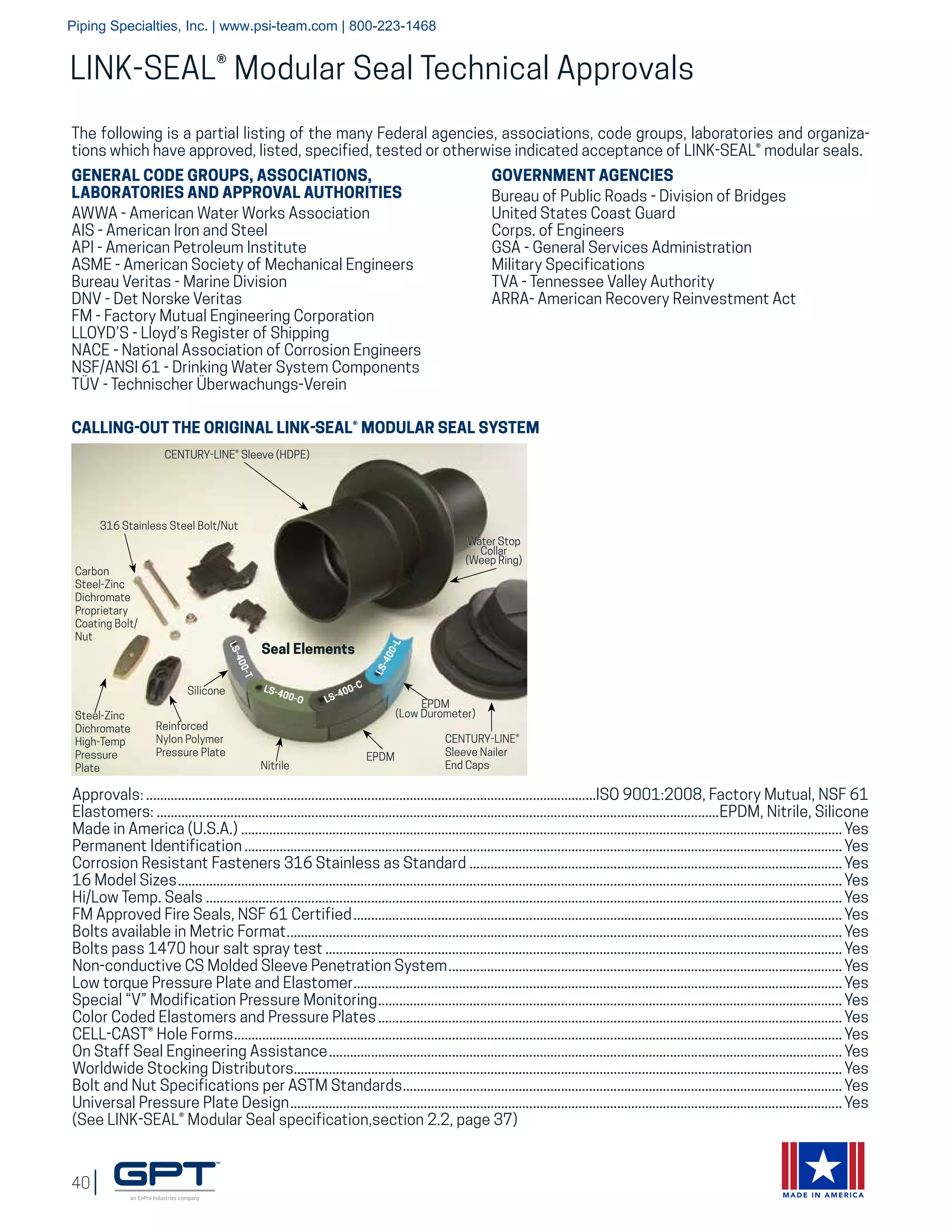
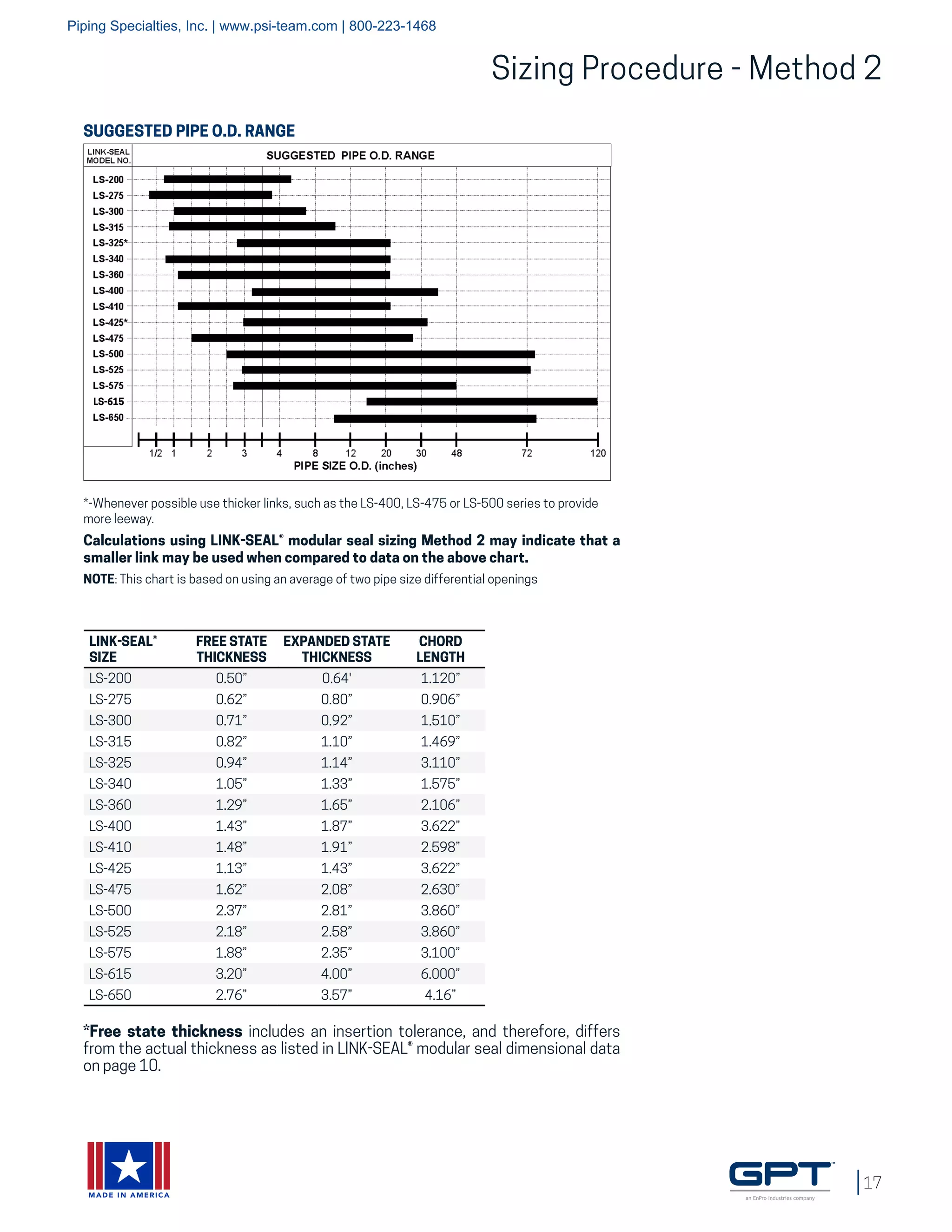
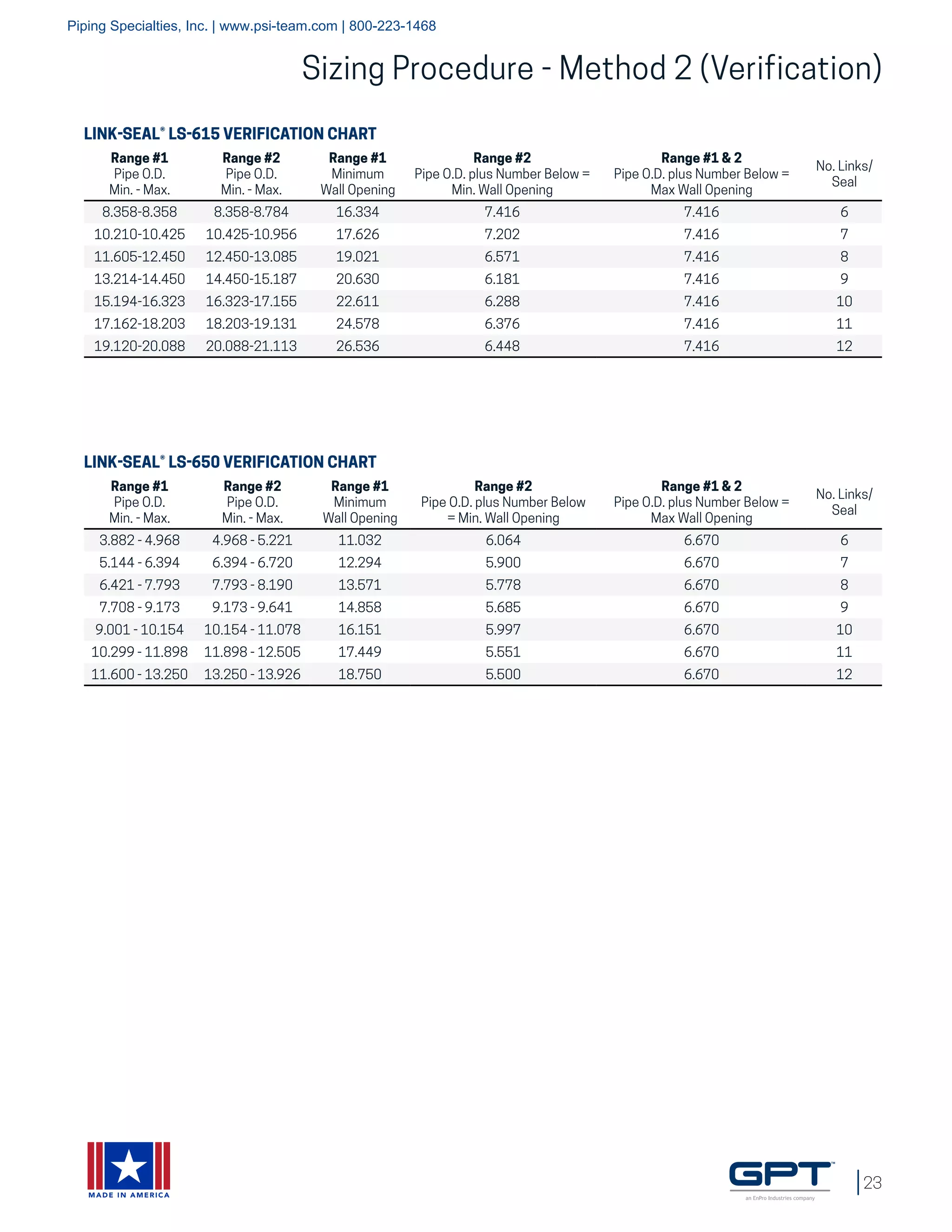
You're probably familiar with the link seal chart, a handy reference tool for anyone working with seals and their applications. It's a simple yet effective visual guide, offering a quick and reliable way to understand seal measurements and types. This chart, with its clear layout, provides an efficient solution for those seeking precise information without the need for extensive research. While the values and formats may vary depending on certain factors, the link seal chart serves as a valuable starting point, ensuring you have the right data at your fingertips.
Link Seal Chart: Unlocking the Secrets of Effective Sealing
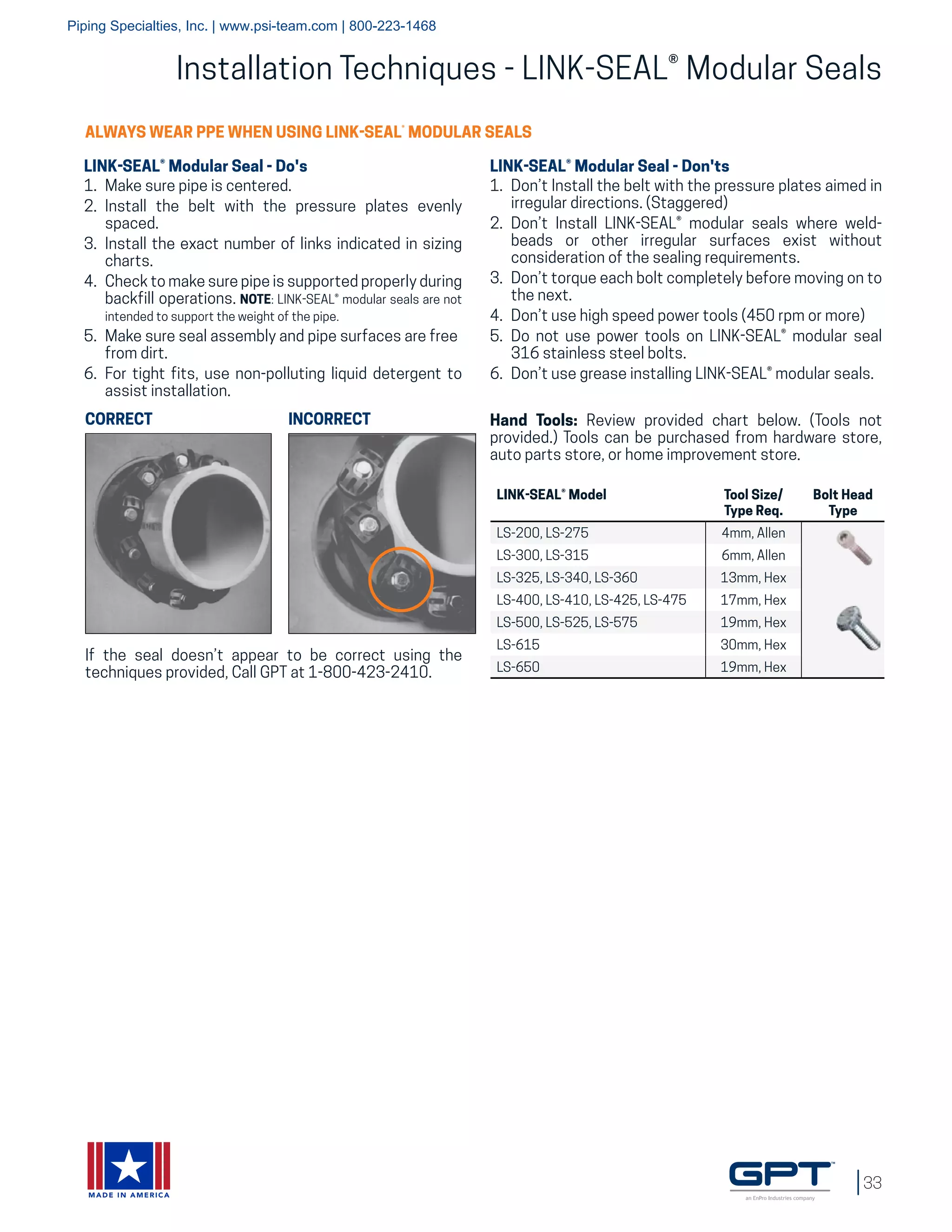
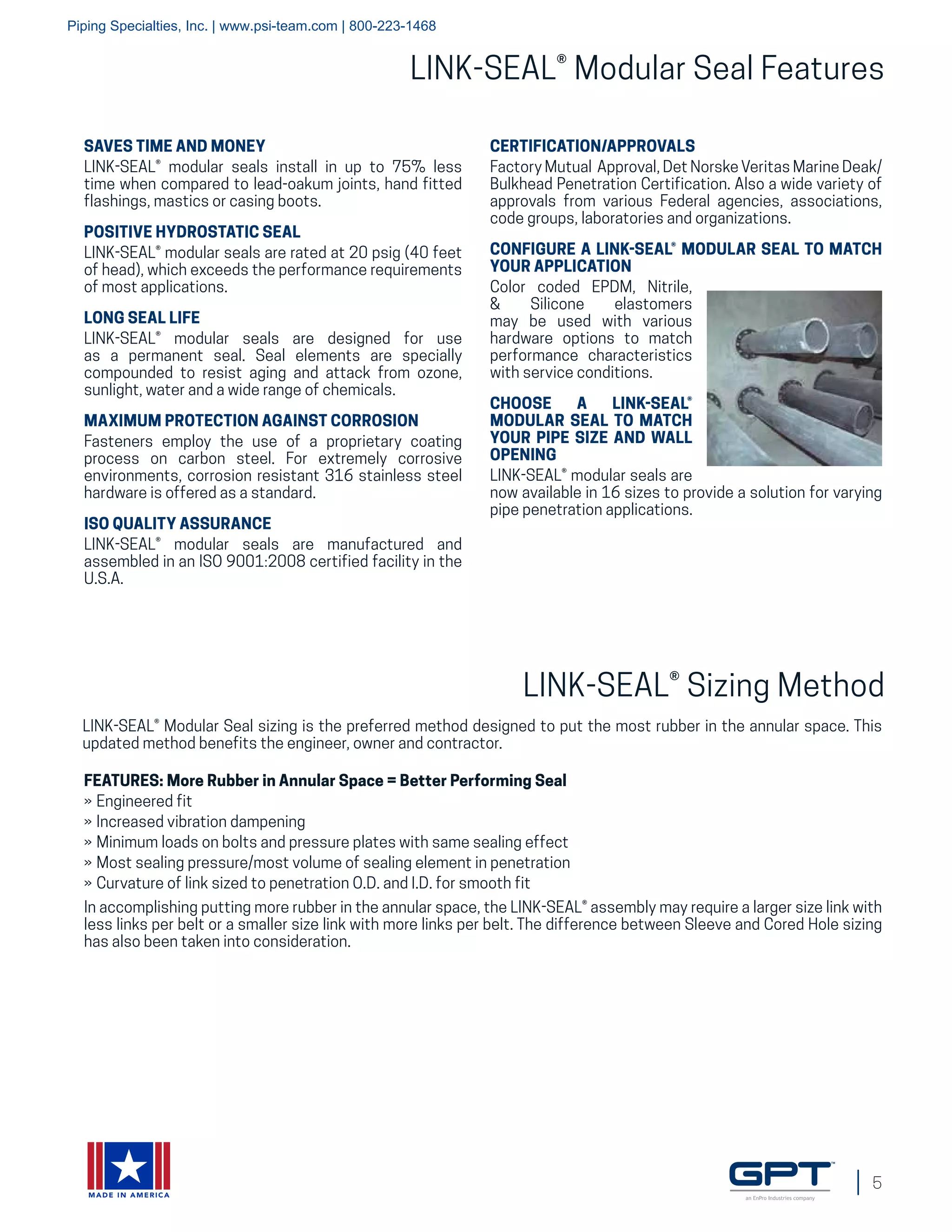
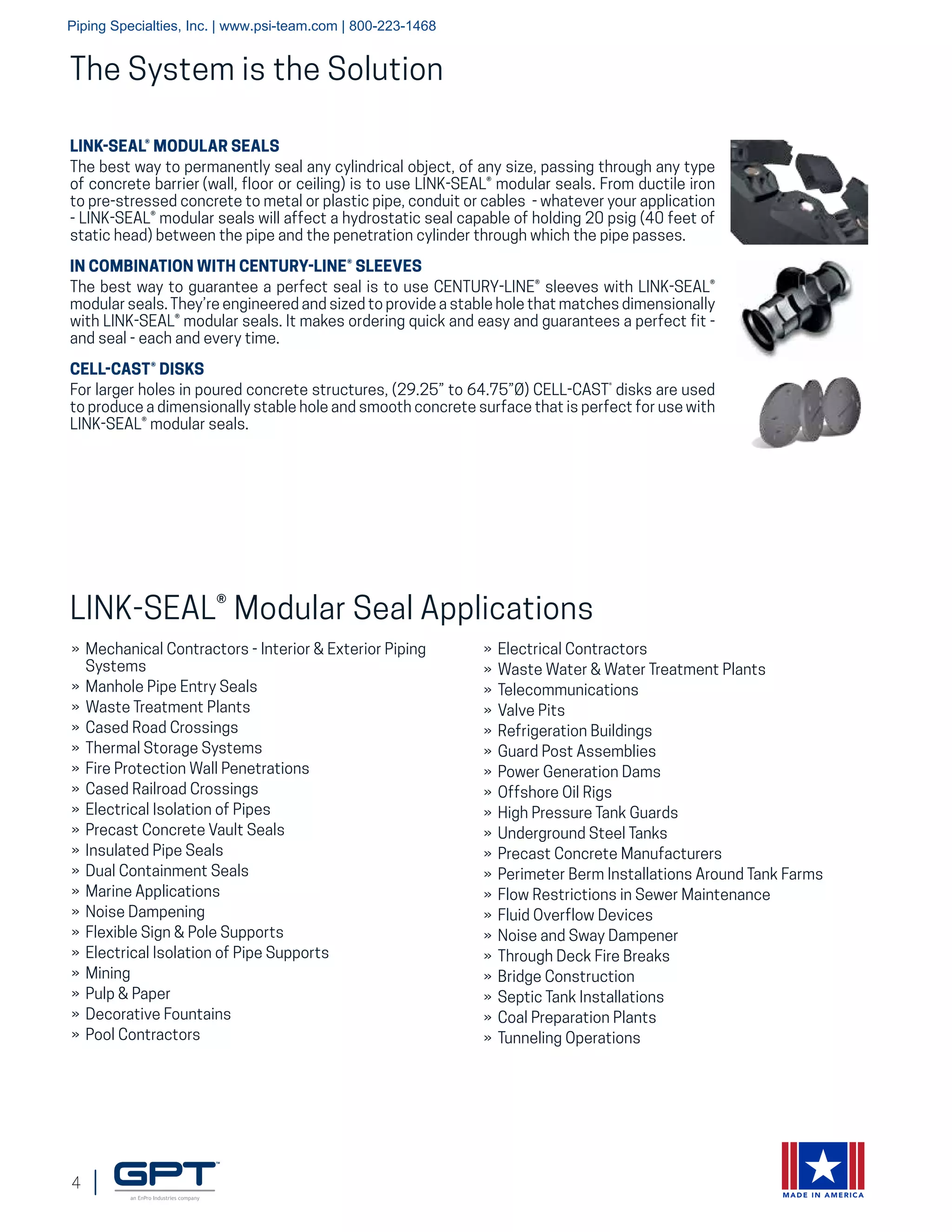
The link seal chart is a valuable tool for anyone involved in construction, engineering, or industries requiring precise sealing solutions. This reference guide provides a clear understanding of the various seal types, their dimensions, and their applications. By using the link seal diagram, you can make informed decisions and ensure successful installations.
Key Measurements and Categories
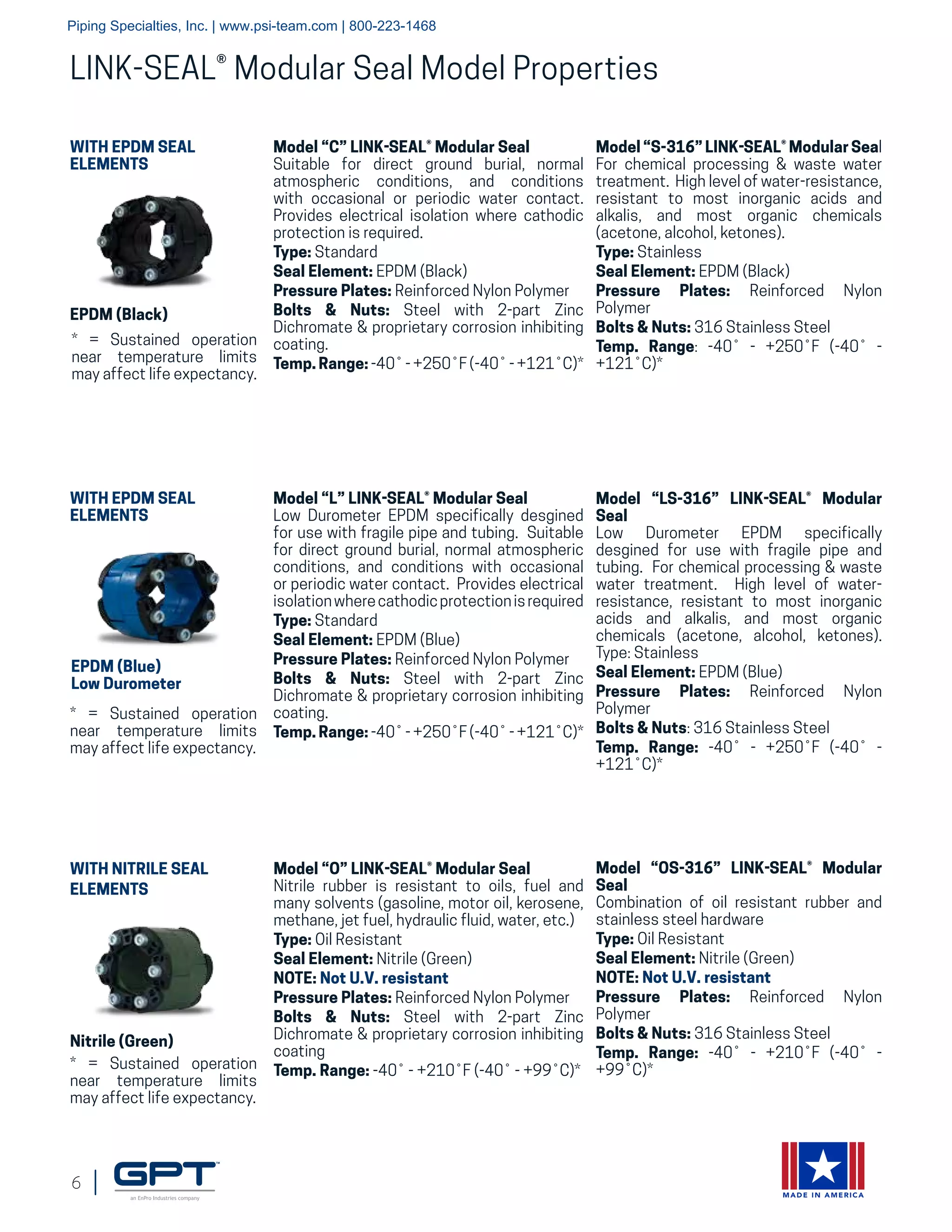
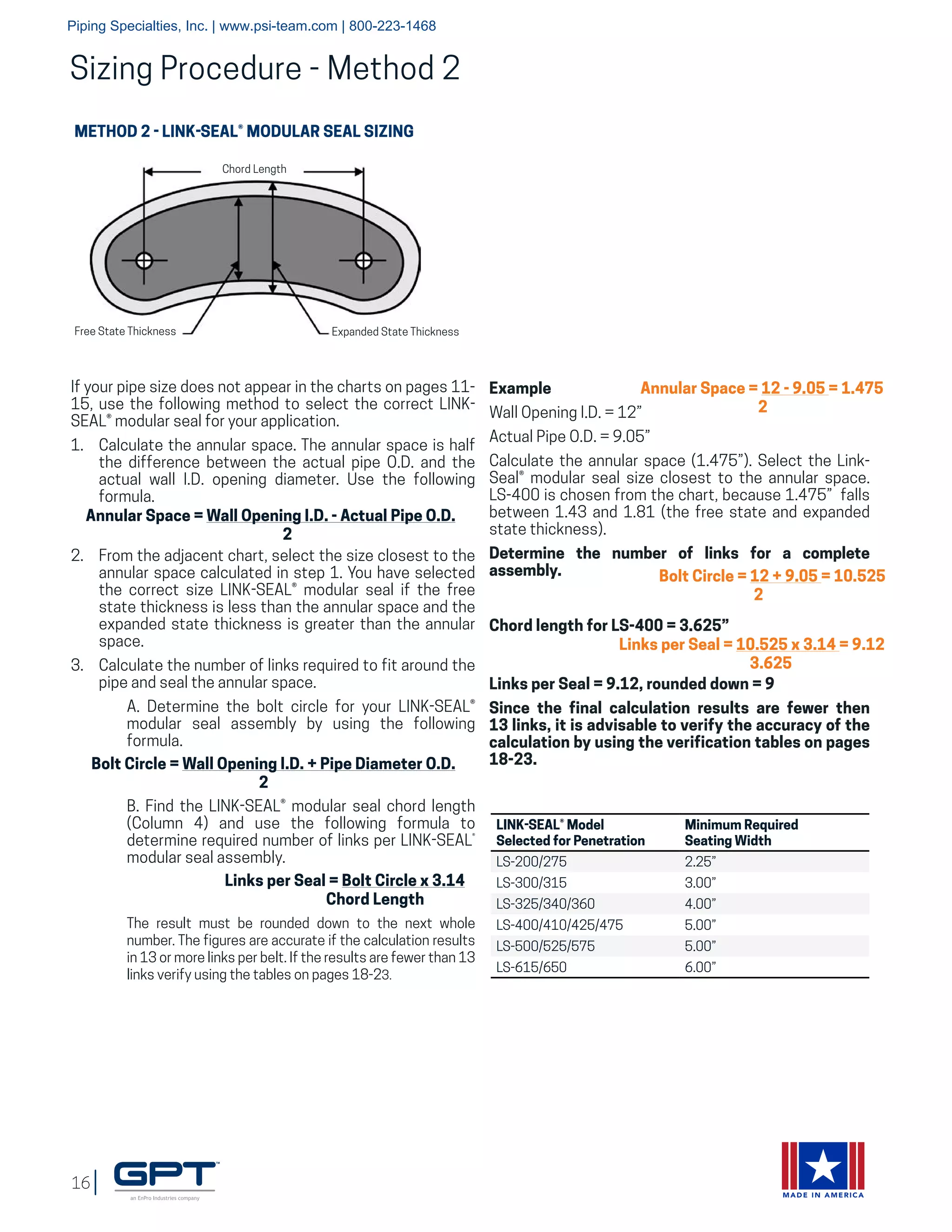
The chart presents a comprehensive overview of standard link seal dimensions, offering a quick reference for professionals. It typically includes columns indicating the seal type, its size or diameter, and other relevant specifications. Common seal types, such as single, double, or triple-link seals, are categorized and measured in inches or millimeters, depending on the standard being used. Each seal type has its unique characteristics and is designed for specific purposes.
Understanding the Chart: A Step-by-Step Guide
Reading the link seal chart is straightforward. First, identify the seal type you require for your project. The chart will provide a range of options, each with its own set of dimensions. Pay close attention to the seal's diameter, as this is a critical measurement for proper installation. Additionally, the chart may offer insights into the seal's material, which is essential for compatibility and durability considerations.
Here's a simple step-by-step process:
- Identify the seal type needed.
- Locate the seal on the chart and note its diameter.
- Check the material and ensure it aligns with your project requirements.
- Cross-reference with industry standards or manufacturer specifications for any specific tolerances or additional details.
Seal Variations and Practical Tips
While the link seal chart provides a valuable framework, variations can occur due to industry standards, regional differences, and specific use cases. It's essential to be aware of these potential discrepancies. Here are some key factors to consider:
- Standard link seal dimensions may differ slightly between regions, so always double-check the relevant standards for your location.
- Manufacturer-specific charts might offer unique seal types or measurements, so refer to their guides for accurate information.
- Environmental factors, such as temperature and pressure, can influence seal performance, so choose seals suitable for your application.
Remember, the link seal chart is a practical tool, but it's essential to adapt and verify the information for your specific project needs. With this guide, you can confidently navigate the world of sealing solutions and ensure successful installations.
Hey there! I hope this link seal chart has been a helpful reference for you. Remember, while the basics remain consistent, the exact details can shift a little based on your specific context or the standards you're working with.
Feel free to keep this page bookmarked for future use. It's always handy to have a quick, reliable guide like this at your fingertips. You might also want to explore some of our other practical guides for more tips and tricks. Happy referencing!