
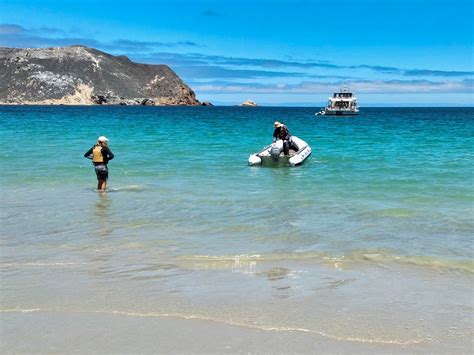
Located off the coast of California, San Miguel Island is the westernmost island in the Channel Islands archipelago. This rugged and remote island has a unique geological history, diverse wildlife, and a rich cultural heritage. With its dramatic landscape and isolated location, San Miguel Island is a fascinating destination for those interested in exploring the natural and human history of the region.
One of the most distinctive features of San Miguel Island is its geological composition. The island is primarily made up of Miocene-age sedimentary rocks, which have been shaped by millions of years of erosion and weathering. The island’s landscape is characterized by steep sea cliffs, rocky shores, and sandy beaches, which provide a habitat for a wide range of marine and terrestrial species. The island’s unique geology has also created a number of interesting landforms, including the iconic Point Bennett, which is known for its dramatic sea arches and towering rock formations.
San Miguel Island is also home to a diverse range of wildlife, including many species that are found nowhere else on Earth. The island is a crucial breeding ground for California sea lions, and its rocky shores and kelp forests provide a habitat for a wide range of marine species, including harbor seals, sea otters, and over 100 species of birds. The island’s interior is also home to a number of endemic species, including the island fox, which is found only on the Channel Islands. The unique combination of terrestrial and marine habitats on San Miguel Island makes it an important location for scientific research and conservation efforts.
In addition to its natural beauty and biodiversity, San Miguel Island also has a rich cultural heritage. The island has been inhabited by humans for thousands of years, with the earliest known inhabitants being the Chumash Native American tribe. The Chumash people lived on the island for centuries, developing a complex society and culture that was closely tied to the island’s natural resources. In the 19th century, the island was used as a ranch, and many of the historic ranch buildings and artifacts are still preserved today. The island is also home to a number of important archaeological sites, including the remains of ancient Chumash villages and ceremonial sites.
For those interested in visiting San Miguel Island, there are a number of ways to experience the island’s natural and cultural beauty. The island is accessible by boat, and a number of tour operators offer guided trips to the island. Visitors can explore the island’s rugged coastline, visit historic ranch buildings, and learn about the island’s unique geology and wildlife. The island is also a popular destination for kayakers and scuba divers, who can explore the island’s dramatic sea caves and kelp forests.
One of the most interesting aspects of San Miguel Island is its unique cultural heritage. The island has been home to a number of different cultures over the centuries, including the Chumash Native American tribe, European settlers, and American ranchers. Each of these cultures has left its mark on the island, and visitors can still see many of the historic buildings and artifacts that remain from these different periods.
In terms of conservation, San Miguel Island is an important location for protecting the unique biodiversity of the Channel Islands. The island is part of the Channel Islands National Park, which was established in 1980 to protect the islands’ natural and cultural resources. The park is managed by the National Park Service, which works to conserve the island’s habitats and species, and to promote sustainable tourism and recreation. Visitors to the island can help support conservation efforts by following park rules and regulations, and by supporting local conservation organizations.
Pros and Cons of Visiting San Miguel Island
- Unique opportunity to experience the natural and cultural beauty of the Channel Islands
- Chance to see a wide range of endemic species and habitats
- Guided tours and educational programs available
- Remote location can make it difficult to access
- Weather conditions can be unpredictable and harsh
- Visitors must follow strict park rules and regulations to protect the island's natural and cultural resources
For those interested in learning more about San Miguel Island, there are a number of resources available. The Channel Islands National Park website provides a wealth of information on the island’s natural and cultural history, as well as practical information on planning a visit. There are also a number of books and articles available on the island’s geology, wildlife, and cultural heritage. Additionally, visitors can attend educational programs and guided tours on the island, which provide a unique opportunity to learn from experts and experience the island’s beauty firsthand.
What is the best time to visit San Miguel Island?
+The best time to visit San Miguel Island is from April to October, when the weather is mild and the seas are calm. However, the island is accessible year-round, and visitors can enjoy a range of activities and experiences during each season.
What are the most important things to bring when visiting San Miguel Island?
+Visitors to San Miguel Island should bring a range of supplies, including food, water, and sunscreen, as well as sturdy hiking boots and layers for changing weather conditions. It is also important to bring a camera and binoculars to capture the island's stunning natural beauty and wildlife.
In conclusion, San Miguel Island is a unique and fascinating destination that offers a wide range of experiences and opportunities for exploration. From its rugged coastline and diverse wildlife to its rich cultural heritage and conservation efforts, the island is an important location for those interested in natural and human history. Whether you are a scientist, a conservationist, or simply someone who loves the outdoors, San Miguel Island is a must-visit destination that is sure to inspire and educate.


