

Sanibel Tide Chart Letter Size Overview
A bat sizes chart is a handy tool for anyone looking to find the perfect bat size, and it's a great starting point for your sporting equipment journey. This guide will cover the basics, showing you how to read and use these charts effectively, whether you're a baseball or softball enthusiast.
These charts provide a quick reference, offering standard bat measurements and sizes, which can vary depending on your sport and age group. It's an easy way to ensure you're on the right track when choosing equipment, and we'll explore the key factors to consider.
Understanding Bat Sizes Chart
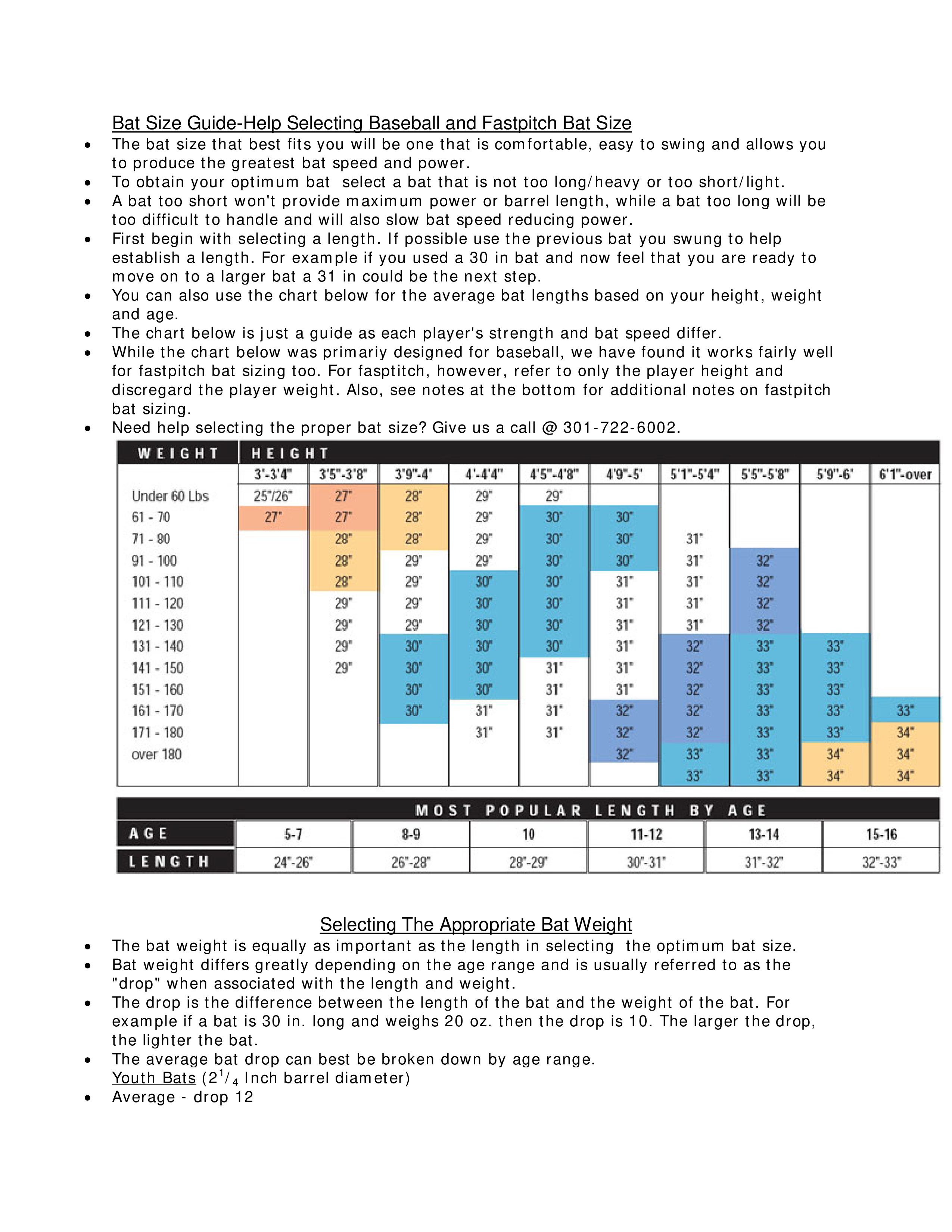
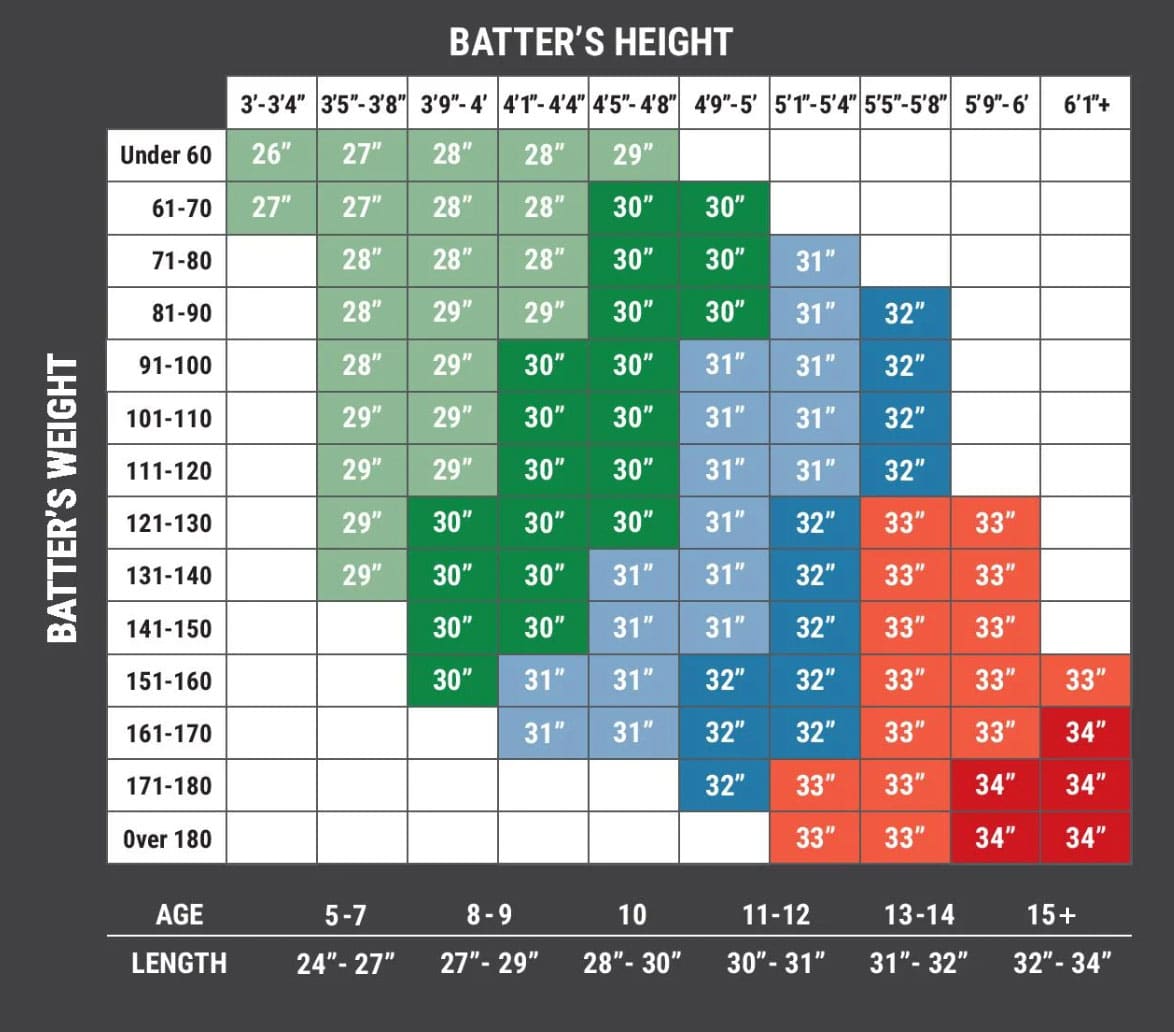
A bat sizes chart is a helpful tool for anyone looking to choose the right bat for their needs. It provides a visual guide to help you determine the ideal length and weight of a bat based on factors like age, height, and the sport you play. This chart is a great starting point, offering a quick reference to ensure you select a bat that suits your physical attributes and playing style.
Key Details and Categories
The bat sizes chart typically displays two main categories: length and weight. Length is usually measured in inches, with common sizes ranging from 24 to 34 inches. Weight is often shown in ounces, with a variety of options available. The chart may also include age and height recommendations to guide your selection. Remember, these charts are designed as a general guide, so it's important to consider individual preferences and playing experience.
How to Read and Apply the Chart
Using the bat sizes chart is straightforward. First, identify your age group or height range. Then, find the corresponding recommended length and weight ranges. For example, if you're an adult, the chart might suggest a longer and heavier bat, while youth players may need shorter and lighter options. It's essential to consider your comfort and swing speed when choosing. If you prefer a faster swing, a lighter bat might be best, even if the chart suggests a heavier one for your age.
Bat Size Variations and Differences
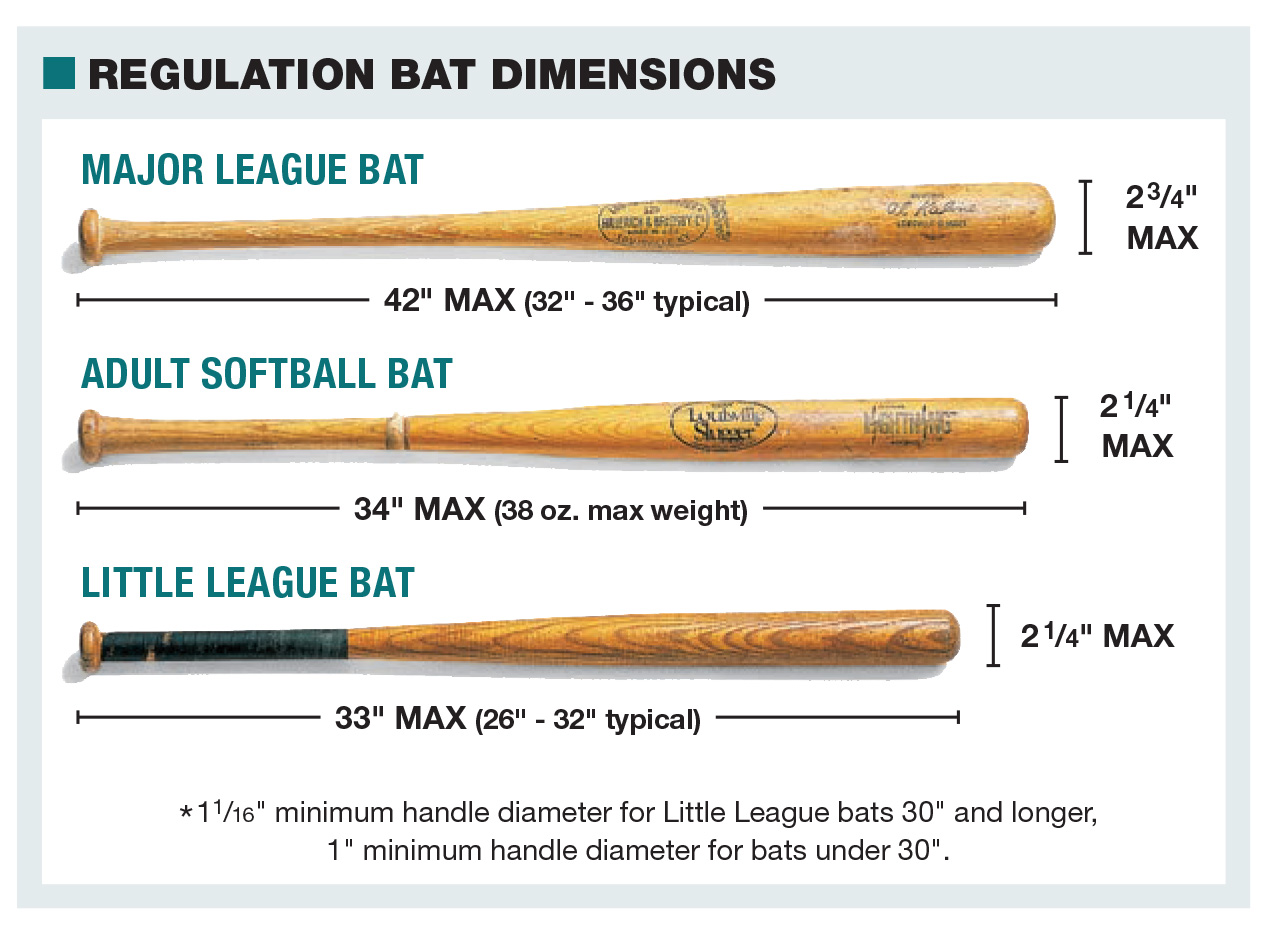
Bat sizes charts can vary depending on the sport and the standards used. For instance, baseball bat size charts and softball bat sizing guides may have different length and weight recommendations. Additionally, manufacturers might offer slightly different measurements or weight distributions. It's crucial to check the specific sport and brand guidelines to ensure you get the right bat for your needs. Regional variations also exist, with some countries using metric measurements, which can impact the chart's values.
Common Mistakes and How to Avoid Them
One common mistake is relying solely on the chart without considering personal preferences. Always try out a few bats to find the one that feels comfortable in your hands and allows for a smooth swing. Another pitfall is neglecting to check the latest standards and regulations, especially for competitive play. These can change over time, so it's essential to stay updated. Lastly, don't forget to measure your bat properly. Incorrect measurements can lead to an ill-fitting bat, affecting your performance. Always double-check your measurements against the chart's specifications.
Hey there, I hope this bat size chart has been helpful and easy to navigate. Remember, when it comes to choosing the right bat, it's all about finding the perfect fit for your game.
While this guide provides a solid foundation, it's always a good idea to double-check the specific requirements or regulations for your league or competition. Exact values can vary, so it's best to be prepared and ensure you're covered.
Feel free to explore more of our sports equipment guides and resources. We've got plenty of practical tips and insights to share, so stick around and discover more!
Related: Find Your Perfect Fit: Brooks Size Chart
The Brooks size chart is a valuable tool for anyone seeking accurate sizing information, offering a simple and effective way to find the right fit. This guide will navigate you through the various charts and sizing guides Brooks provides, ensuring you understand the process and can make an informed choice. Whether you're after a precise shoe size or need to find the perfect bra fit, these charts are designed to simplify the process, and we'll explore how to utilize them effectively.
Understanding the Brooks Size Chart
The Brooks size chart is a valuable tool for anyone looking to find their perfect fit in Brooks footwear and apparel. It provides a comprehensive guide to help you determine your ideal size across various Brooks products, ensuring a comfortable and precise fit. This chart serves as a reference, offering size conversions and measurements to assist you in making informed choices.
Key Details and Categories
The Brooks size chart covers a range of sizes, typically starting from smaller sizes like 5 or 6 and extending up to larger sizes, such as 12 or 13, depending on the product category. It includes both men's and women's sizes, with separate charts for shoes and apparel. The shoe size chart provides measurements in both US and UK sizes, offering a conversion guide for international customers. For apparel, the chart typically uses standard sizing categories like small, medium, and large, with specific measurements for each category.
Step-by-Step Guide: Reading and Applying the Size Chart
To utilize the Brooks size chart, follow these steps:
- Identify the product category you are interested in, whether it's shoes or apparel.
- Locate the corresponding size chart for your gender.
- For shoes, find your US or UK size and refer to the provided measurements. Ensure you measure your foot length accurately, as this is crucial for a precise fit.
- In the case of apparel, identify your size category (e.g., small, medium) and refer to the provided measurements for chest, waist, and hip sizes.
- Compare your measurements with the size chart to determine the best fit. If your measurements fall between sizes, consider opting for the larger size for a more comfortable fit.
- Remember, the Brooks size chart serves as a guide, and individual preferences may vary. It's always a good idea to try on the product to ensure the perfect fit.
Size Variations and Differences
It's important to note that size variations can occur across different Brooks products and even within the same product line. These variations may be due to factors such as the intended use of the product, the materials used, or design differences. For instance, running shoes might have a slightly different fit compared to casual footwear. Additionally, Brooks may offer specialized fits, like wide or narrow options, to cater to individual foot shapes. Always refer to the specific size chart for the product you are interested in to ensure accuracy.
Common Mistakes and How to Avoid Them
When using the Brooks size chart, avoid these common mistakes:
- Relying solely on your usual shoe size without considering the specific fit of Brooks shoes.
- Neglecting to measure your feet accurately, especially if you're between sizes.
- Assuming that all Brooks apparel will fit the same; always refer to the size chart for each product.
- Failing to account for personal preferences; some may prefer a tighter or looser fit, so consider your comfort level.
- Not checking the size chart for any specific fit options, like wide or narrow, that may be available. By being mindful of these potential pitfalls, you can ensure a more accurate and satisfying shopping experience with the Brooks size chart.
Well, there you have it! A simple yet effective guide to understanding Brooks' size chart. Remember, these charts are a great tool, but it's always wise to confirm the specific details for your unique needs.
Don't forget to keep this page handy for future reference. It's a quick and easy way to ensure you're on the right track when it comes to sizing, and it might just save you some time and hassle down the line. Consider it your go-to resource for a smooth and stress-free sizing experience.
Related: Diaper Size Chart: A Quick Reference Guide
A common misconception about diaper size charts is that they are one-size-fits-all, but in reality, these charts are a guide, and an important one at that, to help you find the perfect fit for your little one. While it may seem straightforward, choosing the right diaper size is crucial for your baby's comfort and well-being.
These charts provide a quick reference, offering a range of sizes and their corresponding weight and height recommendations. It's a simple tool, but one that can save you from the hassle of constantly guessing and ensuring your baby has the right-sized diaper. With various brands and types available, including cloth and disposable options, the diaper size chart is your go-to resource for an accurate fit.
Understanding the Diaper Size Chart: A Practical Overview
The diaper size chart is a handy tool for parents and caregivers, offering a quick reference guide to ensure your little one's diaper fits perfectly. This chart provides a simple way to match your baby's weight and waist size to the right diaper size, typically categorized by letters or numbers.
Comparing Diaper Size Standards and Formats
Diaper size charts can vary depending on the brand and region. While most follow a similar format, the specific weight and waist measurements may differ slightly. For instance, some brands might use a letter-based system (e.g., S, M, L), while others prefer a numerical approach (e.g., 1, 2, 3). Additionally, international standards may use different units, such as kilograms and centimeters, so it's essential to check the chart's origin.
Step-by-Step Guide to Using the Diaper Size Chart
Here's a simple process to determine the correct diaper size for your baby:
Weigh your baby: Use a reliable scale to get an accurate weight measurement.
Measure the waist: Place your baby on their back and use a soft measuring tape to get the waist circumference. Ensure the tape is snug but not tight.
Refer to the chart: Locate your baby's weight and waist size on the diaper size chart. The chart will guide you to the appropriate diaper size, usually indicated by a letter or number.
Choose the right diaper: Select diapers that match the size indicated on the chart.
Common Misreadings and How to Avoid Them
It's easy to misinterpret the diaper size chart, especially if you're new to parenting. Here are some common mistakes and how to avoid them:
Don't rely solely on age: While age can be a rough guide, it's not always accurate. Babies grow at different rates, so always check the weight and waist measurements.
Understand weight ranges: Diaper sizes often cover a range of weights. Ensure your baby's weight falls within the specified range for that size.
Consider growth spurts: If your baby is going through a growth spurt, their weight and size may change rapidly. Regularly check the chart to ensure you're still using the right size.
Factors Affecting Accuracy: Key Considerations
Several factors can impact the accuracy of the diaper size chart:
Cloth vs. disposable diapers: Cloth diapers often have different sizing standards, so ensure you're using the right chart.
Baby's build: Some babies have a stockier build, while others are longer and leaner. The chart provides a general guide, but individual variations may require some trial and error.
Manufacturer variations: Different diaper brands may have slightly different sizing standards, so always check the specific brand's chart.
Newborns and preemies: Newborn and preemie diaper sizes are critical, as these babies have unique needs. Ensure you're using the correct chart for their specific size.
Adapting the Diaper Size Chart for Your Needs
While most diaper size charts provide a general guide, you may need to adapt them for specific situations:
Premature babies: Preemie diaper sizes are essential for these tiny babies. Ensure you're using a chart designed for premature infants, as their sizes may differ significantly from full-term babies.
Mixed-age daycare: If you're caring for multiple children of different ages, you may need to refer to different charts or have a clear system to ensure each child gets the right size.
Overweight or underweight babies: If your baby is significantly above or below the average weight for their age, you may need to consult a healthcare professional for advice on the best diaper size.
Keeping Your Diaper Size Guide Reliable
To ensure your diaper size chart remains accurate and reliable:
Regularly update: As your baby grows, their size will change. Ensure you update your chart or refer to a newer version to account for these changes.
Check for updates: Manufacturers may update their sizing standards over time. Stay informed by checking for the latest charts or asking healthcare professionals or other parents for recommendations.
Keep a record: Consider keeping a record of your baby's weight and waist measurements. This can help you quickly identify when it's time to move up a size and ensure a perfect fit every time.
Well, that's a wrap on our diaper size chart guide! We've covered a lot of ground, from understanding the different standards to finding the right fit and avoiding common mistakes. Remember, when it comes to diaper sizing, exact details might differ slightly, so always refer to the brand's guidelines or consult a professional if needed.
If you found this guide helpful, why not explore more of our practical parenting resources? We've got plenty of other tips and tricks to share, so feel free to browse and discover something new!