



Sankey Chart Excel Sheet Overview
Many people overlook the importance of a sock size chart and its accuracy, often leading to ill-fitting socks and discomfort. This simple tool is your secret weapon against blisters and sore feet!
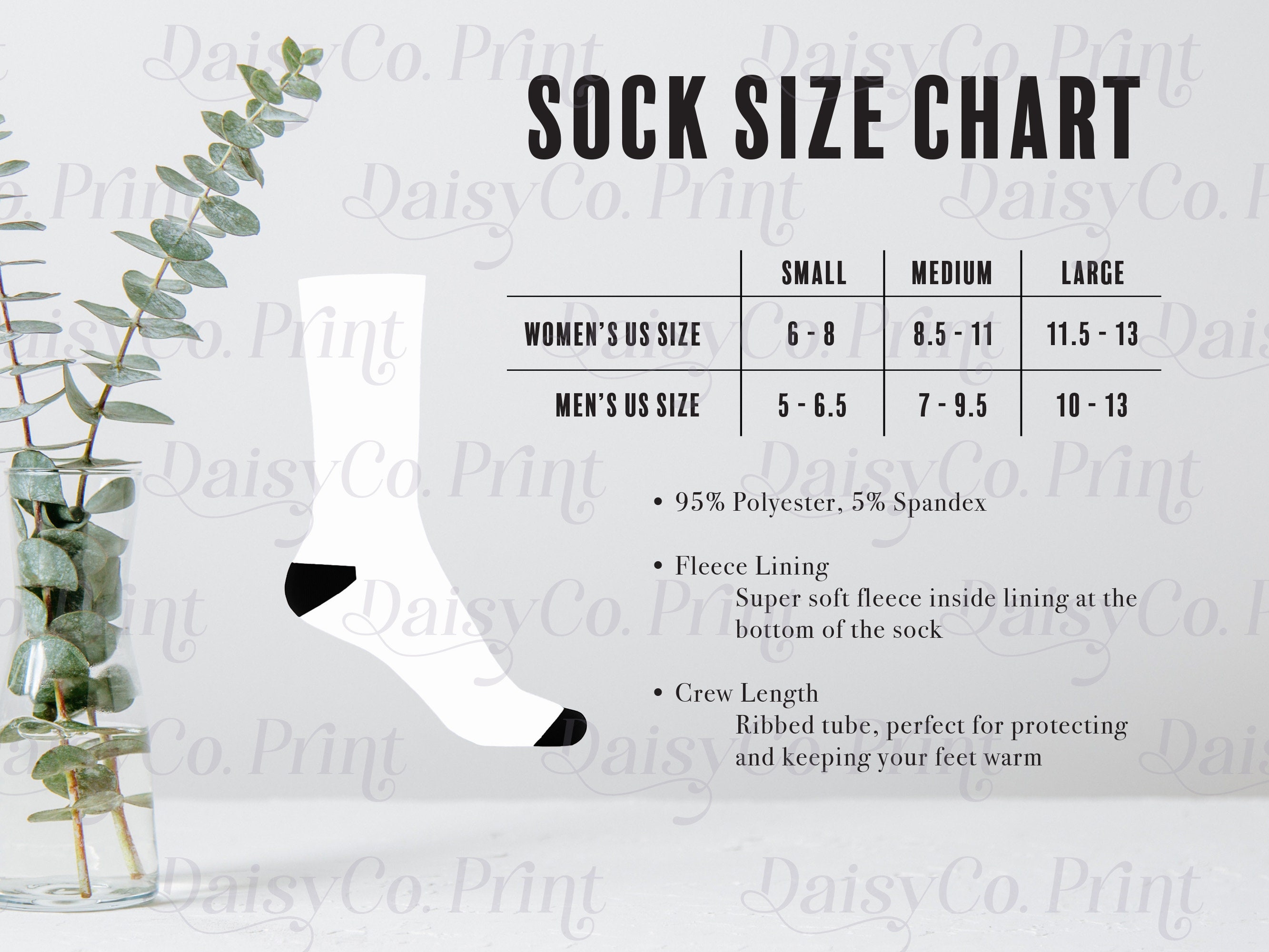
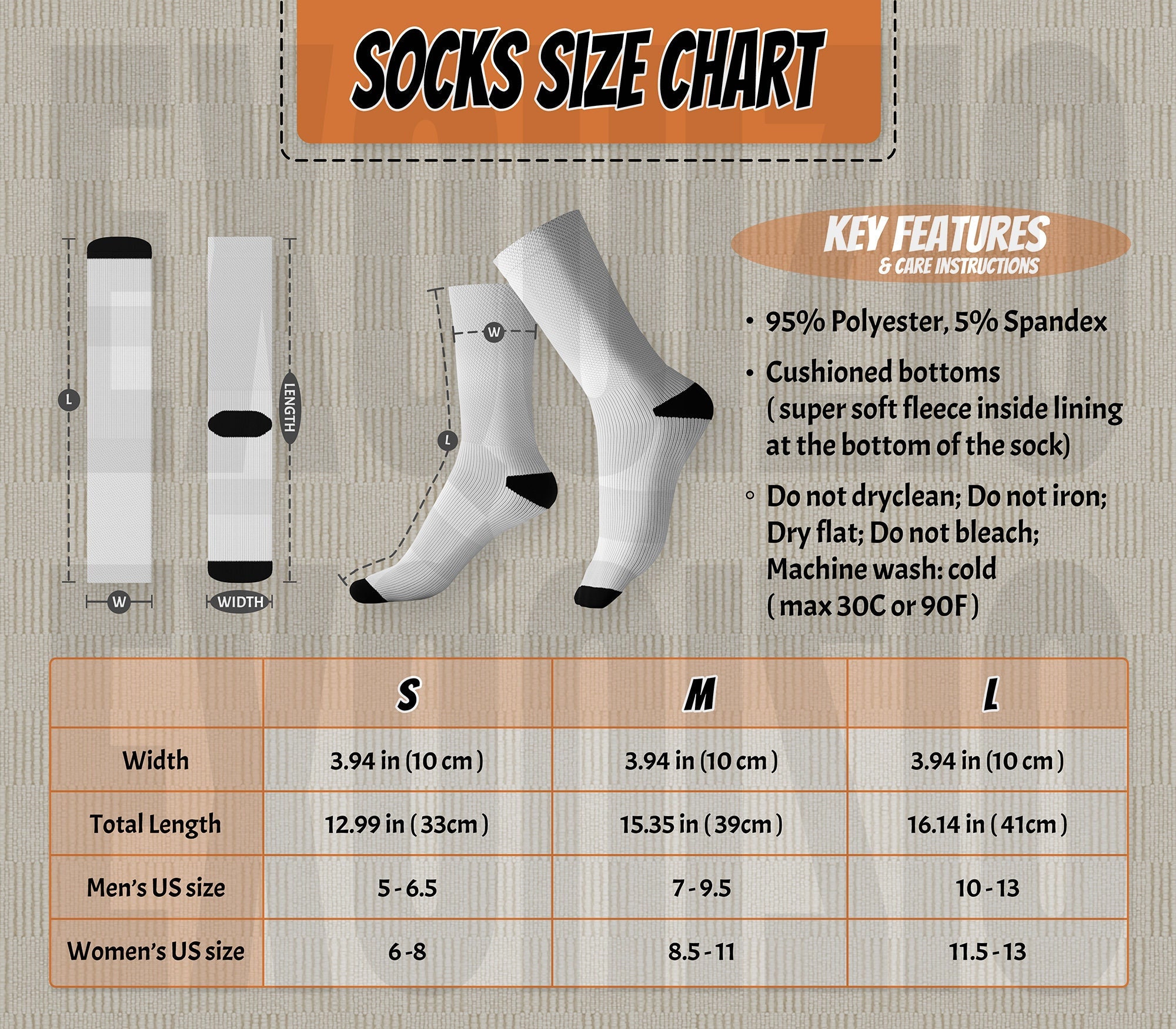
A sock size chart is a straightforward reference, yet it can vary depending on the brand and region. It's a quick guide to ensure you choose the right size, and it's especially useful when buying online. Think of it as a map to finding the perfect fit, guiding you through the process of matching your foot measurements to the right sock size.
Understanding the Sock Size Chart
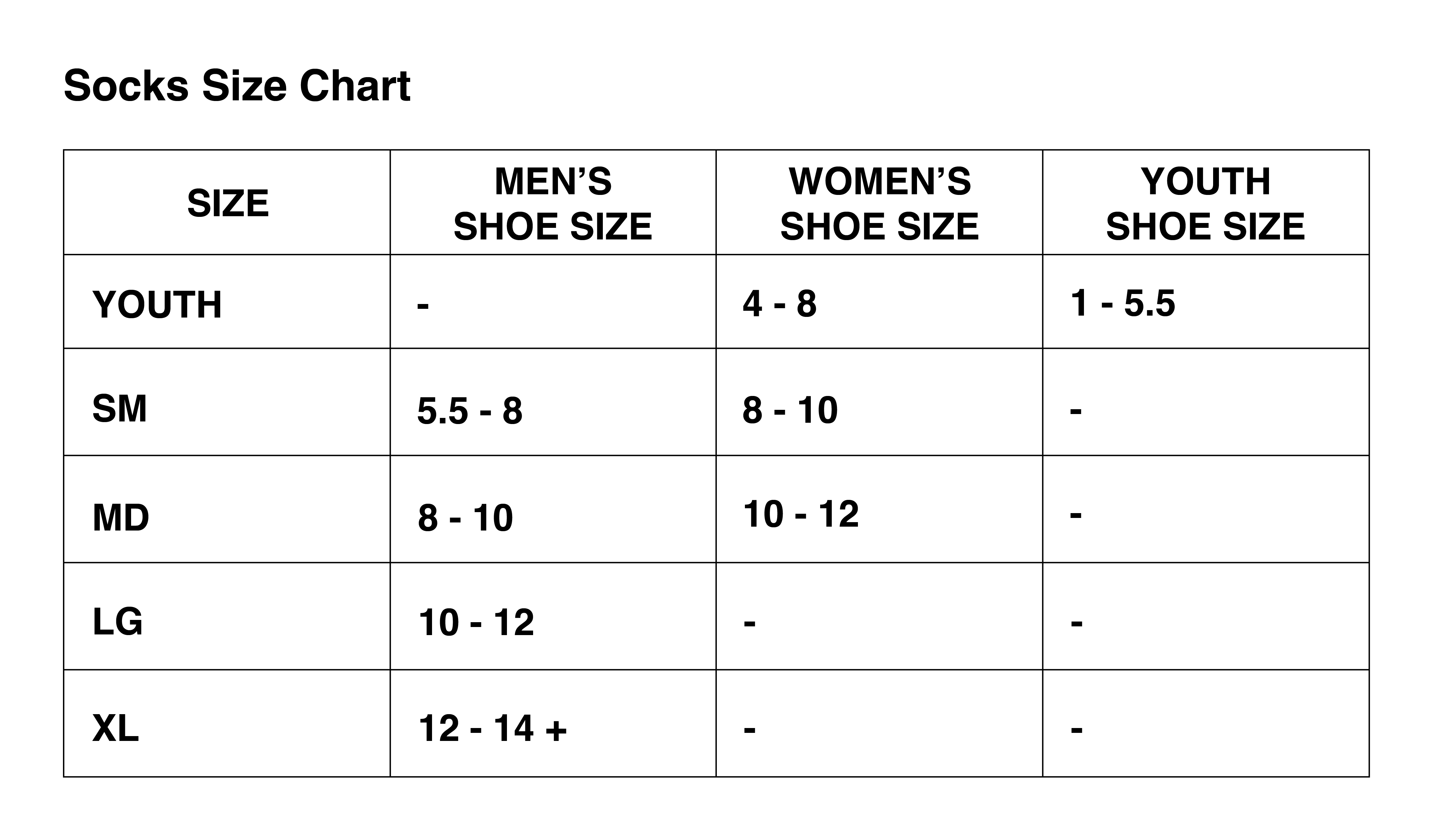
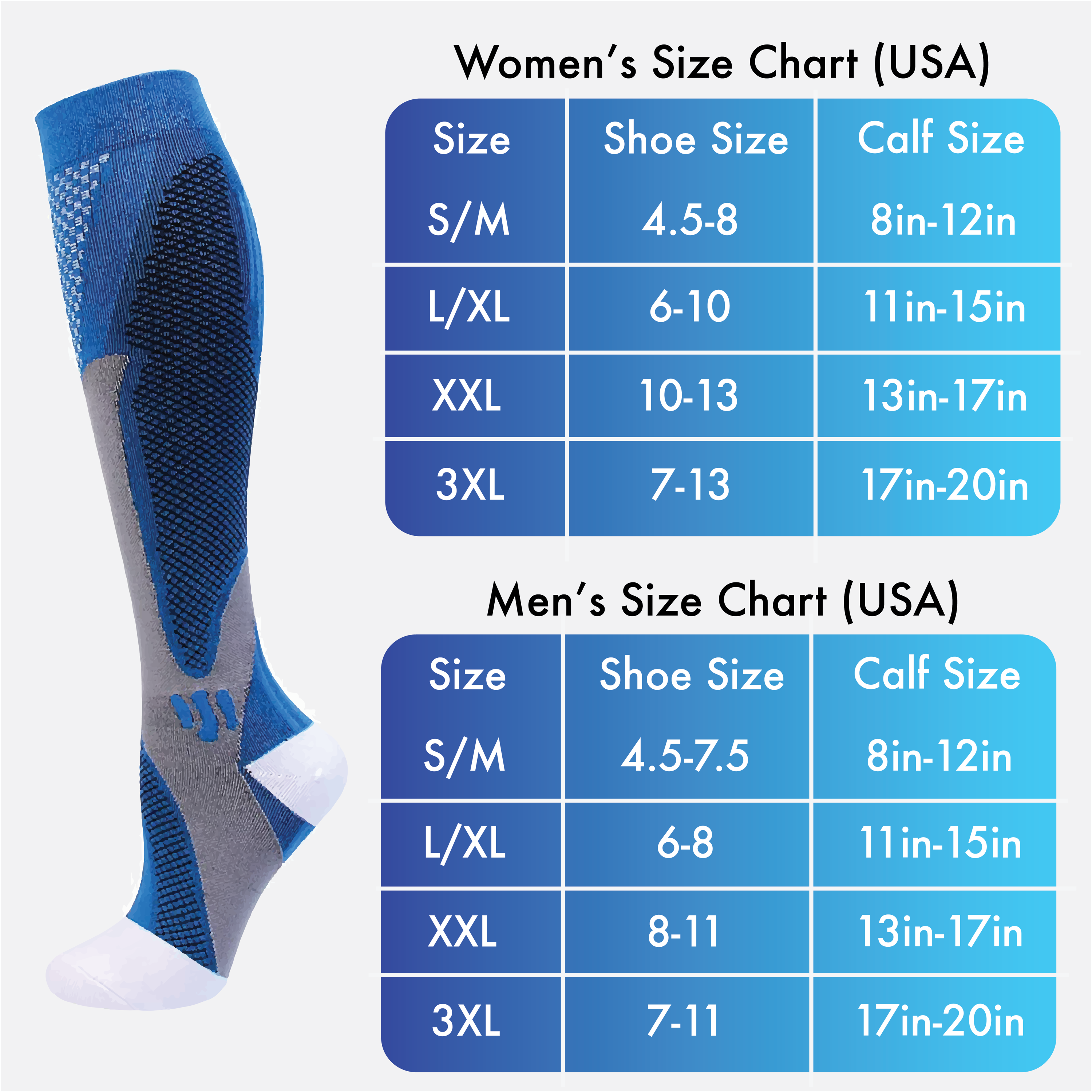
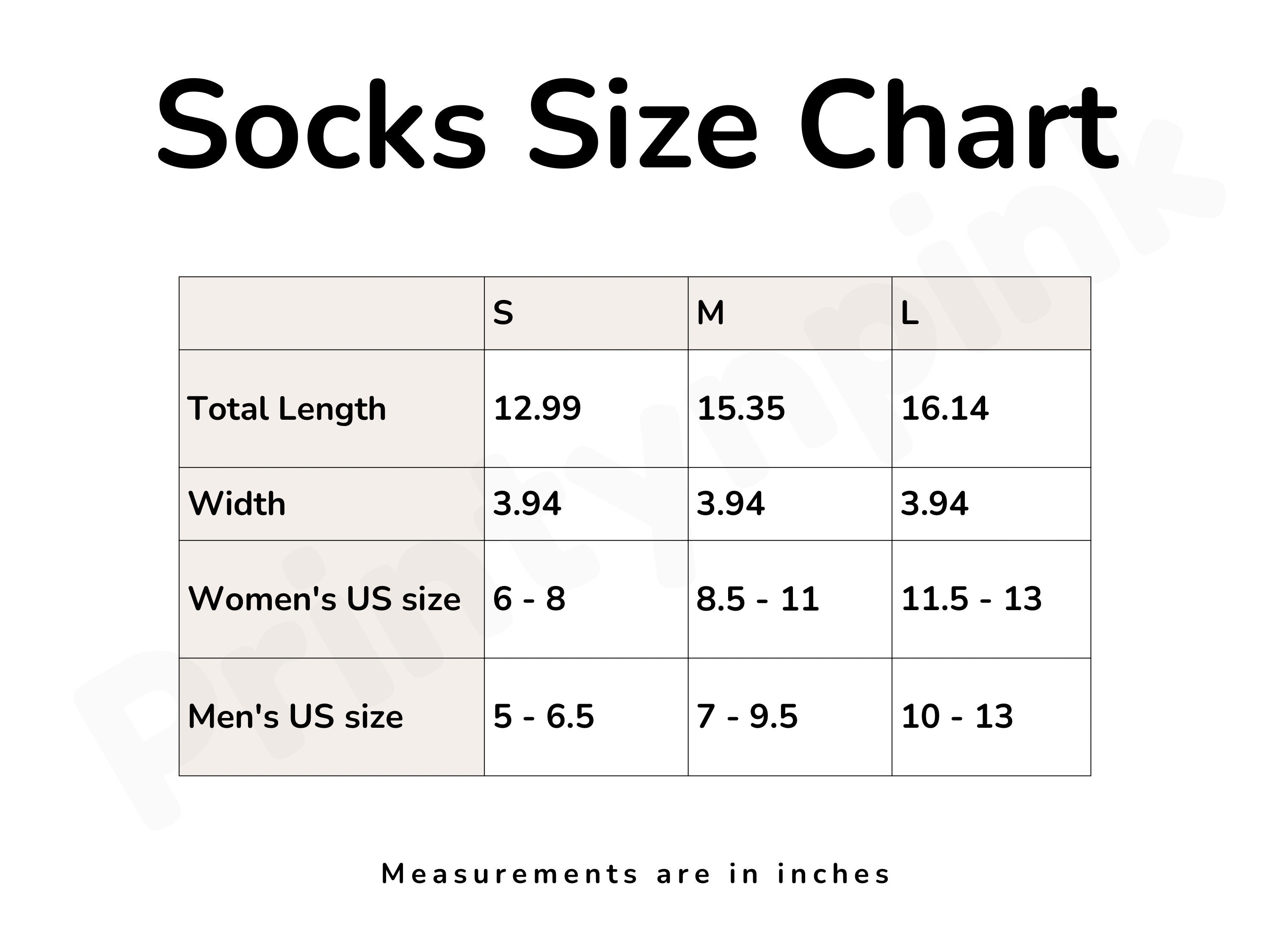
A sock size chart is your go-to guide for finding the perfect fit for your feet. It's a simple tool that helps you match your foot measurements to the right sock size, ensuring comfort and avoiding any awkward bunching or slipping.
Key Details and Categories
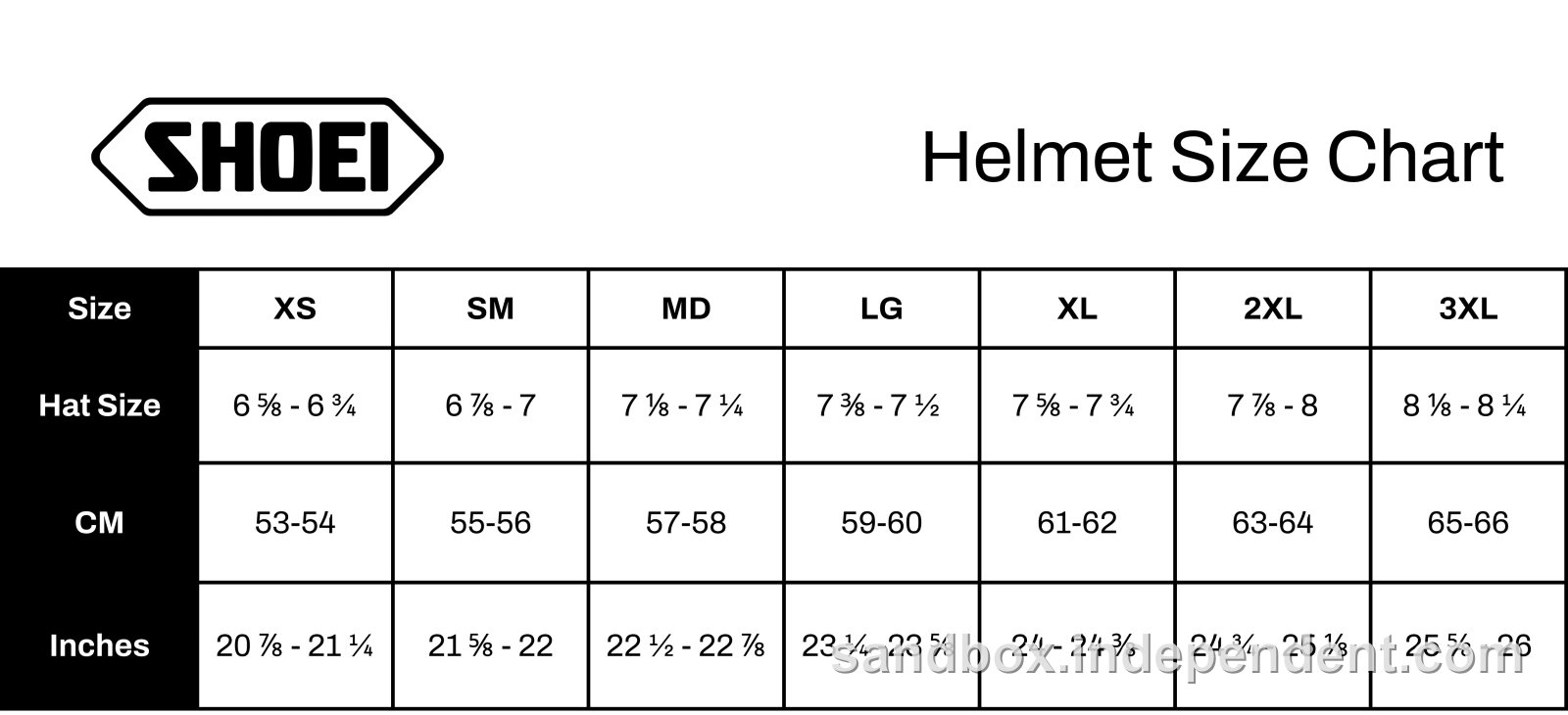
The chart typically displays two main categories: foot length and sock size. Foot length is usually measured in centimeters (cm) or inches, and it's the distance from the heel to the tip of your longest toe. Sock size, on the other hand, is a standardized measurement that corresponds to this foot length. It's important to note that sock size charts can vary slightly depending on the region and manufacturer, so it's good to check if you're using an international sock size chart or one specific to your country.
How to Read and Apply the Chart
Using a sock size chart is straightforward:
Measure your foot length. Place your foot on a flat surface and use a ruler or measuring tape to get the distance from your heel to the longest toe.
Find your foot length on the chart. Look for the column or row that matches your measured foot length.
Identify the corresponding sock size. The intersecting row or column will give you the recommended sock size.
Choose your socks. Now you can confidently pick your socks, knowing they'll fit comfortably and snugly.
Variations and Differences
While sock size charts provide a standardized guide, there can be variations across different brands and manufacturers. Some may have slightly different size ranges or use unique sizing systems. It's always a good idea to check the brand's specific size guide, especially if you're ordering online or trying a new brand. Additionally, the type of sock (e.g., crew, ankle, or no-show) can also impact the fit, so consider the style you prefer.
Common Mistakes and How to Avoid Them
One of the most common mistakes is not measuring your foot length accurately. Ensure you're standing up and placing your foot flat on the measuring surface. Another pitfall is assuming all sock size charts are the same. Always double-check if you're using an international or regional chart, especially when shopping online or across borders. Lastly, remember that foot shape and width can also affect the fit, so consider trying on socks if possible, or opting for a brand that offers a generous return policy.
Well, that's a wrap on our sock size chart adventure! You now have the tools to ensure you're always getting the perfect fit, which is a win-win for your comfort and style.
Remember, while this guide offers a solid framework, exact values can vary slightly between different standards and sources. So, take a moment to double-check the specific requirements or guidelines relevant to your context. And there you have it—a simple yet effective way to ensure your socks are always a snug and cozy fit!
Related: Understand the Wire Color Chart: A Quick Guide
You've likely found yourself here because you're seeking a simple, reliable guide to understanding wire color charts and their applications. Whether you're an electrician, a DIY enthusiast, or simply tackling a home wiring project, these charts are an essential tool for accurate identification and safe electrical work. While the values and formats may vary depending on your region and the specific standards followed, the wire color chart remains a universal reference, offering a clear and consistent way to identify wire functions and characteristics.
Understanding the Wire Color Chart: A Practical Guide
The wire color chart is an essential tool for anyone working with electrical wiring, providing a quick reference to identify and understand the purpose of different wire colors. This chart serves as a visual guide, offering a simple yet effective way to navigate the complex world of electrical systems.
Comparing Color Patterns and Standards
Various color patterns and standards exist, and it's crucial to know which one applies to your specific context. The most common standard is the wire color code, which is widely used in North America. This standard assigns colors to indicate the function of each wire, such as hot, neutral, and ground. Other regions may follow different conventions, so it's important to be aware of these variations.
Step-by-Step Guide to Using the Chart
Here's a simple process to utilize the wire color chart effectively:
- Identify the standard or region-specific chart that applies to your wiring system. This ensures accuracy and safety.
- Locate the specific wire you want to identify on the chart. Look for the color and, if available, any additional markings or stripes.
- Refer to the chart's legend or key to interpret the color's meaning. It will provide information about the wire's function, such as voltage level or conductor type.
- Cross-reference the chart with any additional information or specifications provided by the manufacturer or relevant standards. This step ensures you have a complete understanding of the wire's purpose and any specific requirements.
Troubleshooting Misreadings and Pitfalls
Misinterpreting wire colors can lead to serious safety hazards. Always double-check your readings and consider these common pitfalls:
- Faded or discolored wires: Over time, exposure to elements can cause wires to change color. Ensure you are referring to the current and accurate color of the wire.
- Multiple standards: Be aware of different standards and their variations. For example, the voltage color code may differ between countries or regions.
- Manufacturer-specific codes: Some manufacturers use unique color codes for specific applications. Always refer to the relevant documentation or consult an expert if needed.
Factors Affecting Accuracy and Real-World Use
Several factors can influence the accuracy of the wire color chart and its practical application:
- Age and condition of wiring: Older wiring may have faded or damaged insulation, making color identification challenging.
- Custom installations: In some cases, wires may be custom-colored or marked, especially in specialized industrial applications.
- International variations: As mentioned, different countries and regions have their own standards and color codes. Always verify the applicable standard for your location.
- Safety considerations: Always prioritize safety when working with electrical systems. If in doubt, consult a qualified electrician or refer to official guidelines.
Adapting the Chart for Specific Needs
The wire color chart can be adapted to suit various needs and applications. Here are some considerations:
- Custom charts: If you work with specialized wiring or have unique requirements, creating a custom chart or color-coding system can be beneficial. Ensure it is well-documented and shared with relevant personnel.
- Color-coding consistency: Maintain consistency in your color-coding practices to avoid confusion. This is especially important in large-scale projects or when multiple teams are involved.
- Refer to industry guidelines: For specific industries or applications, there may be established guidelines or best practices for wire color-coding. Follow these recommendations to ensure compliance and safety.
While the wire color chart is a valuable tool, it's important to remember that variations exist. Exact details may differ slightly between different standards or sources, so it's always a good idea to double-check and ensure you're using the right reference for your specific needs.
Feel free to explore our other guides for more practical tips and insights. We've got a range of topics covered, so you can find the information you need to tackle any project with confidence.
Related: Bat Sizes Chart: A Clear Guide for Selection
A bat sizes chart is a handy tool for anyone looking to find the perfect bat size, and it's a great starting point for your sporting equipment journey. This guide will cover the basics, showing you how to read and use these charts effectively, whether you're a baseball or softball enthusiast.
These charts provide a quick reference, offering standard bat measurements and sizes, which can vary depending on your sport and age group. It's an easy way to ensure you're on the right track when choosing equipment, and we'll explore the key factors to consider.
Understanding Bat Sizes Chart
A bat sizes chart is a helpful tool for anyone looking to choose the right bat for their needs. It provides a visual guide to help you determine the ideal length and weight of a bat based on factors like age, height, and the sport you play. This chart is a great starting point, offering a quick reference to ensure you select a bat that suits your physical attributes and playing style.
Key Details and Categories
The bat sizes chart typically displays two main categories: length and weight. Length is usually measured in inches, with common sizes ranging from 24 to 34 inches. Weight is often shown in ounces, with a variety of options available. The chart may also include age and height recommendations to guide your selection. Remember, these charts are designed as a general guide, so it's important to consider individual preferences and playing experience.
How to Read and Apply the Chart
Using the bat sizes chart is straightforward. First, identify your age group or height range. Then, find the corresponding recommended length and weight ranges. For example, if you're an adult, the chart might suggest a longer and heavier bat, while youth players may need shorter and lighter options. It's essential to consider your comfort and swing speed when choosing. If you prefer a faster swing, a lighter bat might be best, even if the chart suggests a heavier one for your age.
Bat Size Variations and Differences
Bat sizes charts can vary depending on the sport and the standards used. For instance, baseball bat size charts and softball bat sizing guides may have different length and weight recommendations. Additionally, manufacturers might offer slightly different measurements or weight distributions. It's crucial to check the specific sport and brand guidelines to ensure you get the right bat for your needs. Regional variations also exist, with some countries using metric measurements, which can impact the chart's values.
Common Mistakes and How to Avoid Them
One common mistake is relying solely on the chart without considering personal preferences. Always try out a few bats to find the one that feels comfortable in your hands and allows for a smooth swing. Another pitfall is neglecting to check the latest standards and regulations, especially for competitive play. These can change over time, so it's essential to stay updated. Lastly, don't forget to measure your bat properly. Incorrect measurements can lead to an ill-fitting bat, affecting your performance. Always double-check your measurements against the chart's specifications.
Hey there, I hope this bat size chart has been helpful and easy to navigate. Remember, when it comes to choosing the right bat, it's all about finding the perfect fit for your game.
While this guide provides a solid foundation, it's always a good idea to double-check the specific requirements or regulations for your league or competition. Exact values can vary, so it's best to be prepared and ensure you're covered.
Feel free to explore more of our sports equipment guides and resources. We've got plenty of practical tips and insights to share, so stick around and discover more!