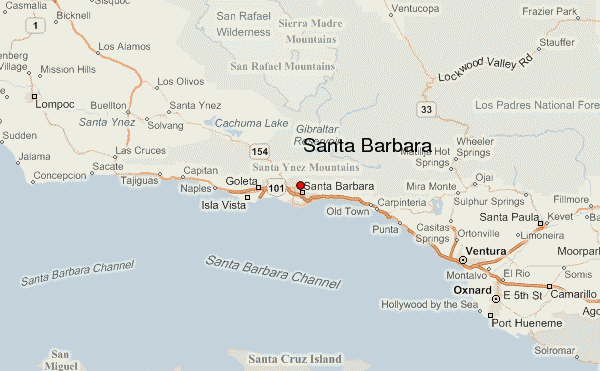
Santa Barbara, California, known for its stunning coastline, picturesque Spanish architecture, and mild Mediterranean climate, is a popular destination for tourists and a beloved home for its residents. Understanding the weather patterns in Santa Barbara is crucial for planning outdoor activities, whether you’re looking forward to hiking in the nearby mountains, visiting the beautiful beaches, or simply enjoying a leisurely stroll through the city’s historic downtown area.
Overview of Santa Barbara’s Climate
Santa Barbara experiences a Mediterranean climate, characterized by warm, dry summers and mild, wet winters. This climate is influenced by its coastal location, with the Pacific Ocean playing a significant role in moderating temperatures throughout the year. The city’s geography, with the Santa Ynez Mountains to the north, also contributes to its unique microclimate, creating a rain shadow effect that results in less rainfall compared to areas on the other side of the mountains.
Seasonal Weather Patterns
Summer (June to August): Summers in Santa Barbara are warm but not excessively hot, thanks to the oceanic influence. Daytime temperatures often reach the mid-70s to mid-80s Fahrenheit (23-30°C), while nighttime temperatures can dip into the 50s and 60s Fahrenheit (10-20°C). This season is dry, with very little rainfall.
Autumn (September to November): Autumn brings mild temperatures, similar to summer but with a slight cooling trend as the season progresses. It remains dry, with most days being sunny. This is a great time to enjoy outdoor activities, as the temperatures are pleasant, and the summer crowds have dissipated.
Winter (December to February): Winters are mild, with daytime temperatures ranging from the 60s to low 70s Fahrenheit (15-22°C) and nighttime temperatures occasionally dropping into the 40s Fahrenheit (7-9°C). This is the wettest season, with most of the annual rainfall occurring between December and March. However, even in the wettest months, the rainfall is not excessive, making Santa Barbara an attractive winter destination.
Spring (March to May): Spring in Santa Barbara is characterized by mild temperatures, gradually warming up as the season progresses. It’s a wonderful time to see the area’s flora in bloom, and while it can still be somewhat wet, especially in the early part of the season, the rains become less frequent as spring advances.
Extreme Weather Events
While Santa Barbara’s climate is generally mild, the area can experience extreme weather events. These include:
- Droughts: Given its Mediterranean climate, Santa Barbara is prone to droughts, which can impact local water supply and increase the risk of wildfires.
- Wildfires: The combination of dry vegetation and strong winds, particularly the Sundowner winds that can blow in from the north, creates a significant risk of wildfires, especially during the dry summer and fall months.
- Flooding: Although less common, heavy rainfall events can lead to flash flooding, especially in areas with steep terrain.
Planning Your Visit
If you’re planning to visit Santa Barbara, considering the weather can help you make the most of your trip. For outdoor enthusiasts, spring and autumn are ideal, offering pleasant temperatures and fewer crowds than the summer. If you prefer warmer weather and don’t mind the crowds, summer might be your best bet. For those on a budget or looking for a more relaxed atmosphere, winter can be a good option, especially if you don’t mind cooler mornings and evenings.
Conclusion
Santa Barbara’s weather, while generally mild and pleasant, has its nuances and variations throughout the year. Understanding these patterns can enhance your experience, whether you’re a visitor looking to enjoy the area’s natural beauty or a resident planning your daily activities. The city’s unique blend of coastal and mountainous influences creates a climate that is both enjoyable and dynamic, making Santa Barbara a desirable place to live and visit.
FAQ Section
What is the best time to visit Santa Barbara, California?
+The best time to visit Santa Barbara largely depends on your preferences. For pleasant temperatures and fewer crowds, consider visiting during the spring (March to May) or autumn (September to November). If you prefer warmer weather and are okay with larger crowds, summer might be your best option. For a more relaxed atmosphere and potentially lower prices, winter could be ideal, despite the cooler temperatures.
How much rainfall does Santa Barbara typically receive?
+Santa Barbara experiences a relatively dry climate, with the majority of its annual rainfall occurring during the winter months. On average, the city receives about 18-20 inches of rainfall per year, with most of it falling between December and March.
Are there any extreme weather conditions I should be aware of in Santa Barbara?
+Yes, Santa Barbara can experience extreme weather conditions, including droughts, wildfires, and less frequently, flooding. It’s essential to stay informed about local weather forecasts and warnings, especially if you plan to engage in outdoor activities.