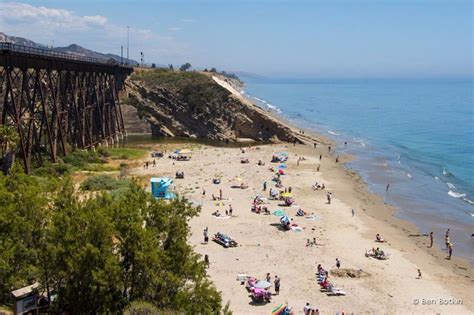
The picturesque city of Santa Barbara, nestled between the Santa Ynez Mountains and the Pacific Ocean, is no stranger to the threat of wildfires. The region’s unique combination of dry vegetation, rugged terrain, and windy conditions creates a perfect storm for devastating fires. As a resident or visitor, it’s essential to have a comprehensive safety action plan in place to protect yourself, your loved ones, and your property from the dangers of wildfires.
Understanding the Risks
Santa Barbara’s fire season typically runs from May to October, with the peak months being July to September. During this time, the area is prone to hot, dry winds, known as the Sundowner winds, which can spread embers quickly and unpredictably. The region’s dense vegetation, including chaparral and grasslands, provides ample fuel for fires, making it crucial to stay informed and prepared.
Creating Your Safety Action Plan
A well-thought-out safety action plan is your best defense against the dangers of wildfires. Here are the essential steps to create your plan:
- Stay Informed: Sign up for emergency alerts from the City of Santa Barbara and the Santa Barbara County Office of Emergency Management. Monitor local news and weather reports for fire danger ratings and red flag warnings.
- Know Your Evacuation Zone: Familiarize yourself with the evacuation zones in your area. The City of Santa Barbara has designated evacuation zones, which can be found on their website. Make sure you understand the evacuation procedures and exit routes.
- Create a Defensible Space: Maintain a defensible space around your home or property by clearing flammable vegetation, debris, and other combustible materials. The recommended defensible space is 100 feet around your home, but this may vary depending on your location and terrain.
- Prepare an Emergency Kit: Assemble an emergency kit with essential items, such as:
- Water (at least 1 gallon per person per day)
- Non-perishable food
- First aid kit
- Flashlights and batteries
- Battery-powered radio
- Whistle
- Dust mask
- Important documents (e.g., insurance policies, identification)
- Have a Communication Plan: Designate a meeting point outside the fire area where family members can gather if you get separated. Make sure everyone has a fully charged cell phone and a backup power source, such as a portable charger.
- Stay Safe During Evacuation: If ordered to evacuate, do so promptly and follow the recommended evacuation route. Stay alert and watch for fallen power lines, sharp debris, and other hazards.
Enhanced Safety Measures
In addition to the basic safety plan, consider the following enhanced measures to protect yourself and your property:
- Install Fire-Resistant Materials: Use fire-resistant materials for your roof, siding, and decking to reduce the risk of ignition.
- Maintain Your Vehicle: Keep your vehicle in good working condition, with a full tank of gas, in case you need to evacuate quickly.
- Consider Fire Insurance: Review your insurance policy to ensure you have adequate coverage in the event of a wildfire.
- Stay Physically Prepared: Be prepared for the physical demands of evacuation by staying hydrated, wearing protective clothing, and bringing essential medications.
It's essential to remember that wildfires can be unpredictable and deadly. Stay vigilant, and always prioritize your safety and the safety of those around you.
Frequently Asked Questions
What is the best way to stay informed about wildfires in Santa Barbara?
+Sign up for emergency alerts from the City of Santa Barbara and the Santa Barbara County Office of Emergency Management. Monitor local news and weather reports for fire danger ratings and red flag warnings.
What should I include in my emergency kit?
+Assemble an emergency kit with essential items, such as water, non-perishable food, first aid kit, flashlights and batteries, battery-powered radio, whistle, dust mask, and important documents.
How can I protect my home from wildfires?
+Maintain a defensible space around your home by clearing flammable vegetation, debris, and other combustible materials. Use fire-resistant materials for your roof, siding, and decking, and consider installing fire sprinklers and other fire suppression systems.
Conclusion
Wildfires are a serious threat to the safety and well-being of Santa Barbara residents and visitors. By creating a comprehensive safety action plan, staying informed, and taking proactive measures to protect yourself and your property, you can reduce the risks associated with wildfires. Remember to stay vigilant, prioritize your safety, and always follow the instructions of local authorities during a wildfire emergency. With the right preparation and mindset, you can help ensure a safe and resilient community in the face of wildfire threats.