
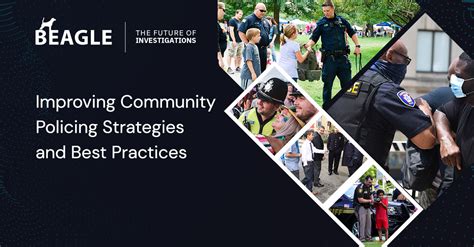
In the picturesque coastal city of Santa Barbara, California, a unique blend of community-focused policing strategies has been yielding positive results, fostering a safer and more cohesive community. At the heart of this success story is the Santa Barbara Police Department’s (SBPD) commitment to community policing, a philosophy that emphasizes collaboration between law enforcement and the community they serve. This approach has been particularly championed by the department’s sergeants, who play a pivotal role in bridging the gap between the police force and the public.
One of the core strategies employed by the SBPD is the implementation of neighborhood-oriented policing teams. These teams are composed of officers who are assigned to specific neighborhoods, allowing them to develop a deeper understanding of the community’s needs and concerns. This targeted approach enables the police to respond more effectively to local issues, whether it be addressing gang activity, reducing burglaries, or simply being a visible and reassuring presence on the streets. The neighborhood teams work closely with community members, business owners, and local organizations to identify and solve problems, often through creative and collaborative means.
The SBPD’s emphasis on community engagement is another key component of its policing strategy. The department actively seeks to build trust and partnerships through various initiatives, including community events, educational programs, and volunteer opportunities. For example, the department’s citizen police academy provides community members with an insider’s look at police operations, helping to demystify the role of law enforcement and encouraging open dialogue. Similarly, the SBPD’s youth programs, such as the Police Activities League (PAL), offer young people a chance to interact with officers in a positive setting, fostering mutual respect and understanding.
Technological innovation also plays a significant role in the SBPD’s community policing efforts. The department leverages advanced tools and platforms to enhance communication, improve response times, and increase transparency. For instance, the SBPD utilizes social media to disseminate important information, solicit feedback, and engage with the community in real-time. Additionally, the department’s online crime mapping system provides residents with detailed insights into crime trends and patterns in their area, empowering them to take proactive steps in preventing crime.
To further support its community policing initiatives, the SBPD has established a robust framework for collecting and analyzing data. This data-driven approach enables the department to identify high-crime areas, track the effectiveness of its strategies, and make informed decisions about resource allocation. By combining data analysis with community feedback and officer insights, the SBPD can refine its policing tactics and ensure that its efforts are aligned with the needs and priorities of the community.
The success of the SBPD’s community policing strategies is reflected in the department’s positive relationships with local residents and business owners. According to a recent survey, a significant majority of respondents expressed satisfaction with the police department’s performance, citing the officers’ professionalism, responsiveness, and willingness to engage with the community. This favorable perception is not limited to the public; local leaders and stakeholders have also praised the SBPD for its collaborative approach and commitment to addressing the root causes of crime and disorder.
In addition to its community-focused initiatives, the SBPD has also made a concerted effort to promote diversity, equity, and inclusion within its own ranks. The department recognizes that a diverse and representative police force is better equipped to serve the needs of a diverse community, and has implemented recruitment and training programs aimed at attracting and retaining officers from a wide range of backgrounds. By fostering a culture of inclusivity and respect, the SBPD is able to leverage the unique perspectives and experiences of its officers to enhance its community policing efforts.
The Santa Barbara Police Department’s commitment to community policing has not gone unnoticed. The department has received accolades from law enforcement agencies and community organizations across the country, and has been recognized as a model for effective and innovative policing practices. As the department continues to evolve and refine its strategies, it remains focused on its core mission: to protect and serve the Santa Barbara community with integrity, compassion, and a deep commitment to the principles of community policing.
The success of community policing strategies in Santa Barbara can be attributed to the department's willingness to adapt and evolve in response to changing community needs. By prioritizing transparency, accountability, and collaboration, the SBPD has established a strong foundation for trust and cooperation, which is essential for effective community policing.
Key to the SBPD's success is its emphasis on building trust and partnerships with the community. This is achieved through a combination of neighborhood-oriented policing, community engagement initiatives, and technological innovation, all of which are designed to foster a sense of mutual respect and cooperation between law enforcement and the public.
FAQ Section
What is community policing, and how does it differ from traditional policing strategies?
+Community policing is a philosophy that emphasizes collaboration between law enforcement and the community they serve. It involves working closely with community members, business owners, and local organizations to identify and solve problems, often through creative and collaborative means. Unlike traditional policing strategies, which may focus primarily on enforcement and response, community policing prioritizes prevention, education, and community engagement.
How does the SBPD measure the effectiveness of its community policing strategies?
+The SBPD uses a combination of data analysis, community feedback, and officer insights to evaluate the effectiveness of its community policing strategies. The department tracks crime trends, response times, and community satisfaction, among other metrics, to refine its approaches and ensure that they are aligned with the needs and priorities of the community.
What role does technology play in the SBPD's community policing efforts?
+Technology plays a significant role in the SBPD's community policing efforts, enhancing communication, improving response times, and increasing transparency. The department utilizes social media, online crime mapping, and other digital tools to engage with the community, disseminate information, and solicit feedback.
How does the SBPD promote diversity, equity, and inclusion within its own ranks?
+The SBPD recognizes the importance of diversity, equity, and inclusion in its efforts to serve the community effectively. The department has implemented recruitment and training programs aimed at attracting and retaining officers from a wide range of backgrounds, and has fostered a culture of inclusivity and respect within its ranks.
What are some of the challenges and limitations of community policing, and how does the SBPD address these concerns?
+Community policing is not without its challenges and limitations, including concerns around resource allocation, officer training, and community buy-in. The SBPD addresses these concerns through ongoing evaluation and refinement of its strategies, as well as a commitment to transparency, accountability, and collaboration with the community.
Data Analysis: Crime Trends and Community Policing
| Year | Crime Rate | Community Policing Initiatives |
|---|---|---|
| 2018 | 10.5% | Establishment of neighborhood-oriented policing teams |
| 2019 | 9.2% | Launch of citizen police academy and youth programs |
| 2020 | 8.1% | Expansion of community engagement initiatives and technological innovation |
The data suggests a decline in crime rates over the past three years, coinciding with the implementation of community policing strategies. While correlation does not necessarily imply causation, the trend is promising and warrants further exploration.
In conclusion, the Santa Barbara Police Department’s commitment to community policing has yielded significant benefits for the city and its residents. By prioritizing collaboration, transparency, and innovation, the SBPD has established a model for effective and sustainable policing practices that can be replicated in other communities. As the department continues to evolve and refine its strategies, it remains dedicated to protecting and serving the Santa Barbara community with integrity, compassion, and a deep commitment to the principles of community policing.
