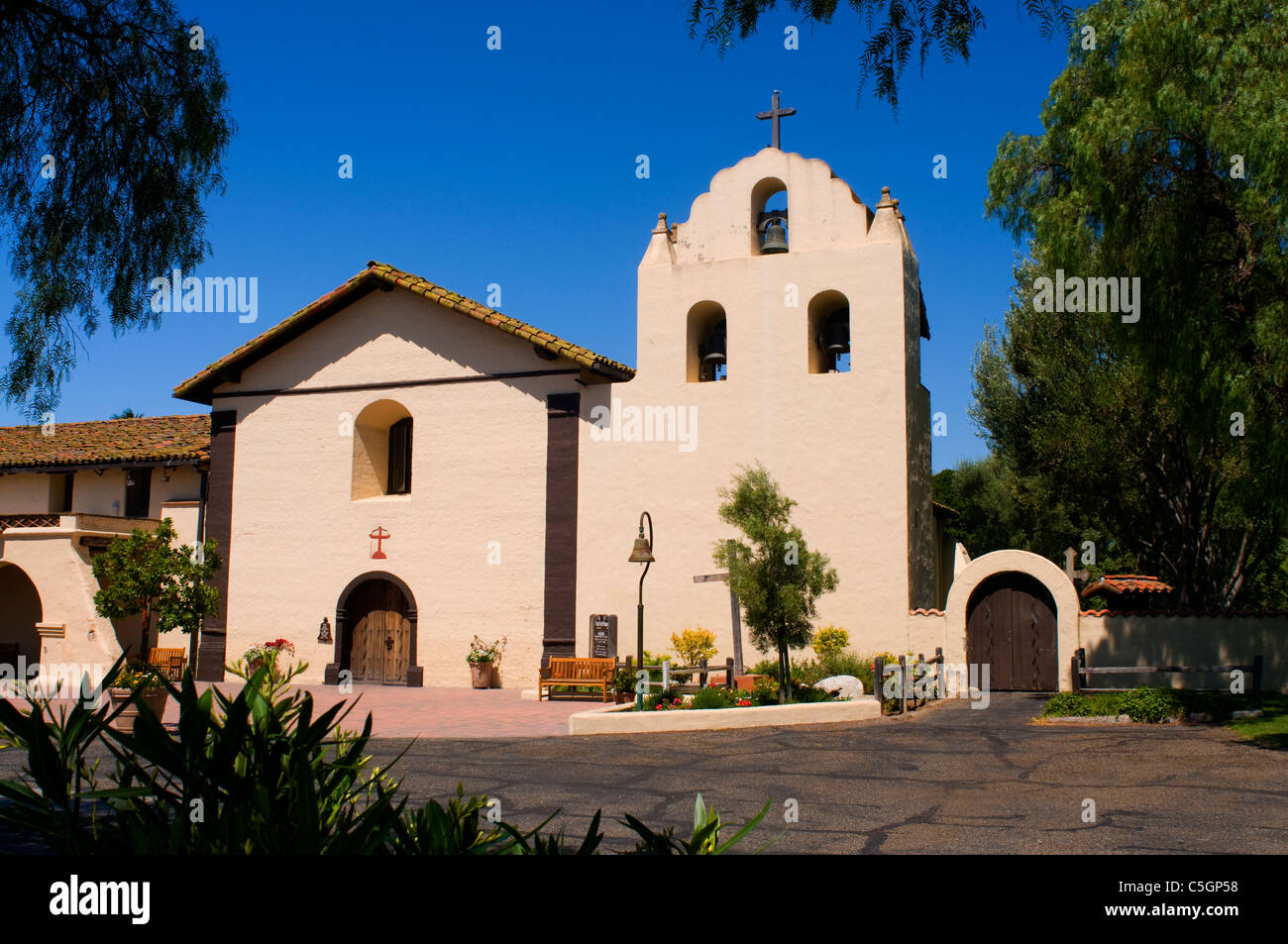
The Santa Ynez Mission, one of the most significant and enduring landmarks in California’s rich history, has a story that spans centuries, cultures, and transformations. Nestled in the picturesque Santa Ynez Valley, this mission has witnessed the rise and fall of civilizations, the blending of cultures, and the relentless march of time. To delve into the history of the Santa Ynez Mission is to embark on a journey through the very fabric of the American West, where the early whispers of Spanish colonization merged with the indigenous heartbeat of the Chumash people.
The Genesis of a Mission
The story of the Santa Ynez Mission begins long before the first brick was laid or the first prayer was spoken. It starts with the dreams of Spanish missionaries, who, fueled by a zeal to spread Christianity and establish a foothold for the Spanish Empire in the New World, ventured into the uncharted territories of Alta California. Among these visionaries was Father Fermín Francisco de Lasuén, who, following in the footsteps of the venerable Junípero Serra, sought to extend the chain of missions that would become the backbone of Spanish California.
The mission was officially founded on September 17, 1804, and named La Purísima Concepción de la Virgen Santísima (The Immaculate Conception of the Most Holy Virgin). This date marks not only the beginning of a new religious outpost but also the initiation of a profound impact on the indigenous population, the Chumash, whose lands the mission occupied. The early years were marked by the challenge of establishing a sustainable community, where missionaries, soldiers, and native converts worked together to build a self-sufficient economy based on agriculture, livestock, and handicrafts.
The Chumash: First Inhabitants and Unintended Consequences
The Chumash people, with their sophisticated maritime culture and deep spiritual connection to the land, found their world irrevocably altered by the mission’s presence. While some Chumash were drawn to the mission, attracted by the promise of food, shelter, and the mysteries of the Christian faith, others resisted, foreseeing the erosion of their traditional way of life. The interaction between the Spanish and the Chumash was complex, marked by periods of cooperation and conflict, as the two cultures navigated their differences.
The advent of the mission Introduced diseases to which the Chumash had no immunity, leading to a significant decline in their population. Additionally, the mission system, with its emphasis on labor and conversion, posed a profound threat to Chumash autonomy and cultural identity. Despite these challenges, the Chumash played a crucial role in the mission’s early survival, contributing their knowledge of the land and their skills to the agricultural and economic endeavors of the community.
Secularization and the Twilight of the Missions
The Mexican independence from Spain in 1821 marked the beginning of the end for the mission system as it was known. The new government, eager to secularize the missions and distribute their vast lands, issued the Secularization Act in 1834. This legislation aimed to transform the missions into pueblos, granting land to settlers and former mission Indians. However, the reality was far more complex, leading to the displacement of many Native Americans and the fragmentation of the mission lands.
The Santa Ynez Mission, like many of its counterparts, fell into disrepair. Its buildings crumbled, its orchards withered, and its once-thriving community dispersed. It wasn’t until the late 19th and early 20th centuries, with the rise of interest in California’s historical heritage, that efforts to restore and preserve the mission began. Today, the mission stands as a testament to the enduring legacy of the Chumash, the Spanish missionaries, and the countless individuals who have called the Santa Ynez Valley home.
Preservation and Revitalization
The restoration of the Santa Ynez Mission has been a painstaking process, involving archaeological excavations, historical research, and meticulous reconstruction. The mission’s chapel, with its simple yet elegant design, is one of the oldest and most intact of the California missions, offering a glimpse into the past. The surrounding gardens and buildings have been carefully restored to reflect their original purpose and beauty, creating a serene oasis that honors the mission’s complex history.
Conclusion: A Legacy of Diversity and Resilience
The Santa Ynez Mission embodies the multifaceted history of California, a tapestry woven from the threads of indigenous cultures, Spanish colonization, and the inevitable blend of traditions that followed. It stands as a reminder of the profound impact of human interaction on the landscape and the people who inhabit it. As we walk through its gardens and buildings, we are not just tracing the footsteps of the past; we are acknowledging the present and embracing the future, where the legacy of the Santa Ynez Mission continues to inspire, educate, and nurture all who encounter it.
What was the main purpose of the Santa Ynez Mission?
+The main purpose of the Santa Ynez Mission was to spread Christianity among the Native American population and to establish a Spanish settlement in the region.
How did the Chumash people react to the establishment of the mission?
+The reaction of the Chumash people was varied. Some were attracted to the mission and converted to Christianity, while others resisted, fearing the loss of their traditional way of life.
What happened to the Santa Ynez Mission after secularization?
+After secularization, the mission fell into disrepair. It wasn’t until the late 19th and early 20th centuries that restoration efforts began, aiming to preserve the mission’s historical and cultural significance.