

Science Worksheet Solar System Overview
A solar return chart is a valuable tool, a snapshot of your astrological year, offering insights and a unique perspective. This guide will navigate you through the basics, ensuring you grasp the fundamentals of reading and interpreting these charts.
The solar return chart, or solar revolution chart, provides a detailed map, varying slightly depending on your region and the astrological tradition you follow. It's an essential resource for chart reading and solar return analysis, offering a fresh perspective on your year ahead.
Understanding the Solar Return Chart: An Overview
The solar return chart is a powerful tool used in astrology to provide insights into a person's upcoming year. It offers a snapshot of the celestial positions at the precise moment of your birth, calculated for the date and location of your solar return anniversary. This chart is like a personalized map, guiding you through the potential themes and challenges of the year ahead.
Comparing Solar Return Chart Formats and Standards
There are two primary methods for calculating a solar return chart: the sidereal solar return and the tropical solar return. The sidereal method uses the actual position of the Sun among the stars, while the tropical method aligns with the seasonal changes. Both methods have their adherents, and the choice often depends on personal preference and the astrological tradition followed.
Step-by-Step Guide to Reading Your Solar Return Chart
To interpret your solar return chart, follow these steps:
Identify the house placements: Each house represents a specific area of life, such as career, relationships, or personal growth. The planets' positions within these houses indicate the focus and potential challenges or opportunities in each life area.
Analyze planet transits: Note the positions of the planets in your solar return chart compared to your natal chart. These transits highlight areas of life where you may experience significant growth, challenges, or transformations.
Interpret the aspects: Aspects are the angular relationships between planets. They reveal the dynamic interactions and energies at play. For example, a harmonious aspect like a trine suggests ease and flow, while a challenging aspect like a square indicates potential obstacles and the need for adaptation.
Consider the chart's overall energy: Look at the overall balance of elements (fire, earth, air, water) and modalities (cardinal, fixed, mutable) in your solar return chart. This gives an overview of the predominant energies and themes for the year.
Common Misinterpretations and How to Avoid Them
A common mistake is to focus solely on the negative aspects or transits in a solar return chart. While challenges are part of the journey, it's important to remember that these aspects also offer opportunities for growth and transformation. Balance your interpretation by considering the positive aspects and the potential for personal development.
Factors Affecting the Accuracy of Solar Return Analysis
The accuracy of your solar return chart interpretation depends on several factors:
Location: The chart is calculated for a specific geographic location, so if you travel frequently, your solar return may vary depending on where you spend your birthday.
Time zone: The precise time of your birth is crucial. Even a small variation in the time zone can impact the chart's interpretation.
Personal evolution: As you grow and change, your chart may reflect these shifts. Your interpretation should consider your current life circumstances and personal growth.
Adapting the Solar Return Chart for Specific Needs
The solar return chart can be tailored to specific areas of interest. For example, you can create a focused chart for your career by emphasizing the houses and planets associated with work and professional life. This allows for a more detailed analysis of the opportunities and challenges in that specific realm. Similarly, you can create charts for relationships, health, or creative pursuits, providing a deeper understanding of the year's potential in those areas.
Hey there, fellow explorers! We've covered a lot of ground in this guide, and I hope it's given you a clear path to navigate the world of solar return charts. Remember, the specifics might differ slightly, as each chart has its unique nuances.
Feel free to explore more of our guides; we've got a range of topics to help you on your path to mastering these practical tools. Happy reading and learning!
Related: Understand nec chart 310.16: A Quick Guide
A common pitfall when working with electrical wiring is assuming that one size fits all. But when it comes to NEC Chart 310.16, a one-size-fits-all approach can be dangerous and inefficient. This chart is your go-to guide for conductor sizing, and it's crucial to understand its role in ensuring a safe and reliable electrical system.
While the values and specifications may vary depending on your region and the standards you follow, NEC Chart 310.16 provides a clear framework. It's like a map, guiding you to the right wire gauge and helping you avoid common mistakes like overloading electrical boxes.
Understanding NEC Chart 310.16
NEC Chart 310.16 is a handy reference tool for anyone working with electrical systems. It's a chart that provides crucial information about wire sizes and their corresponding ampacity ratings. Ampacity refers to the maximum current, measured in amperes, that a wire can safely carry. This chart is a go-to resource for ensuring electrical installations are safe and compliant with the National Electrical Code (NEC).
Key Details and Categories
The chart is designed to be simple and straightforward. It typically includes columns for wire gauge, which indicates the thickness of the wire, and ampacity, which is the current-carrying capacity. You'll also find information on the type of insulation and the number of conductors within a cable. The values are based on specific conditions, such as temperature and the type of installation (e.g., exposed or concealed). It's important to note that the chart is designed for specific standards, so the values may vary depending on the region and the NEC version you're working with.
How to Read and Apply NEC Chart 310.16
Start by identifying the wire gauge you're working with. This is usually indicated by a number and a letter, like "14 AWG" (American Wire Gauge).
Locate the corresponding ampacity value for your wire gauge. This value tells you the maximum current the wire can safely handle.
Consider the type of installation. If your wire is in a conduit or enclosed, you can use the ampacity value directly. However, for open or exposed wiring, you might need to derate the ampacity, which means reducing the value to ensure safety.
Ensure you're using the correct insulation type. The chart provides information on different insulation materials and their impact on ampacity.
For multi-conductor cables, pay attention to the number of conductors. The ampacity may be affected by the number of wires within the cable.
Variations and Differences
NEC Chart 310.16 is designed to cover a wide range of scenarios, but there are situations where variations may occur. Different regions and countries might have their own standards and regulations, leading to slight differences in the values. Additionally, the chart assumes specific conditions, and real-world factors like ambient temperature and the presence of other equipment can influence the safe ampacity. It's crucial to be aware of these variations and consult the relevant standards for your specific application.
Common Mistakes and How to Avoid Them
One common mistake is assuming that the chart provides universal values. Always double-check the specific standard and version you're working with, as values can change over time. Another mistake is ignoring the installation type. Remember to adjust the ampacity for exposed wiring to ensure safety. Additionally, be cautious when dealing with older installations, as they might not adhere to the latest NEC standards. Regular inspections and updates are essential to maintain electrical safety.
Practical Tips for Accurate Results
When working with NEC Chart 310.16, always have a clear understanding of the wire gauge and the intended application. Consider the environment and any unique factors that might impact the installation. For complex projects or when dealing with high-current applications, consulting with an electrical engineer or a licensed electrician is advisable. They can provide expert guidance and ensure compliance with all relevant standards and safety regulations.
Double-Checking and Handling Edge Cases
While NEC Chart 310.16 is a valuable tool, it's not a substitute for thorough planning and professional advice. For critical or high-risk installations, always verify the wire sizing and ampacity calculations with multiple references. Stay updated with the latest NEC standards, as they evolve to accommodate new technologies and safety considerations. Regularly review and compare your work with the latest guidelines to ensure your electrical systems remain safe and compliant.
Well, there you have it! NEC Chart 310.16 is a handy reference tool, and I hope this guide has made it even more accessible. Remember, while the basics remain the same, the exact details might shift a little based on your specific context.
Feel free to explore our other guides; we've got plenty of practical tips and insights to offer. It's always good to expand your knowledge and stay on top of the latest info. Happy learning, and until next time!
Related: Find Your Perfect Fit: The Levi Size Chart Guide
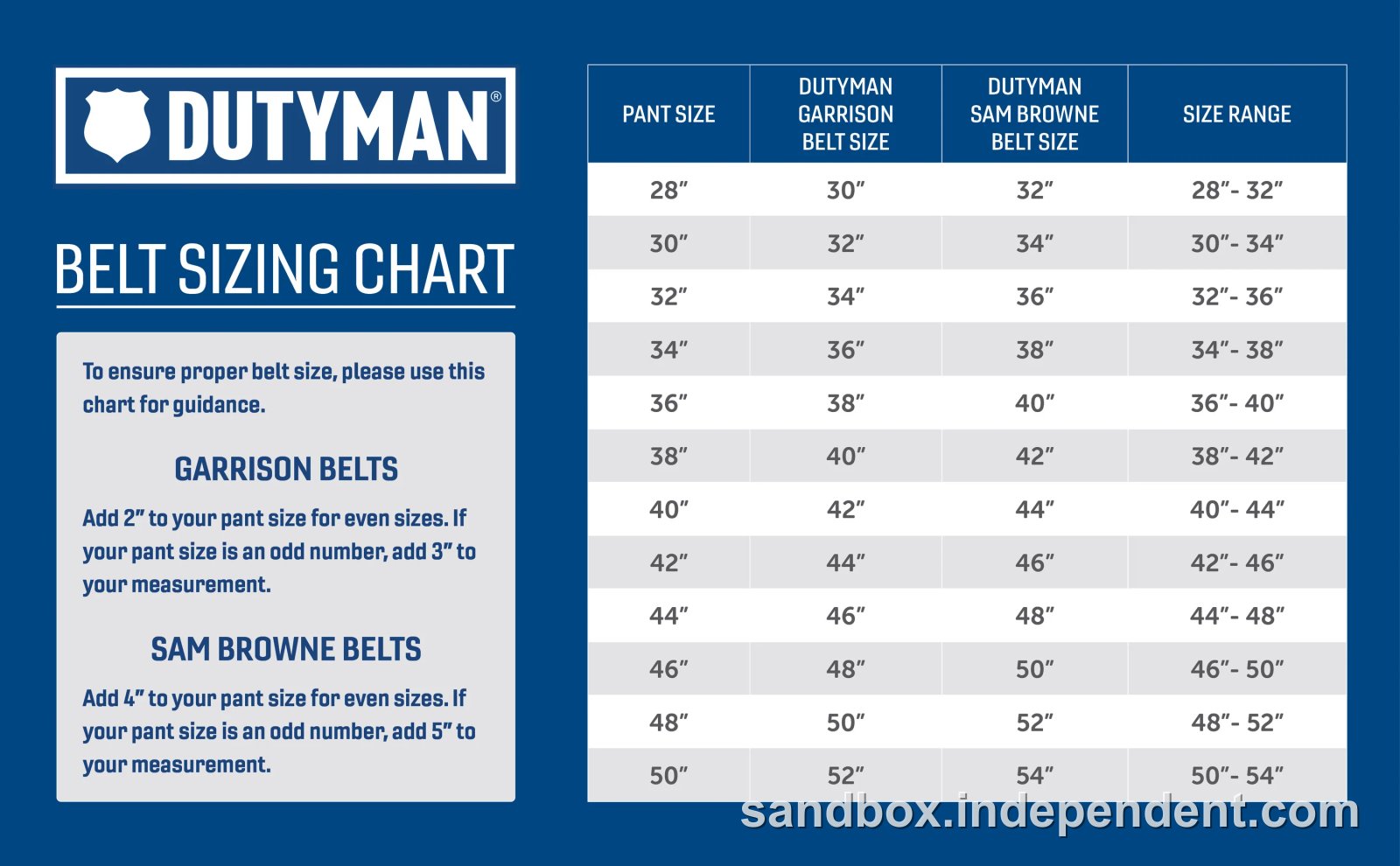
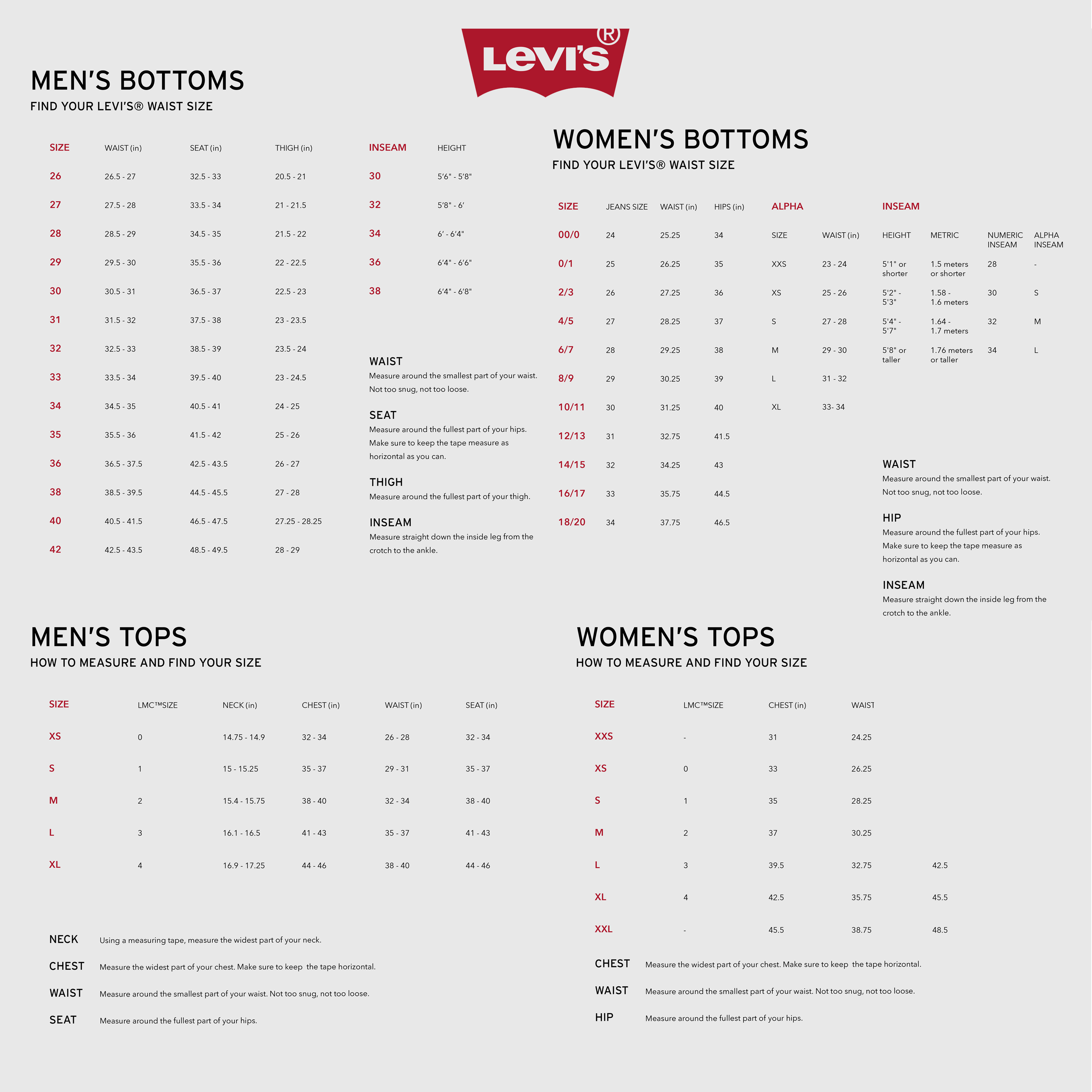
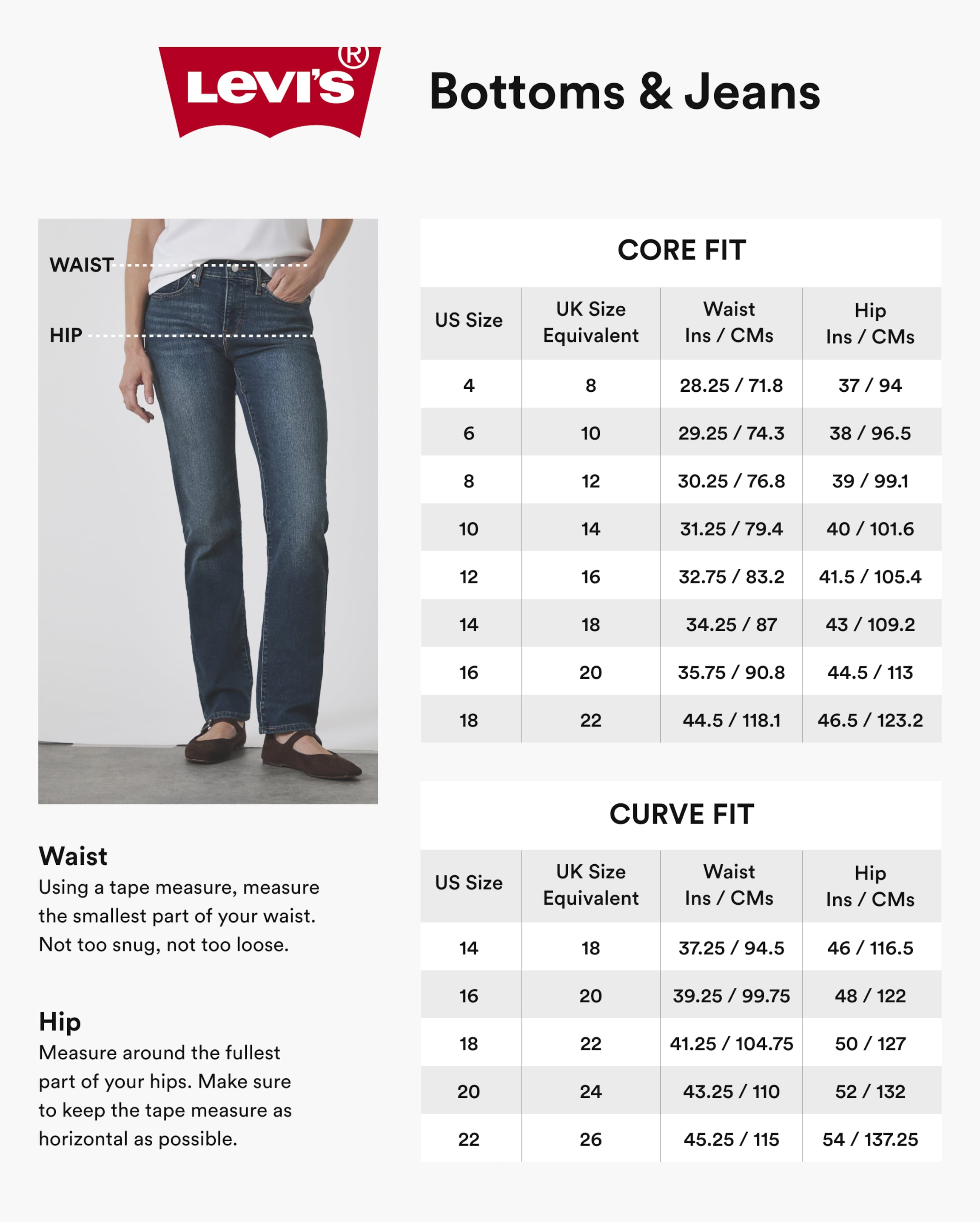
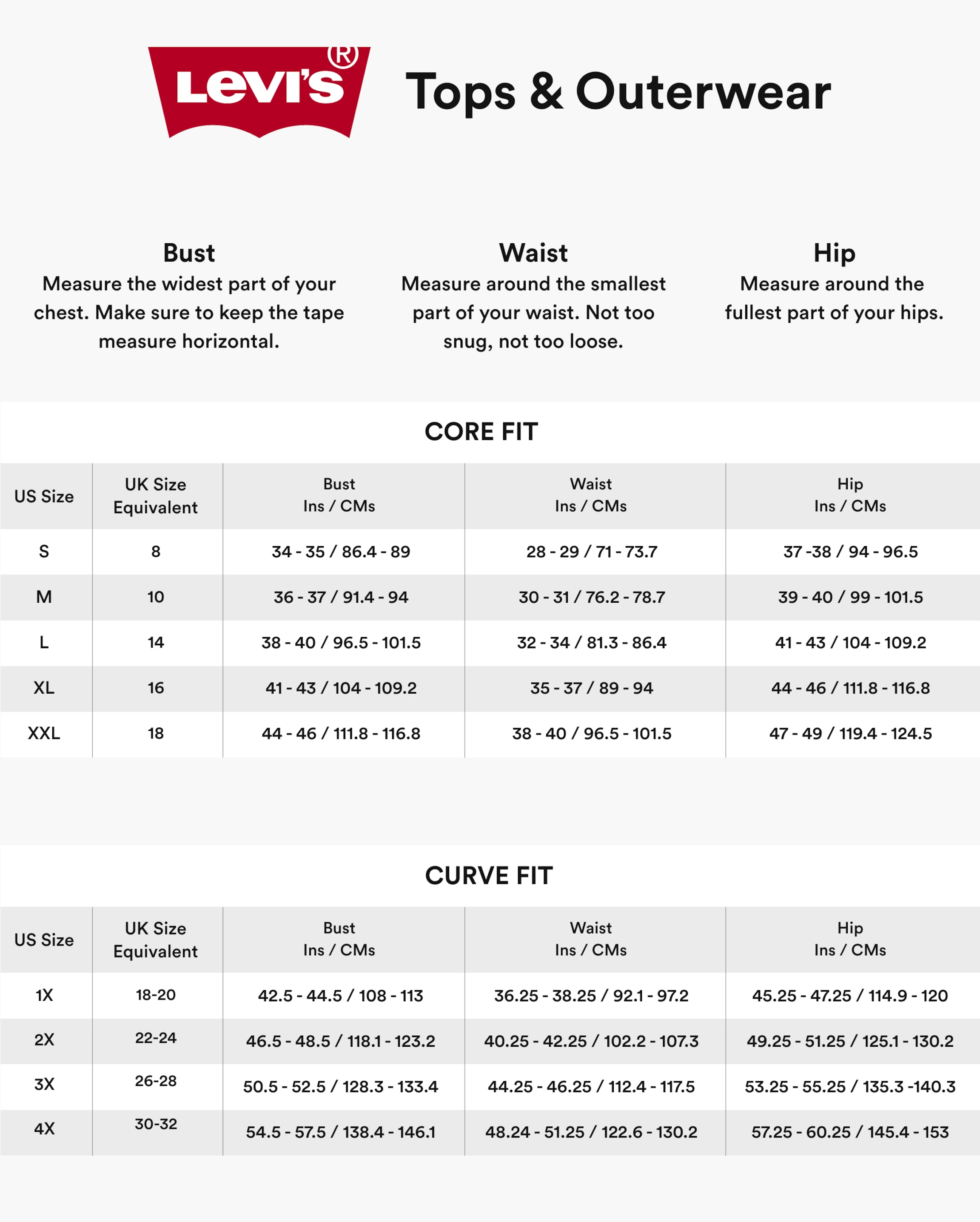
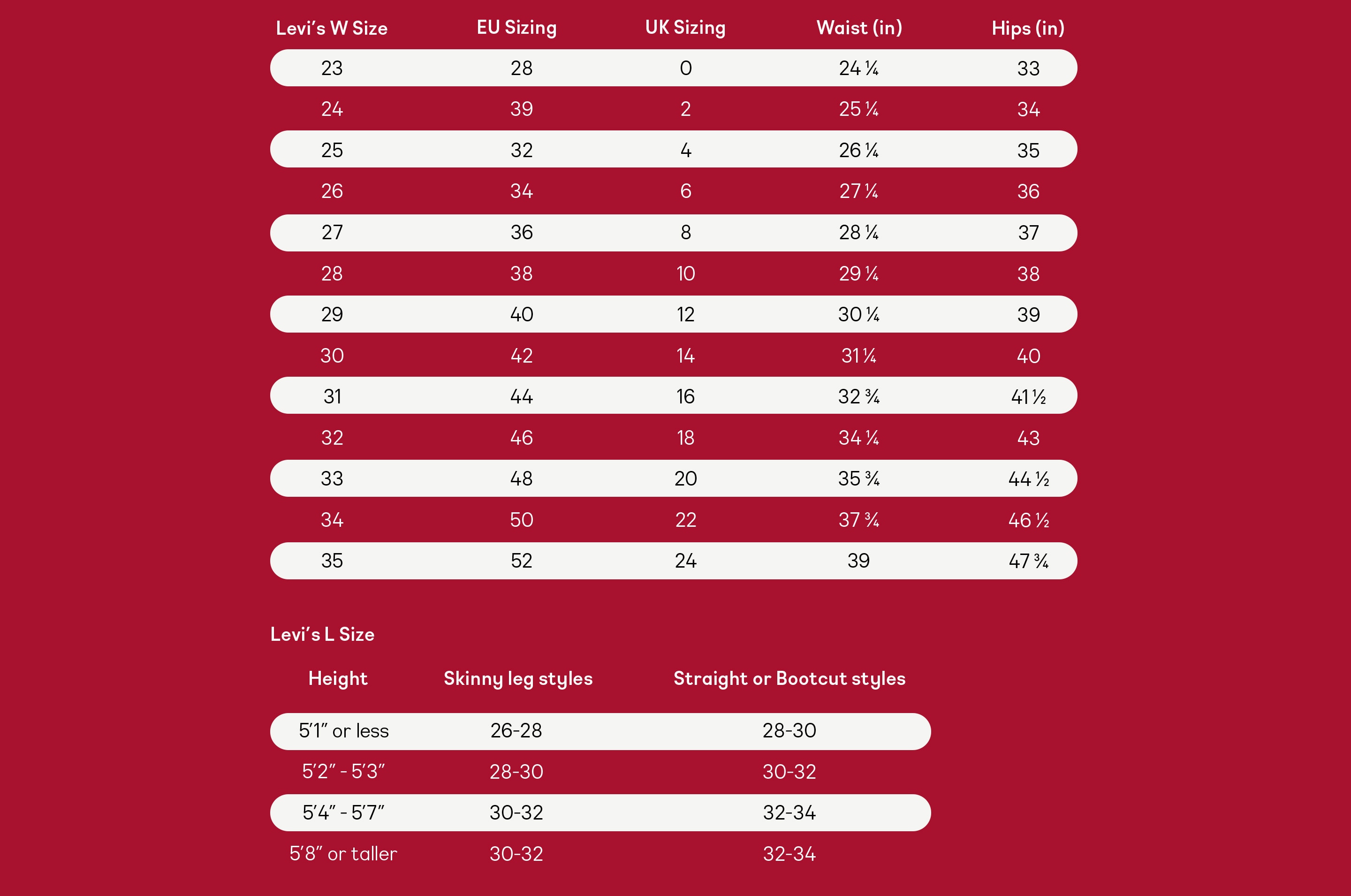
You're here because you need a quick solution, right? Well, if you're looking for a bold and reliable way to find your perfect Levi's fit, the Levi size chart is your go-to tool. It's a simple yet effective guide, offering a visual representation of sizes and measurements, making it easy to navigate. With just a glance, you can ensure you're getting the right size, whether it's for yourself or a gift. This chart is a handy reference, especially when you're in a rush and need a quick sizing solution.
Understanding the Levi Size Chart
The levi size chart is your go-to guide for finding the perfect fit in Levi's jeans and clothing. It's a simple tool to ensure you get the right size, whether you're shopping online or in-store. This chart provides measurements and size categories to help you choose the best fit for your body.
Standard Sizing Options
Levi's size chart follows a standard sizing system, typically based on waist size and inseam length. This means you'll find consistent sizing across their products, making it easier to find your fit. The chart usually includes categories like waist size (in inches or centimeters), inseam length, and sometimes additional measurements like hip and thigh circumference.
How to Use the Levi Size Chart: A Step-by-Step Guide
- Identify your waist size. This is the most critical measurement for jeans. Measure your waist at the point where you usually wear your pants, keeping the tape measure snug but not tight.
- Determine your inseam length. This is the distance from your crotch to the hem of your pants. You can measure this while wearing well-fitting pants or by standing against a wall and measuring the distance from your crotch to the floor.
- Refer to the levi size chart. Find your waist size and inseam length on the chart. The chart will provide you with the corresponding size, typically in numerical or alphabetical categories.
- Consider other measurements. If the chart offers additional measurements like hip or thigh circumference, you can use these to ensure an even better fit.
Common Misreadings and How to Avoid Them
One common mistake is assuming all brands use the same sizing standards. While Levi's size chart is consistent within their brand, sizes may vary across different brands and styles. Always double-check the specific size guide for the item you're interested in. Additionally, be mindful of the units used. Some charts may use inches, while others use centimeters. Ensure you're comparing like with like.
Factors Affecting Size Variations
Several factors can influence the accuracy of your size determination. First, body shape varies, and the chart provides a general guide. Second, the fit you prefer (e.g., slim, regular, or relaxed) can affect the size you choose. Lastly, the fabric and stretchiness of the material can impact the fit, so consider the fabric type when using the chart. Remember, the levi size chart is a helpful tool, but it's always a good idea to try on clothing to ensure the perfect fit.
Hey there! We hope you found this guide on the Levi size chart helpful and that it's made your sizing quest a little easier. Remember, when it comes to size charts, exact details can differ slightly, so always double-check the source and standard you're using.
We've got a bunch of other guides on various topics, so feel free to explore and discover more practical tips and tricks. Happy reading, and we hope to see you around!