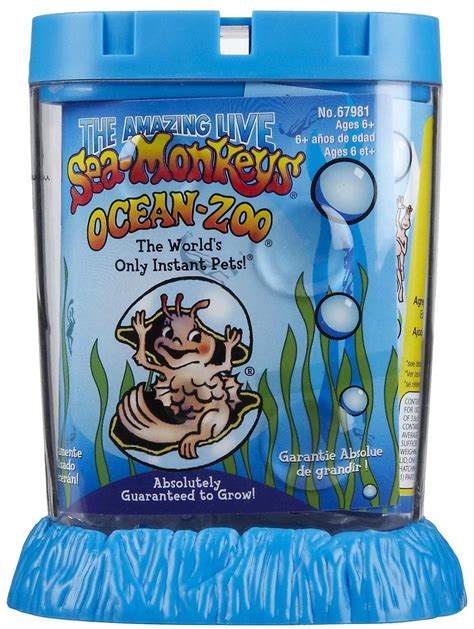
The allure of the Sea Monkeys Kit has captivated the imagination of many, particularly during the 1960s and 1970s. This intriguing product was marketed as a do-it-yourself aquarium kit, promising customers the opportunity to raise their own pets, known as Sea Monkeys, from the comfort of their own homes. The kit, which typically included a small plastic aquarium, food, and a packet of “eggs,” was often advertised in the back of comic books and other children’s publications, sparking the curiosity of kids and adults alike.
However, the reality of the Sea Monkeys Kit was far from the fantastical claims made by its manufacturers. Instead of the promised instant pets, customers often found themselves with a packet of brine shrimp eggs, which, when hatched, would grow into small, unremarkable crustaceans. These creatures, while interesting in their own right, were a far cry from the cute, anthropomorphic pets depicted in the advertisements. The disparity between the marketing and reality led to widespread disappointment and, in some cases, outrage among consumers.
One of the most fascinating aspects of the Sea Monkeys phenomenon is the way in which it tapped into the cultural zeitgeist of its time. The idea of having a low-maintenance, exotic pet that could thrive in a small, self-contained environment resonated with many people, particularly children, who were looking for a unique and exciting experience. The Sea Monkeys Kit seemed to offer a magical solution, one that promised to bring the wonders of the ocean into the home. Unfortunately, the reality of the product was far more mundane, and the resulting disappointment has become a cautionary tale about the dangers of deceptive advertising.
Despite the controversy surrounding the Sea Monkeys Kit, it remains a fascinating example of how marketing and advertising can shape our perceptions and expectations. The use of captivating imagery and clever language created a sense of excitement and anticipation around the product, which, in turn, contributed to its widespread popularity. However, the failure of the kit to deliver on its promises also highlights the importance of transparency and honesty in advertising, as well as the need for consumers to approach claims with a healthy dose of skepticism.
In recent years, the Sea Monkeys Kit has experienced a resurgence of sorts, with many people nostalgic for the promise and excitement of the original product. While the kit itself may not have lived up to the hype, it has become a cultural touchstone, symbolizing the power of marketing and the enduring appeal of novelty and curiosity. For those who remember the Sea Monkeys Kit fondly, it serves as a reminder of the magic and wonder of childhood, even if the reality of the product was somewhat more prosaic.
From a historical perspective, the Sea Monkeys Kit represents a fascinating case study in the evolution of marketing and advertising. The use of comic books and other children’s publications as a means of reaching potential customers was a clever move, as it allowed the manufacturers to tap into a vast and receptive audience. The kit itself, with its promises of instant pets and easy care, was designed to appeal to kids and adults alike, offering a sense of excitement and wonder that was hard to resist.
However, the Sea Monkeys Kit also raises important questions about the ethics of advertising and the responsibility of manufacturers to deliver on their promises. The use of misleading imagery and language to sell a product that was, in reality, quite mundane and unremarkable is a clear example of deceptive advertising. This approach not only damaged the trust of customers but also contributed to a broader sense of disillusionment with the advertising industry as a whole.
What were Sea Monkeys, and how did they differ from the advertised product?
+Sea Monkeys were actually brine shrimp, a type of small crustacean that is commonly used as food for fish and other aquatic animals. The advertised product, on the other hand, promised a instant pets that could thrive in a small aquarium, with claims of cute, anthropomorphic creatures that would interact with their owners.
Why was the Sea Monkeys Kit so popular, despite its deceptive advertising?
+The Sea Monkeys Kit was popular due to its clever marketing and advertising, which tapped into the cultural zeitgeist of the time. The idea of having a low-maintenance, exotic pet that could thrive in a small, self-contained environment resonated with many people, particularly children. The use of captivating imagery and language created a sense of excitement and anticipation around the product, which contributed to its widespread popularity.
What lessons can be learned from the Sea Monkeys Kit debacle?
+The Sea Monkeys Kit debacle highlights the importance of transparency and honesty in advertising, as well as the need for consumers to approach claims with a healthy dose of skepticism. It also serves as a reminder of the power of marketing and advertising to shape our perceptions and expectations, and the dangers of deceptive advertising in damaging trust and contributing to disillusionment.
In conclusion, the Sea Monkeys Kit is a fascinating example of how marketing and advertising can shape our perceptions and expectations, often with disappointing results. While the kit itself may not have lived up to the hype, it remains a cultural touchstone, symbolizing the power of marketing and the enduring appeal of novelty and curiosity. As we look back on the Sea Monkeys phenomenon, it is clear that the lessons learned from this experience are still relevant today, highlighting the importance of transparency, honesty, and skepticism in our interactions with advertising and marketing.