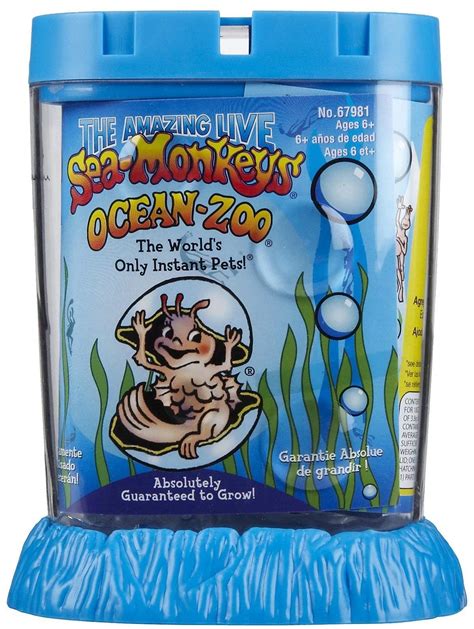
The allure of raising Sea Monkeys has captivated many, promising a fascinating and educational experience. For those who are new to this hobby, it’s essential to understand that Sea Monkeys, also known as brine shrimp, are not actually monkeys but tiny crustaceans that can thrive in a controlled environment with proper care. Here’s a comprehensive guide to help you navigate the process of raising these intriguing creatures, from setup to maintenance and beyond.
Setting Up Your Sea Monkey Kit
- Initial Preparation: Before you start, ensure you have all the components of your Sea Monkey kit. This typically includes a tank or container, food, instructions, and the Sea Monkey eggs themselves.
- Tank Setup: Clean and prepare your tank according to the instructions provided. It’s crucial to use the correct amount of water and to dechlorinate it if you’re using tap water, as chlorine can be harmful to the Sea Monkeys.
- Egg Hatching: Add the Sea Monkey eggs to the water. These eggs are usually in a dormant state and need specific conditions to hatch. Follow the instructions for temperature and lighting conditions to encourage hatching.
Understanding the Life Cycle of Sea Monkeys
- Hatching: After adding the eggs to the water, it can take anywhere from 24 to 48 hours for them to hatch, depending on the conditions.
- Nauplius Stage: The first stage after hatching, the nauplius, will feed on its egg yolk and does not require additional food.
- Metanauplius and Beyond: As the Sea Monkeys grow, they will go through several molts, eventually reaching adulthood. This process can take several weeks.
Feeding Your Sea Monkeys
- Introduction to Food: Once your Sea Monkeys have reached a stage where they are actively swimming and no longer relying on their egg yolks, you can start introducing food. The kit usually comes with a type of yeast or specially formulated food for brine shrimp.
- Feeding Schedule: It’s essential to feed them appropriately. Overfeeding can lead to water quality issues, while underfeeding can stunt their growth or lead to starvation. A balanced approach, as suggested by the kit’s instructions, is key.
Maintaining Water Quality
- Regular Water Changes: To keep your Sea Monkeys healthy, regular partial water changes are necessary. This helps maintain water quality by removing waste products and excess food.
- Monitoring Conditions: Keep an eye on the water’s temperature, pH, and clarity. Most Sea Monkey kits are designed to thrive in a specific range of conditions. Significant deviations can stress the animals.
Troubleshooting Common Issues
- Low Hatch Rates: If few or no eggs hatch, check the water conditions, especially the temperature and chlorine levels.
- Death After Hatching: Sudden death after hatching can be due to inappropriate water conditions, overfeeding, or lack of sufficient food.
- Cloudy Water: This is often a sign of overfeeding or poor water circulation. Reduce feeding and consider a partial water change.
Advanced Care and Observations
As your Sea Monkeys grow, you may observe intriguing behaviors such as schooling or feeding frenzies. These observations can provide valuable insights into their social behaviors and needs. For those interested in a deeper dive, exploring the specific nutritional needs, habitat preferences, and potential for breeding can offer a more complex and rewarding experience.
FAQ Section
How Long Do Sea Monkeys Take to Hatch?
+Sea Monkeys typically take 24 to 48 hours to hatch after being introduced to the appropriate water conditions.
What Do I Feed My Sea Monkeys?
+Sea Monkeys are usually fed a specialized diet that comes with the kit, which can include yeast or commercial brine shrimp food. It's crucial to follow the feeding instructions to avoid overfeeding or underfeeding.
How Often Should I Change the Water for My Sea Monkeys?
+Regular partial water changes are essential for maintaining water quality. The frequency can depend on the size of your tank and the number of Sea Monkeys, but a general rule of thumb is to change about 25% of the water weekly.
Conclusion
Raising Sea Monkeys can be a rewarding hobby, offering insights into the life cycle of tiny crustaceans and the importance of conservation and proper environmental conditions. By following the guidelines outlined in this article and being mindful of the specific needs of your Sea Monkeys, you can create a thriving environment for these fascinating creatures. Whether you’re a seasoned aquarist or just starting out, the journey of raising Sea Monkeys from eggs to adulthood is a captivating experience that can foster a deeper appreciation for marine life and the importance of responsible pet ownership.