





Sea Otter Coloring Page Overview
A band seating chart can often be a source of confusion, especially for those new to the world of live music and performance. While it may seem like a simple diagram, there's more to it than meets the eye! This chart is a crucial tool for musicians and organizers, offering a clear layout of the stage and ensuring everyone knows their place. It's not just about seating; it's a map for a smooth performance.
Understanding the Layout: Band Seating Chart Basics
A band seating chart is a visual representation of how a band or orchestra is arranged on stage. It's a practical tool for musicians, conductors, and venue staff to ensure everyone knows their position and the overall stage setup. This chart provides a clear layout, helping to avoid confusion and ensure a smooth performance.
Common Configurations and Standards
There are various ways to arrange a band, and the seating chart reflects these differences. The most common configurations include the traditional orchestra layout, where instruments are grouped by family, and the modern band setup, which often features a more flexible and dynamic arrangement. These charts typically use standard symbols and labels to represent instruments and their positions, making them easily readable and adaptable.
Practical Tips for Placement: A Step-by-Step Guide
- Start by identifying the stage dimensions and the desired seating capacity. This will help determine the overall layout and the number of rows or sections needed.
- Place the conductor or lead vocalist at the center, ensuring they have a clear view of the entire band and can effectively lead the performance.
- Group instruments by family or section. For example, place all the string instruments together, followed by woodwinds, brass, and percussion. This traditional arrangement ensures a balanced sound and makes it easier for musicians to communicate and interact during the performance.
- Consider the size and shape of each instrument when positioning them. Larger instruments, like the double bass or tuba, may require more space, so plan accordingly to avoid overcrowding.
- Leave sufficient space between sections to allow for movement and ensure a comfortable playing environment. This is especially important for performances involving dance or energetic movements.
Avoiding Misreadings and Common Pitfalls
While band seating charts are a useful tool, it's important to remember that they are a general guide. Variations may occur based on the specific performance requirements, the venue's unique layout, or even the conductor's preferences. Always double-check the exact specifications and tolerances, especially when dealing with non-standard instruments or unconventional setups. Misreading a chart can lead to confusion and potential issues during the performance, so it's crucial to communicate and clarify any deviations from the standard layout.
Hey there, band seating charts are a handy tool and it's great to have a basic understanding of the process. Remember, the exact details might differ slightly based on your specific needs and the standards you follow. It's always a good idea to refer to the relevant guidelines and adapt them to your situation.
Feel free to explore our other guides; we've got a range of topics covered to help you with your musical adventures. There's always something new to learn, so keep an eye out for our latest posts!
Related: Find Your Seat: NRG Seating Chart Guide
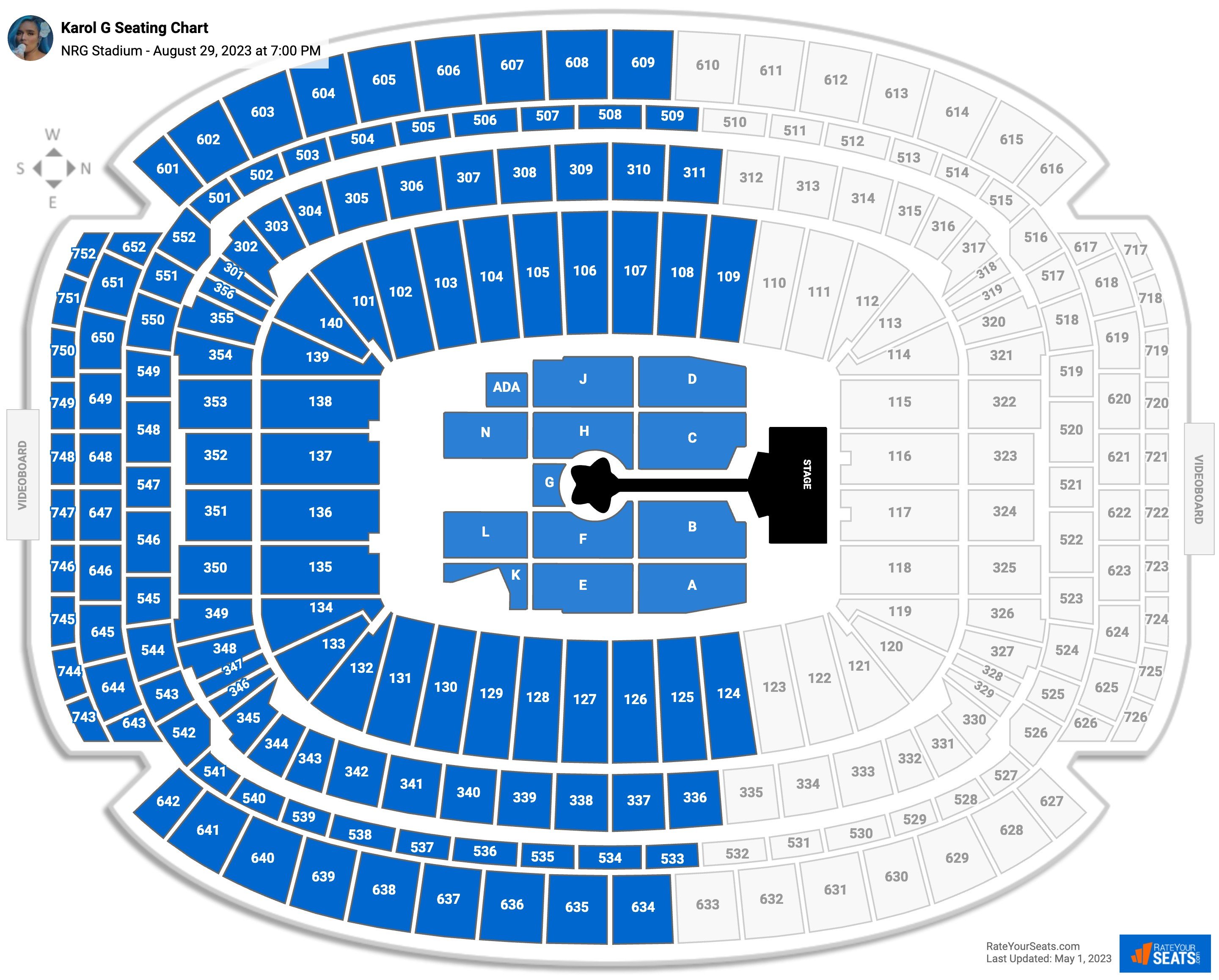
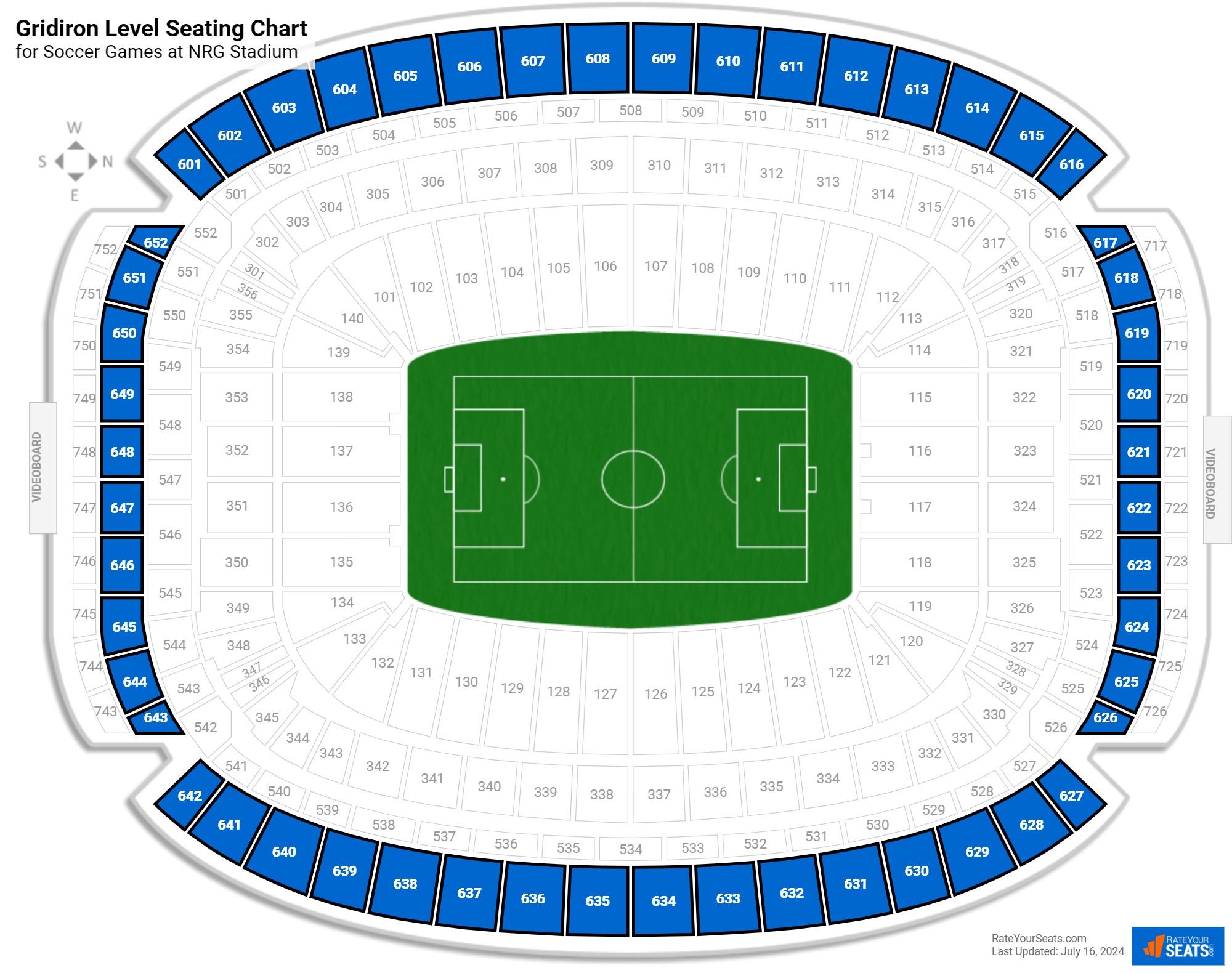
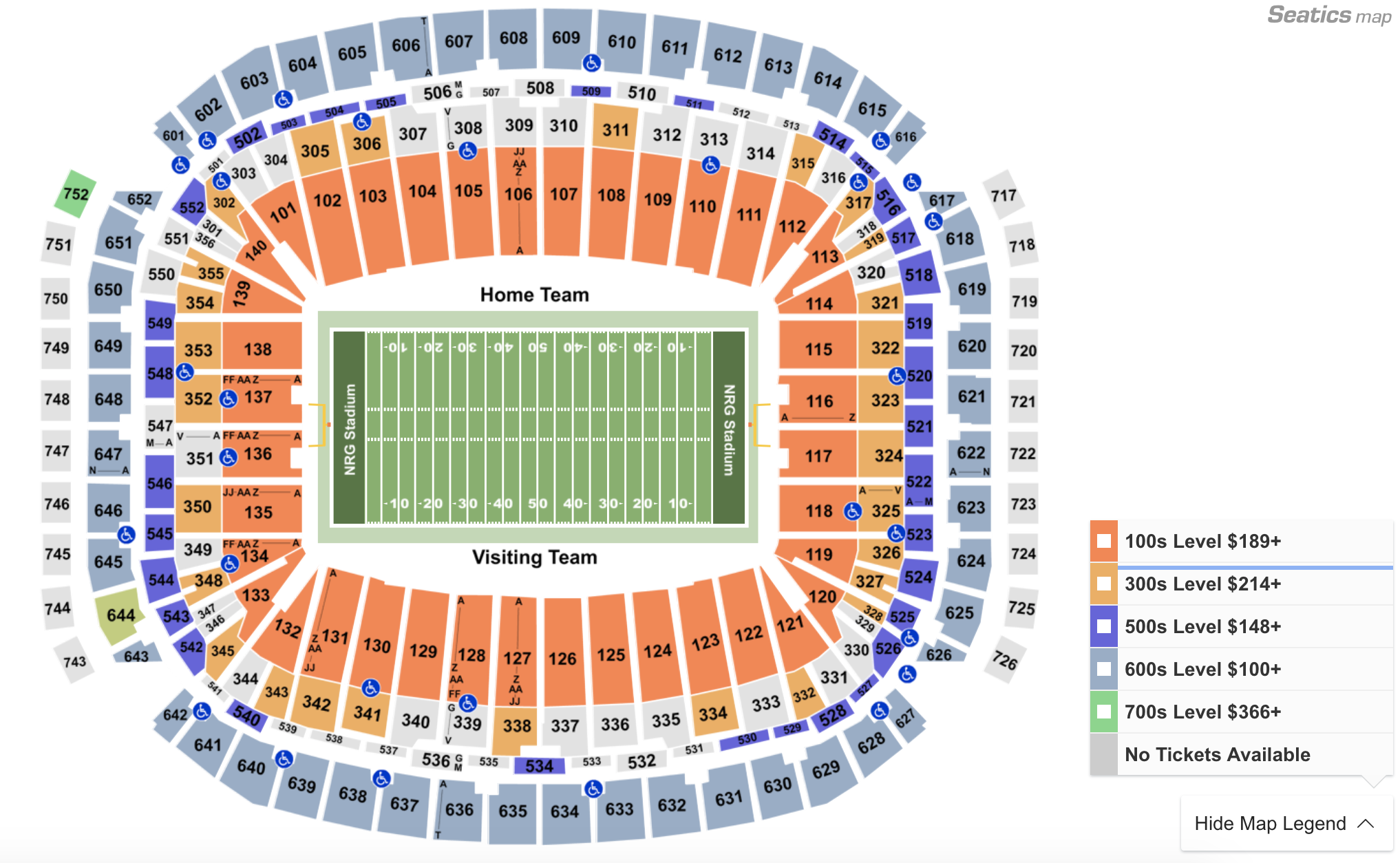
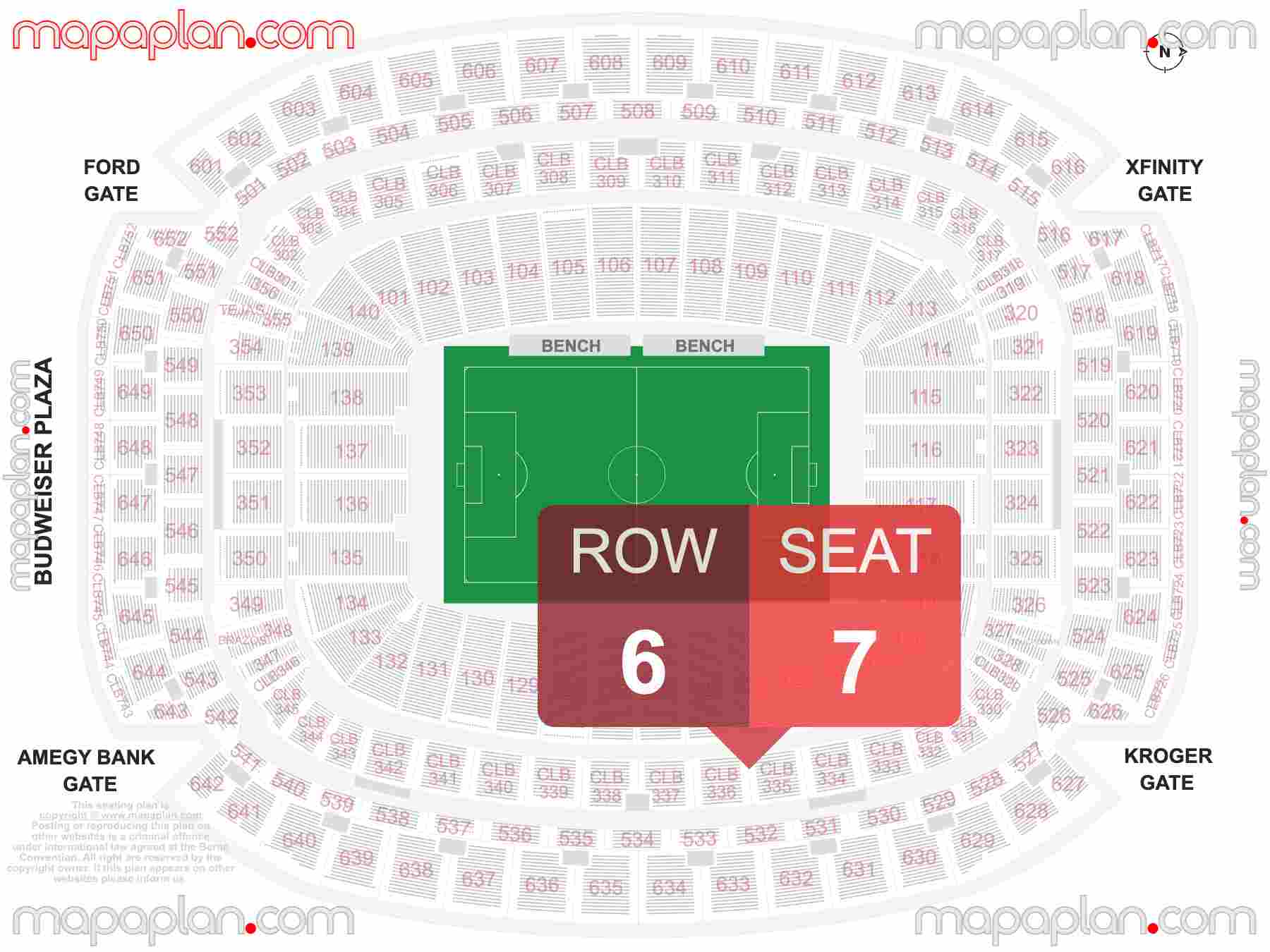
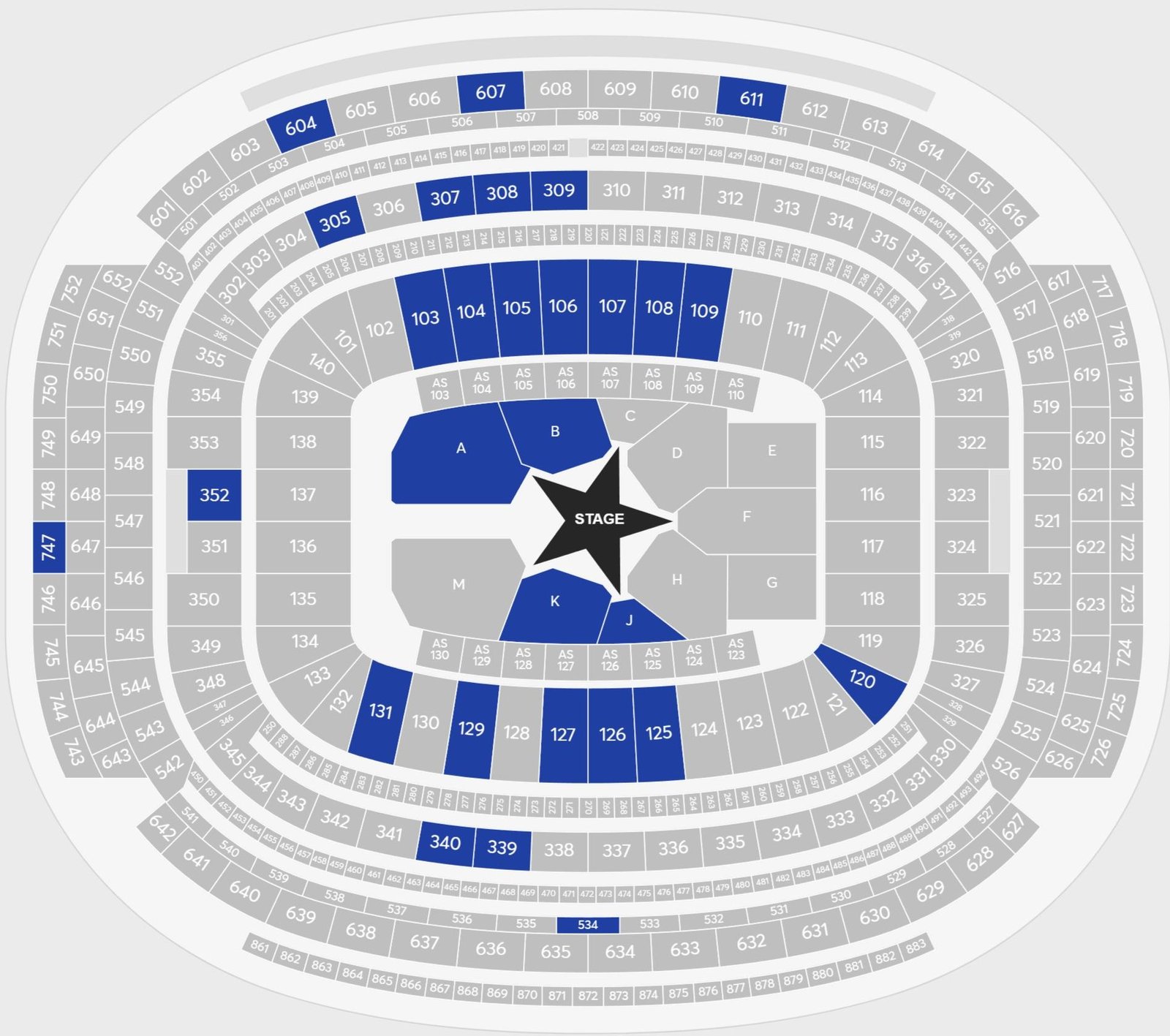
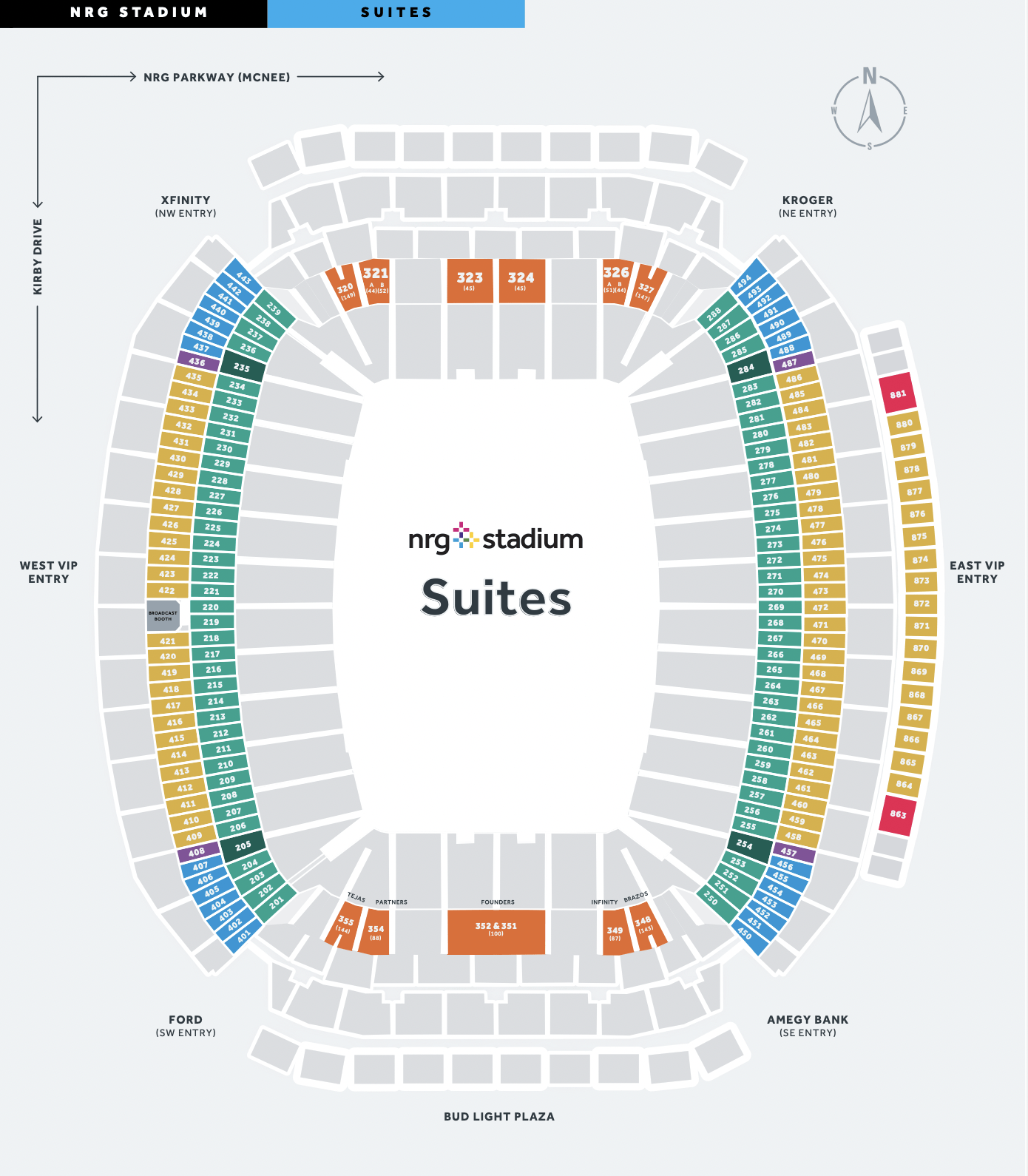
You're probably here because you need a quick fix, a simple solution to understand the nrg seating chart and make sense of those rows and sections. It's a common quest, and the good news is, it's an easy one to tackle. The chart is your key to navigating events at the NRG, whether it's a concert, sports game, or any other spectacle. While the specifics might vary slightly depending on the event, the basic layout and section names will guide you to your seat with ease.
Understanding the NRG Seating Chart
The NRG seating chart is a handy tool for anyone attending an event at the NRG Arena. It provides a visual representation of the venue's seating layout, helping you navigate and choose your preferred seats. This chart is a reference guide, offering a clear overview of the arena's seating options.
Standard Seat Dimensions and Arrangements
The NRG seating chart typically follows standard dimensions and arrangements. However, it's important to note that these can vary slightly depending on the event and the specific configuration of the arena. The chart will indicate the seat numbers, sections, and rows, providing a clear picture of the seating layout.
How to Use the NRG Seating Chart: A Step-by-Step Guide
- Identify the Event: First, ensure you have the correct seating chart for the event you're attending. NRG hosts various events, so the chart may differ slightly.
- Locate Your Section: Find the section number or letter indicated on your ticket. This will be your starting point on the seating chart.
- Navigate to Your Seat: Using the chart, follow the row numbers to locate your specific seat. The chart will guide you to your exact location within the section.
- Check Seat Views: Some charts may include a section view or a visual representation of the stage or field from different sections. This can help you assess the view from your seat.
Avoiding Misreadings and Pitfalls
While the NRG seating chart is a valuable tool, there are a few potential pitfalls to be aware of:
- Seat Numbers: Ensure you understand the seat numbering system. It may not always follow a straightforward pattern, especially in larger arenas.
- Section Views: While section views can be helpful, they are often simplified representations. The actual view may vary slightly due to factors like seat height or obstructions.
- Event-Specific Changes: Certain events may require unique seating arrangements. Always double-check the specific seating plan for your event to avoid surprises.
Remember, the NRG seating chart is a practical guide, but it's always a good idea to cross-reference with official sources and reviews to ensure an accurate understanding of your seat's location and view.
Hey there, I hope this guide has given you a clear picture of the NRG seating chart and its uses. Remember, while the basics remain the same, there might be slight variations depending on the specific event or venue.
So, keep this page bookmarked for a quick reference guide the next time you need it. It's a handy tool to have at your fingertips, and you never know when it might come in useful! Feel free to explore our other guides too; we've got plenty of practical tips and tricks to offer.
Related: Find Your Seat: BJCC Seating Chart Guide
The bjcc seating chart is a valuable tool for anyone planning an event or attending a show at the BJCC. This guide will help you navigate and understand the different seating options available, ensuring you make the most of your experience. From concert halls to arenas, the BJCC offers a range of venues, and each has its own unique seating layout. We'll cover the basics, including how to read row numbers and locate your seats accurately.
Understanding the BJCC Seating Chart
The BJCC seating chart is a valuable tool for anyone attending an event at the BJCC Concert Hall. It provides a clear visual representation of the venue's layout, helping you navigate and find your seat with ease. This chart offers a comprehensive overview, ensuring an enjoyable and stress-free experience.
Comparing Seating Options and Views
The BJCC arena seating chart categorizes seats into different sections, each with its own unique view and atmosphere. These sections are typically labeled with letters or numbers, making it simple to locate your seat. The chart also indicates the proximity to the stage, with some sections offering a more intimate experience, while others provide a panoramic view of the entire arena.
Step-by-Step Guide to Using the Seating Chart
When using the BJCC seating chart, follow these steps:
- Identify your seat number and section on the chart. Look for the corresponding letter or number on the venue's layout.
- Navigate to your section. The chart often includes a key or legend, providing a visual guide to the different sections and their locations within the arena.
- Find your row and seat. Once in your section, locate the row number and then identify your specific seat, which is usually numbered sequentially.
- Enjoy the event! With your seat located, you can now focus on the performance or activity without any distractions.
Avoiding Common Misreadings
While the BJCC theater seating chart is designed to be user-friendly, there are a few common mistakes to avoid:
- Double-check your seat number and section. Mistakes can happen, so ensure you have the correct details before setting off.
- Be aware of potential obstructions. Some seats may have limited views due to pillars or other structural elements. The chart might indicate these obstructions, so pay attention to any notes or symbols.
- Consider legroom. Different sections may offer varying legroom, so if comfort is a priority, choose a section with ample space.
Factors Affecting Accuracy and Real-World Use
Several factors can influence the accuracy and practicality of the BJCC concert seating chart:
Stage Setup: The position and size of the stage can impact the view from certain seats. Always check the event's specific stage setup to ensure an optimal experience.
Seat Width and Legroom: These can vary, so consider your personal preferences and comfort needs.
Event-Specific Considerations: Some events may have unique seating arrangements or configurations, so always refer to the specific seating chart for that event.
Related Factors:
Seating capacity and density.
Seat spacing and aisle width.
Proximity to concessions and restrooms.
Choosing the Right Seating Format
The BJCC concert hall offers various seating formats to cater to different preferences and needs:
- Standard Seating: This is the most common format, offering a mix of row and section seating. It provides a balanced experience, suitable for most events.
- Premium Seating: These seats often have enhanced amenities, such as wider seats, more legroom, and exclusive access to certain areas.
- General Admission: This format offers a more flexible and casual experience, with no assigned seats. It is ideal for standing events or those who prefer a less structured environment.
Remember, the BJCC row numbers and seat arrangements may vary depending on the event and the specific seating chart provided. Always refer to the official chart for the most accurate and up-to-date information.
Well, there you have it! A comprehensive guide to understanding and utilizing the BJCC seating chart effectively.
Remember, while this guide provides a solid foundation, every situation is unique. It's always a good idea to review your specific event details and consider any unique factors that may impact your seating choice. With the right preparation, you'll be seated comfortably and ready to enjoy the show!
Consider bookmarking this page for future reference. It's a handy tool to have at your disposal whenever you need a quick reminder or a more in-depth look at the BJCC seating chart.