The coastal city of Santa Barbara, California, is renowned for its stunning beaches, picturesque harbor, and an abundance of fresh seafood. For seafood enthusiasts, Santa Barbara is a paradise, offering a diverse range of fish and shellfish that are caught daily and served at local restaurants, markets, and seafood shops. In this article, we’ll delve into the world of seafood in Santa Barbara, exploring the types of seafood available, the best places to buy and dine, and the sustainable practices that ensure the long-term health of the ocean’s bounty.
The Fresh Catch: A Day in the Life of a Santa Barbara Fisherman
To understand the significance of seafood in Santa Barbara, it’s essential to meet the people who bring it to our tables. Local fishermen like Jack Edwards, who has been fishing in Santa Barbara for over 20 years, play a vital role in the city’s seafood industry. “I wake up every morning at 4:00 am, eager to head out to sea and see what the day will bring,” Jack explains. “The sea is unpredictable, but that’s what makes it so exciting. Some days we catch a bounty of halibut, while others we might catch a few stray tuna.”
Jack’s day typically begins at the Santa Barbara Harbor, where he meets his crew and prepares for the long day ahead. After a quick breakfast, they set off into the open waters, armed with fishing gear and a deep understanding of the ocean’s rhythms. The fishing trip can last anywhere from a few hours to a full day, depending on the catch and the weather conditions. Once they return to shore, Jack and his crew carefully sort and clean the catch, which is then sold to local restaurants, markets, and seafood shops.
Sustainable Seafood Practices: The Santa Barbara Way
Santa Barbara is committed to sustainable seafood practices, ensuring that the city’s fishing industry is environmentally responsible and socially conscious. The Santa Barbara Commercial Fishermen’s Organization, a non-profit group, works closely with local fishermen, regulators, and conservationists to promote sustainable fishing practices. This includes implementing catch limits, protecting marine habitats, and promoting eco-labeling and certification programs.
One of the most effective ways to promote sustainable seafood is through the use of seafood certification programs. These programs, such as the Marine Stewardship Council (MSC), verify that seafood is caught or farmed in a responsible and sustainable manner. By choosing seafood with the MSC label, consumers can be confident that their purchase supports environmentally responsible fishing practices.
Seafood Varieties: A Guide to Santa Barbara’s Freshest Catch
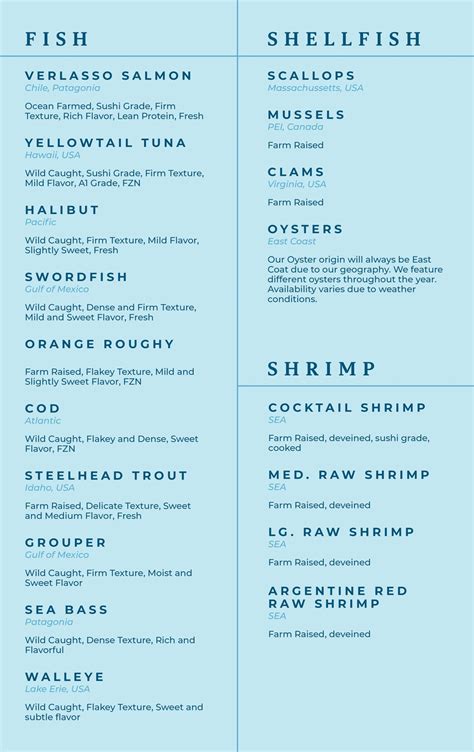
Santa Barbara’s coastal waters are home to an incredible array of seafood, including:
- Halibut: A firm-fleshed fish with a delicate flavor, often served as a fillet or in fish tacos.
- Sea Bass: A mild-flavored fish, perfect for grilling or baking.
- Lobster: A luxurious crustacean, often served steamed or in bisque.
- Dungeness Crab: A sweet and tender crab, commonly used in soups, salads, and as a standalone dish.
- Spot Prawns: A type of large shrimp, prized for its sweet flavor and firm texture.
- Mussels: A type of shellfish, often used in soups, stews, and as a topping for bread.
These seafood varieties can be found at local restaurants, markets, and seafood shops, where they are often prepared in a variety of ways to showcase their unique flavors and textures.
The Best Places to Buy and Dine: A Guide to Santa Barbara’s Seafood Scene
For those looking to experience the best of Santa Barbara’s seafood, here are some top recommendations:
- The Santa Barbara Fish Market: A bustling marketplace where fishermen sell their daily catch directly to consumers.
- The Boathouse at Hendry’s Beach: A beachfront restaurant serving up fresh seafood, including their famous fish tacos.
- Brophy Bros.: A seafood restaurant and market combination, offering a wide range of seafood dishes and a lively atmosphere.
- La Super Rica Taqueria: A local favorite, serving up delicious fish tacos and other seafood-inspired dishes.
In addition to these recommendations, Santa Barbara is also home to a number of seafood festivals and events throughout the year. The annual Santa Barbara Seafood Festival, for example, celebrates the city’s seafood heritage with live music, cooking demonstrations, and plenty of fresh seafood to sample.
Conclusion: Savoring the Flavor of Santa Barbara’s Seafood
Santa Barbara’s seafood scene is a true gem, offering a diverse range of fresh, sustainable, and delicious seafood options. From the daily catch at the Santa Barbara Fish Market to the exceptional dining experiences at local restaurants, there’s something for every seafood lover in this charming coastal city. By supporting local fishermen and choosing sustainable seafood options, consumers can help ensure the long-term health of the ocean’s bounty and preserve the rich seafood heritage of Santa Barbara.
What are the most popular types of seafood in Santa Barbara?
+The most popular types of seafood in Santa Barbara include halibut, sea bass, lobster, Dungeness crab, spot prawns, and mussels.
How can I ensure that the seafood I buy is sustainable?
+To ensure that the seafood you buy is sustainable, look for certification programs such as the Marine Stewardship Council (MSC) label, and choose seafood from local fishermen who practice environmentally responsible fishing methods.
What are some popular seafood restaurants in Santa Barbara?
+Some popular seafood restaurants in Santa Barbara include The Boathouse at Hendry's Beach, Brophy Bros., and La Super Rica Taqueria.
How can I support local fishermen and the Santa Barbara seafood industry?
+To support local fishermen and the Santa Barbara seafood industry, consider buying seafood directly from fishermen at the Santa Barbara Fish Market, or choose restaurants and markets that source their seafood from local fishermen.
By following these guidelines and recommendations, seafood lovers can enjoy the freshest, most sustainable seafood that Santa Barbara has to offer, while also supporting the local fishing industry and promoting environmentally responsible practices.