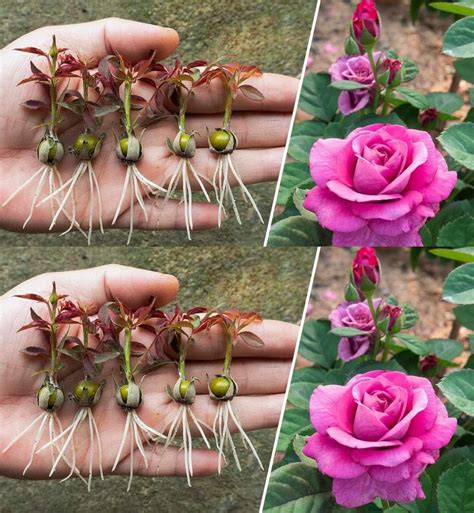
The delicate art of cultivating seeds for roses is a nuanced process that requires patience, dedication, and a deep understanding of the intricacies involved. At its core, rose seed cultivation is about coaxing life from tiny, dormant embryos, nurturing them through their fragile early stages, and guiding them towards maturity. This journey is not just about the technical aspects of planting and caring for seeds but also about understanding the genetic potential of the seeds, the environmental factors that influence their growth, and the careful attention to detail required at each stage of development.
Understanding Rose Seeds
Rose seeds are the reproductive units of rose plants, containing the genetic material necessary for the growth of a new plant. They are produced by roses through a process of sexual reproduction, where pollen from one rose fertilizes the ovules of another, resulting in the formation of seeds within the rose’s fruit, known as a hip. The seeds themselves are small, typically brown or reddish-brown, and have a hard outer coating that protects the embryo inside.
Preparing the Seeds for Germination
Before planting, rose seeds require a period of cold stratification to break dormancy. This process mimics the natural winter period that seeds would undergo in the wild, signaling to the seed that it is time to germinate. The seeds are mixed with a moist medium, such as peat moss or vermiculite, and placed in a sealed bag or container in the refrigerator. The duration of cold stratification can vary, but typically lasts from 30 to 90 days.
Planting the Seeds
After stratification, the seeds are ready to be planted. They are sown about ¼ inch deep in a seed starting mix, which is a well-draining, fine-textured medium designed specifically for starting seeds. The soil should be kept moist but not waterlogged, as this can lead to rot and poor germination rates. Rose seeds typically germinate within 3 to 4 weeks after planting, although this can vary depending on the variety and conditions.
Caring for Seedlings
Once the seeds have germinated, the care of the seedlings becomes critical. They require adequate light, ideally under grow lights or in a sunny, south-facing window. The soil should be kept consistently moist but not wet, as overwatering can be detrimental to young seedlings. Fertilization should begin once the seedlings have their first set of true leaves, using a weak solution of a balanced fertilizer to promote healthy growth without burning the tender roots.
Transplanting and Maturation
As the seedlings grow, they will eventually need to be transplanted into larger pots or directly into the garden, depending on the climate and time of year. This should be done carefully to minimize root disturbance, and the seedlings should be hardened off before being exposed to full outdoor conditions. Once in their final location, the young rose plants will continue to grow, eventually producing blooms. It’s important to note that roses grown from seed will not produce exact replicas of the parent plants, as they are the result of sexual reproduction and will exhibit genetic variation.
Challenges and Considerations
Growing roses from seed presents several challenges, including low germination rates, variability in the offspring, and the potential for disease and pests. Additionally, rose seeds have a relatively short shelf life and must be stored properly to remain viable. Despite these challenges, many gardeners and rose enthusiasts find the process rewarding, as it allows for the exploration of new variations and the potential discovery of unique, desirable traits.
Advanced Techniques for Rose Seed Cultivation
For those looking to delve deeper into the world of rose seed cultivation, there are several advanced techniques that can be employed to improve success rates and control the characteristics of the resulting plants. These include the use of gibberellic acid to enhance germination, grafting seedlings onto rootstocks to improve vigor and disease resistance, and employing tissue culture techniques for the mass production of genetically identical plants.
Conclusion
The cultivation of seeds for roses is a complex and fascinating process that combines elements of horticulture, genetics, and patience. Whether undertaken for the pleasure of growing one’s own roses, the challenge of cultivating something from seed, or the pursuit of developing new rose varieties, the journey from seed to bloom is a rewarding and educational one. Through understanding the intricacies of rose seed biology, preparing seeds appropriately for germination, and providing the right conditions for growth, gardeners can successfully grow roses from seed, enjoying the beauty and fragrance these plants bring to any garden.
How long does it take for rose seeds to germinate?
+Rose seeds typically germinate within 3 to 4 weeks after planting, although this can vary depending on the variety and conditions. Some seeds may germinate sooner, while others may take longer.
Do roses grown from seed produce blooms that are true to the parent plant?
+No, roses grown from seed will not produce exact replicas of the parent plants. Because they are the result of sexual reproduction, they will exhibit genetic variation, meaning their blooms may have different colors, forms, or fragrances than those of the parent plants.
How can I improve the germination rate of rose seeds?
+To improve the germination rate of rose seeds, ensure they receive the appropriate cold stratification period, plant them in a well-draining seed starting mix, and maintain consistent moisture levels. Additionally, using fresh seeds and providing adequate light can also enhance germination rates.