




Self Billing Invoice Template Excel Overview
I was having a coffee with a friend the other day, and they were telling me about their plans to renovate their kitchen. It got me thinking about remodeling companies and how they can help transform a space. So, let's chat about what these companies do and how to navigate the world of home remodeling.
What's the Deal with Remodeling Companies?
Remodeling companies are the experts in transforming your living space. Whether you want to update your bathroom, add an extension, or give your entire home a facelift, these companies can help bring your vision to life. They handle the whole process, from design and planning to construction and finishing touches. It's a one-stop shop for your renovation needs!
When it comes to costs, it's a bit like a puzzle. The price can vary depending on the size of the project, the materials you choose, and the complexity of the work. It's always a good idea to get multiple quotes to compare and ensure you're getting a fair deal. Don't be afraid to ask questions and understand what's included in the quote.
Hiring the Right Team
Choosing the right remodeling company is key. You want a team that listens to your ideas, offers expert advice, and provides a clear plan and timeline. Check their credentials, ask for references, and look at their past projects. A good contractor will guide you through the process and ensure your vision is realized. Don't be rushed into a decision; take your time to find the right fit.
Naming the Business
If you're thinking of starting your own remodeling company, the name is important. It needs to be memorable and reflect your business. Keep it simple, catchy, and easy to remember. Some fun and unique name ideas could be:
- Build-It-Better
- Renovate and Revive
- Home Transformation Team
- The Remodelers
- Space Makers
- Dream Builders
Remember to check the availability of the name and secure your domain and local registration.
Jobs and Opportunities
The remodeling companies industry offers a range of roles. From estimators who calculate costs to project managers who oversee the entire process, and skilled tradespeople who bring the plans to life. These jobs are in demand, and you'll often find opportunities through online job boards or by reaching out to local companies. It's a great field to be in if you love creating and transforming spaces.
Industry Tools and Insights
There are some handy tools and resources used in the industry. For example, RSMeans is a popular cost-estimating tool that helps contractors and estimators calculate project costs accurately. It's a valuable resource for the trade. There are also cost databases and indexes that provide up-to-date information on construction costs, helping to ensure fair pricing. These tools keep the industry informed and efficient.
Large vs. Small Firms
The remodeling companies industry has a mix of large and small businesses. Larger firms often have more resources and can take on bigger projects, but smaller companies can offer a more personalized service. It's a balance between scale and attention to detail. Both have their advantages, so it's about finding the right fit for your needs.
So, there you have it! A little insight into the world of remodeling companies. Whether you're planning a renovation or thinking of joining the industry, it's a fascinating and rewarding field. Remember, it's all about finding the right team and creating a space you love.
Related: Find Your Perfect Fit: Bicycle Size Chart
Many people assume that a bicycle size chart is a one-size-fits-all guide, but it's actually a bit more complex than that. While it provides a great starting point, there are various factors to consider when using one. A bicycle size chart is a handy tool, offering a range of measurements and sizes, but it's important to understand that these can vary depending on the type of bike and your personal preferences.
Understanding Bicycle Size Charts
Bicycle size charts are your practical guide to finding the perfect bike fit. These charts help you determine the right frame size and wheel dimensions for your height and riding style.
Key Details and Prerequisites
The bicycle frame size chart typically includes two main measurements: frame size and wheel size. Frame size is usually given in inches or centimeters, referring to the length of the seat tube. Wheel size is also measured in inches, indicating the diameter of the wheel. These charts often provide a range of heights suitable for each frame size, ensuring a comfortable and efficient ride.
Choosing the Right Size: A Step-by-Step Guide
- Start by identifying your height. Most charts will have a height range associated with each frame size.
- Consider your riding style and preferences. Are you a casual rider, a road warrior, or a mountain adventurer? Different styles require different frame geometries and wheel sizes.
- Check the bike sizing guide for your specific needs. Some charts may offer separate recommendations for road bikes, mountain bikes, or hybrid models.
- Measure your inseam length. This measurement is crucial for determining the right seat tube length and ensuring you have enough clearance between the top tube and your body.
- Use the bicycle size chart to cross-reference your height, riding style, and inseam length. This will give you a precise frame size recommendation.
- Don't forget to consider the wheel size. The right wheel size ensures optimal handling and performance.
Variations and Common Mistakes
When using a bicycle size chart, it's important to remember that variations exist due to different international standard measurements and manufacturer preferences. Here are some key factors to consider:
- Road bike dimensions may differ slightly from mountain bike sizing, so be sure to consult the appropriate chart.
- Some charts use imperial units (inches), while others use metric (centimeters). Ensure you're using the correct chart for your region or preferences.
- Rider preferences and comfort levels can also influence the chosen size. Some riders may prefer a more upright position, while others opt for a more aggressive, stretched-out posture.
- Always double-check the exact specifications provided by the manufacturer for your specific bike model, as slight variations can occur.
Remember, a well-fitted bike enhances your riding experience and prevents discomfort or injuries.
Well, that's a wrap on our bicycle size chart guide! We've covered the basics, from understanding the key measurements to learning how to use the chart effectively. Remember, when it comes to finding the perfect bike size, it's essential to consider your unique needs and preferences.
So, before you hit the road, take a moment to ensure you've got the right size for your next cycling adventure. Bookmark this page for future reference, and you'll always have a handy guide to refer back to. Happy cycling!
Related: Understand the Conduit Fill Chart Easily
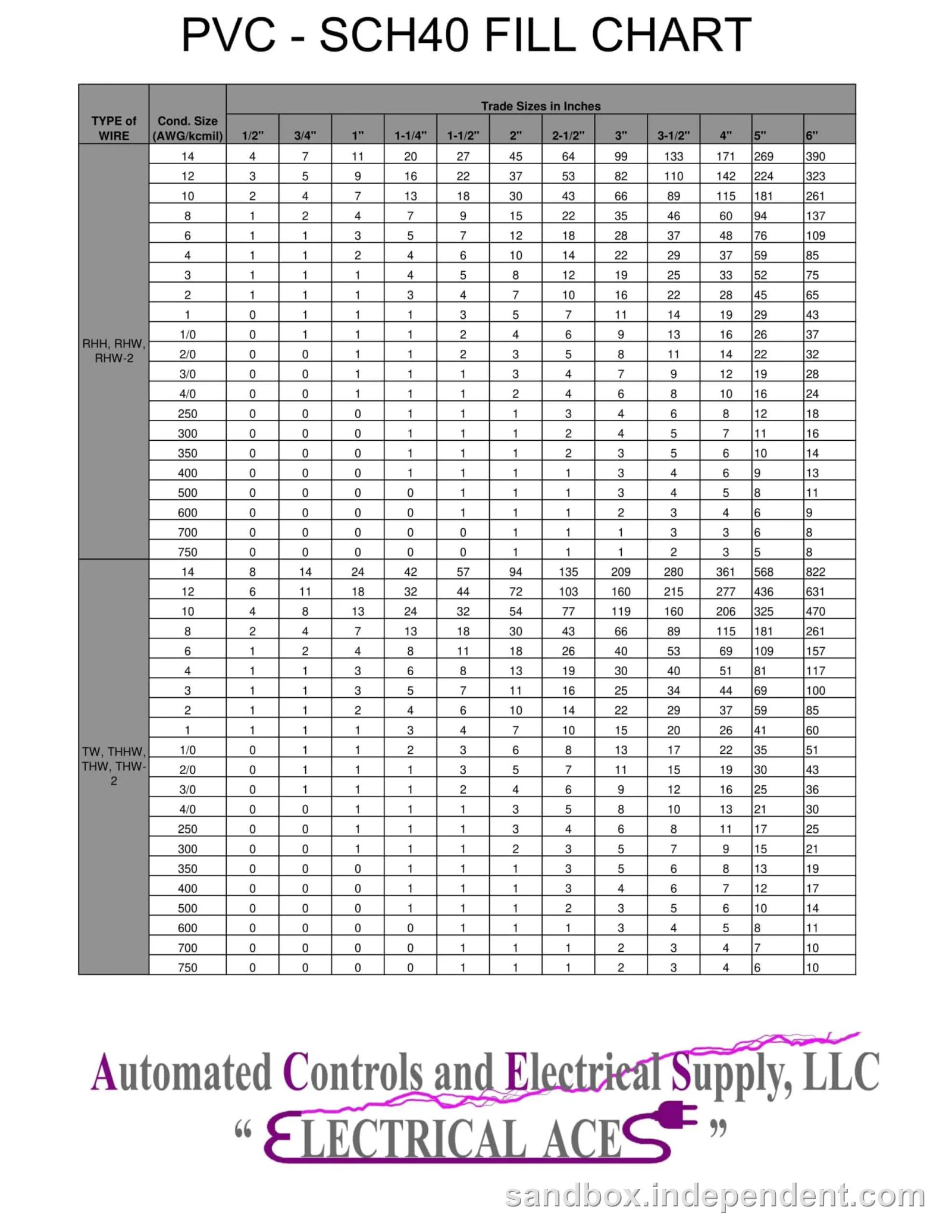
You're likely here because you need a quick, reliable reference for your electrical project or perhaps you're double-checking your calculations. The conduit fill chart is your go-to resource, offering a clear and concise overview of conduit capacities and wire fill percentages. This chart, often a simple table or diagram, provides essential information to ensure your electrical installations are safe and compliant. While values may vary depending on regional standards and trade customs, the conduit fill chart offers a solid starting point for your electrical conduit sizing needs.
Understanding Conduit Fill Ratios
The conduit fill chart is a vital tool for electrical installations, offering a quick reference to determine the maximum safe capacity of electrical conduits. It ensures that conduits are not overloaded, which could lead to dangerous situations. This chart provides a clear guide to the acceptable wire fill percentages based on various factors.
Key Details and Prerequisites
Before using the conduit fill chart, it's essential to understand the categories and units involved. The chart typically considers conduit size, wire size, and the number of wires. These factors are crucial in determining the conduit's capacity. The chart provides fill ratios, which represent the maximum percentage of conduit space that can be occupied by wires. These ratios are based on the National Electrical Code (NEC) guidelines, a widely recognized standard in the US.
Practical Fill Calculations: Step-by-Step Guide
Here's a simple process to utilize the conduit fill chart:
- Identify the conduit size you are working with. This is typically measured in inches or millimeters, depending on the standard you are following.
- Determine the wire size and the number of wires you intend to install. Again, these measurements should align with the relevant standard.
- Refer to the conduit fill chart and locate the intersection of the conduit size and wire size columns. This will give you the fill ratio.
- Calculate the maximum wire fill percentage by multiplying the fill ratio by 100. For example, a fill ratio of 0.6 corresponds to a 60% maximum wire fill.
- Ensure that the total wire fill, including all wires in the conduit, does not exceed this maximum percentage.
Interpreting Variations Across Standards and Contexts
It's important to note that conduit fill charts may vary depending on the standard and region. For instance, the NEC conduit fill chart is specific to the US and may differ from international or metric standards. Additionally, some trade-specific charts might exist for specialized applications. These variations can impact the fill ratios and maximum wire fill percentages. Always ensure you are referencing the correct chart for your specific context and application.
Common Mistakes and How to Avoid Them
- Using the wrong chart: Ensure you are referencing the chart applicable to your region and standard.
- Misinterpreting fill ratios: Remember, fill ratios are decimal values, and they need to be multiplied by 100 to get the maximum wire fill percentage.
- Overlooking specific use cases: Some applications might have unique requirements. Always check for any specific tolerances or exceptions that might apply to your project.
- Ignoring wire size: The wire size is a critical factor in conduit fill calculations. Ensure you are using the correct wire size measurements.
- Not staying updated: Standards and regulations can change. Regularly check for updates to ensure you are working with the latest guidelines.
Hey there! I hope this guide has provided some clarity on conduit fill charts and their practical use. Remember, while the core principles remain the same, the exact details can vary slightly depending on the context and the specific standards you're working with.
Feel free to explore other guides on our site to deepen your understanding of related topics. We've got a range of resources to help you navigate various aspects of your projects with ease and confidence. Happy learning, and stay organized!